
Contents
- 🌎 Introduction to Gas and Oil Pipelines
- 💡 History of Pipeline Development
- 🚧 Pipeline Infrastructure and Technology
- 💸 Economic Impact of Pipelines
- 🌟 Key Players in the Pipeline Industry
- 🚨 Environmental Concerns and Controversies
- 🌈 Alternative Energy and the Future of Pipelines
- 📊 Pipeline Safety and Regulation
- 🌍 Global Pipeline Networks and Trade
- 🔍 Pipeline Security and Risk Management
- 📈 Emerging Trends and Innovations in Pipelines
- Frequently Asked Questions
- Related Topics
Overview
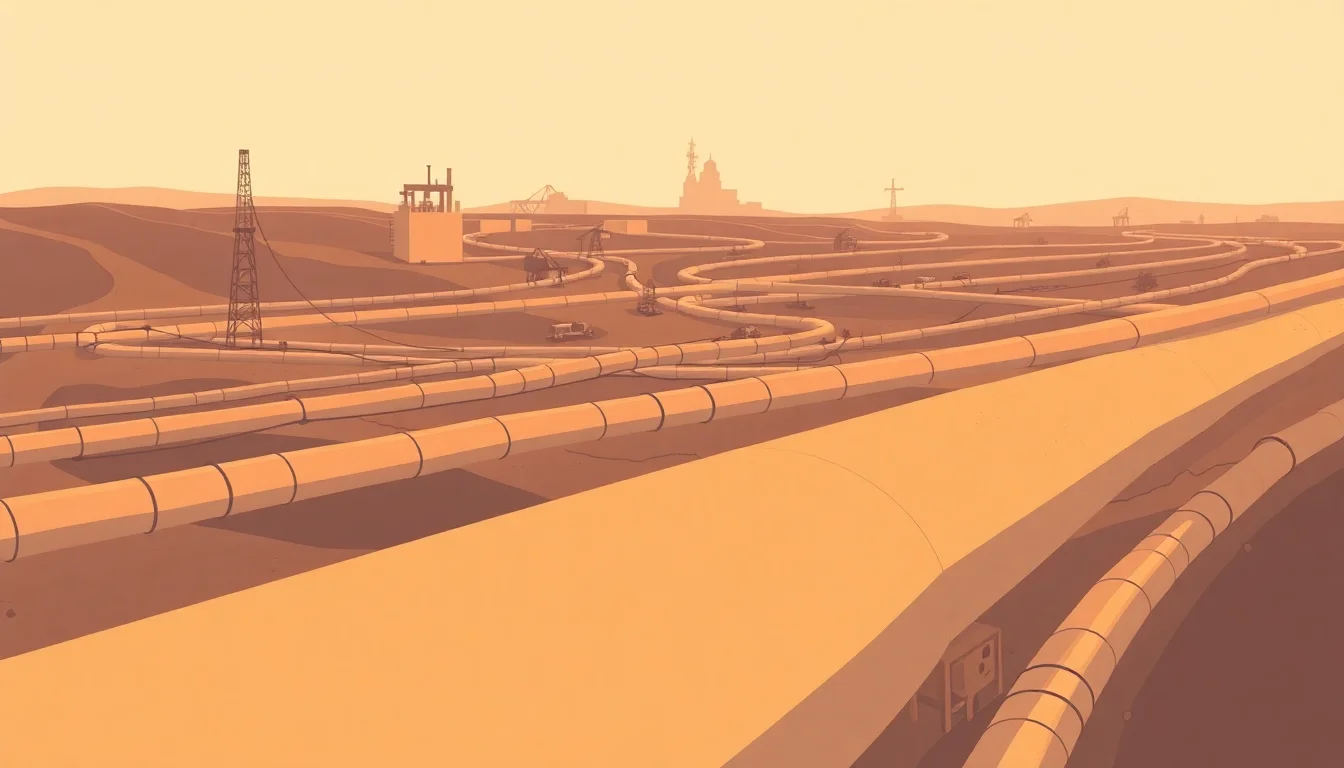
Gas and oil pipelines have been the backbone of global energy transportation for decades, with over 2.5 million miles of pipelines crisscrossing the United States alone. The Keystone XL pipeline, for example, has been a contentious issue, with proponents like TransCanada arguing it will create jobs and increase energy security, while opponents like the Sierra Club cite environmental concerns and potential leaks. According to the U.S. Energy Information Administration, pipelines transport over 70% of the country's oil and gas, with major players like ExxonMobil and Chevron relying heavily on this infrastructure. However, the Dakota Access Pipeline has sparked intense protests from Native American communities, highlighting the need for more nuanced discussions around pipeline development. As the world transitions to cleaner energy sources, the future of gas and oil pipelines remains uncertain, with some predicting a decline in demand and others arguing for increased investment in pipeline infrastructure. With a Vibe score of 62, the topic of gas and oil pipelines is highly debated, reflecting the complex interplay between economic, environmental, and social factors.
🌎 Introduction to Gas and Oil Pipelines
The global energy landscape is heavily reliant on gas and oil pipelines, which transport millions of barrels of oil and cubic feet of natural gas every day. Energy Infrastructure plays a critical role in meeting the world's energy demands, and pipelines are the veins that keep the system flowing. The History of Pipelines dates back to the late 19th century, when the first pipelines were built to transport oil from wells to refineries. Today, pipelines span across continents, connecting Oil and Gas Fields to Refineries and Processing Plants. The Pipeline Industry is a complex network of companies, governments, and regulatory bodies that work together to ensure the safe and efficient transportation of energy resources.
💡 History of Pipeline Development
The development of pipelines has been shaped by advances in Pipeline Technology and the increasing demand for energy. The first pipelines were made of wood and later replaced with steel, which improved their durability and safety. The construction of Transcontinental Pipelines in the mid-20th century revolutionized the energy industry, enabling the transportation of oil and gas over long distances. Today, pipelines are built using advanced materials and techniques, such as Horizontal Directional Drilling, which minimize environmental impact and improve efficiency. The Pipeline Construction Process involves several stages, including planning, design, and execution, and requires careful consideration of Environmental Factors and Regulatory Compliance.
🚧 Pipeline Infrastructure and Technology
Pipelines have a significant impact on the economy, generating billions of dollars in revenue each year. The Pipeline Industry employs millions of people worldwide, from Pipeline Engineers to Pipeline Operators. The construction of new pipelines can also stimulate local economies, creating jobs and generating tax revenue. However, the Economic Impact of Pipelines can also be negative, particularly in areas where pipelines are built without adequate consultation or compensation for local communities. The Cost of Pipeline Construction can be high, and the Benefits of Pipelines must be carefully weighed against the potential risks and costs.
💸 Economic Impact of Pipelines
The pipeline industry is dominated by a few large players, including ExxonMobil, Shell, and Chevron. These companies have significant investments in pipeline infrastructure and play a critical role in shaping the industry's direction. However, the Pipeline Industry Landscape is changing, with new players emerging and existing companies adapting to shifting market conditions. The Role of National Oil Companies is also evolving, as they seek to expand their influence and secure their position in the global energy market. The Impact of Privatization on Pipelines has been significant, leading to increased efficiency and investment in pipeline infrastructure.
🌟 Key Players in the Pipeline Industry
Pipelines have been the subject of controversy and debate, particularly with regards to their environmental impact. The Environmental Impact of Pipelines can be significant, including the risk of Oil Spills and Gas Leaks. The construction of pipelines can also disrupt local ecosystems and communities, leading to Social and Environmental Concerns. The Pipeline Industry Response to Environmental Concerns has been mixed, with some companies taking steps to reduce their environmental footprint and others facing criticism for their practices. The Importance of Environmental Regulations cannot be overstated, as they provide a critical framework for ensuring the safe and responsible operation of pipelines.
🚨 Environmental Concerns and Controversies
As the world transitions to a low-carbon economy, the role of pipelines is likely to change. The Future of Pipelines will be shaped by advances in Renewable Energy and the increasing demand for clean energy. The Impact of Alternative Energy on Pipelines will be significant, as pipelines are adapted to transport new forms of energy, such as Hydrogen and Biofuels. The Pipeline Industry Response to Alternative Energy will be critical, as companies seek to remain relevant and competitive in a changing energy landscape. The Opportunities and Challenges of Alternative Energy must be carefully considered, as the world seeks to balance energy demand with environmental sustainability.
🌈 Alternative Energy and the Future of Pipelines
Pipeline safety is a critical concern, with the potential for accidents and spills having significant environmental and economic impacts. The Pipeline Safety Regulations are designed to minimize the risk of accidents and ensure the safe operation of pipelines. The Role of Regulatory Bodies is critical, as they provide oversight and enforcement of pipeline safety standards. The Importance of Pipeline Maintenance cannot be overstated, as regular maintenance is essential for preventing accidents and ensuring the integrity of pipeline infrastructure. The Pipeline Safety Record has improved in recent years, but there is still room for improvement, particularly in areas such as Pipeline Inspection and Pipeline Repair.
📊 Pipeline Safety and Regulation
The global pipeline network is a complex system of interconnected pipelines that transport energy resources across continents. The Global Pipeline Network is dominated by a few major players, including Rusia and United States. The Importance of Global Pipeline Networks cannot be overstated, as they provide a critical link between energy producers and consumers. The Challenges of Global Pipeline Networks are significant, including the risk of Pipeline Disruptions and Geopolitical Tensions. The Future of Global Pipeline Networks will be shaped by advances in Pipeline Technology and the increasing demand for energy.
🌍 Global Pipeline Networks and Trade
Pipeline security is a critical concern, with the potential for cyber attacks and physical breaches having significant impacts on the energy industry. The Pipeline Security Measures are designed to minimize the risk of attacks and ensure the safe operation of pipelines. The Role of Cybersecurity is critical, as pipelines are increasingly reliant on digital systems and networks. The Importance of Physical Security cannot be overstated, as pipelines are vulnerable to physical breaches and sabotage. The Pipeline Security Record has improved in recent years, but there is still room for improvement, particularly in areas such as Pipeline Risk Assessment and Pipeline Incident Response.
🔍 Pipeline Security and Risk Management
The pipeline industry is evolving rapidly, with new technologies and innovations emerging all the time. The Emerging Trends in Pipelines include advances in Pipeline Materials and Pipeline Construction Techniques. The Impact of Digitalization on Pipelines will be significant, as digital technologies improve the efficiency and safety of pipeline operations. The Future of Pipeline Innovation will be shaped by advances in Artificial Intelligence and Internet of Things. The Pipeline Industry Response to Innovation will be critical, as companies seek to remain competitive and adapt to changing market conditions.
Key Facts
- Year
- 2022
- Origin
- North America
- Category
- Energy Infrastructure
- Type
- Infrastructure
Frequently Asked Questions
What is the history of pipelines?
The history of pipelines dates back to the late 19th century, when the first pipelines were built to transport oil from wells to refineries. Since then, pipelines have evolved to become a critical part of the global energy infrastructure, with advances in technology and construction techniques improving their safety and efficiency.
What are the benefits of pipelines?
Pipelines have several benefits, including the efficient transportation of energy resources, job creation, and economic growth. They also provide a safe and reliable way to transport energy, reducing the risk of accidents and spills.
What are the environmental concerns associated with pipelines?
Pipelines can have significant environmental impacts, including the risk of oil spills and gas leaks, disruption of local ecosystems, and greenhouse gas emissions. The construction of pipelines can also lead to social and environmental concerns, particularly in areas where local communities are not adequately consulted or compensated.
How are pipelines regulated?
Pipelines are regulated by a combination of government agencies and industry organizations, which set standards for pipeline safety, construction, and operation. Regulatory bodies also provide oversight and enforcement of pipeline safety regulations, ensuring that pipelines are operated safely and responsibly.
What is the future of pipelines?
The future of pipelines will be shaped by advances in technology and the increasing demand for clean energy. Pipelines will need to adapt to transport new forms of energy, such as hydrogen and biofuels, and will require significant investment in infrastructure and innovation to remain competitive and sustainable.
What are the emerging trends in pipelines?
The emerging trends in pipelines include advances in pipeline materials and construction techniques, the impact of digitalization on pipeline operations, and the increasing focus on pipeline safety and security. The pipeline industry will also need to adapt to changing market conditions and regulatory requirements, particularly in areas such as environmental sustainability and social responsibility.
How are pipelines secured?
Pipelines are secured through a combination of physical and cybersecurity measures, including the use of surveillance systems, access controls, and encryption technologies. Pipeline operators also work closely with regulatory bodies and law enforcement agencies to prevent and respond to pipeline breaches and cyber attacks.