
Contents
- 🌎 Introduction to Global Honey Production Trends
- 🐝 The History of Beekeeping and Honey Production
- 📊 Current Global Honey Production Statistics
- 🌟 Top Honey-Producing Countries and Regions
- 🌿 Factors Affecting Honey Production: Climate Change and Pesticides
- 🐝 The Impact of Colony Collapse Disorder on Honey Production
- 💸 Economic Trends in the Global Honey Market
- 🍯 Trends in Honey Consumption and Demand
- 🌈 Diversification of Honey Products and By-Products
- 🚨 Challenges Facing the Global Honey Industry
- 🌱 Sustainable Beekeeping Practices for the Future
- 📈 Future Outlook for Global Honey Production Trends
- Frequently Asked Questions
- Related Topics
Overview
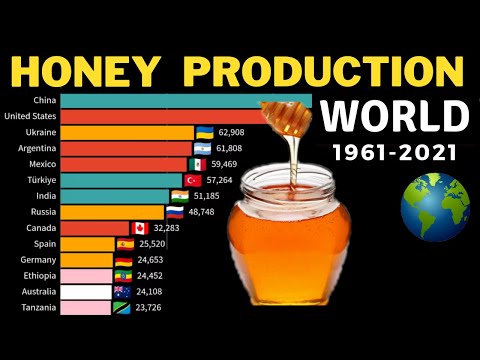
Global honey production has been steadily increasing over the past few decades, with the top honey-producing countries including China, the United States, and Turkey. According to the Food and Agriculture Organization (FAO) of the United Nations, global honey production reached 1.9 million metric tons in 2020, with a total value of over $7 billion. However, the industry is facing challenges such as climate change, pesticide use, and colony collapse disorder, which have led to fluctuations in production and concerns about the long-term sustainability of the industry. The global honey market is expected to continue growing, driven by increasing demand for natural sweeteners and the expanding popularity of beekeeping as a hobby. With a vibe score of 6.2, the industry is characterized by a mix of optimism and pessimism, reflecting the tensions between the growing demand for honey and the challenges facing beekeepers. As the industry looks to the future, it will be important to address these challenges and ensure the long-term health of bee colonies, with some experts predicting that the global honey market will reach $10 billion by 2025.
🌎 Introduction to Global Honey Production Trends
The global honey production trends are a complex and multifaceted topic, influenced by various factors such as climate change, pesticide use, and colony collapse disorder. The history of beekeeping and honey production dates back to ancient times, with evidence of beekeeping practices found in ancient Egypt and ancient Greece. Today, the global honey market is a significant industry, with top honey-producing countries including China, United States, and Turkey. The global honey market is expected to continue growing, driven by increasing demand for high-quality honey products.
🐝 The History of Beekeeping and Honey Production
The history of beekeeping and honey production is a rich and fascinating topic, with evidence of beekeeping practices found in ancient civilizations such as Mesopotamia and ancient Rome. The development of modern beekeeping equipment and techniques has enabled large-scale honey production, with many commercial beekeepers producing honey for both domestic and international markets. However, the industry is facing numerous challenges, including colony collapse disorder and the impact of pesticides on bee health. To address these challenges, many beekeepers are adopting sustainable beekeeping practices, such as organic beekeeping and integrated pest management.
📊 Current Global Honey Production Statistics
According to the Food and Agriculture Organization (FAO) of the United Nations, global honey production has been steadily increasing over the past few decades, with an average annual production of around 1.8 million metric tons. The top honey-producing countries are China, United States, and Turkey, which together account for over 50% of global honey production. The global honey market is a significant industry, with a projected value of over $10 billion by 2025. However, the industry is facing challenges such as climate change, pesticide use, and colony collapse disorder, which are affecting honey production and quality.
🌟 Top Honey-Producing Countries and Regions
The top honey-producing countries and regions are China, United States, Turkey, and European Union. These countries have well-established beekeeping industries and favorable climatic conditions for honey production. However, other countries such as Brazil and India are also emerging as significant honey producers, driven by increasing demand for high-quality honey products. The global honey market is highly competitive, with many players competing for market share. To stay competitive, many beekeepers are adopting sustainable beekeeping practices and investing in beekeeping equipment and bee health management.
🌿 Factors Affecting Honey Production: Climate Change and Pesticides
Climate change and pesticide use are two of the most significant factors affecting honey production. Climate change is altering the pollination patterns and nectar flow of plants, making it challenging for bees to produce high-quality honey. Additionally, the use of pesticides is harming bee health and affecting honey production. Many beekeepers are adopting integrated pest management practices and using organic pest control methods to minimize the impact of pesticides on bee health. Furthermore, some beekeepers are exploring alternative crops and pollinator-friendly plants to support bee health and honey production.
🐝 The Impact of Colony Collapse Disorder on Honey Production
Colony collapse disorder (CCD) is a significant threat to the global honey industry, with many beekeepers experiencing significant losses due to CCD. CCD is a complex phenomenon, and its causes are not yet fully understood. However, research suggests that pesticides, climate change, and bee health issues are contributing factors. To address CCD, many beekeepers are adopting sustainable beekeeping practices, such as organic beekeeping and integrated pest management. Additionally, researchers are exploring new technologies and methods to support bee health and prevent CCD.
💸 Economic Trends in the Global Honey Market
The global honey market is a significant industry, with a projected value of over $10 billion by 2025. The global honey market is driven by increasing demand for high-quality honey products, particularly in the food and beverage and cosmetics industries. However, the industry is facing challenges such as climate change, pesticide use, and colony collapse disorder, which are affecting honey production and quality. To stay competitive, many beekeepers are adopting sustainable beekeeping practices and investing in beekeeping equipment and bee health management.
🍯 Trends in Honey Consumption and Demand
The trends in honey consumption and demand are driven by increasing awareness of the health benefits of honey and the growing demand for natural and organic products. honey consumption is highest in the food and beverage industry, where honey is used as a natural sweetener and ingredient. Additionally, the cosmetics industry is a significant consumer of honey, where it is used in skincare and haircare products. The global honey market is expected to continue growing, driven by increasing demand for high-quality honey products.
🌈 Diversification of Honey Products and By-Products
The diversification of honey products and by-products is a significant trend in the global honey industry. Many beekeepers are producing a range of honey products, including raw honey, organic honey, and manuka honey. Additionally, beekeepers are producing bee by-products, such as beeswax, propolis, and royal jelly. These products are in high demand, particularly in the food and beverage and cosmetics industries.
🚨 Challenges Facing the Global Honey Industry
The challenges facing the global honey industry are significant, with climate change, pesticide use, and colony collapse disorder affecting honey production and quality. Additionally, the industry is facing challenges such as market volatility and regulatory frameworks. To address these challenges, many beekeepers are adopting sustainable beekeeping practices and investing in beekeeping equipment and bee health management.
🌱 Sustainable Beekeeping Practices for the Future
Sustainable beekeeping practices are essential for the future of the global honey industry. Many beekeepers are adopting sustainable beekeeping practices, such as organic beekeeping and integrated pest management. Additionally, researchers are exploring new technologies and methods to support bee health and prevent colony collapse disorder. The adoption of sustainable beekeeping practices is critical for ensuring the long-term sustainability of the global honey industry.
📈 Future Outlook for Global Honey Production Trends
The future outlook for global honey production trends is uncertain, with climate change, pesticide use, and colony collapse disorder affecting honey production and quality. However, the industry is expected to continue growing, driven by increasing demand for high-quality honey products. To stay competitive, many beekeepers are adopting sustainable beekeeping practices and investing in beekeeping equipment and bee health management. The future of the global honey industry will depend on the ability of beekeepers to adapt to changing environmental conditions and market trends.
Key Facts
- Year
- 2020
- Origin
- Global
- Category
- Agriculture
- Type
- Industry Trend
Frequently Asked Questions
What are the main factors affecting global honey production trends?
The main factors affecting global honey production trends are climate change, pesticide use, and colony collapse disorder. These factors are affecting honey production and quality, and are expected to continue impacting the industry in the future. Additionally, market volatility and regulatory frameworks are also affecting the industry. To address these challenges, many beekeepers are adopting sustainable beekeeping practices and investing in beekeeping equipment and bee health management.
What are the top honey-producing countries and regions?
The top honey-producing countries and regions are China, United States, Turkey, and European Union. These countries have well-established beekeeping industries and favorable climatic conditions for honey production. However, other countries such as Brazil and India are also emerging as significant honey producers, driven by increasing demand for high-quality honey products.
What are the trends in honey consumption and demand?
The trends in honey consumption and demand are driven by increasing awareness of the health benefits of honey and the growing demand for natural and organic products. honey consumption is highest in the food and beverage industry, where honey is used as a natural sweetener and ingredient. Additionally, the cosmetics industry is a significant consumer of honey, where it is used in skincare and haircare products.
What are the challenges facing the global honey industry?
The challenges facing the global honey industry are significant, with climate change, pesticide use, and colony collapse disorder affecting honey production and quality. Additionally, the industry is facing challenges such as market volatility and regulatory frameworks. To address these challenges, many beekeepers are adopting sustainable beekeeping practices and investing in beekeeping equipment and bee health management.
What is the future outlook for global honey production trends?
The future outlook for global honey production trends is uncertain, with climate change, pesticide use, and colony collapse disorder affecting honey production and quality. However, the industry is expected to continue growing, driven by increasing demand for high-quality honey products. To stay competitive, many beekeepers are adopting sustainable beekeeping practices and investing in beekeeping equipment and bee health management.
What are the benefits of sustainable beekeeping practices?
The benefits of sustainable beekeeping practices are numerous, including improved bee health, increased honey production, and reduced environmental impact. Sustainable beekeeping practices, such as organic beekeeping and integrated pest management, can help to mitigate the effects of climate change, pesticide use, and colony collapse disorder. Additionally, sustainable beekeeping practices can help to promote biodiversity and ecosystem health.
How can beekeepers adopt sustainable beekeeping practices?
Beekeepers can adopt sustainable beekeeping practices by investing in beekeeping equipment and bee health management, and by adopting sustainable beekeeping practices such as organic beekeeping and integrated pest management. Additionally, beekeepers can promote biodiversity and ecosystem health by planting pollinator-friendly plants and reducing pesticide use.