
Contents
- 🏰 Introduction to the Great Wall of China
- 📆 History of the Great Wall
- 🏗️ Construction and Architecture
- 🚧 Watchtowers and Beacon Towers
- 🏞️ The Great Wall's Natural Environment
- 🚫 Military Significance and Effectiveness
- 👥 The People Behind the Wall
- 📸 Tourism and Preservation
- 🤝 Cultural Significance and Symbolism
- 🌎 The Great Wall in the Modern Era
- 📊 Interesting Facts and Figures
- Frequently Asked Questions
- Related Topics
Overview
The Great Wall of China is a series of fortifications in China, built across the historical northern borders of ancient Chinese states and Imperial China as protection against various nomadic groups from the Eurasian Steppe. The wall system was initially constructed during the 7th century BC, with successive dynasties expanding and joining the walls together, including the Qin dynasty. The most well-known sections of the wall were built by the Ming dynasty (1368–1644), who used advanced construction techniques and materials to create a more robust and extensive wall system. The Great Wall of China is an impressive example of ancient engineering and a testament to the ingenuity of the people who built it. For more information on the history of the wall, visit the Chinese History page. The wall's construction is also closely tied to the Eurasian Steppe and its nomadic groups.
📆 History of the Great Wall
The history of the Great Wall of China is complex and spans many centuries. The first versions of the wall were built during the 7th century BC, with the goal of protecting the Chinese states from invading nomadic groups. Over time, the wall was expanded and fortified by successive dynasties, including the Han dynasty and the Sui dynasty. The wall's construction was often driven by the need for defense against invading armies, and it played a significant role in the Battle of the Tea Ridge and other conflicts. For more information on the wall's history, visit the Great Wall of China History page. The wall's construction is also closely tied to the Silk Road and its trade routes.
🏗️ Construction and Architecture
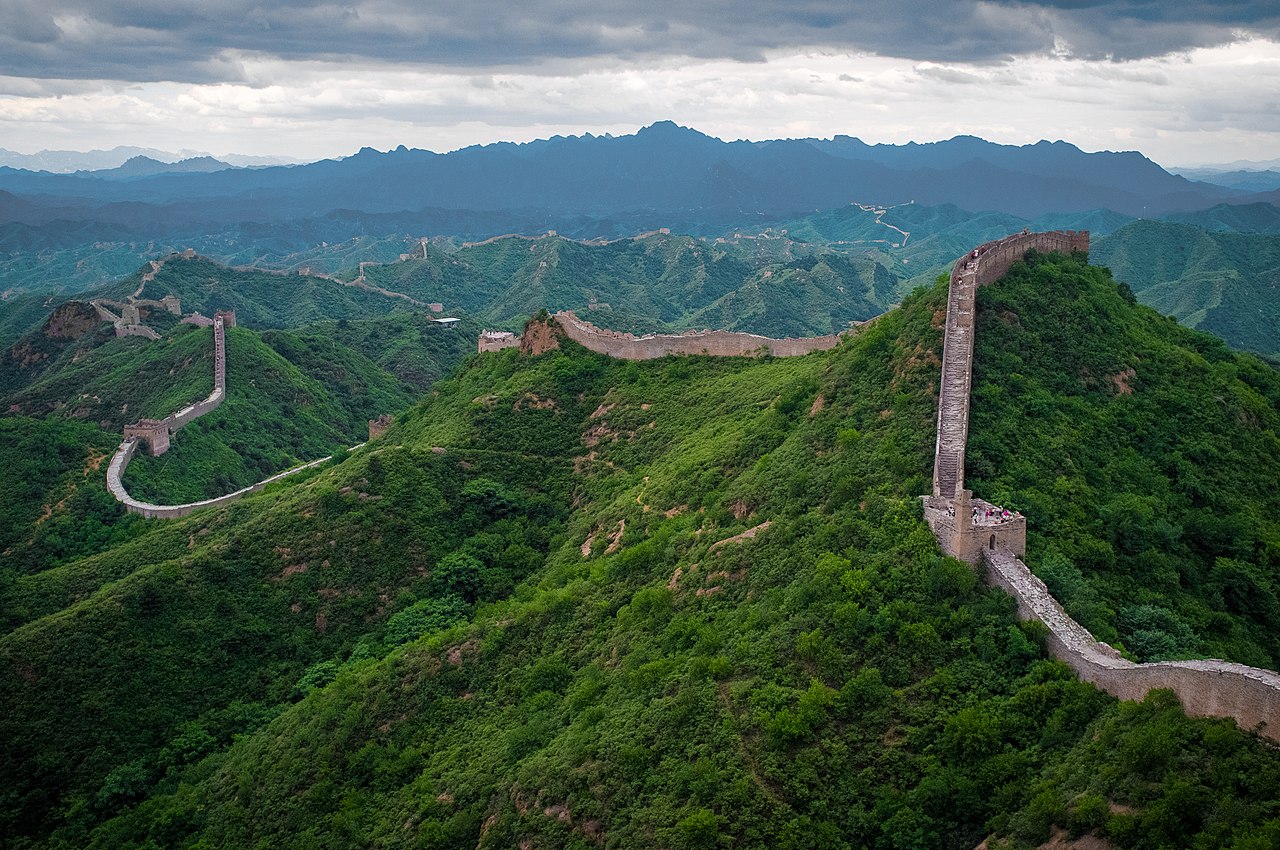
The construction and architecture of the Great Wall of China are impressive, with the wall stretching over 13,000 miles (21,000 km) across China's rugged landscape. The wall's construction varied depending on the location and the materials available, with some sections built using stone, brick, and rammed earth. The wall's architecture is also notable for its use of watchtowers and beacon towers, which were used for communication and defense. For more information on the wall's architecture, visit the Great Wall of China Architecture page. The wall's construction is also closely tied to the Chinese Architecture style and its influences. The wall's architecture has also been compared to the Roman Wall in terms of its construction and purpose.
🚧 Watchtowers and Beacon Towers
The watchtowers and beacon towers of the Great Wall of China were crucial components of the wall's defense system. The watchtowers were used to monitor the surrounding area and detect potential threats, while the beacon towers were used to send signals to other parts of the wall and to nearby cities. The watchtowers and beacon towers were often built at regular intervals along the wall, and they played a significant role in the wall's military effectiveness. For more information on the watchtowers and beacon towers, visit the Great Wall of China Watchtowers page. The watchtowers and beacon towers are also closely tied to the Chinese Military and its strategies. The watchtowers and beacon towers have also been compared to the Hadrian Wall in terms of their construction and purpose.
🏞️ The Great Wall's Natural Environment
The Great Wall of China is situated in a diverse range of natural environments, from the mountains of northern China to the deserts of western China. The wall's construction often had to adapt to the local environment, with some sections built using local materials and techniques. The wall's natural environment has also played a significant role in its preservation, with some sections being protected by their remote location and harsh climate. For more information on the wall's natural environment, visit the Great Wall of China Natural Environment page. The wall's natural environment is also closely tied to the Chinese Geography and its regional variations. The wall's natural environment has also been compared to the Appalachian Trail in terms of its diversity and complexity.
🚫 Military Significance and Effectiveness
The military significance and effectiveness of the Great Wall of China are debated among historians and scholars. While the wall was often effective in defending against invading armies, it was not impenetrable, and many armies were able to breach the wall and invade China. The wall's military effectiveness was also influenced by the quality of its construction and the number of soldiers stationed along the wall. For more information on the wall's military significance, visit the Great Wall of China Military Significance page. The wall's military significance is also closely tied to the Chinese Warfare and its strategies. The wall's military significance has also been compared to the Maginot Line in terms of its construction and purpose.
👥 The People Behind the Wall
The people behind the construction of the Great Wall of China were often laborers and soldiers who were forced to work on the wall. The wall's construction was often a massive undertaking that required the labor of thousands of people, and many workers lost their lives during the construction process. The wall's construction also had a significant impact on local communities, with some villages being relocated or destroyed to make way for the wall. For more information on the people behind the wall, visit the Great Wall of China People page. The people behind the wall are also closely tied to the Chinese Society and its social structures. The people behind the wall have also been compared to the Roman Empire and its labor forces.
📸 Tourism and Preservation
The Great Wall of China is one of the most popular tourist destinations in the world, with millions of visitors each year. The wall's tourism industry has had a significant impact on local economies, with many businesses catering to tourists and providing services such as guided tours and accommodations. However, the wall's tourism industry has also raised concerns about preservation and conservation, with some sections of the wall being damaged or destroyed due to over-tourism. For more information on the wall's tourism industry, visit the Great Wall of China Tourism page. The wall's tourism industry is also closely tied to the Chinese Tourism industry and its development. The wall's tourism industry has also been compared to the Grand Canyon in terms of its popularity and management.
🤝 Cultural Significance and Symbolism
The Great Wall of China has significant cultural and symbolic importance, both in China and around the world. The wall is often seen as a symbol of Chinese civilization and a testament to the country's rich history and cultural heritage. The wall has also been the subject of many works of art, literature, and film, and has been used as a metaphor for division, separation, and protection. For more information on the wall's cultural significance, visit the Great Wall of China Culture page. The wall's cultural significance is also closely tied to the Chinese Culture and its traditions. The wall's cultural significance has also been compared to the Pyramids of Giza in terms of its historical and cultural importance.
🌎 The Great Wall in the Modern Era
The Great Wall of China has continued to play a significant role in modern times, with the wall being used as a symbol of Chinese national pride and a tourist destination. The wall has also been the subject of many restoration and conservation efforts, with the goal of preserving the wall for future generations. However, the wall's preservation has also been threatened by factors such as over-tourism, pollution, and climate change. For more information on the wall's modern significance, visit the Great Wall of China Modern Significance page. The wall's modern significance is also closely tied to the Chinese Politics and its international relations. The wall's modern significance has also been compared to the Berlin Wall in terms of its historical and cultural importance.
📊 Interesting Facts and Figures
The Great Wall of China is an impressive and fascinating structure, with a rich history and cultural significance. The wall stretches over 13,000 miles (21,000 km) across China's rugged landscape, and is built using a variety of materials, including stone, brick, and rammed earth. The wall's construction is estimated to have required the labor of hundreds of thousands of workers, and is believed to have cost the equivalent of billions of dollars in modern currency. For more information on the wall's interesting facts and figures, visit the Great Wall of China Facts page. The wall's interesting facts and figures are also closely tied to the Chinese History and its notable events. The wall's interesting facts and figures have also been compared to the Great Pyramid of Giza in terms of its construction and historical significance.
Key Facts
- Category
- topic
- Type
- topic
Frequently Asked Questions
What is the Great Wall of China?
The Great Wall of China is a series of fortifications built across the historical northern borders of ancient Chinese states and Imperial China as protection against various nomadic groups from the Eurasian Steppe. The wall system was initially constructed during the 7th century BC, with successive dynasties expanding and joining the walls together. For more information, visit the Great Wall of China page. The wall's construction is also closely tied to the Chinese Geography and its regional variations.
How long is the Great Wall of China?
The Great Wall of China stretches over 13,000 miles (21,000 km) across China's rugged landscape. The wall's length is estimated to be around 4,000 to 4,500 miles (6,400 to 7,200 km) long, although some sections have been destroyed or eroded over time. For more information, visit the Great Wall of China Length page. The wall's length is also closely tied to the Chinese Territory and its borders.
What is the Great Wall of China made of?
The Great Wall of China is built using a variety of materials, including stone, brick, and rammed earth. The wall's construction varied depending on the location and the materials available, with some sections built using local materials and techniques. For more information, visit the Great Wall of China Materials page. The wall's materials are also closely tied to the Chinese Architecture style and its influences.
How many people visit the Great Wall of China each year?
The Great Wall of China is one of the most popular tourist destinations in the world, with millions of visitors each year. The wall's tourism industry has had a significant impact on local economies, with many businesses catering to tourists and providing services such as guided tours and accommodations. For more information, visit the Great Wall of China Tourism page. The wall's tourism industry is also closely tied to the Chinese Tourism industry and its development.
Is the Great Wall of China a UNESCO World Heritage Site?
Yes, the Great Wall of China is a UNESCO World Heritage Site, recognized for its cultural and historical significance. The wall was designated as a World Heritage Site in 1987, and is considered one of the most important cultural monuments in the world. For more information, visit the UNESCO World Heritage Site page. The wall's UNESCO designation is also closely tied to the Chinese Culture and its traditions.
Can you walk the entire length of the Great Wall of China?
While it is possible to walk some sections of the Great Wall of China, it is not possible to walk the entire length of the wall. The wall stretches over 13,000 miles (21,000 km) across China's rugged landscape, and some sections are closed to the public or are in disrepair. However, many tourists and hikers visit the wall each year to walk or hike along certain sections. For more information, visit the Great Wall of China Hiking page. The wall's hiking trails are also closely tied to the Chinese Outdoors and its recreational activities.
How much does it cost to visit the Great Wall of China?
The cost of visiting the Great Wall of China varies depending on the location and the time of year. Some sections of the wall are free to visit, while others may require a ticket or a guided tour. The cost of a ticket to the Great Wall of China can range from a few dollars to over $100, depending on the location and the services provided. For more information, visit the Great Wall of China Tickets page. The wall's ticket prices are also closely tied to the Chinese Tourism Industry and its pricing strategies.