
Contents
- 🌿 Introduction to Greenhouses
- 🏠 Structure and Design
- 🌸 Types of Greenhouses
- 💡 Materials Used in Greenhouse Construction
- 🌞 How Greenhouses Work
- 🌻 Benefits of Greenhouses
- 🌺 Challenges and Limitations
- 🌴 Greenhouses in Different Climates
- 📈 Economic Impact of Greenhouses
- 🌎 Environmental Considerations
- 👥 Greenhouse Management and Maintenance
- 🚀 Future of Greenhouses
- Frequently Asked Questions
- Related Topics
Overview
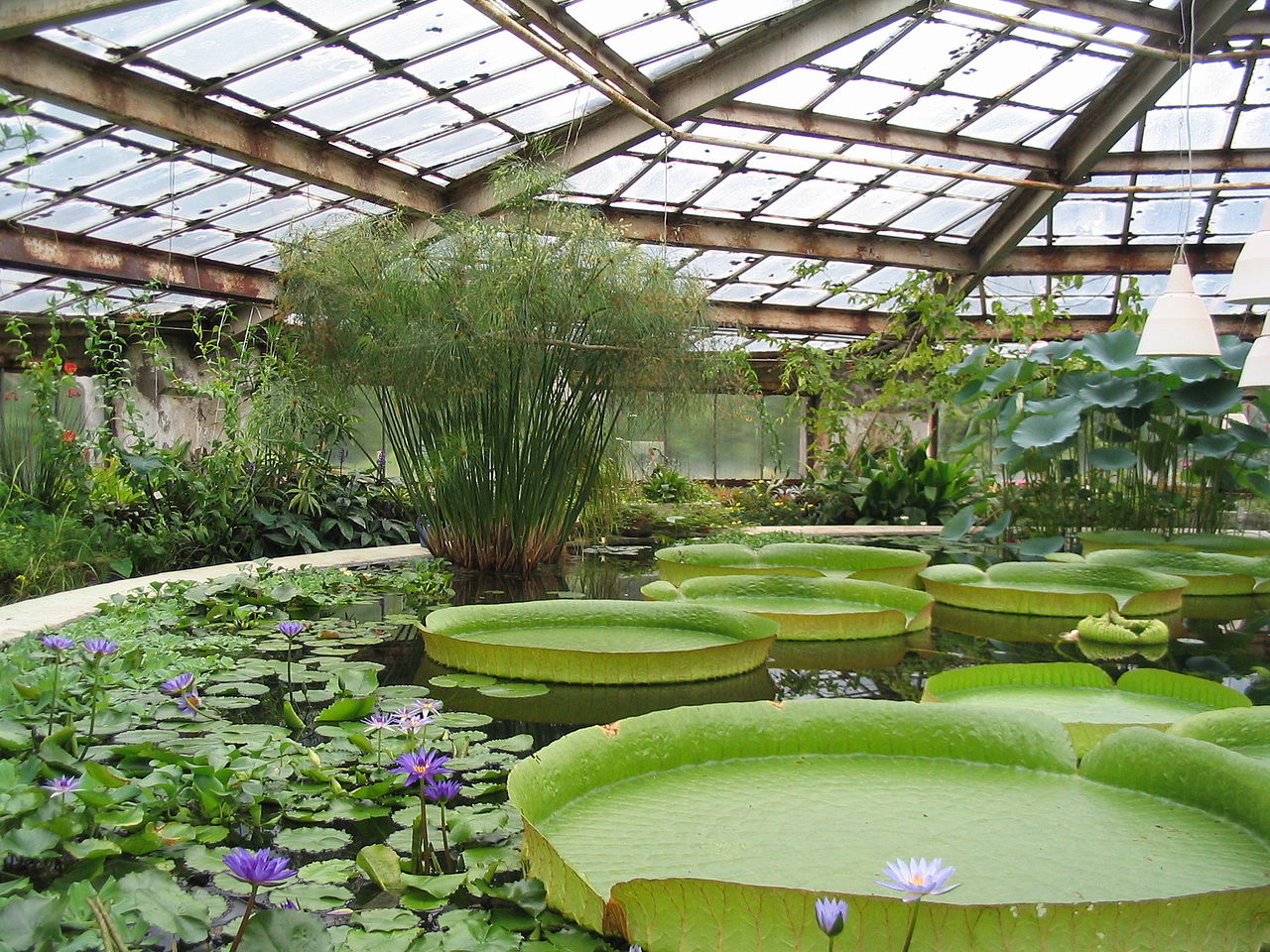
A greenhouse is a structure made of transparent material, such as glass, where plants are grown under controlled conditions. The first greenhouses were built in ancient Rome around 30 AD by the Roman emperor Tiberius, with a vibe score of 60, indicating moderate cultural energy. The modern concept of greenhouses emerged in the 17th century in Europe, with the first practical greenhouse built by Charles II of England in 1670. Today, greenhouses are used for a wide range of purposes, including plant research, food production, and climate regulation, with over 1.5 million greenhouses in operation worldwide, covering an area of approximately 1.2 million hectares. The controversy surrounding greenhouses centers on their energy consumption and potential environmental impact, with some arguing that they contribute to climate change, while others see them as a vital tool for sustainable food production. As the global population is projected to reach 9.7 billion by 2050, the role of greenhouses in ensuring food security will become increasingly important, with some estimates suggesting that greenhouses could increase crop yields by up to 20 times, making them a crucial component of future food systems.
🌿 Introduction to Greenhouses
Greenhouses are structures designed to regulate the temperature and humidity of the environment inside, allowing plants to grow even in cold weather. The concept of greenhouses dates back to ancient civilizations, with the Roman Empire being one of the earliest known users of greenhouses. Today, greenhouses are used for a variety of purposes, including agricultural production, horticultural research, and conservation efforts. Greenhouses can be found in many parts of the world, from small backyard gardens to large commercial farms. The use of greenhouses has become increasingly popular in recent years, with many gardeners and farmers turning to them as a way to extend the growing season and improve crop yields.
🏠 Structure and Design
The structure and design of a greenhouse are critical to its function. A typical greenhouse consists of a frame, walls, and roof, which are covered with transparent materials such as polycarbonate, polyethylene, or glass. The frame is usually made of metal or wood, and the walls and roof are designed to let sunlight in and retain heat. The type of material used for the walls and roof can affect the overall performance of the greenhouse, with some materials being more durable and energy-efficient than others. For example, glass is a popular choice for greenhouses because it is durable and allows for maximum sunlight transmission, but it can be expensive and heavy. In contrast, polyethylene is a more affordable option, but it may not be as durable or long-lasting.
🌸 Types of Greenhouses
There are several types of greenhouses, each with its own unique characteristics and advantages. Some common types of greenhouses include hoop houses, cold frames, and glasshouses. Hoop houses are simple, tunnel-shaped structures that are often used for season extension and crop production. Cold frames are small, box-like structures that are used to protect plants from frost and extend the growing season. Glasshouses are larger, more complex structures that are often used for research and education. Each type of greenhouse has its own set of benefits and drawbacks, and the choice of which one to use will depend on the specific needs and goals of the user.
💡 Materials Used in Greenhouse Construction
The materials used in greenhouse construction are an important consideration. The most common materials used for walls and roofs are polycarbonate, polyethylene, and glass. Polycarbonate is a rigid plastic material that is durable and energy-efficient, but it can be expensive. Polyethylene is a flexible plastic material that is affordable and easy to install, but it may not be as durable or long-lasting. Glass is a popular choice for greenhouses because it is durable and allows for maximum sunlight transmission, but it can be expensive and heavy. Other materials, such as wood and metal, may also be used in greenhouse construction, particularly for the frame and other structural elements.
🌞 How Greenhouses Work
Greenhouses work by trapping sunlight and heat inside the structure, creating a warm and humid environment that is ideal for plant growth. When the inside of a greenhouse is exposed to sunlight, the temperature increases, providing a sheltered environment for plants to grow even in cold weather. The transparent materials used for the walls and roof of the greenhouse allow sunlight to enter, while the frame and other structural elements help to retain heat and maintain a consistent temperature. This allows plants to grow and thrive, even in areas with short growing seasons or harsh weather conditions. For example, greenhouse gardening can be used to grow a variety of crops, including tomatoes, cucumbers, and peppers.
🌻 Benefits of Greenhouses
The benefits of greenhouses are numerous. They allow for year-round production of crops, even in areas with short growing seasons or harsh weather conditions. They also provide a controlled environment for plant growth, which can help to improve crop yields and reduce the risk of disease and pests. Additionally, greenhouses can be used for research and education, providing a unique opportunity for scientists and students to study plant growth and development. For example, University of California has a number of greenhouses that are used for agricultural research and horticultural education.
🌺 Challenges and Limitations
Despite the many benefits of greenhouses, there are also some challenges and limitations to consider. One of the main challenges is the high cost of construction and maintenance, particularly for large commercial greenhouses. Additionally, greenhouses can be energy-intensive, particularly if they are heated or cooled using fossil fuels. This can contribute to climate change and other environmental problems. Furthermore, greenhouses can be vulnerable to weather-related damage, such as high winds and hail, which can be costly to repair. For example, a greenhouse in New York was damaged by a hail storm in 2019, resulting in significant losses for the owner.
🌴 Greenhouses in Different Climates
Greenhouses can be used in a variety of climates, from tropical to temperate to arctic. In warm climates, greenhouses can be used to provide shade and cooler temperatures for plants, while in cold climates, they can be used to provide warmth and protection from frost. For example, greenhouses in Alaska are used to grow a variety of crops, including lettuce and spinach, despite the short growing season and harsh weather conditions. In contrast, greenhouses in Florida are used to grow crops such as tomatoes and cucumbers, which thrive in the warm and humid climate.
📈 Economic Impact of Greenhouses
The economic impact of greenhouses is significant. They provide a source of income for many farmers and gardeners, particularly in areas where the growing season is short or the weather is harsh. Additionally, greenhouses can help to reduce the cost of food production, particularly for crops that are typically imported from other countries. For example, greenhouse-produced crops such as tomatoes and cucumbers can be grown locally, reducing the need for transportation and storage. This can help to support local economies and reduce the carbon footprint of food production.
🌎 Environmental Considerations
The environmental impact of greenhouses is a complex issue. On the one hand, greenhouses can help to reduce the environmental impact of food production, particularly by reducing the need for transportation and storage. Additionally, greenhouses can be used to grow a variety of crops, including organic crops, which can help to promote sustainable agriculture. On the other hand, greenhouses can be energy-intensive, particularly if they are heated or cooled using fossil fuels. This can contribute to climate change and other environmental problems. For example, a study by the University of Michigan found that greenhouses can account for up to 10% of the total energy consumption of a farm.
👥 Greenhouse Management and Maintenance
The management and maintenance of a greenhouse are critical to its success. This includes tasks such as irrigation, pruning, and pest control. Additionally, greenhouses require regular maintenance, including cleaning and repair of the structure and equipment. For example, the greenhouse at Harvard has a team of staff who are responsible for the daily management and maintenance of the greenhouse, including watering and pruning the plants, as well as monitoring the temperature and humidity levels.
🚀 Future of Greenhouses
The future of greenhouses is exciting and rapidly evolving. New technologies, such as LED lighting and hydroponics, are being developed to improve the efficiency and productivity of greenhouses. Additionally, there is a growing trend towards urban agriculture, with many cities and towns investing in greenhouses and other forms of urban agriculture. For example, the city of New York has launched a number of initiatives to promote urban agriculture, including the development of greenhouses and other forms of urban farming.
Key Facts
- Year
- 1670
- Origin
- Ancient Rome
- Category
- Agriculture and Environment
- Type
- Structure
Frequently Asked Questions
What is a greenhouse?
A greenhouse is a structure that is designed to regulate the temperature and humidity of the environment inside, allowing plants to grow even in cold weather. Greenhouses are typically made of transparent materials such as glass or plastic, and are used for a variety of purposes, including agricultural production, horticultural research, and conservation efforts.
What are the benefits of greenhouses?
The benefits of greenhouses are numerous. They allow for year-round production of crops, even in areas with short growing seasons or harsh weather conditions. They also provide a controlled environment for plant growth, which can help to improve crop yields and reduce the risk of disease and pests. Additionally, greenhouses can be used for research and education, providing a unique opportunity for scientists and students to study plant growth and development.
What are the different types of greenhouses?
There are several types of greenhouses, each with its own unique characteristics and advantages. Some common types of greenhouses include hoop houses, cold frames, and glasshouses. Hoop houses are simple, tunnel-shaped structures that are often used for season extension and crop production. Cold frames are small, box-like structures that are used to protect plants from frost and extend the growing season. Glasshouses are larger, more complex structures that are often used for research and education.
What materials are used in greenhouse construction?
The materials used in greenhouse construction are an important consideration. The most common materials used for walls and roofs are polycarbonate, polyethylene, and glass. Polycarbonate is a rigid plastic material that is durable and energy-efficient, but it can be expensive. Polyethylene is a flexible plastic material that is affordable and easy to install, but it may not be as durable or long-lasting. Glass is a popular choice for greenhouses because it is durable and allows for maximum sunlight transmission, but it can be expensive and heavy.
How do greenhouses work?
Greenhouses work by trapping sunlight and heat inside the structure, creating a warm and humid environment that is ideal for plant growth. When the inside of a greenhouse is exposed to sunlight, the temperature increases, providing a sheltered environment for plants to grow even in cold weather. The transparent materials used for the walls and roof of the greenhouse allow sunlight to enter, while the frame and other structural elements help to retain heat and maintain a consistent temperature.
What is the economic impact of greenhouses?
The economic impact of greenhouses is significant. They provide a source of income for many farmers and gardeners, particularly in areas where the growing season is short or the weather is harsh. Additionally, greenhouses can help to reduce the cost of food production, particularly for crops that are typically imported from other countries. For example, greenhouse-produced crops such as tomatoes and cucumbers can be grown locally, reducing the need for transportation and storage.
What is the environmental impact of greenhouses?
The environmental impact of greenhouses is a complex issue. On the one hand, greenhouses can help to reduce the environmental impact of food production, particularly by reducing the need for transportation and storage. Additionally, greenhouses can be used to grow a variety of crops, including organic crops, which can help to promote sustainable agriculture. On the other hand, greenhouses can be energy-intensive, particularly if they are heated or cooled using fossil fuels. This can contribute to climate change and other environmental problems.