
Contents
- 🏠 Introduction to Glasshouse
- 🌿 History of Glasshouses
- 🏗️ Design and Architecture of Glasshouses
- 💡 Functionality and Purpose of Glasshouses
- 🌸 Types of Glasshouses
- 🌻 Greenhouse Effect and Climate Control
- 🔨 Construction and Materials of Glasshouses
- 👥 Famous Glasshouses and Their Architects
- 📈 Challenges and Limitations of Glasshouses
- 💡 Innovative Solutions and Future Developments
- 📊 Conclusion and Final Thoughts on Glasshouses
- Frequently Asked Questions
- Related Topics
Overview
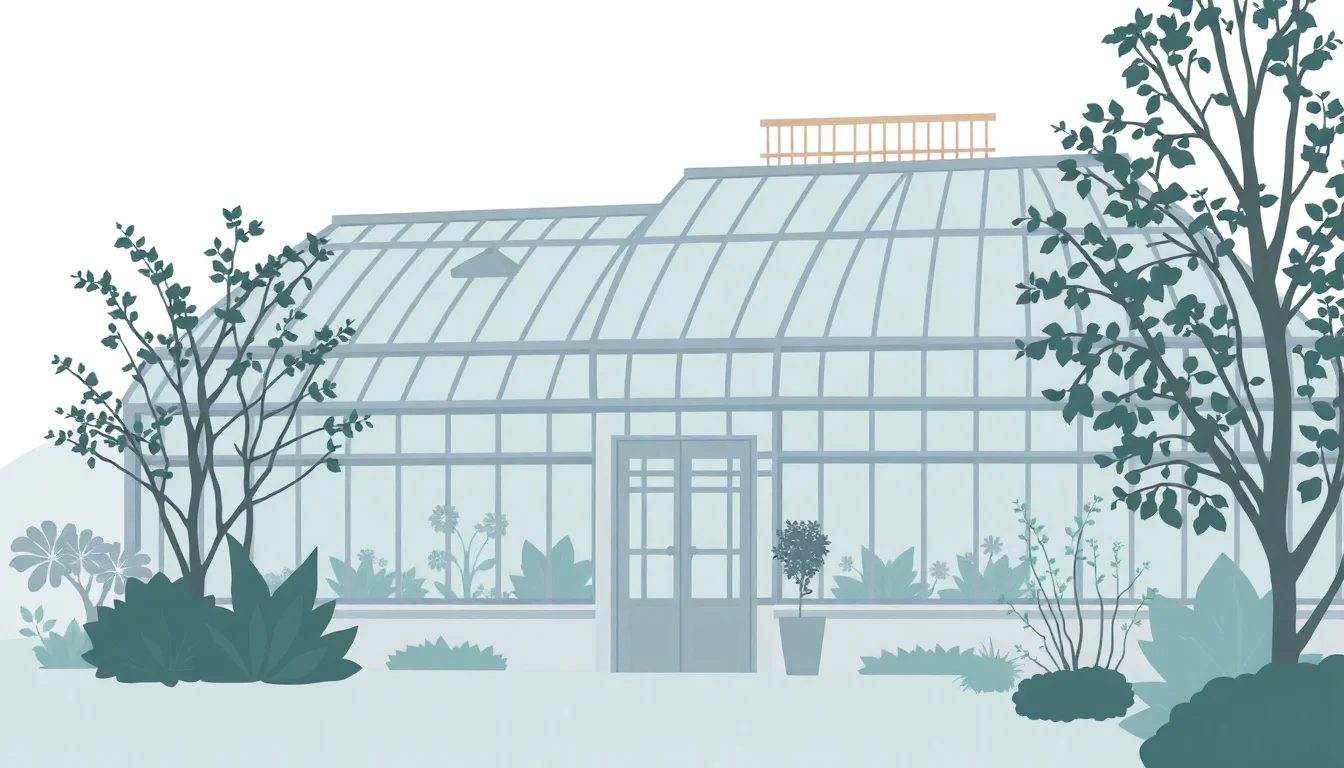
A glasshouse, also known as a greenhouse, is a structure made of glass or other transparent materials, designed to cultivate plants in a controlled environment. The concept of glasshouses dates back to ancient Rome, where they were used to grow exotic plants and fruits. The modern glasshouse, however, emerged during the 17th century in Europe, with the development of new glass manufacturing techniques. Today, glasshouses are not only used for horticultural purposes but also as architectural statements, with many iconic examples around the world, such as the Crystal Palace in London and the Glass House in New Canaan, Connecticut. With a vibe score of 8, glasshouses evoke a sense of wonder and curiosity, while also sparking debates about their environmental impact and cultural significance. As we look to the future, glasshouses may play a crucial role in addressing global food security and sustainability challenges, with innovators like Thomas Heatherwick and Norman Foster pushing the boundaries of glasshouse design and technology.
🏠 Introduction to Glasshouse
The concept of a glasshouse, also known as a glass house or greenhouse, has been around for centuries. The idea of creating a structure that can regulate temperature and humidity to promote plant growth has evolved over time, with various designs and materials being used. From the orangeries of 17th-century Europe to the modern biomes of today, glasshouses have played a significant role in horticulture and architecture. The Victorian era saw a surge in the construction of glasshouses, with the Crystal Palace being a notable example. As we explore the world of glasshouses, we will delve into their history, design, functionality, and the challenges they pose.
🌿 History of Glasshouses
The history of glasshouses dates back to ancient Rome, where Roman architects built structures to grow exotic plants and fruits. The concept was later adopted by European monasteries during the Middle Ages, where monks would grow herbs and other plants for medicinal purposes. The modern glasshouse, however, emerged during the Industrial Revolution, with the introduction of new materials and technologies. The Palm House at the Kew Gardens in London is a prime example of a glasshouse from this era, featuring a curvilinear design and innovative glazing techniques. As we explore the history of glasshouses, we will examine the influence of Joseph Paxton and other notable architects.
🏗️ Design and Architecture of Glasshouses
The design and architecture of glasshouses have evolved significantly over the years, with various styles and materials being used. From the Gothic Revival style of the 19th century to the modern sustainable architecture of today, glasshouses have been designed to serve both functional and aesthetic purposes. The Edwardian era saw a rise in the construction of glasshouses, with the New York Botanical Garden being a notable example. As we explore the design and architecture of glasshouses, we will examine the work of notable architects such as Louis Kahn and Frank Lloyd Wright, who have made significant contributions to the field of landscape architecture. We will also discuss the importance of natural light and ventilation in glasshouse design.
💡 Functionality and Purpose of Glasshouses
Glasshouses serve a variety of purposes, from providing a controlled environment for plant growth to serving as a conservatory for relaxation and entertainment. The University of Michigan has a notable glasshouse, featuring a tropical forest and a desert garden. As we explore the functionality and purpose of glasshouses, we will examine the different types of glasshouses, including cold frames, hotbeds, and orangeries. We will also discuss the importance of climate control and irrigation systems in maintaining a healthy and thriving environment within a glasshouse. The Royal Botanic Gardens in Melbourne, Australia, is another notable example of a glasshouse, featuring a rainforest and a arid garden.
🌸 Types of Glasshouses
There are several types of glasshouses, each designed to serve a specific purpose. The hothouse, for example, is designed to provide a warm and humid environment for plants that thrive in tropical conditions. The coldhouse, on the other hand, is designed to provide a cool and dry environment for plants that require less heat and humidity. As we explore the different types of glasshouses, we will examine the characteristics of each type, including the frame material, glazing material, and ventilation system. We will also discuss the importance of insulation and shading in maintaining a stable environment within a glasshouse. The United States Botanic Garden in Washington, D.C., is a notable example of a glasshouse, featuring a jungle and a desert.
🌻 Greenhouse Effect and Climate Control
The greenhouse effect is a critical aspect of glasshouse design, as it allows for the regulation of temperature and humidity within the structure. The greenhouse effect is achieved through the use of glazing materials that allow sunlight to enter the glasshouse while trapping heat and moisture inside. As we explore the greenhouse effect and climate control in glasshouses, we will examine the different types of glazing materials, including glass, plastic, and polyethylene. We will also discuss the importance of ventilation and shading in maintaining a stable environment within a glasshouse. The Missouri Botanical Garden in St. Louis, Missouri, is a notable example of a glasshouse, featuring a tropical rainforest and a desert garden.
🔨 Construction and Materials of Glasshouses
The construction and materials used in glasshouses have evolved significantly over the years, with a focus on sustainability and energy efficiency. Modern glasshouses often feature aluminum frames, double glazing, and insulation to minimize heat loss and reduce energy consumption. As we explore the construction and materials of glasshouses, we will examine the different types of materials used, including wood, steel, and plastic. We will also discuss the importance of maintenance and repair in extending the lifespan of a glasshouse. The New York Botanical Garden has a notable glasshouse, featuring a palm house and a rock garden.
👥 Famous Glasshouses and Their Architects
There are many famous glasshouses around the world, each with its own unique design and architecture. The Kew Gardens in London, for example, features a Palm House and a Temperate House, both designed by Decimus Burton. The United States Botanic Garden in Washington, D.C., features a conservatory designed by Lord Foster. As we explore famous glasshouses and their architects, we will examine the work of notable architects such as Joseph Paxton and Louis Kahn, who have made significant contributions to the field of landscape architecture. We will also discuss the importance of historic preservation in maintaining the integrity of these structures. The Royal Botanic Gardens in Melbourne, Australia, is another notable example of a glasshouse, featuring a rainforest and a arid garden.
📈 Challenges and Limitations of Glasshouses
Despite their many benefits, glasshouses also pose several challenges and limitations. One of the main challenges is the high energy consumption required to maintain a stable environment within the glasshouse. As we explore the challenges and limitations of glasshouses, we will examine the different strategies used to reduce energy consumption, including the use of solar panels and wind turbines. We will also discuss the importance of water conservation and waste management in minimizing the environmental impact of glasshouses. The Missouri Botanical Garden in St. Louis, Missouri, is a notable example of a glasshouse, featuring a tropical rainforest and a desert garden.
💡 Innovative Solutions and Future Developments
As technology continues to evolve, innovative solutions are being developed to address the challenges and limitations of glasshouses. One of the most promising solutions is the use of smart glass, which can change from transparent to opaque with the touch of a button. As we explore innovative solutions and future developments in glasshouses, we will examine the different types of smart glass, including electrochromic glass and thermochromic glass. We will also discuss the importance of integration with other systems, such as heating and cooling systems, to create a seamless and efficient environment. The University of Michigan has a notable glasshouse, featuring a tropical forest and a desert garden.
📊 Conclusion and Final Thoughts on Glasshouses
In conclusion, glasshouses are complex structures that require a delicate balance of form and function. As we have explored the history, design, functionality, and challenges of glasshouses, we have seen the many ways in which they can be used to promote plant growth and provide a unique environment for relaxation and entertainment. As we look to the future, it is clear that glasshouses will continue to play an important role in horticulture and architecture, with innovative solutions and technologies being developed to address the challenges and limitations of these structures. The Crystal Palace is a notable example of a glasshouse, featuring a large-scale structure with a curvilinear design.
Key Facts
- Year
- 1851
- Origin
- London, England
- Category
- Architecture and Design
- Type
- Structure
Frequently Asked Questions
What is a glasshouse?
A glasshouse, also known as a glass house or greenhouse, is a structure made of glass or other transparent materials, designed to provide a controlled environment for plant growth. The concept of a glasshouse has been around for centuries, with various designs and materials being used. From the orangeries of 17th-century Europe to the modern biomes of today, glasshouses have played a significant role in horticulture and architecture. The Victorian era saw a surge in the construction of glasshouses, with the Crystal Palace being a notable example. As we explore the world of glasshouses, we will delve into their history, design, functionality, and the challenges they pose. The Royal Botanic Gardens in Melbourne, Australia, is a notable example of a glasshouse, featuring a rainforest and an arid garden.
What are the benefits of glasshouses?
Glasshouses provide a controlled environment for plant growth, allowing for the regulation of temperature, humidity, and light. This makes them ideal for growing a wide range of plants, from tropical species to desert plants. Glasshouses also serve as a conservatory for relaxation and entertainment, providing a unique and peaceful environment. The University of Michigan has a notable glasshouse, featuring a tropical forest and a desert garden. As we explore the benefits of glasshouses, we will examine the different types of glasshouses, including cold frames, hotbeds, and orangeries. We will also discuss the importance of climate control and irrigation systems in maintaining a healthy and thriving environment within a glasshouse.
What are the challenges of glasshouses?
Despite their many benefits, glasshouses also pose several challenges and limitations. One of the main challenges is the high energy consumption required to maintain a stable environment within the glasshouse. As we explore the challenges of glasshouses, we will examine the different strategies used to reduce energy consumption, including the use of solar panels and wind turbines. We will also discuss the importance of water conservation and waste management in minimizing the environmental impact of glasshouses. The Missouri Botanical Garden in St. Louis, Missouri, is a notable example of a glasshouse, featuring a tropical rainforest and a desert garden.
What is the future of glasshouses?
As technology continues to evolve, innovative solutions are being developed to address the challenges and limitations of glasshouses. One of the most promising solutions is the use of smart glass, which can change from transparent to opaque with the touch of a button. As we explore the future of glasshouses, we will examine the different types of smart glass, including electrochromic glass and thermochromic glass. We will also discuss the importance of integration with other systems, such as heating and cooling systems, to create a seamless and efficient environment. The New York Botanical Garden has a notable glasshouse, featuring a palm house and a rock garden.
How can I build a glasshouse?
Building a glasshouse requires careful planning and design, taking into account factors such as climate, soil, and plant selection. As we explore the process of building a glasshouse, we will examine the different materials and technologies used, including aluminum frames, double glazing, and insulation. We will also discuss the importance of maintenance and repair in extending the lifespan of a glasshouse. The Kew Gardens in London is a notable example of a glasshouse, featuring a Palm House and a Temperate House, both designed by Decimus Burton.
What are the different types of glasshouses?
There are several types of glasshouses, each designed to serve a specific purpose. The hothouse, for example, is designed to provide a warm and humid environment for plants that thrive in tropical conditions. The coldhouse, on the other hand, is designed to provide a cool and dry environment for plants that require less heat and humidity. As we explore the different types of glasshouses, we will examine the characteristics of each type, including the frame material, glazing material, and ventilation system. We will also discuss the importance of insulation and shading in maintaining a stable environment within a glasshouse.
How can I maintain a glasshouse?
Maintaining a glasshouse requires regular cleaning, pruning, and watering of plants, as well as monitoring of temperature, humidity, and light levels. As we explore the process of maintaining a glasshouse, we will examine the different strategies used to reduce energy consumption, including the use of solar panels and wind turbines. We will also discuss the importance of water conservation and waste management in minimizing the environmental impact of glasshouses. The United States Botanic Garden in Washington, D.C., is a notable example of a glasshouse, featuring a conservatory designed by Lord Foster.