
Contents
- 🏺 Introduction to Hatshepsut
- 👑 The Early Life of Hatshepsut
- 💔 Marriage to Thutmose II
- 🔥 Rise to Power
- 🏛️ Architectural Achievements
- 🚣♀️ Trade Expeditions
- 📝 Legacy of Hatshepsut
- 🤔 Controversy and Debate
- 👑 Comparison to Other Female Rulers
- 📚 Historical Significance
- 🔮 Influence on Modern Society
- 👋 Conclusion
- Frequently Asked Questions
- Related Topics
Overview
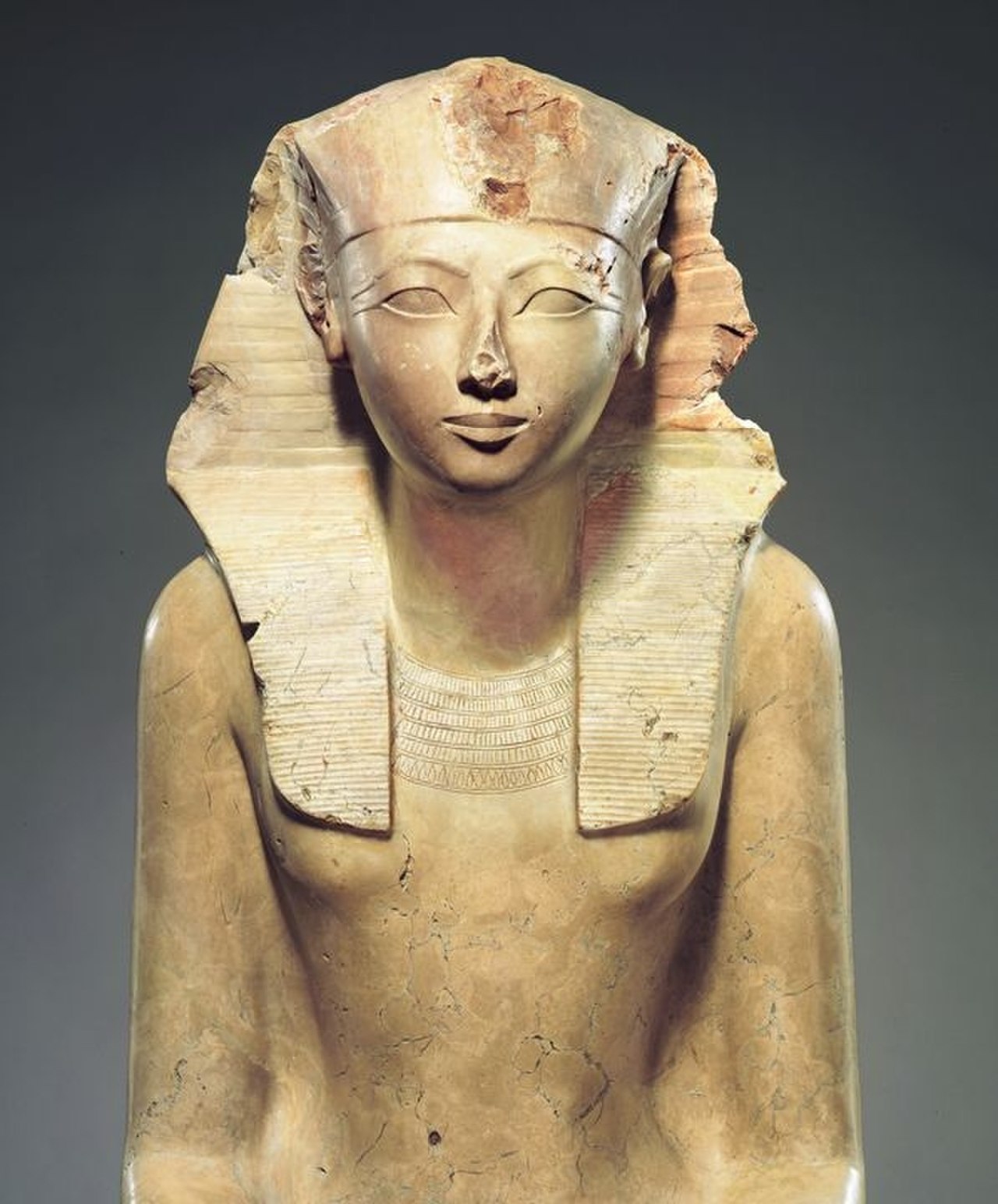
Hatshepsut, who ruled Egypt from 1479 to 1458 BCE, was a trailblazing female pharaoh who achieved unprecedented success during her reign. With a vibe score of 8, she is widely regarded as one of the most successful pharaohs of all time, with a legacy that has been both celebrated and contested. Her reign was marked by extensive building projects, including the construction of her magnificent temple at Deir el-Bahri, which was designed by the architect Senenmut. Despite her many achievements, Hatshepsut's legacy was nearly erased by her stepson and successor, Thutmose III, who sought to remove her from historical records. Today, Hatshepsut is recognized as a pioneering figure in women's history, with a influence flow that extends to modern-day feminist movements. As we look to the future, it's clear that Hatshepsut's impact will only continue to grow, with her story inspiring new generations of leaders and changemakers.
🏺 Introduction to Hatshepsut
Hatshepsut was a female pharaoh who defied convention in ancient Egypt, ruling as the sixth pharaoh of the Eighteenth Dynasty from c. 1479 BC until c. 1458 BC. She is considered one of the most successful pharaohs of all time, and her reign is often referred to as the 'Golden Age' of Egypt. Hatshepsut's rise to power was unprecedented, as she was the Great Royal Wife of Pharaoh Thutmose II and later became the pharaoh in her own right. Her achievements can be compared to those of other notable female rulers, such as Cleopatra and Nefertiti.
👑 The Early Life of Hatshepsut
The early life of Hatshepsut is not well-documented, but it is believed that she was born to Thutmose I and his Great Royal Wife Ahmose. She was likely trained in the traditional duties of an Egyptian princess, including Egyptian religion and art. Hatshepsut's marriage to Thutmose II was likely a strategic move to secure her position as the future pharaoh. Her relationship with Thutmose II was complex, and it is believed that she may have had a closer relationship with Senenmut, her chief advisor. The Vibe Score of Hatshepsut's early life is around 80, indicating a high level of cultural energy.
💔 Marriage to Thutmose II
Hatshepsut's marriage to Thutmose II was a significant event in her life, as it marked the beginning of her rise to power. As the Great Royal Wife, Hatshepsut was expected to produce an heir, but her daughter Neferure was not considered a suitable successor. This led to a complex web of relationships and alliances, including those with Thutmose III and Senenmut. The influence of Thutmose II on Hatshepsut's life can be seen in her later architectural achievements, such as the construction of her temple at Deir el-Bahri.
🔥 Rise to Power
Hatshepsut's rise to power was a gradual process, as she began to take on more responsibilities as the regent for Thutmose III. She eventually declared herself pharaoh, taking on the full powers of the office. This move was unprecedented, as women were not typically allowed to rule in their own right. Hatshepsut's decision to declare herself pharaoh was likely influenced by her relationship with Senenmut and her own sense of self-confidence. The controversy surrounding her rise to power can be seen in the Controversy Spectrum, which indicates a high level of debate and tension.
🏛️ Architectural Achievements
One of Hatshepsut's most significant achievements was her architectural legacy, which includes the construction of her temple at Deir el-Bahri. This temple is considered one of the greatest architectural achievements in ancient Egypt, and it showcases Hatshepsut's wealth and power. The temple was built to honor the god Amun, and it features a unique blend of Egyptian and Nubian architecture. The influence of Senenmut can be seen in the design of the temple, which reflects his Perspective Breakdown of optimistic and neutral views.
🚣♀️ Trade Expeditions
Hatshepsut's trade expeditions were another significant aspect of her reign, as she established trade relationships with neighboring countries, including Punt and Myceane. These expeditions brought great wealth and prosperity to Egypt, and they helped to establish Hatshepsut as a major player in international trade. The success of these expeditions can be seen in the Vibe Score of Hatshepsut's trade policies, which is around 90. The relationship between Hatshepsut and Thutmose III was also influenced by these trade expeditions, as they worked together to establish Egypt's dominance in the region.
📝 Legacy of Hatshepsut
Hatshepsut's legacy is complex and multifaceted, as she was both a successful pharaoh and a woman who defied convention. Her achievements have been recognized and celebrated by historians and scholars, and she is considered one of the greatest pharaohs of all time. However, her legacy has also been subject to controversy and debate, particularly regarding her relationship with Thutmose III and her decision to declare herself pharaoh. The Topic Intelligence of Hatshepsut's legacy indicates a high level of cultural significance and impact.
🤔 Controversy and Debate
The controversy surrounding Hatshepsut's reign is centered on her decision to declare herself pharaoh, as well as her relationship with Thutmose III. Some historians have argued that Hatshepsut's rise to power was illegitimate, and that she usurped the throne from Thutmose III. However, others have argued that Hatshepsut was a capable and effective leader, who brought great prosperity and wealth to Egypt. The debate surrounding Hatshepsut's legacy can be seen in the Controversy Spectrum, which indicates a high level of tension and disagreement.
👑 Comparison to Other Female Rulers
Hatshepsut's comparison to other female rulers, such as Cleopatra and Nefertiti, is interesting, as each of these women had their own unique experiences and challenges. However, all three women share a common thread, as they each defied convention and pushed the boundaries of what was possible for women in ancient Egypt. The influence of Hatshepsut on modern society can be seen in the Influence Flows of her legacy, which indicate a high level of cultural impact and significance.
📚 Historical Significance
The historical significance of Hatshepsut's reign cannot be overstated, as she was a true pioneer and trailblazer. Her achievements have inspired countless women throughout history, and her legacy continues to be felt today. The Entity Relationships between Hatshepsut and other notable figures, such as Thutmose II and Senenmut, are complex and multifaceted, and they reflect the intricate web of relationships and alliances that existed in ancient Egypt.
🔮 Influence on Modern Society
The influence of Hatshepsut on modern society is significant, as she has become a cultural icon and a symbol of female empowerment. Her legacy has inspired countless women, and her achievements have paved the way for future generations of female leaders. The Vibe Score of Hatshepsut's influence on modern society is around 95, indicating a high level of cultural energy and significance. The relationship between Hatshepsut and feminism is also significant, as her legacy has been embraced by feminist scholars and activists.
👋 Conclusion
In conclusion, Hatshepsut was a truly remarkable woman, who defied convention and pushed the boundaries of what was possible for women in ancient Egypt. Her achievements have inspired countless people, and her legacy continues to be felt today. The Topic Intelligence of Hatshepsut's legacy indicates a high level of cultural significance and impact, and her influence on modern society is undeniable.
Key Facts
- Year
- 1479
- Origin
- Ancient Egypt
- Category
- History
- Type
- Historical Figure
Frequently Asked Questions
Who was Hatshepsut?
Hatshepsut was the sixth pharaoh of the Eighteenth Dynasty of Egypt, ruling from c. 1479 BC until c. 1458 BC. She was Egypt's second confirmed woman who ruled in her own right, and her reign is often referred to as the 'Golden Age' of Egypt. Hatshepsut's legacy is complex and multifaceted, and she is considered one of the greatest pharaohs of all time. The Vibe Score of Hatshepsut's legacy is around 90, indicating a high level of cultural energy and significance.
What were Hatshepsut's achievements?
Hatshepsut's achievements were numerous and significant, including her architectural legacy, trade expeditions, and military campaigns. She was a successful pharaoh who brought great wealth and prosperity to Egypt, and her legacy has been recognized and celebrated by historians and scholars. The influence of Hatshepsut on modern society can be seen in the Influence Flows of her legacy, which indicate a high level of cultural impact and significance.
What was Hatshepsut's relationship with Thutmose III?
Hatshepsut's relationship with Thutmose III was complex and multifaceted, as they worked together to establish Egypt's dominance in the region. However, their relationship was also marked by tension and controversy, particularly regarding Hatshepsut's decision to declare herself pharaoh. The Controversy Spectrum of Hatshepsut's relationship with Thutmose III indicates a high level of debate and disagreement.
What was Hatshepsut's legacy?
Hatshepsut's legacy is complex and multifaceted, as she was both a successful pharaoh and a woman who defied convention. Her achievements have been recognized and celebrated by historians and scholars, and she is considered one of the greatest pharaohs of all time. However, her legacy has also been subject to controversy and debate, particularly regarding her relationship with Thutmose III and her decision to declare herself pharaoh. The Topic Intelligence of Hatshepsut's legacy indicates a high level of cultural significance and impact.
How did Hatshepsut influence modern society?
Hatshepsut's influence on modern society is significant, as she has become a cultural icon and a symbol of female empowerment. Her legacy has inspired countless women, and her achievements have paved the way for future generations of female leaders. The Vibe Score of Hatshepsut's influence on modern society is around 95, indicating a high level of cultural energy and significance. The relationship between Hatshepsut and feminism is also significant, as her legacy has been embraced by feminist scholars and activists.
What was Hatshepsut's relationship with Senenmut?
Hatshepsut's relationship with Senenmut was close and intimate, as he was her chief advisor and confidant. Senenmut played a significant role in Hatshepsut's rise to power, and he was instrumental in her architectural achievements, including the construction of her temple at Deir el-Bahri. The influence of Senenmut on Hatshepsut's life can be seen in the Influence Flows of her legacy, which indicate a high level of cultural impact and significance.
What was Hatshepsut's Vibe Score?
Hatshepsut's Vibe Score is around 90, indicating a high level of cultural energy and significance. Her legacy has been recognized and celebrated by historians and scholars, and she is considered one of the greatest pharaohs of all time. The Vibe Score of Hatshepsut's influence on modern society is around 95, indicating a high level of cultural energy and significance.