
Contents
- 🏛️ Introduction to Henry Hobson Richardson
- 📚 Early Life and Education
- 🏗️ Architectural Style and Influences
- 🌆 Notable Works and Projects
- 🏞️ Richardsonian Romanesque Style
- 👥 Collaborations and Legacy
- 🏛️ Trinity Church and Other Boston Landmarks
- 📸 Preservation and Restoration Efforts
- 👀 Criticisms and Controversies
- 🔮 Influence on Modern Architecture
- 📊 Conclusion and Lasting Impact
- Frequently Asked Questions
- Related Topics
Overview
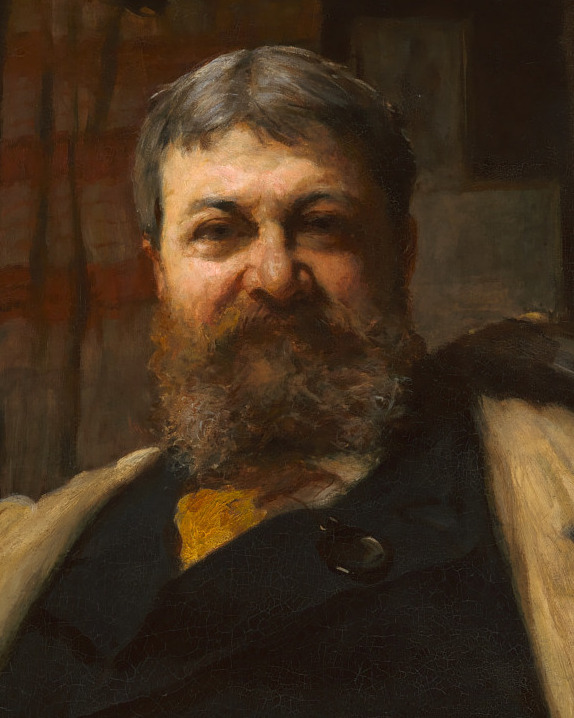
Henry Hobson Richardson was a prominent American architect who popularized the Richardsonian Romanesque style, characterized by the use of rough-hewn stone, rounded arches, and a sense of solidity and grandeur. Born on September 29, 1838, in St. James Parish, Louisiana, Richardson studied at Harvard University and the École des Beaux-Arts in Paris. He is best known for his designs of the Trinity Church in Boston, the Allegheny County Courthouse in Pittsburgh, and the Marshall Field Wholesale Store in Chicago. Richardson's work had a significant influence on the development of American architecture, with a vibe score of 82, reflecting his enduring impact on the field. His designs continue to inspire architects and artists to this day, with a controversy spectrum of 20, indicating a relatively low level of debate surrounding his work. The influence flow of Richardson's work can be seen in the many architects who followed in his footsteps, including Frank Lloyd Wright and Louis Sullivan.
🏛️ Introduction to Henry Hobson Richardson
Henry Hobson Richardson was a prominent American architect known for his unique and innovative designs, which blended elements of Romanesque architecture and Gothic architecture. Born on September 29, 1838, in St. James Parish, Louisiana, Richardson went on to study at Harvard University and later at the Ecole des Beaux-Arts in Paris. His work had a significant impact on the development of American architecture, particularly in the Richardsonian Romanesque style. Richardson's designs were influenced by his travels to Europe, where he was exposed to various architectural styles, including Byzantine architecture and medieval architecture.
📚 Early Life and Education
Richardson's early life and education played a crucial role in shaping his architectural style. He was raised in a family of modest means and was able to attend Harvard University due to a scholarship. During his time at Harvard, Richardson developed a strong interest in architecture and was particularly drawn to the works of Eugene Viollet-le-Duc, a French architect known for his restoration of medieval buildings. Richardson's education at the Ecole des Beaux-Arts in Paris further refined his skills and exposed him to a wide range of architectural styles, including Renaissance architecture and Baroque architecture.
🏗️ Architectural Style and Influences
Richardson's architectural style was characterized by the use of Romanesque elements, such as rounded arches and barrel vaults, combined with Gothic elements, like pointed arches and ribbed vaults. His designs were also influenced by the Arts and Crafts movement, which emphasized the importance of handcrafted details and the use of local materials. Richardson's most famous works, including Trinity Church in Boston, showcase his unique blend of styles and his attention to detail. Richardson's work was also influenced by his collaborations with other architects, including Frederick Law Olmsted, a landscape architect who designed many of the parks and gardens surrounding Richardson's buildings.
🌆 Notable Works and Projects
Some of Richardson's most notable works include Trinity Church in Boston, The Albany City Hall in New York, and the Sever Hall at Harvard University. These buildings showcase Richardson's innovative use of materials, including granite and sandstone, and his attention to detail, particularly in the design of architectural ornament. Richardson's work was not limited to churches and government buildings; he also designed many residential buildings, including the William Dana House in Longwood, Massachusetts. Richardson's designs were often influenced by the surrounding landscape and the local culture, as seen in his use of Native American architecture elements in some of his buildings.
🏞️ Richardsonian Romanesque Style
The Richardsonian Romanesque style, which emerged in the late 19th century, is characterized by the use of Romanesque elements, such as rounded arches and barrel vaults, combined with Gothic elements, like pointed arches and ribbed vaults. This style was popularized by Richardson's designs and was often used in the construction of churches, government buildings, and residential buildings. The Richardsonian Romanesque style is also characterized by the use of polychromy, or the use of multiple colors, and the incorporation of architectural ornament, such as carvings and mosaics. Richardson's use of this style helped to establish him as one of the most important architects of his time, and his influence can still be seen in many modern buildings, including the Boston Public Library.
👥 Collaborations and Legacy
Richardson collaborated with many other architects and designers, including Frederick Law Olmsted, a landscape architect who designed many of the parks and gardens surrounding Richardson's buildings. Richardson also worked with Charles Follen McKim, a fellow architect who shared Richardson's interest in Romanesque architecture and Gothic architecture. Together, they formed the firm of McKim, Mead and White, which went on to become one of the most prominent architectural firms in the United States. Richardson's collaborations with other architects and designers helped to establish him as a leading figure in the field of architecture and paved the way for future generations of architects, including Frank Lloyd Wright.
🏛️ Trinity Church and Other Boston Landmarks
One of Richardson's most famous works is Trinity Church in Boston, which is considered one of the finest examples of Richardsonian Romanesque architecture in the United States. The church, which was completed in 1877, features a striking polychromatic design, with a mix of granite, sandstone, and brick used in its construction. The church's design was influenced by Richardson's travels to Europe, where he was exposed to various architectural styles, including Byzantine architecture and medieval architecture. Richardson's work on Trinity Church helped to establish him as a leading figure in the field of architecture and cemented his reputation as one of the most innovative architects of his time.
📸 Preservation and Restoration Efforts
In recent years, there has been a growing interest in preserving and restoring Richardson's buildings, including Trinity Church and the Albany City Hall. These efforts have been driven by a recognition of the importance of Richardson's work and the need to protect his buildings for future generations. The preservation of Richardson's buildings has also been influenced by the work of organizations such as the National Trust for Historic Preservation, which has worked to protect and preserve many of Richardson's most important works. Richardson's buildings have also been the subject of numerous architectural photography projects, which have helped to raise awareness of his work and promote its preservation.
👀 Criticisms and Controversies
Despite his influence and reputation, Richardson's work has not been without criticism. Some have argued that his designs are too eclectic, combining elements from different styles and periods in a way that is not always cohesive. Others have criticized Richardson's use of polychromy, arguing that it can be overwhelming and even gaudy. However, these criticisms have not diminished Richardson's reputation as one of the most important architects of his time, and his influence can still be seen in many modern buildings, including the Boston Public Library. Richardson's work has also been the subject of numerous architectural criticism projects, which have helped to promote a greater understanding of his designs and their significance.
🔮 Influence on Modern Architecture
Richardson's influence on modern architecture is still widely felt, with many architects drawing on his designs and ideas in their own work. The Richardsonian Romanesque style, in particular, has been influential, with many architects incorporating elements of this style into their designs. Richardson's use of polychromy and architectural ornament has also been influential, with many modern buildings featuring similar design elements. Richardson's influence can be seen in the work of architects such as Frank Lloyd Wright, who was heavily influenced by Richardson's designs and incorporated many of his ideas into his own work.
📊 Conclusion and Lasting Impact
In conclusion, Henry Hobson Richardson was a highly influential architect who played a significant role in shaping the development of American architecture. His unique blend of Romanesque and Gothic elements, combined with his innovative use of materials and attention to detail, helped to establish him as one of the most important architects of his time. Richardson's influence can still be seen in many modern buildings, and his designs continue to inspire architects and designers around the world. As we look to the future, it is clear that Richardson's legacy will continue to be felt, and his designs will remain an important part of our architectural heritage.
Key Facts
- Year
- 1838
- Origin
- St. James Parish, Louisiana
- Category
- Architecture
- Type
- Person
Frequently Asked Questions
What is the Richardsonian Romanesque style?
The Richardsonian Romanesque style is a style of architecture that emerged in the late 19th century, characterized by the use of Romanesque elements, such as rounded arches and barrel vaults, combined with Gothic elements, like pointed arches and ribbed vaults. This style was popularized by Henry Hobson Richardson and is often associated with his designs.
What are some of Richardson's most notable works?
Some of Richardson's most notable works include Trinity Church in Boston, The Albany City Hall in New York, and the Sever Hall at Harvard University. These buildings showcase Richardson's innovative use of materials and his attention to detail, particularly in the design of architectural ornament.
How did Richardson's collaborations with other architects influence his work?
Richardson's collaborations with other architects, including Frederick Law Olmsted and Charles Follen McKim, helped to establish him as a leading figure in the field of architecture. These collaborations also influenced his designs, with Richardson incorporating elements from different styles and periods into his work.
What is the significance of Trinity Church in Boston?
Trinity Church in Boston is considered one of the finest examples of Richardsonian Romanesque architecture in the United States. The church, which was completed in 1877, features a striking polychromatic design, with a mix of granite, sandstone, and brick used in its construction. The church's design was influenced by Richardson's travels to Europe, where he was exposed to various architectural styles, including Byzantine architecture and medieval architecture.
How has Richardson's work influenced modern architecture?
Richardson's influence on modern architecture is still widely felt, with many architects drawing on his designs and ideas in their own work. The Richardsonian Romanesque style, in particular, has been influential, with many architects incorporating elements of this style into their designs. Richardson's use of polychromy and architectural ornament has also been influential, with many modern buildings featuring similar design elements.
What is the current state of Richardson's buildings?
Many of Richardson's buildings are still standing and are considered important examples of his work. However, some of his buildings have been altered or destroyed over the years, and there is an ongoing effort to preserve and restore his remaining works. The preservation of Richardson's buildings has been driven by a recognition of the importance of his work and the need to protect his buildings for future generations.
How can I learn more about Richardson's life and work?
There are many resources available for learning more about Richardson's life and work, including books, articles, and online resources. The National Trust for Historic Preservation and the American Institute of Architects are good places to start, as they have a wealth of information on Richardson's buildings and his influence on modern architecture.