
Contents
- 🌿 Introduction to Hormones
- 🧬 The Biology of Hormone Signaling
- 🔬 Hormone Regulation and Feedback Loops
- 👥 The Role of Hormones in Development and Growth
- 🤝 Hormonal Interactions and Synergies
- 📊 The Impact of Hormones on Behavior and Cognition
- 🚨 Hormonal Imbalances and Disorders
- 💡 The Future of Hormone Research and Therapy
- 📊 Hormone-Related Diseases and Conditions
- 👩🔬 Hormone Research and Clinical Applications
- 🌎 The Evolutionary History of Hormones
- Frequently Asked Questions
- Related Topics
Overview
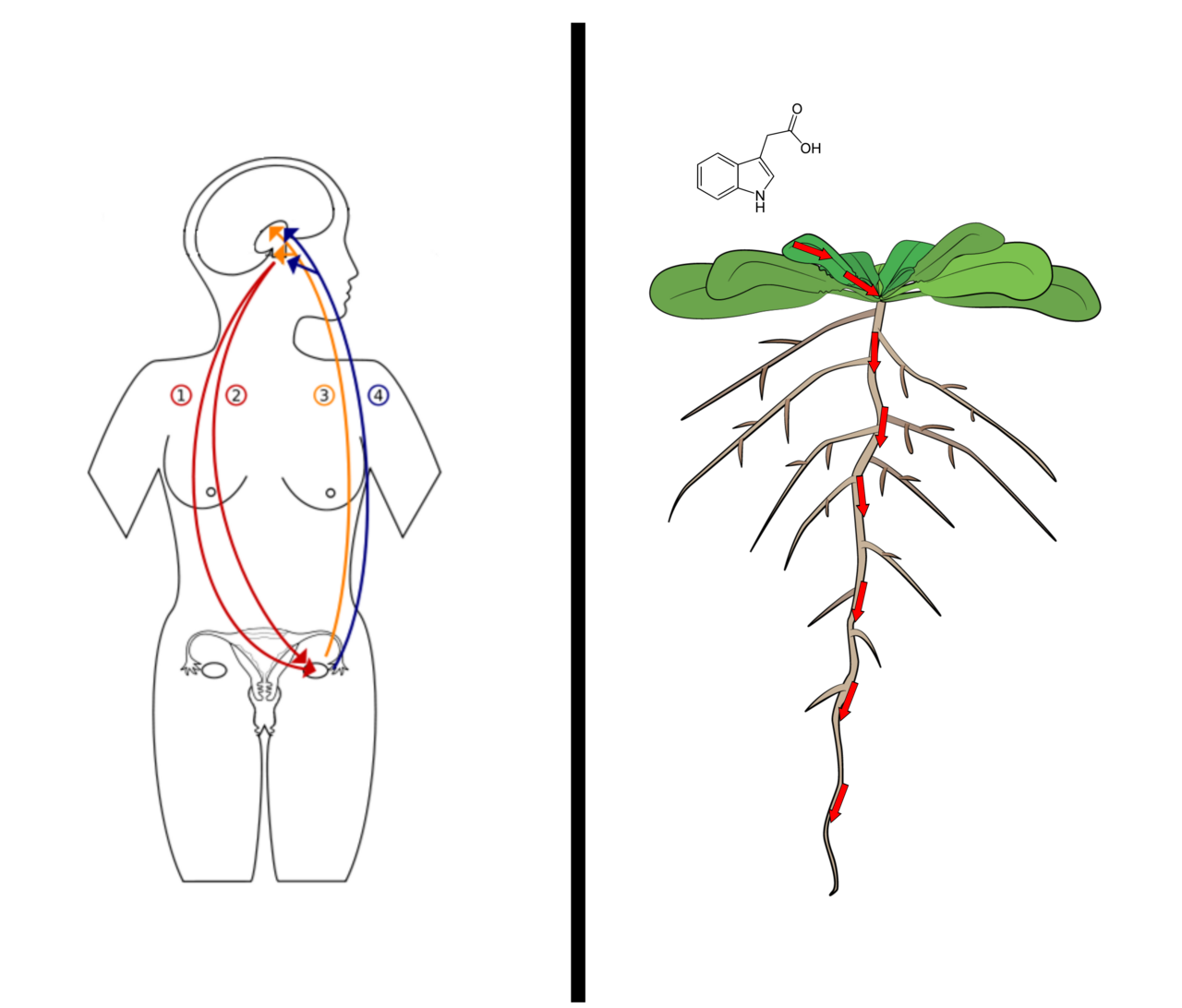
Hormones are chemical messengers produced by glands in the endocrine system, regulating various bodily functions such as growth, metabolism, and reproductive processes. The hormonal system is a complex network, with over 200 known hormones, including insulin, adrenaline, and estrogen, each playing a unique role in maintaining homeostasis. Hormonal imbalances can lead to disorders like diabetes, thyroid conditions, and polycystic ovary syndrome (PCOS), affecting millions of people worldwide. The study of hormones has also shed light on the intricate relationships between hormones, behavior, and mental health, with research suggesting that hormonal fluctuations can influence mood, cognitive function, and even social interactions. Furthermore, the impact of hormonal changes on human development, from puberty to menopause, has significant implications for our understanding of human biology and psychology. As research continues to uncover the intricacies of the hormonal system, it is clear that a deeper understanding of these chemical messengers is essential for developing effective treatments and therapies for hormonal-related disorders.
🌿 Introduction to Hormones
Hormones are a class of signaling molecules that play a crucial role in regulating various physiological and behavioral processes in multicellular organisms. As explained in Hormone Regulation, hormones are produced by endocrine glands and sent to distant organs or tissues to regulate development, growth, and metabolism. For instance, Insulin and Glucagon are two hormones that regulate blood sugar levels, while Thyroid Hormone regulates metabolism. The study of hormones is essential for understanding various biological processes, including Cell Division and Gene Expression.
🧬 The Biology of Hormone Signaling
The biology of hormone signaling is complex and involves multiple steps, including hormone synthesis, secretion, transport, and reception. As discussed in Hormone Signaling, hormones can be classified into different types, including peptide hormones, steroid hormones, and amino acid-derived hormones. Each type of hormone has a unique mechanism of action, and understanding these mechanisms is essential for developing effective treatments for hormonal disorders. For example, Growth Hormone stimulates the growth and development of bones and tissues, while Adrenaline prepares the body for the 'fight or flight' response. The study of hormone signaling is closely related to Molecular Biology and Biochemistry.
🔬 Hormone Regulation and Feedback Loops
Hormone regulation and feedback loops are critical for maintaining homeostasis and preventing hormonal imbalances. As explained in Feedback Loops, the hypothalamic-pituitary-adrenal (HPA) axis is a complex feedback loop that regulates the production of hormones, such as Cortisol and Aldosterone. The HPA axis is essential for responding to stress and maintaining energy homeostasis. Dysregulation of the HPA axis has been implicated in various disorders, including Anxiety Disorders and Depression. The study of hormone regulation is closely related to Neuroscience and Psychology.
👥 The Role of Hormones in Development and Growth
Hormones play a vital role in development and growth, and their dysregulation can lead to various disorders. As discussed in Developmental Biology, hormones such as Estrogen and Testosterone regulate the development of reproductive organs and secondary sex characteristics. Hormonal imbalances during critical periods of development can lead to disorders, such as Precocious Puberty or Delayed Puberty. The study of hormone regulation during development is essential for understanding various biological processes, including Embryogenesis and Organogenesis.
🤝 Hormonal Interactions and Synergies
Hormonal interactions and synergies are complex and involve the coordination of multiple hormones to regulate various physiological processes. As explained in Hormone Interactions, the regulation of blood sugar levels involves the coordination of Insulin, Glucagon, and Glucose. Similarly, the regulation of metabolism involves the coordination of Thyroid Hormone, Adrenaline, and Cortisol. Understanding hormonal interactions is essential for developing effective treatments for hormonal disorders, such as Diabetes and Hypothyroidism. The study of hormone interactions is closely related to Systems Biology and Network Analysis.
📊 The Impact of Hormones on Behavior and Cognition
Hormones have a significant impact on behavior and cognition, and their dysregulation can lead to various disorders. As discussed in Behavioral Neuroscience, hormones such as Dopamine and Serotonin regulate mood, motivation, and appetite. Hormonal imbalances have been implicated in various psychiatric disorders, including Depression, Anxiety Disorders, and Schizophrenia. The study of hormone regulation is essential for understanding various biological processes, including Neuroplasticity and Synaptic Transmission.
🚨 Hormonal Imbalances and Disorders
Hormonal imbalances and disorders can have significant consequences for overall health and well-being. As explained in Hormonal Disorders, conditions such as Hypothyroidism, Hyperthyroidism, and Cushing's Syndrome can lead to a range of symptoms, including fatigue, weight gain, and mood changes. The diagnosis and treatment of hormonal disorders require a comprehensive understanding of hormone regulation and feedback loops. The study of hormone regulation is closely related to Clinical Endocrinology and Hormone Therapy.
💡 The Future of Hormone Research and Therapy
The future of hormone research and therapy holds great promise for the development of new treatments for hormonal disorders. As discussed in Hormone Research, advances in Genomics and Proteomics are enabling researchers to better understand the complex biology of hormone signaling and regulation. The development of new therapies, such as Hormone Replacement Therapy and Gene Therapy, is expected to revolutionize the treatment of hormonal disorders. The study of hormone research is closely related to Translational Medicine and Personalized Medicine.
👩🔬 Hormone Research and Clinical Applications
Hormone research and clinical applications are essential for the development of new treatments for hormonal disorders. As discussed in Clinical Trials, advances in Hormone Replacement Therapy and Gene Therapy are expected to revolutionize the treatment of hormonal disorders. The study of hormone research is closely related to Translational Medicine and Personalized Medicine.
🌎 The Evolutionary History of Hormones
The evolutionary history of hormones is complex and involves the coordination of multiple hormones to regulate various physiological processes. As explained in Evolutionary Biology, hormones such as Insulin and Glucagon have evolved to regulate blood sugar levels, while hormones such as Thyroid Hormone and Adrenaline have evolved to regulate metabolism. The study of hormone evolution is essential for understanding various biological processes, including Adaptation and Speciation.
Key Facts
- Year
- 1902
- Origin
- The term 'hormone' was first coined by English physiologist Ernest Starling in 1905, derived from the Greek word 'hormao,' meaning 'to excite' or 'to arouse.'
- Category
- Biology, Health, Psychology
- Type
- Biological Concept
Frequently Asked Questions
What is the role of hormones in regulating physiological processes?
Hormones play a crucial role in regulating various physiological processes, including development, growth, metabolism, and reproduction. They act as chemical messengers, sending signals to distant organs or tissues to regulate gene expression, protein synthesis, and cellular activity. Hormones such as Insulin and Glucagon regulate blood sugar levels, while hormones such as Thyroid Hormone and Adrenaline regulate metabolism. The study of hormone regulation is essential for understanding various biological processes, including Cell Division and Gene Expression.
What are the different types of hormones?
Hormones can be classified into different types, including peptide hormones, steroid hormones, and amino acid-derived hormones. Peptide hormones, such as Insulin and Growth Hormone, are composed of amino acids and are typically water-soluble. Steroid hormones, such as Estrogen and Testosterone, are derived from cholesterol and are typically lipid-soluble. Amino acid-derived hormones, such as Thyroid Hormone and Adrenaline, are derived from amino acids and are typically water-soluble. The study of hormone classification is closely related to Biochemistry and Molecular Biology.
What are the consequences of hormonal imbalances?
Hormonal imbalances can have significant consequences for overall health and well-being. Conditions such as Hypothyroidism, Hyperthyroidism, and Cushing's Syndrome can lead to a range of symptoms, including fatigue, weight gain, and mood changes. Hormonal imbalances can also increase the risk of developing various diseases, including Diabetes, Cardiovascular Disease, and Osteoporosis. The study of hormone regulation is essential for understanding various biological processes, including Metabolic Disorders and Reproductive Disorders.
How are hormonal disorders diagnosed and treated?
The diagnosis and treatment of hormonal disorders require a comprehensive understanding of hormone regulation and feedback loops. Diagnostic tests, such as blood tests and imaging studies, are used to evaluate hormone levels and identify any underlying disorders. Treatment options, such as Hormone Replacement Therapy and Gene Therapy, are used to restore normal hormone levels and regulate physiological processes. The study of hormone regulation is closely related to Clinical Endocrinology and Hormone Therapy.
What is the future of hormone research and therapy?
The future of hormone research and therapy holds great promise for the development of new treatments for hormonal disorders. Advances in Genomics and Proteomics are enabling researchers to better understand the complex biology of hormone signaling and regulation. The development of new therapies, such as Hormone Replacement Therapy and Gene Therapy, is expected to revolutionize the treatment of hormonal disorders. The study of hormone research is closely related to Translational Medicine and Personalized Medicine.
What are the potential applications of hormone research?
The potential applications of hormone research are vast and varied. Hormone research has the potential to improve our understanding of various biological processes, including development, growth, metabolism, and reproduction. Hormone research also has the potential to lead to the development of new treatments for hormonal disorders, such as Diabetes and Hypothyroidism. Additionally, hormone research has the potential to improve our understanding of various diseases, including Cancer and Neurodegenerative Disorders. The study of hormone research is closely related to Systems Biology and Network Analysis.
What are the challenges and limitations of hormone research?
The challenges and limitations of hormone research are significant. Hormone research is a complex and multidisciplinary field, requiring expertise in Biochemistry, Molecular Biology, and Physiology. Additionally, hormone research is often limited by the availability of funding and resources. The study of hormone research is also limited by the complexity of hormone signaling and regulation, which can make it difficult to develop effective treatments for hormonal disorders. Despite these challenges, hormone research remains a vital and dynamic field, with the potential to lead to significant advances in our understanding of human biology and disease.