
Contents
- 🌟 Introduction to Thyroid Hormone
- 🧬 The Biology of Thyroid Hormone
- 🔬 The Role of Iodine in Thyroid Hormone Production
- 📊 The Impact of Iodine Deficiency on Thyroid Health
- 👨⚕️ Diagnosing and Treating Thyroid Disorders
- 🔍 The Relationship Between Thyroid Hormone and Metabolism
- 📈 The Effects of Thyroid Hormone on Energy Production
- 🤝 The Interplay Between Thyroid Hormone and Other Hormones
- 🌎 The Global Prevalence of Thyroid Disorders
- 🔮 The Future of Thyroid Hormone Research and Treatment
- 📊 The Economic Burden of Thyroid Disorders
- 👥 The Importance of Public Awareness and Education
- Frequently Asked Questions
- Related Topics
Overview
Thyroid hormone, produced by the thyroid gland, plays a crucial role in regulating metabolism, growth, and development. With a vibe rating of 8, thyroid hormone has been a subject of interest for centuries, dating back to 1891 when George Murray first used thyroid extract to treat myxedema. The hormone's influence extends beyond the endocrine system, affecting cardiovascular health, mental well-being, and even bone density. According to the American Thyroid Association, approximately 20 million Americans suffer from thyroid disorders, with women being five to eight times more likely to develop thyroid problems than men. The controversy surrounding thyroid hormone replacement therapy has sparked debates among endocrinologists, with some advocating for a more personalized approach to treatment. As research continues to uncover the intricacies of thyroid function, one thing is clear: thyroid hormone is a vital component of human health, and its dysregulation can have far-reaching consequences.
🌟 Introduction to Thyroid Hormone
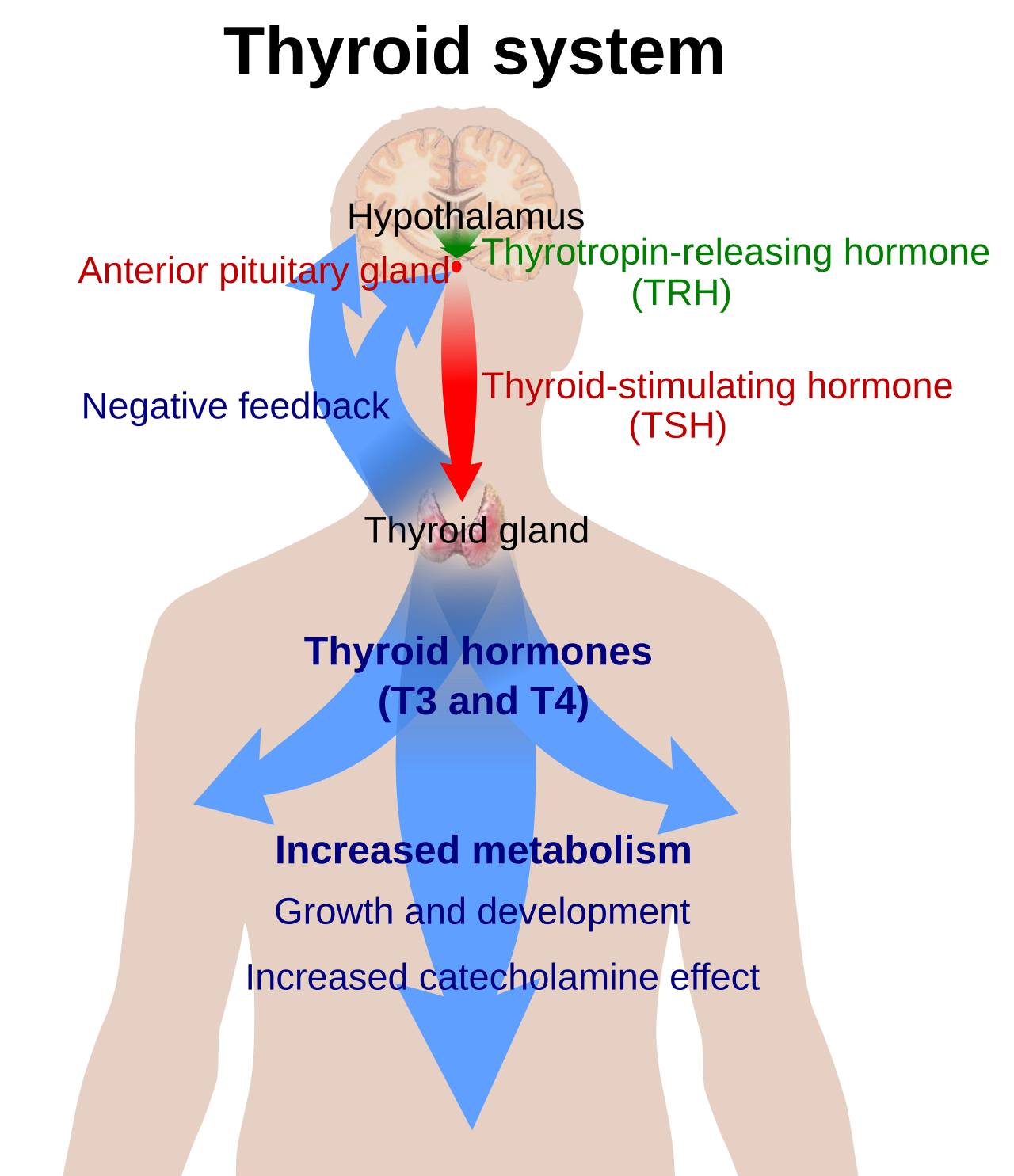
Thyroid hormone is a vital component of the endocrine system, playing a crucial role in regulating Metabolism and energy production. The two primary thyroid hormones, Triiodothyronine (T3) and Thyroxine (T4), are produced by the Thyroid Gland and are essential for maintaining proper Metabolic Rate. A deficiency in thyroid hormone can lead to a range of health problems, including Hypothyroidism and Goitre. The production of thyroid hormone is influenced by the Hypothalamic-Pituitary-Thyroid Axis, which is regulated by the Hypothalamus and the Pituitary Gland.
🧬 The Biology of Thyroid Hormone
The biology of thyroid hormone is complex and involves the coordination of multiple Cell Signaling pathways. The production of T3 and T4 is stimulated by the release of Thyroid-Stimulating Hormone (TSH) from the Pituitary Gland. TSH binds to receptors on the surface of Thyroid Follicular Cells, stimulating the production and release of T3 and T4. The Thyroid Gland also produces other hormones, including Calcitonin, which plays a role in regulating Calcium Metabolism.
🔬 The Role of Iodine in Thyroid Hormone Production
Iodine is an essential component of thyroid hormone, and a deficiency in iodine can lead to decreased production of T3 and T4. Iodine is derived from food, particularly Iodized Salt, and is absorbed by the Thyroid Gland. The recommended daily intake of iodine is 150 micrograms per day, and a deficiency can lead to a range of health problems, including Goitre and Cretinism. The World Health Organization recommends that all Salt be iodized to prevent iodine deficiency. The Thyroid Gland is also influenced by the Environment, with exposure to certain Pollutants and Toxins affecting thyroid function.
📊 The Impact of Iodine Deficiency on Thyroid Health
A deficiency in iodine can have significant effects on thyroid health, leading to decreased production of T3 and T4. This can result in a range of health problems, including Hypothyroidism, Goitre, and Cretinism. Iodine deficiency is a major public health problem in many parts of the world, particularly in areas where Iodized Salt is not widely available. The World Health Organization estimates that over 2 billion people worldwide are at risk of iodine deficiency. The Thyroid Gland is also affected by the Lifestyle, with factors such as Diet and Stress influencing thyroid function.
👨⚕️ Diagnosing and Treating Thyroid Disorders
Diagnosing and treating thyroid disorders requires a comprehensive approach, involving the use of Thyroid Function Tests and Imaging Studies. The Thyroid-Stimulating Hormone (TSH) test is commonly used to diagnose thyroid disorders, including Hypothyroidism and Hyperthyroidism. Treatment options for thyroid disorders include Thyroid Hormone Replacement therapy and Radioactive Iodine therapy. The Thyroid Gland is also influenced by the Hormonal Balance, with other hormones such as Insulin and Adrenaline affecting thyroid function.
🔍 The Relationship Between Thyroid Hormone and Metabolism
The relationship between thyroid hormone and metabolism is complex and multifaceted. Thyroid hormone plays a crucial role in regulating Metabolic Rate, with T3 and T4 influencing the production of Adenosine Triphosphate (ATP). The Thyroid Gland also produces other hormones, including Reverse T3, which can affect metabolism. The Lifestyle factors such as Diet and Exercise also influence the relationship between thyroid hormone and metabolism.
📈 The Effects of Thyroid Hormone on Energy Production
Thyroid hormone has a significant impact on energy production, with T3 and T4 influencing the production of Adenosine Triphosphate (ATP). The Thyroid Gland produces other hormones, including Thyroid Hormone Receptors, which play a role in regulating energy production. The Mitochondria are also affected by thyroid hormone, with T3 and T4 influencing the production of ATP. The Environment also influences energy production, with exposure to certain Pollutants and Toxins affecting thyroid function.
🤝 The Interplay Between Thyroid Hormone and Other Hormones
The interplay between thyroid hormone and other hormones is complex and multifaceted. Thyroid hormone interacts with other hormones, including Insulin and Adrenaline, to regulate Metabolic Rate and energy production. The Thyroid Gland is also influenced by the Hormonal Balance, with other hormones such as Cortisol and Growth Hormone affecting thyroid function. The Lifestyle factors such as Stress and Sleep also influence the interplay between thyroid hormone and other hormones.
🌎 The Global Prevalence of Thyroid Disorders
Thyroid disorders are a significant public health problem worldwide, with over 200 million people affected by thyroid disease. The World Health Organization estimates that thyroid disorders are a major cause of morbidity and mortality, particularly in areas where Iodized Salt is not widely available. The Thyroid Gland is also affected by the Environment, with exposure to certain Pollutants and Toxins affecting thyroid function. The Lifestyle factors such as Diet and Exercise also influence the prevalence of thyroid disorders.
🔮 The Future of Thyroid Hormone Research and Treatment
The future of thyroid hormone research and treatment is promising, with new technologies and therapies being developed to diagnose and treat thyroid disorders. The use of Thyroid Function Tests and Imaging Studies is becoming more widespread, allowing for earlier diagnosis and treatment of thyroid disorders. The Thyroid Gland is also being studied in relation to other diseases, such as Cancer and Autoimmune Diseases. The Lifestyle factors such as Stress and Sleep also influence the future of thyroid hormone research and treatment.
📊 The Economic Burden of Thyroid Disorders
The economic burden of thyroid disorders is significant, with the cost of diagnosis and treatment estimated to be in the billions of dollars. The World Health Organization estimates that thyroid disorders are a major cause of morbidity and mortality, particularly in areas where Iodized Salt is not widely available. The Thyroid Gland is also affected by the Environment, with exposure to certain Pollutants and Toxins affecting thyroid function. The Lifestyle factors such as Diet and Exercise also influence the economic burden of thyroid disorders.
👥 The Importance of Public Awareness and Education
Public awareness and education are essential for preventing and treating thyroid disorders. The Thyroid Gland is often misunderstood, and many people are unaware of the importance of thyroid hormone in regulating Metabolic Rate and energy production. The World Health Organization recommends that all Salt be iodized to prevent iodine deficiency, and that people be educated about the importance of thyroid health. The Lifestyle factors such as Stress and Sleep also influence public awareness and education about thyroid disorders.
Key Facts
- Year
- 1891
- Origin
- Thyroid Gland
- Category
- Endocrinology
- Type
- Biological Compound
Frequently Asked Questions
What is the role of thyroid hormone in metabolism?
Thyroid hormone plays a crucial role in regulating Metabolic Rate and energy production. The two primary thyroid hormones, Triiodothyronine (T3) and Thyroxine (T4), influence the production of Adenosine Triphosphate (ATP). The Thyroid Gland also produces other hormones, including Reverse T3, which can affect metabolism. The Lifestyle factors such as Diet and Exercise also influence the relationship between thyroid hormone and metabolism.
What are the symptoms of hypothyroidism?
The symptoms of Hypothyroidism include Fatigue, Weight Gain, and Dry Skin. Other symptoms may include Hair Loss, Cold Intolerance, and Depression. The Thyroid Gland is also affected by the Environment, with exposure to certain Pollutants and Toxins affecting thyroid function. The Lifestyle factors such as Stress and Sleep also influence the symptoms of hypothyroidism.
How is thyroid hormone produced?
Thyroid hormone is produced by the Thyroid Gland, which is stimulated by the release of Thyroid-Stimulating Hormone (TSH) from the Pituitary Gland. The Thyroid Gland produces two primary thyroid hormones, Triiodothyronine (T3) and Thyroxine (T4), which are influenced by the Hypothalamic-Pituitary-Thyroid Axis. The Lifestyle factors such as Diet and Exercise also influence the production of thyroid hormone.
What is the treatment for hyperthyroidism?
The treatment for Hyperthyroidism includes Thyroid Hormone Replacement therapy, Radioactive Iodine therapy, and Anti-Thyroid Medication. The Thyroid Gland is also affected by the Environment, with exposure to certain Pollutants and Toxins affecting thyroid function. The Lifestyle factors such as Stress and Sleep also influence the treatment of hyperthyroidism.
How can I prevent thyroid disorders?
Preventing thyroid disorders requires a comprehensive approach, including a Healthy Diet and regular Exercise. The Thyroid Gland is also affected by the Environment, with exposure to certain Pollutants and Toxins affecting thyroid function. The World Health Organization recommends that all Salt be iodized to prevent iodine deficiency. The Lifestyle factors such as Stress and Sleep also influence the prevention of thyroid disorders.
What is the relationship between thyroid hormone and other hormones?
The relationship between thyroid hormone and other hormones is complex and multifaceted. Thyroid hormone interacts with other hormones, including Insulin and Adrenaline, to regulate Metabolic Rate and energy production. The Thyroid Gland is also influenced by the Hormonal Balance, with other hormones such as Cortisol and Growth Hormone affecting thyroid function. The Lifestyle factors such as Diet and Exercise also influence the interplay between thyroid hormone and other hormones.
What is the economic burden of thyroid disorders?
The economic burden of thyroid disorders is significant, with the cost of diagnosis and treatment estimated to be in the billions of dollars. The World Health Organization estimates that thyroid disorders are a major cause of morbidity and mortality, particularly in areas where Iodized Salt is not widely available. The Thyroid Gland is also affected by the Environment, with exposure to certain Pollutants and Toxins affecting thyroid function. The Lifestyle factors such as Diet and Exercise also influence the economic burden of thyroid disorders.