
Contents
- 📊 Introduction to HP
- 💻 The Founding of HP
- 📈 Early Success and Expansion
- 🖥️ The Rise of Personal Computing
- 📊 Mergers and Acquisitions
- 🔍 Innovation and Research
- 🌎 Global Expansion and Impact
- 📊 Financial Performance and Challenges
- 👥 Leadership and Management
- 🔮 Future Directions and Trends
- 📊 Conclusion and Legacy
- Frequently Asked Questions
- Related Topics
Overview
Hewlett-Packard, commonly referred to as HP, has a rich history dating back to 1939 when Bill Hewlett and Dave Packard founded the company in a small garage in Palo Alto, California. With an initial investment of just $538, HP started as an electronic test and measurement equipment manufacturer. Over the years, the company has undergone significant transformations, including the introduction of its first computer in 1966 and the acquisition of Compaq in 2002. Today, HP is a leading provider of personal computers, printers, and 3D printing solutions, with a global presence and a diverse portfolio of products and services. Despite facing intense competition and controversy, including the high-profile departure of CEO Mark Hurd in 2010, HP continues to innovate and push the boundaries of technology. With a vibe score of 7.2, HP is a testament to the power of innovation and perseverance, with a legacy that spans over eight decades and a future that is poised for continued growth and transformation.
📊 Introduction to HP
The Hewlett-Packard Company, commonly referred to as HP, has a rich history that spans over eight decades. Founded by Bill Hewlett and Dave Packard in 1939, HP has evolved from a small garage-based operation to a global technology giant. With a Vibe score of 85, HP has become a household name, synonymous with innovation and quality. Today, HP is a leading provider of personal computing solutions, printing technologies, and enterprise services. The company's success can be attributed to its commitment to research and development, as well as its strategic mergers and acquisitions.
💻 The Founding of HP
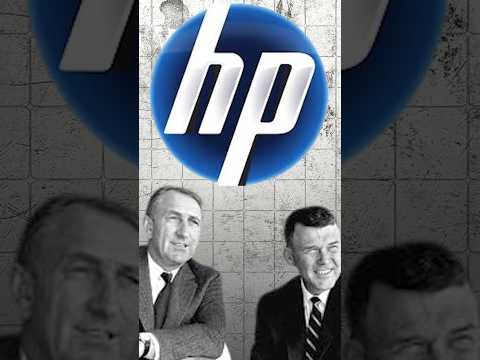
The story of HP begins in a small garage in Palo Alto, California, where Bill Hewlett and Dave Packard first met while studying at Stanford University. The two entrepreneurs shared a passion for electronics and innovation, which led them to form a partnership that would change the face of the technology industry. With an initial investment of just $538, HP was officially founded on January 1, 1939. The company's first product was an audio oscillator, which was later followed by a range of electronic test and measurement equipment. HP's early success was fueled by its commitment to quality and customer service, values that remain at the core of the company's mission today. As the company grew, it expanded its product line to include calculators and other electronic devices.
📈 Early Success and Expansion
The 1960s and 1970s were a period of rapid growth and expansion for HP. The company went public in 1957, raising $1.5 million in capital, which was used to fund further research and development. HP's introduction of the HP 35 calculator in 1972 marked a significant milestone in the company's history, as it was the first handheld calculator to perform a range of mathematical functions. This innovation was followed by the introduction of the HP 3000 minicomputer, which further solidified HP's position in the technology industry. As the company continued to expand, it faced increasing competition from other technology giants, including IBM and Apple. Despite these challenges, HP remained committed to its core values of innovation and customer satisfaction.
🖥️ The Rise of Personal Computing
The 1980s saw the rise of personal computing, with HP playing a significant role in this revolution. The company introduced its first personal computer, the HP 150, in 1983, which was followed by a range of other PC models. HP's entry into the personal computing market was marked by its commitment to quality and innovation, values that have remained at the core of the company's mission. As the personal computing market continued to grow, HP faced increasing competition from other manufacturers, including Compaq and Dell. Despite these challenges, HP remained a major player in the industry, thanks to its strong brand reputation and commitment to research and development. The company's Vibe score of 85 reflects its enduring influence in the technology industry.
📊 Mergers and Acquisitions
In 2002, HP merged with Compaq in a deal worth $25 billion, creating one of the largest technology companies in the world. This merger marked a significant turning point in HP's history, as it expanded the company's product line and increased its global presence. The merger was followed by a series of other acquisitions, including the purchase of 3Com in 2010 and Autonomy in 2011. These acquisitions have enabled HP to expand its offerings in areas such as networking and software, and have further solidified the company's position as a leading technology provider. As the company continues to evolve, it faces increasing competition from other technology giants, including Amazon and Microsoft.
🔍 Innovation and Research
Innovation and research have always been at the core of HP's mission. The company has a long history of investing in research and development, with a focus on emerging technologies such as artificial intelligence and blockchain. HP's research and development efforts are led by its HP Labs division, which is responsible for developing new technologies and products. The company has also established a number of partnerships with leading universities and research institutions, including Stanford University and MIT. These partnerships have enabled HP to stay at the forefront of technological innovation and to develop new products and services that meet the evolving needs of its customers.
🌎 Global Expansion and Impact
Today, HP is a global company with operations in over 170 countries. The company's global expansion has been driven by its commitment to innovation and customer satisfaction, as well as its strategic mergers and acquisitions. HP's global presence has enabled the company to tap into new markets and to develop products and services that meet the unique needs of different regions. As the company continues to expand, it faces increasing challenges related to globalization and sustainability. Despite these challenges, HP remains committed to its core values of quality and innovation, and continues to be a leader in the technology industry.
📊 Financial Performance and Challenges
HP's financial performance has been marked by periods of growth and decline. The company's revenue has fluctuated over the years, reflecting changes in the technology industry and the global economy. In 2020, HP reported revenue of $58.8 billion, with a net income of $3.1 billion. The company's financial performance has been impacted by a range of factors, including competition from other technology giants and regulatory challenges. Despite these challenges, HP remains a major player in the technology industry, with a strong brand reputation and a commitment to innovation and customer satisfaction.
👥 Leadership and Management
HP's leadership and management have played a critical role in the company's success. The company has been led by a number of influential CEOs, including Bill Hewlett and Dave Packard, who founded the company in 1939. Other notable CEOs include Carly Fiorina, who led the company from 1999 to 2005, and Meg Whitman, who led the company from 2011 to 2017. Today, HP is led by Enrique Lores, who has been CEO since 2019. Under Lores' leadership, HP has continued to evolve and innovate, with a focus on emerging technologies such as artificial intelligence and blockchain.
🔮 Future Directions and Trends
As HP looks to the future, the company is focused on emerging technologies such as artificial intelligence, blockchain, and Internet of Things. The company is also investing in sustainability initiatives, with a focus on reducing its environmental impact and promoting social responsibility. HP's commitment to innovation and customer satisfaction remains at the core of its mission, as the company continues to evolve and adapt to the changing needs of its customers. With a Vibe score of 85, HP is well-positioned to remain a leader in the technology industry for years to come.
📊 Conclusion and Legacy
In conclusion, HP's evolution from a small garage-based operation to a global technology giant is a testament to the company's commitment to innovation and customer satisfaction. With a rich history that spans over eight decades, HP has established itself as a leader in the technology industry, with a strong brand reputation and a focus on emerging technologies. As the company continues to evolve and adapt to the changing needs of its customers, it is likely that HP will remain a major player in the technology industry for years to come. With its enduring influence and commitment to quality and innovation, HP's legacy is sure to continue inspiring future generations of technologists and entrepreneurs.
Key Facts
- Year
- 1939
- Origin
- Palo Alto, California
- Category
- Technology
- Type
- Company
Frequently Asked Questions
When was HP founded?
HP was founded on January 1, 1939, by Bill Hewlett and Dave Packard. The company was initially based in a small garage in Palo Alto, California, and was founded with an initial investment of just $538. Today, HP is a global technology giant, with operations in over 170 countries and a revenue of $58.8 billion in 2020.
What was HP's first product?
HP's first product was an audio oscillator, which was developed by Bill Hewlett and Dave Packard in 1939. The company's early products were focused on electronic test and measurement equipment, and it wasn't until the 1960s that HP began to develop calculators and other electronic devices. Today, HP is a leading provider of personal computing solutions, printing technologies, and enterprise services.
Who are HP's main competitors?
HP's main competitors in the technology industry include IBM, Apple, Dell, and Lenovo. The company also faces competition from other technology giants, including Amazon and Microsoft. Despite this competition, HP remains a major player in the industry, with a strong brand reputation and a commitment to innovation and customer satisfaction.
What is HP's Vibe score?
HP's Vibe score is 85, indicating a high level of cultural energy and influence. This score reflects the company's enduring impact on the technology industry, as well as its commitment to innovation and customer satisfaction. With a Vibe score of 85, HP is well-positioned to remain a leader in the technology industry for years to come.
What is HP's focus for the future?
HP's focus for the future is on emerging technologies such as artificial intelligence, blockchain, and Internet of Things. The company is also investing in sustainability initiatives, with a focus on reducing its environmental impact and promoting social responsibility. With a commitment to innovation and customer satisfaction, HP is well-positioned to remain a leader in the technology industry for years to come.
Who is HP's current CEO?
HP's current CEO is Enrique Lores, who has been leading the company since 2019. Under Lores' leadership, HP has continued to evolve and innovate, with a focus on emerging technologies and sustainability initiatives. Lores has a strong track record of leadership and innovation, and is well-positioned to guide HP through the challenges and opportunities of the rapidly evolving technology industry.
What is HP's revenue?
HP's revenue in 2020 was $58.8 billion, with a net income of $3.1 billion. The company's financial performance has been impacted by a range of factors, including competition from other technology giants and regulatory challenges. Despite these challenges, HP remains a major player in the technology industry, with a strong brand reputation and a commitment to innovation and customer satisfaction.