
Contents
- 🌋 Introduction to Igneous Rocks
- 🔥 Formation of Igneous Rocks
- 🌎 Types of Igneous Rocks
- 🏔️ Igneous Rock Textures
- 💎 Igneous Rock Composition
- 🌟 Igneous Rock Examples
- 🌍 Igneous Rock Distribution
- 🔍 Igneous Rock Research
- 📊 Igneous Rock Economic Importance
- 🌈 Igneous Rock Cultural Significance
- 🌊 Igneous Rock and the Earth's Surface
- Frequently Asked Questions
- Related Topics
Overview
Igneous rocks, formed from the cooling and solidification of magma or lava, have been shaping the Earth's surface for over 4.5 billion years. With a vibe rating of 8, these rocks have a significant cultural resonance, from the iconic granite landscapes of Yosemite to the volcanic origins of the Hawaiian Islands. The historian in us notes that the study of igneous rocks dates back to the early 19th century, when geologists like Charles Lyell and James Hutton first described their characteristics. However, the skeptic in us questions the consensus on the exact mechanisms of igneous rock formation, with ongoing debates about the role of tectonic activity and mantle plumes. The engineer in us marvels at the incredible diversity of igneous rocks, from the lightweight pumice to the dense, iron-rich basalts. As we look to the future, the futurist in us wonders what secrets igneous rocks might hold for our understanding of the Earth's climate history and the potential for mineral resource extraction, with some estimates suggesting that igneous rocks could provide up to 50% of the world's future copper supply.
🌋 Introduction to Igneous Rocks
Igneous rocks, also known as magmatic rocks, are one of the three main Geology rock types, along with Sedimentary Rocks and Metamorphic Rocks. They are formed through the cooling and solidification of Magma or Lava. This process can occur either beneath the Earth's surface, resulting in intrusive igneous rocks, or on the surface, resulting in extrusive igneous rocks. Igneous rocks can provide valuable information about the Earth's Plate Tectonics and Geological History. The study of igneous rocks is a key part of Geology and has many practical applications in fields such as Mining Engineering and Geotechnical Engineering.
🔥 Formation of Igneous Rocks
The formation of igneous rocks is a complex process that involves the cooling and solidification of Magma or Lava. This can occur either rapidly, resulting in fine-grained rocks, or slowly, resulting in coarse-grained rocks. The rate of cooling and solidification depends on factors such as the temperature and composition of the magma or lava, as well as the pressure and presence of other rocks. Igneous rocks can be classified into two main types: intrusive and extrusive. Intrusive igneous rocks, such as Granite, are formed beneath the Earth's surface, while extrusive igneous rocks, such as Basalt, are formed on the surface. The study of igneous rock formation is closely related to the study of Volcanology and Geochemistry.
🌎 Types of Igneous Rocks
There are many different types of igneous rocks, each with its own unique characteristics and composition. Some common types of igneous rocks include Granite, Basalt, and Andesite. These rocks can be classified based on their texture, composition, and origin. For example, igneous rocks can be classified as either intrusive or extrusive, depending on where they were formed. They can also be classified based on their composition, with rocks such as Granite being rich in Silicon and Aluminum, while rocks such as Basalt are rich in Iron and Magnesium. The classification of igneous rocks is an important part of Petrology and has many practical applications in fields such as Geology and Mining Engineering.
🏔️ Igneous Rock Textures
Igneous rocks can have a wide range of textures, depending on the rate of cooling and solidification. For example, rocks that cool and solidify rapidly, such as those formed from Lava flows, can have a fine-grained texture. In contrast, rocks that cool and solidify slowly, such as those formed from Magma chambers, can have a coarse-grained texture. The texture of an igneous rock can provide valuable information about its origin and composition. For example, the presence of Phenocrysts in an igneous rock can indicate that it cooled and solidified slowly, while the presence of Vesicles can indicate that it cooled and solidified rapidly. The study of igneous rock textures is an important part of Petrography and has many practical applications in fields such as Geology and Mining Engineering.
💎 Igneous Rock Composition
The composition of igneous rocks can vary widely, depending on the source of the Magma or Lava. For example, rocks that are rich in Silicon and Aluminum, such as Granite, are typically formed from the melting of Continental Crust. In contrast, rocks that are rich in Iron and Magnesium, such as Basalt, are typically formed from the melting of Oceanic Crust. The composition of an igneous rock can provide valuable information about its origin and tectonic setting. For example, the presence of certain Minerals in an igneous rock can indicate that it was formed in a Subduction Zone. The study of igneous rock composition is an important part of Geochemistry and has many practical applications in fields such as Geology and Mining Engineering.
🌟 Igneous Rock Examples
There are many examples of igneous rocks that are of great interest to Geologists and the general public. For example, Granite is a common type of igneous rock that is found in many parts of the world. It is often used as a building stone and is prized for its durability and attractive appearance. Another example is Basalt, which is a common type of igneous rock that is found in many Volcanic Regions. It is often used as a construction material and is also of great interest to Volcanologists who study its origin and behavior. The study of igneous rocks is an important part of Geology and has many practical applications in fields such as Mining Engineering and Geotechnical Engineering.
🌍 Igneous Rock Distribution
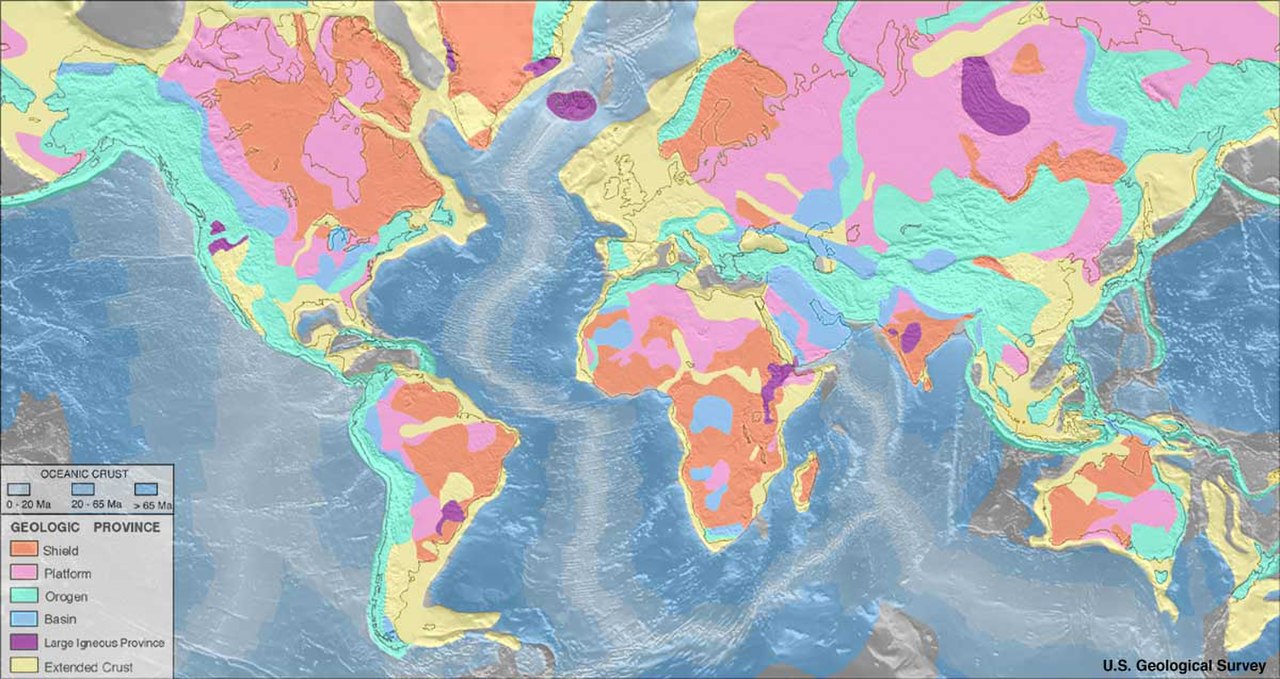
Igneous rocks are found in many parts of the world and can provide valuable information about the Earth's Geological History. For example, the presence of igneous rocks in a particular region can indicate that it was once Volcanically Active. The distribution of igneous rocks can also provide information about the Earth's Plate Tectonics and the movement of the Lithosphere. The study of igneous rock distribution is an important part of Geology and has many practical applications in fields such as Mining Engineering and Geotechnical Engineering.
🔍 Igneous Rock Research
Research on igneous rocks is an active area of study in the field of Geology. Scientists use a variety of techniques to study igneous rocks, including Petrography, Geochemistry, and Geophysics. By studying igneous rocks, scientists can gain a better understanding of the Earth's Geological History and the processes that have shaped our planet. The study of igneous rocks is also of great practical importance, as it can provide valuable information about the location and characteristics of Mineral Deposits and Energy Resources.
📊 Igneous Rock Economic Importance
Igneous rocks have many economic importance, as they can provide valuable Mineral Deposits and Energy Resources. For example, Granite is a common type of igneous rock that is used as a building stone and is prized for its durability and attractive appearance. Another example is Basalt, which is a common type of igneous rock that is used as a construction material and is also of great interest to Volcanologists who study its origin and behavior. The economic importance of igneous rocks is closely related to the study of Mining Engineering and Geotechnical Engineering.
🌈 Igneous Rock Cultural Significance
Igneous rocks have also cultural significance, as they have been used by humans for a variety of purposes throughout history. For example, Granite has been used as a building stone for thousands of years and is prized for its durability and attractive appearance. Another example is Basalt, which has been used as a construction material and is also of great interest to Volcanologists who study its origin and behavior. The cultural significance of igneous rocks is closely related to the study of Archaeology and Anthropology.
🌊 Igneous Rock and the Earth's Surface
Igneous rocks play a crucial role in shaping the Earth's surface, as they can provide valuable information about the Earth's Geological History and the processes that have shaped our planet. For example, the presence of igneous rocks in a particular region can indicate that it was once Volcanically Active. The distribution of igneous rocks can also provide information about the Earth's Plate Tectonics and the movement of the Lithosphere. The study of igneous rocks is an important part of Geology and has many practical applications in fields such as Mining Engineering and Geotechnical Engineering.
Key Facts
- Year
- 1800
- Origin
- Earth's Mantle and Crust
- Category
- Geology
- Type
- Geological Formation
Frequently Asked Questions
What are igneous rocks?
Igneous rocks, also known as magmatic rocks, are one of the three main rock types, along with sedimentary and metamorphic rocks. They are formed through the cooling and solidification of magma or lava. Igneous rocks can provide valuable information about the Earth's geological history and the processes that have shaped our planet. The study of igneous rocks is a key part of geology and has many practical applications in fields such as mining engineering and geotechnical engineering.
How are igneous rocks formed?
Igneous rocks are formed through the cooling and solidification of magma or lava. This process can occur either beneath the Earth's surface, resulting in intrusive igneous rocks, or on the surface, resulting in extrusive igneous rocks. The rate of cooling and solidification depends on factors such as the temperature and composition of the magma or lava, as well as the pressure and presence of other rocks.
What are the different types of igneous rocks?
There are many different types of igneous rocks, each with its own unique characteristics and composition. Some common types of igneous rocks include granite, basalt, and andesite. These rocks can be classified based on their texture, composition, and origin. For example, igneous rocks can be classified as either intrusive or extrusive, depending on where they were formed.
What is the economic importance of igneous rocks?
Igneous rocks have many economic importance, as they can provide valuable mineral deposits and energy resources. For example, granite is a common type of igneous rock that is used as a building stone and is prized for its durability and attractive appearance. Another example is basalt, which is a common type of igneous rock that is used as a construction material and is also of great interest to volcanologists who study its origin and behavior.
What is the cultural significance of igneous rocks?
Igneous rocks have also cultural significance, as they have been used by humans for a variety of purposes throughout history. For example, granite has been used as a building stone for thousands of years and is prized for its durability and attractive appearance. Another example is basalt, which has been used as a construction material and is also of great interest to volcanologists who study its origin and behavior.
How do igneous rocks shape the Earth's surface?
Igneous rocks play a crucial role in shaping the Earth's surface, as they can provide valuable information about the Earth's geological history and the processes that have shaped our planet. For example, the presence of igneous rocks in a particular region can indicate that it was once volcanically active. The distribution of igneous rocks can also provide information about the Earth's plate tectonics and the movement of the lithosphere.
What is the relationship between igneous rocks and plate tectonics?
Igneous rocks are closely related to plate tectonics, as they can provide valuable information about the Earth's geological history and the processes that have shaped our planet. The distribution of igneous rocks can provide information about the Earth's plate tectonics and the movement of the lithosphere. For example, the presence of igneous rocks in a particular region can indicate that it was once volcanically active.