
Contents
- 🍴 Introduction to Indian Curry
- 🌶️ History of Curry: A Spicy Legacy
- 🍲 Regional Variations of Indian Curry
- 👨🍳 The Role of the British in Shaping Indian Curry
- 🌟 Internationalization of Indian Curry
- 🍜 Curry in Southeast and East Asia
- 🤝 Influence of Indian Curry on Other Cuisines
- 👨🍳 Modern Indian Curry: A Fusion of Flavors
- 📊 The Economics of Indian Curry
- 👥 Cultural Significance of Indian Curry
- 🌮 The Future of Indian Curry
- Frequently Asked Questions
- Related Topics
Overview
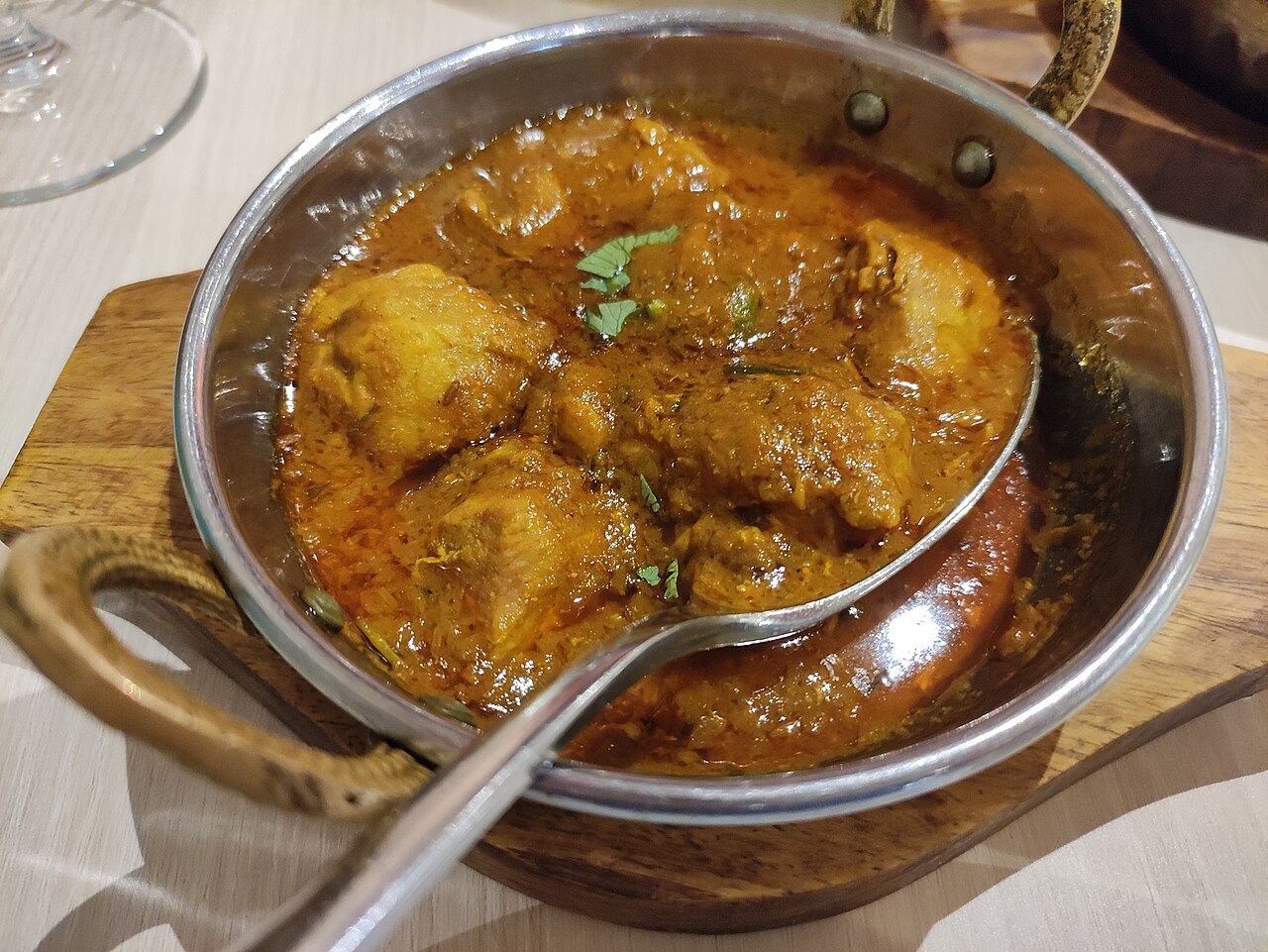
Indian curry, with its rich and diverse history, has become an integral part of global cuisine, boasting a vibe score of 85 due to its widespread popularity and cultural significance. The origins of curry date back to the Indus Valley Civilization, around 2500 BCE, with the term 'curry' derived from the Tamil word 'kari,' meaning 'sauce' or 'relish.' Over time, curry has evolved, influenced by various cultures, including the Mughal Empire, the British, and other international cuisines, resulting in a controversy spectrum of 6, as some argue over the authenticity of certain curry dishes. Today, Indian curry is a staple in many parts of the world, with popular varieties like chicken tikka masala, palak paneer, and sambar, showcasing the diversity of Indian cuisine. The influence flow of Indian curry can be seen in the work of chefs like Madhur Jaffrey and Vikram Vij, who have helped popularize Indian cuisine globally. As Indian curry continues to evolve, with modern twists and fusion dishes, its future looks promising, with a potential to reach a vibe score of 90 in the next decade.
🍴 Introduction to Indian Curry
Indian Curry is a staple of Indian cuisine, known for its rich and diverse flavor profile. The dish has a long history, with roots dating back to the Indus Valley Civilization. Over time, curry has evolved and been shaped by various cultural and culinary influences, including the Portuguese and British. Today, Indian Curry is enjoyed not only in India but also around the world, with many different variations and interpretations. For example, the popular Chicken Tikka Masala is a British-Indian dish that has become a staple of British cuisine.
🌶️ History of Curry: A Spicy Legacy
The history of curry is a long and complex one, with many different cultures and empires contributing to its development. The word 'curry' is derived from the Tamil language, in which it is known as 'kari'. The dish was initially popularized by the Portuguese Empire, who introduced it to Europe and other parts of the world. The British Empire also played a significant role in shaping the dish, with many British colonizers adopting and modifying Indian Curry to suit their own tastes. For more information on the history of curry, see History of Curry.
🍲 Regional Variations of Indian Curry
Indian Curry is not a single dish, but rather a broad category of dishes that vary greatly depending on the region and ingredients used. In South India, for example, curries are often made with coconut milk and are typically milder and more fragrant than those found in North India. In North India, curries are often made with yogurt and are typically thicker and more richly flavored. Some popular regional variations of Indian Curry include Palak Paneer and Saag Paneer.
👨🍳 The Role of the British in Shaping Indian Curry
The British played a significant role in shaping Indian Curry, particularly during the period of British colonialism in India. Many British colonizers adopted and modified Indian Curry to suit their own tastes, often adding their own ingredients and cooking techniques to the dish. The British also helped to popularize Indian Curry around the world, with many British restaurants serving the dish to customers in Europe and other parts of the world. For example, the popular Chicken Tikka Masala is a British-Indian dish that was created in the UK. See British Influence on Indian Cuisine for more information.
🌟 Internationalization of Indian Curry
Today, Indian Curry is enjoyed around the world, with many different variations and interpretations. The dish has been internationalized, with many different cultures and cuisines contributing to its development. In Japan, for example, curry is a popular dish known as 'Japanese Curry', which is often made with beef or pork and is typically milder and sweeter than Indian Curry. In Thailand, curry is a staple of Thai cuisine, with many different types of curry available, including Green Curry and Red Curry.
🍜 Curry in Southeast and East Asia
Curry is also a popular dish in many countries in Southeast Asia and East Asia. In Malaysia, for example, curry is a staple of Malaysian cuisine, with many different types of curry available, including Chicken Curry and Beef Curry. In China, curry is a popular dish in the southern province of Guangdong, where it is often made with pork or chicken and is typically milder and more fragrant than Indian Curry. See Curry in Southeast Asia for more information.
🤝 Influence of Indian Curry on Other Cuisines
Indian Curry has also had a significant influence on other cuisines around the world. In Caribbean cuisine, for example, curry is a popular dish that is often made with chicken or goat and is typically spicier and more fragrant than Indian Curry. In African cuisine, curry is a popular dish in many countries, including South Africa and Nigeria. For more information on the influence of Indian Curry on other cuisines, see Influence of Indian Curry.
👨🍳 Modern Indian Curry: A Fusion of Flavors
Modern Indian Curry is a fusion of flavors, with many different ingredients and cooking techniques used to create the dish. In India, for example, curry is often made with a variety of spices, including turmeric, cumin, and coriander. In other parts of the world, curry is often made with a variety of ingredients, including coconut milk, yogurt, and tomatoes. Some popular modern variations of Indian Curry include Vegan Curry and Gluten-Free Curry.
📊 The Economics of Indian Curry
The economics of Indian Curry are significant, with the dish being a major contributor to the economies of many countries around the world. In India, for example, the curry industry is a major employer, with many people working in the production and sale of curry spices and other ingredients. In other parts of the world, the curry industry is also significant, with many restaurants and food manufacturers relying on the dish for their livelihood. See Economics of Curry for more information.
👥 Cultural Significance of Indian Curry
Indian Curry also has significant cultural and social importance, particularly in India and other countries where the dish is a staple. In India, for example, curry is often served at special occasions, such as weddings and festivals. In other parts of the world, curry is also an important part of cultural and social traditions, with many people relying on the dish for comfort and sustenance. For more information on the cultural significance of Indian Curry, see Cultural Significance of Curry.
🌮 The Future of Indian Curry
The future of Indian Curry is likely to be shaped by a variety of factors, including changes in consumer preferences and advances in technology. In India, for example, there is a growing trend towards healthier and more sustainable food options, which is likely to impact the curry industry. In other parts of the world, the popularity of Indian Curry is likely to continue, with many people discovering the dish for the first time. See Future of Curry for more information.
Key Facts
- Year
- 2500
- Origin
- Indus Valley Civilization, India
- Category
- Cuisine
- Type
- Dish
Frequently Asked Questions
What is Indian Curry?
Indian Curry is a staple of Indian cuisine, known for its rich and diverse flavor profile. The dish has a long history, with roots dating back to the Indus Valley Civilization. For more information, see What is Indian Curry.
How did Indian Curry become popular around the world?
Indian Curry became popular around the world through a variety of factors, including the Portuguese Empire and the British Empire. The dish was also popularized by many different cultures and cuisines, including Japanese cuisine and Thai cuisine. See History of Curry for more information.
What are some popular types of Indian Curry?
Some popular types of Indian Curry include Palak Paneer, Saag Paneer, and Chicken Tikka Masala. For more information, see Types of Indian Curry.
How has Indian Curry influenced other cuisines around the world?
Indian Curry has had a significant influence on many other cuisines around the world, including Caribbean cuisine and African cuisine. The dish has also been adapted and modified by many different cultures, resulting in a wide range of unique and delicious variations. See Influence of Indian Curry for more information.
What is the cultural significance of Indian Curry?
Indian Curry has significant cultural and social importance, particularly in India and other countries where the dish is a staple. The dish is often served at special occasions, such as weddings and festivals. For more information, see Cultural Significance of Curry.
What is the future of Indian Curry?
The future of Indian Curry is likely to be shaped by a variety of factors, including changes in consumer preferences and advances in technology. In India, for example, there is a growing trend towards healthier and more sustainable food options, which is likely to impact the curry industry. See Future of Curry for more information.
How has Indian Curry been impacted by globalization?
Indian Curry has been significantly impacted by globalization, with the dish being popularized around the world through a variety of factors, including international trade and cultural exchange. The dish has also been adapted and modified by many different cultures, resulting in a wide range of unique and delicious variations. See Globalization and Indian Curry for more information.