
Contents
- 🌱 Introduction to Indoor Agriculture
- 🏠 History of Indoor Farming
- 📈 Benefits of Indoor Agriculture
- 🌿 Types of Indoor Agriculture
- 🌸 Hydroponics and Aeroponics
- 🌻 LED Lighting in Indoor Agriculture
- 🚀 Vertical Farming and Its Impact
- 🤝 Challenges and Limitations of Indoor Agriculture
- 🌟 Future of Indoor Agriculture
- 🌎 Global Adoption and Trends
- 📊 Economic Viability of Indoor Agriculture
- 👥 Key Players in Indoor Agriculture
- Frequently Asked Questions
- Related Topics
Overview
Indoor agriculture, also known as controlled environment agriculture (CEA), has been gaining momentum since the early 2000s, with pioneers like Dickson Despommier and his concept of 'vertical farms' in 1999. Today, companies like AeroFarms, Bright Agrotech, and Plenty are leading the charge, with investments totaling over $1.5 billion in 2020 alone. The benefits of indoor agriculture are numerous, including increased crop yields, reduced water consumption, and minimized land use. However, the high energy costs and limited crop selection have sparked debates among experts, with some arguing that it's a 'game-changer' for food production, while others claim it's an 'unsustainable luxury'. As the global population is projected to reach 9.7 billion by 2050, indoor agriculture may play a crucial role in meeting the increasing demand for food, with the market expected to grow to $13.1 billion by 2026. The influence of indoor agriculture can be seen in the work of entities like the Association for Vertical Farming, which has been instrumental in promoting the concept and providing a platform for industry stakeholders to share knowledge and best practices.
🌱 Introduction to Indoor Agriculture
Indoor agriculture, also known as indoor farming, is a method of growing plants in a controlled environment, such as a greenhouse or a vertical farm. This approach has gained popularity in recent years due to its potential to increase crop yields, reduce water consumption, and minimize the use of pesticides and herbicides. Indoor agriculture uses advanced technology, such as hydroponics and aeroponics, to optimize plant growth and reduce waste. As the global population continues to grow, indoor agriculture is becoming an increasingly important part of the sustainable agriculture movement. With its ability to produce fresh, healthy produce year-round, indoor agriculture is poised to revolutionize the way we think about food production.
🏠 History of Indoor Farming
The concept of indoor farming dates back to the early 20th century, when greenhouses were first used to grow plants in controlled environments. However, it wasn't until the 1980s that indoor agriculture began to gain traction as a viable method of food production. The development of new technologies, such as hydroponics and LED lighting, has made it possible to grow a wide variety of crops indoors, from leafy greens to strawberries. Today, indoor agriculture is a rapidly growing industry, with companies like Plenty and Bowery Farming leading the charge. As the industry continues to evolve, we can expect to see new innovations and advancements in indoor agriculture technology.
📈 Benefits of Indoor Agriculture
One of the primary benefits of indoor agriculture is its ability to increase crop yields while reducing water consumption. By using advanced hydroponics and aeroponics systems, indoor farmers can produce up to 30 times more crops per acre than traditional outdoor farming methods. Additionally, indoor agriculture reduces the need for pesticides and herbicides, making it a more sustainable option for food production. Indoor agriculture also provides a consistent and reliable source of fresh produce, which is especially important in areas with limited access to fresh produce. With its many benefits, indoor agriculture is becoming an increasingly popular choice for farmers and consumers alike.
🌿 Types of Indoor Agriculture
There are several types of indoor agriculture, including hydroponics, aeroponics, and soil-based systems. Hydroponics involves growing plants in a nutrient-rich solution rather than soil, while aeroponics uses a fine mist to deliver nutrients to the roots of the plants. Soil-based systems, on the other hand, use a combination of soil and hydroponics to create a hybrid system. Each type of indoor agriculture has its own unique benefits and challenges, and the choice of which system to use will depend on the specific needs and goals of the indoor farmer.
🌸 Hydroponics and Aeroponics
Hydroponics and aeroponics are two of the most popular methods of indoor agriculture. Hydroponics involves growing plants in a nutrient-rich solution rather than soil, while aeroponics uses a fine mist to deliver nutrients to the roots of the plants. Both methods provide a high degree of control over the growing environment, allowing for optimal plant growth and reduced waste. Hydroponics and aeroponics are also highly scalable, making them ideal for large-scale indoor farming operations. With their many benefits, it's no wonder that hydroponics and aeroponics are becoming increasingly popular among indoor farmers.
🌻 LED Lighting in Indoor Agriculture
LED lighting is a crucial component of indoor agriculture, providing the necessary light for plant growth. LED lighting is highly energy-efficient and can be tailored to specific wavelengths and spectrums to optimize plant growth. Additionally, LED lighting produces minimal heat, reducing the need for cooling systems and minimizing the risk of plant disease. With its many benefits, LED lighting is becoming an essential tool for indoor farmers. As the technology continues to evolve, we can expect to see even more efficient and effective LED lighting systems for indoor agriculture.
🚀 Vertical Farming and Its Impact
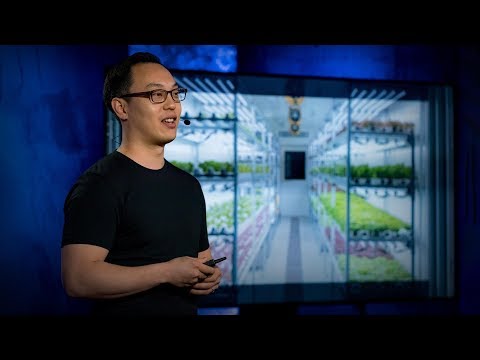
Vertical farming is a type of indoor agriculture that involves growing plants in vertically stacked layers. This method allows for maximum use of space, making it ideal for urban areas with limited land availability. Vertical farming also provides a high degree of control over the growing environment, allowing for optimal plant growth and reduced waste. With its many benefits, vertical farming is becoming an increasingly popular method of indoor agriculture. Companies like Plenty and Bowery Farming are leading the charge in vertical farming, and we can expect to see even more innovation and advancement in this field in the coming years.
🤝 Challenges and Limitations of Indoor Agriculture
Despite its many benefits, indoor agriculture is not without its challenges and limitations. One of the primary challenges is the high upfront cost of establishing an indoor farm, which can be prohibitively expensive for small-scale farmers. Additionally, indoor agriculture requires a high degree of technical expertise, which can be a barrier to entry for new indoor farmers. Furthermore, indoor agriculture is often criticized for its high energy consumption, which can have a negative impact on the environment. However, as the industry continues to evolve, we can expect to see new innovations and advancements that address these challenges and limitations.
🌟 Future of Indoor Agriculture
The future of indoor agriculture is bright, with many experts predicting that it will become a major player in the global food production industry. As the technology continues to evolve, we can expect to see even more efficient and effective methods of indoor agriculture. Additionally, the increasing demand for sustainable agriculture and local food is driving growth in the indoor agriculture industry. With its many benefits and advantages, indoor agriculture is poised to revolutionize the way we think about food production. As the industry continues to grow and evolve, we can expect to see new innovations and advancements that will shape the future of indoor agriculture.
🌎 Global Adoption and Trends
Indoor agriculture is a global phenomenon, with countries around the world adopting this method of food production. In the United States, companies like Plenty and Bowery Farming are leading the charge in indoor agriculture. In Europe, countries like the Netherlands and Denmark are also investing heavily in indoor agriculture. In Asia, countries like Japan and China are adopting indoor agriculture as a way to increase food production and reduce their reliance on imports. As the industry continues to grow and evolve, we can expect to see even more global adoption and innovation in indoor agriculture.
📊 Economic Viability of Indoor Agriculture
The economic viability of indoor agriculture is a topic of much debate. While some experts argue that indoor agriculture is a highly profitable industry, others argue that the high upfront costs and energy consumption make it a less viable option. However, as the technology continues to evolve, we can expect to see new innovations and advancements that address these challenges and limitations. Additionally, the increasing demand for sustainable agriculture and local food is driving growth in the indoor agriculture industry. With its many benefits and advantages, indoor agriculture is poised to become a major player in the global food production industry.
👥 Key Players in Indoor Agriculture
Some of the key players in indoor agriculture include Plenty, Bowery Farming, and AeroFarms. These companies are leading the charge in indoor agriculture, investing heavily in new technologies and innovations. Additionally, there are many smaller indoor farming companies and startups that are also making significant contributions to the industry. As the industry continues to grow and evolve, we can expect to see even more innovation and advancement from these key players and others.
Key Facts
- Year
- 2020
- Origin
- USA
- Category
- Agriculture
- Type
- Industry
Frequently Asked Questions
What is indoor agriculture?
Indoor agriculture, also known as indoor farming, is a method of growing plants in a controlled environment, such as a greenhouse or a vertical farm. This approach has gained popularity in recent years due to its potential to increase crop yields, reduce water consumption, and minimize the use of pesticides and herbicides.
What are the benefits of indoor agriculture?
The benefits of indoor agriculture include increased crop yields, reduced water consumption, and minimized use of pesticides and herbicides. Additionally, indoor agriculture provides a consistent and reliable source of fresh produce, which is especially important in areas with limited access to fresh produce.
What are the different types of indoor agriculture?
There are several types of indoor agriculture, including hydroponics, aeroponics, and soil-based systems. Each type of indoor agriculture has its own unique benefits and challenges, and the choice of which system to use will depend on the specific needs and goals of the indoor farmer.
What is vertical farming?
Vertical farming is a type of indoor agriculture that involves growing plants in vertically stacked layers. This method allows for maximum use of space, making it ideal for urban areas with limited land availability. Vertical farming also provides a high degree of control over the growing environment, allowing for optimal plant growth and reduced waste.
What are the challenges and limitations of indoor agriculture?
The challenges and limitations of indoor agriculture include the high upfront cost of establishing an indoor farm, the need for technical expertise, and the high energy consumption. However, as the industry continues to evolve, we can expect to see new innovations and advancements that address these challenges and limitations.
What is the future of indoor agriculture?
The future of indoor agriculture is bright, with many experts predicting that it will become a major player in the global food production industry. As the technology continues to evolve, we can expect to see even more efficient and effective methods of indoor agriculture. Additionally, the increasing demand for sustainable agriculture and local food is driving growth in the indoor agriculture industry.
Who are the key players in indoor agriculture?
Some of the key players in indoor agriculture include Plenty, Bowery Farming, and AeroFarms. These companies are leading the charge in indoor agriculture, investing heavily in new technologies and innovations. Additionally, there are many smaller indoor farming companies and startups that are also making significant contributions to the industry.