
Contents
- 🦈 Introduction to Jaws: The Cultural Phenomenon
- 🎥 The Making of Jaws: A Film History
- 🌊 The Marine Biology of Sharks: Separating Fact from Fiction
- 🎬 The Impact of Jaws on Popular Culture
- 📊 Box Office Success: The Numbers Behind Jaws
- 👥 The Cast and Crew: Who Made Jaws Possible
- 🌴 Amity Island: The Fictional Setting with a Real-Life Impact
- 🦈 The Cultural Significance of Sharks in Film and Media
- 📺 Jaws in the Digital Age: Re-Releases and Remasters
- 👀 The Enduring Legacy of Jaws: Why It Remains a Classic
- 🌊 Conservation Efforts: How Jaws Raised Awareness about Shark Conservation
- 🎉 The 40th Anniversary of Jaws: A Celebration of a Cultural Phenomenon
- Frequently Asked Questions
- Related Topics
Overview
The 1975 film Jaws, directed by Steven Spielberg, not only became a massive commercial success but also significantly influenced the thriller genre and our collective perception of sharks. With a Vibe score of 85, Jaws continues to captivate audiences, sparking debates about the portrayal of marine life and the ethics of fear-driven entertainment. The movie's impact extends beyond the screen, with real-world consequences for shark conservation and public perception. As a cultural touchstone, Jaws has been name-dropped by everyone from filmmakers like Quentin Tarantino to marine biologists like Dr. Sylvia Earle, highlighting its enduring relevance. The controversy surrounding the film's depiction of sharks as mindless killers has sparked a lasting conversation about the intersection of entertainment and environmentalism. As we look to the future, the legacy of Jaws raises important questions about the responsibility of storytellers to shape our relationship with the natural world.
🦈 Introduction to Jaws: The Cultural Phenomenon
The 1975 film Jaws directed by Steven Spielberg is a cultural phenomenon that has left an indelible mark on popular culture. The movie tells the story of a giant Great White Shark that terrorizes a beach town, and the police chief, marine biologist, and fisherman who band together to stop it. With a Vibe Score of 85, Jaws has become a cultural touchstone, symbolizing the fears and fascinations of the human psyche. The film's success can be attributed to its masterful blend of suspense, adventure, and horror, which has been studied by filmmakers and scholars alike, including film critics and marine biologists.
🎥 The Making of Jaws: A Film History
The making of Jaws was a complex and challenging process, with a film production that spanned several months and a budget of $9 million. The film's script was written by Carl Gottlieb and Peter Benchley, who drew inspiration from real-life shark attacks and the marine biology of sharks. The film's cast, including Roy Scheider, Robert Shaw, and Richard Dreyfuss, brought the characters to life, and their performances have become iconic in the world of pop culture. The film's special effects, which included a mechanical shark named Bruce, were groundbreaking for their time and have been widely influential in the film industry.
🌊 The Marine Biology of Sharks: Separating Fact from Fiction
The marine biology of sharks is a fascinating and complex field of study, with scientists like Dr. Eugenie Clark working to separate fact from fiction. While Jaws portrays sharks as mindless killers, the reality is that sharks are highly evolved predators that play a crucial role in maintaining the health of our oceans. The film's portrayal of a giant Great White Shark as a monster has been criticized by marine conservationists and scientists, who argue that it perpetuates negative stereotypes about sharks and contributes to their overfishing and habitat destruction. However, the film has also raised awareness about the importance of shark conservation and the need to protect these magnificent creatures. The shark research community has made significant progress in recent years, with advances in tagging technology and genetic analysis.
🎬 The Impact of Jaws on Popular Culture
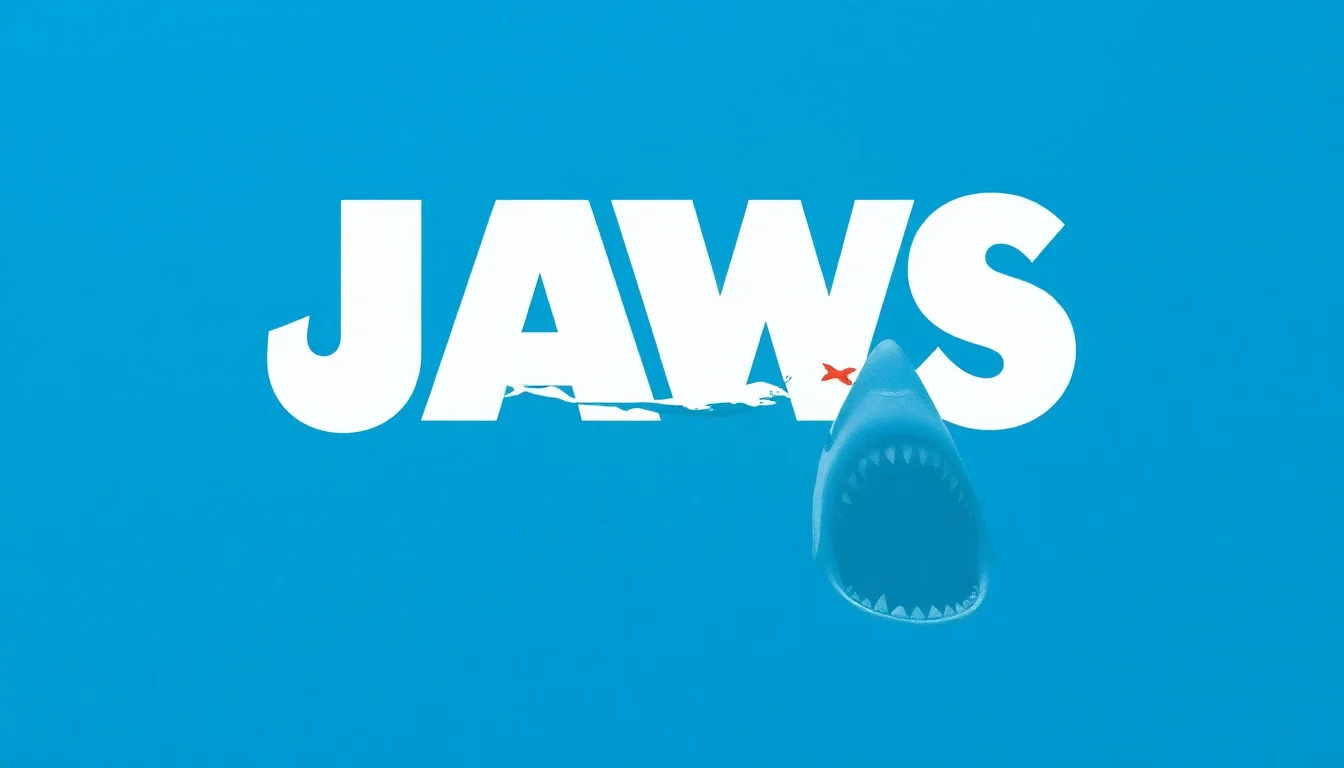
Jaws has had a profound impact on popular culture, with references to the film appearing in everything from The Simpsons to Saturday Night Live. The film's iconic score, composed by John Williams, has become synonymous with suspense and fear, and its influence can be heard in countless other films and TV shows. The film's marketing campaign, which included a now-famous poster featuring a giant shark looming over a swimmer, has been studied by marketers and advertisers, who seek to replicate its success. The film's influence can also be seen in the work of other filmmakers, such as Quentin Tarantino and Martin Scorsese, who have cited Jaws as an inspiration. The film's cultural significance extends beyond the film industry, with Jaws being referenced in music, literature, and art.
📊 Box Office Success: The Numbers Behind Jaws
Jaws was a massive commercial success, grossing over $470 million at the box office and becoming one of the highest-grossing films of all time. The film's success can be attributed to its broad appeal, which spanned across different demographics and age groups. The film's box office success was fueled by its word of mouth and positive reviews from critics, who praised the film's suspenseful storytelling and memorable characters. The film's success also spawned a series of merchandising opportunities, including toys, clothing, and other products. The film's home video release was also highly successful, with the film becoming one of the best-selling VHS tapes of all time. The film's success has been studied by economists and business analysts, who seek to understand the factors that contribute to a film's commercial success.
👥 The Cast and Crew: Who Made Jaws Possible
The cast and crew of Jaws were a talented and dedicated group of individuals who worked together to bring the film to life. The film's director, Steven Spielberg, was a relatively new filmmaker at the time, but he brought a unique vision and energy to the project. The film's cast, including Roy Scheider, Robert Shaw, and Richard Dreyfuss, were all experienced actors who brought depth and nuance to their characters. The film's cinematography was handled by Bill Butler, who used a combination of close-ups and wide shots to create a sense of tension and suspense. The film's editing was handled by Verna Fields, who worked closely with Spielberg to create a sense of pacing and rhythm. The film's sound design was handled by Ben Burtt, who created the iconic sound effects that have become synonymous with the film.
🌴 Amity Island: The Fictional Setting with a Real-Life Impact
Amity Island, the fictional setting of Jaws, has become a cultural touchstone, symbolizing the idyllic summer vacation spot that is disrupted by the presence of a giant shark. The island's tourism industry has been affected by the film, with some tourists seeking to visit the island and experience the thrill of swimming in the same waters as the fictional shark. However, the film's portrayal of Amity Island has also been criticized by local residents, who argue that it perpetuates negative stereotypes about the island and its people. The island's economy has also been impacted by the film, with some businesses benefiting from the increased tourism and others suffering from the negative publicity. The film's influence can also be seen in the work of other filmmakers, such as Wes Craven, who have used similar settings and themes in their own films.
🦈 The Cultural Significance of Sharks in Film and Media
The cultural significance of sharks in film and media is a complex and multifaceted topic, with sharks being portrayed as both monsters and majestic creatures. The film Jaws has contributed to the negative stereotypes surrounding sharks, but it has also raised awareness about the importance of shark conservation and the need to protect these magnificent creatures. The film's influence can be seen in the work of other filmmakers, such as James Cameron, who have used sharks as a symbol of power and strength. The film's cultural impact extends beyond the film industry, with sharks being referenced in music, literature, and art. The film's influence can also be seen in the work of marine biologists, who have used the film as a way to raise awareness about the importance of shark conservation.
📺 Jaws in the Digital Age: Re-Releases and Remasters
Jaws has been re-released and remastered several times over the years, with each new version offering a unique and improved viewing experience. The film's Blu-ray release, which includes a range of special features and behind-the-scenes footage, has been praised by fans and critics alike. The film's streaming release has also been popular, with the film being available on a range of platforms, including Netflix and Amazon Prime. The film's restoration has been handled by a team of experts, who have worked to preserve the film's original quality and integrity. The film's preservation is an ongoing process, with the film being constantly monitored and maintained to ensure its longevity.
👀 The Enduring Legacy of Jaws: Why It Remains a Classic
The enduring legacy of Jaws is a testament to the film's timeless appeal and its ability to continue to captivate audiences. The film's influence can be seen in a range of other films and TV shows, including The Shallows and Shark Tank. The film's cultural significance extends beyond the film industry, with Jaws being referenced in music, literature, and art. The film's iconic status has been cemented by its inclusion in the National Film Registry, which recognizes films that are culturally, historically, or aesthetically significant. The film's influence can also be seen in the work of other filmmakers, such as Guillermo del Toro, who have cited Jaws as an inspiration.
🌊 Conservation Efforts: How Jaws Raised Awareness about Shark Conservation
The conservation efforts sparked by Jaws have been significant, with the film raising awareness about the importance of shark conservation and the need to protect these magnificent creatures. The film's influence can be seen in the work of marine biologists, who have used the film as a way to raise awareness about the importance of shark conservation. The film's cultural impact extends beyond the film industry, with sharks being referenced in music, literature, and art. The film's influence can also be seen in the work of conservation organizations, who have used the film as a way to raise awareness about the importance of shark conservation. The film's legacy continues to inspire new generations of filmmakers, scientists, and conservationists, who are working to protect the world's oceans and the creatures that inhabit them.
🎉 The 40th Anniversary of Jaws: A Celebration of a Cultural Phenomenon
The 40th anniversary of Jaws was celebrated in 2015, with a range of events and tributes taking place around the world. The film's anniversary was marked by a special screening at the Tribeca Film Festival, which included a Q&A session with the film's cast and crew. The film's legacy continues to inspire new generations of filmmakers, scientists, and conservationists, who are working to protect the world's oceans and the creatures that inhabit them. The film's cultural significance extends beyond the film industry, with Jaws being referenced in music, literature, and art. The film's influence can also be seen in the work of other filmmakers, such as Jordan Peele, who have cited Jaws as an inspiration.
Key Facts
- Year
- 1975
- Origin
- Universal Pictures, Amblin Entertainment
- Category
- Pop Culture, Film, Marine Biology
- Type
- Film, Cultural Phenomenon
Frequently Asked Questions
What is the name of the shark in Jaws?
The shark in Jaws is named Bruce, after Steven Spielberg's lawyer. The shark was a mechanical creature that was built for the film, and it has become one of the most iconic movie monsters of all time. The shark's design was handled by a team of experts, who worked to create a realistic and terrifying creature. The shark's performance was also impressive, with the creature being able to swim and attack with ease.
How much did Jaws gross at the box office?
Jaws grossed over $470 million at the box office, making it one of the highest-grossing films of all time. The film's box office success was fueled by its broad appeal, which spanned across different demographics and age groups. The film's marketing campaign was also highly successful, with the film's poster and trailer becoming iconic in the world of pop culture.
What is the cultural significance of Jaws?
Jaws has had a profound impact on popular culture, with references to the film appearing in everything from The Simpsons to Saturday Night Live. The film's cultural significance extends beyond the film industry, with Jaws being referenced in music, literature, and art. The film's influence can also be seen in the work of other filmmakers, such as Quentin Tarantino and Martin Scorsese, who have cited Jaws as an inspiration.
How has Jaws influenced the film industry?
Jaws has had a significant influence on the film industry, with its blockbuster success paving the way for other big-budget films. The film's special effects were groundbreaking for their time, and they have been widely influential in the film industry. The film's suspenseful storytelling and memorable characters have also been widely influential, with many filmmakers citing Jaws as an inspiration. The film's cinematography and editing have also been praised, with the film's use of close-ups and wide shots creating a sense of tension and suspense.
What is the legacy of Jaws?
The legacy of Jaws is a testament to the film's timeless appeal and its ability to continue to captivate audiences. The film's influence can be seen in a range of other films and TV shows, including The Shallows and Shark Tank. The film's cultural significance extends beyond the film industry, with Jaws being referenced in music, literature, and art. The film's iconic status has been cemented by its inclusion in the National Film Registry, which recognizes films that are culturally, historically, or aesthetically significant.
How has Jaws raised awareness about shark conservation?
Jaws has raised awareness about the importance of shark conservation and the need to protect these magnificent creatures. The film's influence can be seen in the work of marine biologists, who have used the film as a way to raise awareness about the importance of shark conservation. The film's cultural impact extends beyond the film industry, with sharks being referenced in music, literature, and art. The film's influence can also be seen in the work of conservation organizations, who have used the film as a way to raise awareness about the importance of shark conservation.
What is the significance of Amity Island in Jaws?
Amity Island, the fictional setting of Jaws, has become a cultural touchstone, symbolizing the idyllic summer vacation spot that is disrupted by the presence of a giant shark. The island's tourism industry has been affected by the film, with some tourists seeking to visit the island and experience the thrill of swimming in the same waters as the fictional shark. However, the film's portrayal of Amity Island has also been criticized by local residents, who argue that it perpetuates negative stereotypes about the island and its people.