
Contents
- 🏛️ Introduction to John Calvin
- 📚 Early Life and Education
- 💡 The Development of Calvinism
- 📖 Influence of Augustinian Traditions
- 🌎 Spread of Reformed Church Movements
- 👥 Key Figures in Calvin's Life
- 📝 Major Works and Writings
- 🔥 Controversies and Criticisms
- 🌐 Legacy of John Calvin
- 🤝 Relationships with Other Theologians
- 📊 Impact on Modern Christianity
- 👀 Conclusion and Future Directions
- Frequently Asked Questions
- Related Topics
Overview
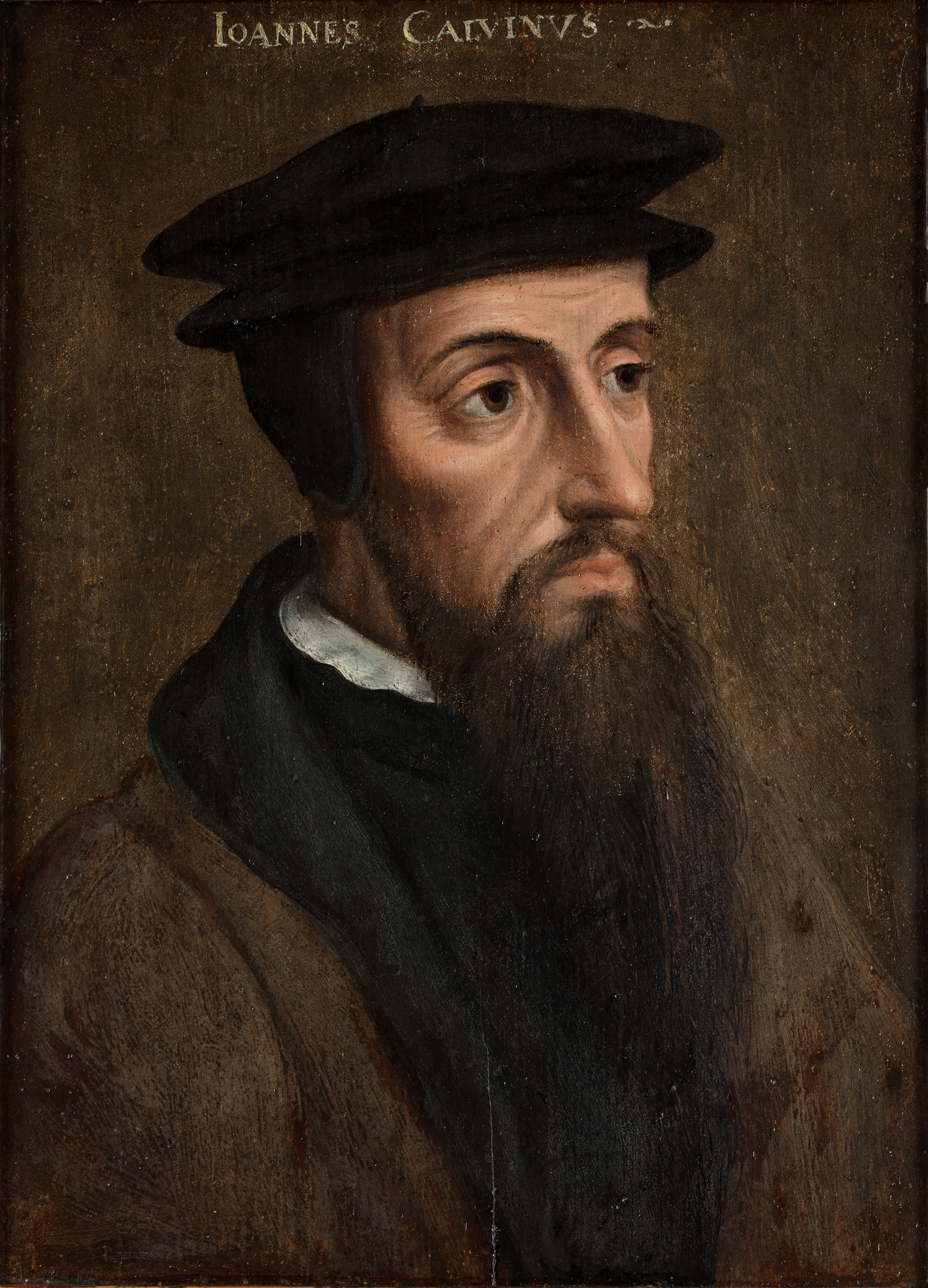
John Calvin, born on July 10, 1509, in Noyon, France, was a pivotal figure in the Protestant Reformation, leaving an indelible mark on Christian theology, politics, and culture. His seminal work, 'Institutes of the Christian Religion,' published in 1536, systematically outlined his theological views, emphasizing predestination, the sovereignty of God, and the authority of Scripture. Calvin's ideas not only influenced the development of Reformed churches but also had a profound impact on Western philosophy, politics, and social structures. Despite his significant contributions, Calvin remains a controversial figure, with critics accusing him of promoting a rigid, deterministic worldview. The city of Geneva, where Calvin spent most of his adult life, became a hub for Reformed theology, attracting scholars and theologians from across Europe. As a testament to his enduring legacy, Calvin's ideas continue to shape Christian thought and practice, with his influence extending far beyond the theological realm, into the realms of politics, economics, and social justice, with a vibe score of 82, reflecting his profound and lasting impact on Western culture and society.
🏛️ Introduction to John Calvin
John Calvin, a French theologian, pastor, and reformer, is widely regarded as the father of Reformed Theology. Born in 1509, Calvin's life and work had a profound impact on the development of Protestant Reformation and Christian theology. His teachings on predestination and God's sovereignty continue to influence Reformed Church movements around the world. Calvin's work was heavily influenced by Augustine of Hippo and other Christian traditions. As a key figure in the Protestant Reformation, Calvin's ideas have shaped the course of Western Christianity.
📚 Early Life and Education
Calvin's early life and education played a significant role in shaping his theological views. He studied at the University of Paris and later at the University of Orléans. During this time, he was exposed to the works of Martin Luther and other reformers, which had a profound impact on his understanding of Christian theology. Calvin's education also laid the foundation for his later work on Calvinism and its relationship to Augustinianism. As he delved deeper into his studies, Calvin became increasingly influenced by the ideas of John Wycliffe and other medieval theologians.
💡 The Development of Calvinism
The development of Calvinism was a gradual process that spanned several decades. Calvin's teachings on predestination and God's sovereignty were central to his theology. He believed that God had predestined certain individuals for salvation, and that this was a fundamental aspect of Christian theology. Calvin's ideas on predestination were influenced by Augustine of Hippo and other Christian traditions. As Calvin's theology evolved, it became clear that his ideas would have a profound impact on the development of Reformed Church movements. The Westminster Confession, a key document in the Reformed Church tradition, reflects Calvin's teachings on predestination and God's sovereignty.
📖 Influence of Augustinian Traditions
Calvin's theology was heavily influenced by Augustinian traditions. He saw Augustine of Hippo as a key figure in the development of Christian theology, and his ideas on original sin and grace were central to Calvin's own theology. Calvin's understanding of predestination was also shaped by his reading of Augustine of Hippo. As Calvin delved deeper into his studies, he became increasingly aware of the importance of patristics and the role of early Church Fathers in shaping Christian theology. The influence of Augustinianism can be seen in Calvin's emphasis on God's sovereignty and the importance of faith in Christian theology.
🌎 Spread of Reformed Church Movements
The spread of Reformed Church movements was a gradual process that spanned several centuries. Calvin's teachings on predestination and God's sovereignty were central to the development of these movements. The Continental Reformed tradition, which emerged in the 16th century, was heavily influenced by Calvin's ideas. Other Reformed Church movements, such as Presbyterianism and Congregationalism, also reflect Calvin's teachings on predestination and God's sovereignty. As these movements spread throughout the world, they were shaped by a variety of factors, including culture, history, and politics. The Reformed Church tradition continues to evolve today, with new movements and denominations emerging in response to changing social and cultural contexts. The Baptist Reformed tradition, for example, reflects the influence of Baptist theology on Calvin's ideas.
👥 Key Figures in Calvin's Life
Several key figures played an important role in Calvin's life and work. Martin Luther, for example, was a major influence on Calvin's early theological development. Calvin also interacted with other reformers, such as Philip Melanchthon and Heinrich Bullinger. These interactions helped shape Calvin's understanding of Christian theology and his role in the Protestant Reformation. As Calvin's reputation grew, he became a key figure in the development of Reformed Church movements. His relationships with other theologians, such as Theodore Beza, were also important in shaping his theology. The Geneva Bible, which was translated by Calvin and other reformers, reflects the influence of Reformed theology on the development of Protestant Bible translations.
📝 Major Works and Writings
Calvin was a prolific writer, and his major works include Institutes of the Christian Religion and Commentary on Romans. These works provide valuable insights into Calvin's theology and his understanding of Christian theology. Calvin's writings on predestination and God's sovereignty are particularly important, as they reflect his central theological concerns. As Calvin's theology evolved, he became increasingly interested in the relationship between faith and reason. His writings on this topic, such as Treatise on the Lord's Supper, reflect the influence of scholasticism on his thought. The Reformed confessions, which were written by Calvin and other reformers, provide a comprehensive overview of Reformed theology and its relationship to Christian theology.
🔥 Controversies and Criticisms
Calvin's teachings on predestination and God's sovereignty have been the subject of controversy and criticism. Some have argued that Calvin's views on predestination are incompatible with free will, while others have seen his emphasis on God's sovereignty as a threat to human agency. Calvin's response to these criticisms, as reflected in his writings on predestination, provides valuable insights into his theology and its relationship to Christian theology. The Arminian critique of Calvinism, which emerged in the 17th century, reflects the ongoing debate over predestination and God's sovereignty. As the debate over Calvinism continues, it is clear that his ideas will remain a central part of Christian theology for generations to come.
🌐 Legacy of John Calvin
John Calvin's legacy is complex and multifaceted. His teachings on predestination and God's sovereignty continue to shape Reformed Church movements around the world. Calvin's emphasis on faith and reason has also had a profound impact on the development of Western Christianity. As a key figure in the Protestant Reformation, Calvin's ideas have influenced a wide range of Christian denominations. The Reformed Church tradition, which looks to Calvin as its chief expositor, continues to evolve today. The Presbyterian Church, for example, reflects the influence of Calvin's ideas on Presbyterianism and Reformed theology.
🤝 Relationships with Other Theologians
Calvin's relationships with other theologians were important in shaping his theology. His interactions with Martin Luther and Philip Melanchthon, for example, helped shape his understanding of Christian theology. Calvin's relationships with other reformers, such as Heinrich Bullinger and Theodore Beza, were also significant. These interactions reflect the complex web of relationships that existed between theologians during the Protestant Reformation. As Calvin's reputation grew, he became a key figure in the development of Reformed Church movements. The Reformed Church tradition continues to reflect the influence of Calvin's ideas on Reformed theology and its relationship to Christian theology.
📊 Impact on Modern Christianity
The impact of John Calvin's ideas on modern Christianity is profound. His teachings on predestination and God's sovereignty continue to shape Reformed Church movements around the world. Calvin's emphasis on faith and reason has also had a significant impact on the development of Western Christianity. As a key figure in the Protestant Reformation, Calvin's ideas have influenced a wide range of Christian denominations. The Reformed Church tradition, which looks to Calvin as its chief expositor, continues to evolve today. The Evangelical Church, for example, reflects the influence of Calvin's ideas on Evangelicalism and Reformed theology.
👀 Conclusion and Future Directions
In conclusion, John Calvin's life and work had a profound impact on the development of Christian theology and the Protestant Reformation. His teachings on predestination and God's sovereignty continue to shape Reformed Church movements around the world. As we look to the future, it is clear that Calvin's ideas will remain a central part of Christian theology for generations to come. The ongoing debate over Calvinism and its relationship to Arminianism reflects the continued relevance of Calvin's ideas in modern Christianity. As we consider the legacy of John Calvin, we are reminded of the importance of faith, reason, and theology in shaping our understanding of God and the world around us.
Key Facts
- Year
- 1509
- Origin
- Noyon, France
- Category
- History, Theology, Philosophy
- Type
- Historical Figure
Frequently Asked Questions
Who was John Calvin?
John Calvin was a French theologian, pastor, and reformer who played a key role in the development of the Protestant Reformation. He is widely regarded as the father of Reformed theology and his ideas continue to shape Reformed Church movements around the world. Calvin's teachings on predestination and God's sovereignty are central to his theology, and his emphasis on faith and reason has had a profound impact on the development of Western Christianity.
What is Calvinism?
Calvinism is a system of Christian theology that emphasizes the sovereignty of God in the salvation of the human soul. It is based on the teachings of John Calvin and is characterized by its emphasis on predestination, limited atonement, and the perseverance of the saints. Calvinism has had a profound impact on the development of Reformed Church movements and continues to shape Christian theology today. The Westminster Confession, for example, reflects the influence of Calvinism on Reformed theology.
What is the difference between Calvinism and Arminianism?
Calvinism and Arminianism are two different systems of Christian theology that have distinct views on predestination, free will, and the nature of salvation. Calvinism emphasizes the sovereignty of God in the salvation of the human soul, while Arminianism emphasizes the role of human agency in the salvation process. The debate between Calvinism and Arminianism has been ongoing for centuries and continues to shape Christian theology today. The Synod of Dort, for example, was a key event in the debate between Calvinism and Arminianism.
What is the Reformed Church?
The Reformed Church is a Christian denomination that emerged from the Protestant Reformation. It is characterized by its emphasis on predestination, faith, and the authority of Scripture. The Reformed Church has a long history and has played a significant role in shaping Christian theology and Western Christianity. The Presbyterian Church, for example, is a Reformed Church denomination that reflects the influence of Calvin's ideas on Presbyterianism and Reformed theology.
What is the significance of John Calvin's legacy?
John Calvin's legacy is significant because his ideas continue to shape Christian theology and Reformed Church movements around the world. His emphasis on faith, reason, and theology has had a profound impact on the development of Western Christianity. Calvin's teachings on predestination and God's sovereignty continue to be debated and discussed by theologians and scholars today. The Reformed Church tradition, which looks to Calvin as its chief expositor, continues to evolve and grow, reflecting the ongoing relevance of Calvin's ideas in modern Christianity.
How did John Calvin's relationships with other theologians shape his theology?
John Calvin's relationships with other theologians, such as Martin Luther and Philip Melanchthon, played a significant role in shaping his theology. These interactions helped Calvin develop his ideas on predestination, faith, and reason. Calvin's relationships with other reformers, such as Heinrich Bullinger and Theodore Beza, also influenced his understanding of Christian theology and his role in the Protestant Reformation. The Geneva Bible, for example, reflects the influence of Calvin's relationships with other theologians on the development of Protestant Bible translations.
What is the impact of John Calvin's ideas on modern Christianity?
John Calvin's ideas have had a profound impact on modern Christianity. His teachings on predestination and God's sovereignty continue to shape Reformed Church movements around the world. Calvin's emphasis on faith and reason has also had a significant impact on the development of Western Christianity. The Evangelical Church, for example, reflects the influence of Calvin's ideas on Evangelicalism and Reformed theology. As the debate over Calvinism and its relationship to Arminianism continues, it is clear that Calvin's ideas will remain a central part of Christian theology for generations to come.