
Contents
- 🌎 Introduction to the Protestant Reformation
- 📚 Historical Context of the Reformation
- 👑 The Role of the Papacy and Catholic Church Hierarchy
- 📖 The Emergence of Protestantism
- 👨🏫 Key Figures of the Reformation
- 📝 Theological Debates and Conflicts
- 🌍 The Reformation's Impact on European Society
- 🕊️ The Legacy of the Reformation
- 📊 The Reformation's Economic and Political Consequences
- 🌈 The Reformation's Influence on Art and Culture
- 📚 The Reformation's Impact on Education and Literature
- Frequently Asked Questions
- Related Topics
Overview
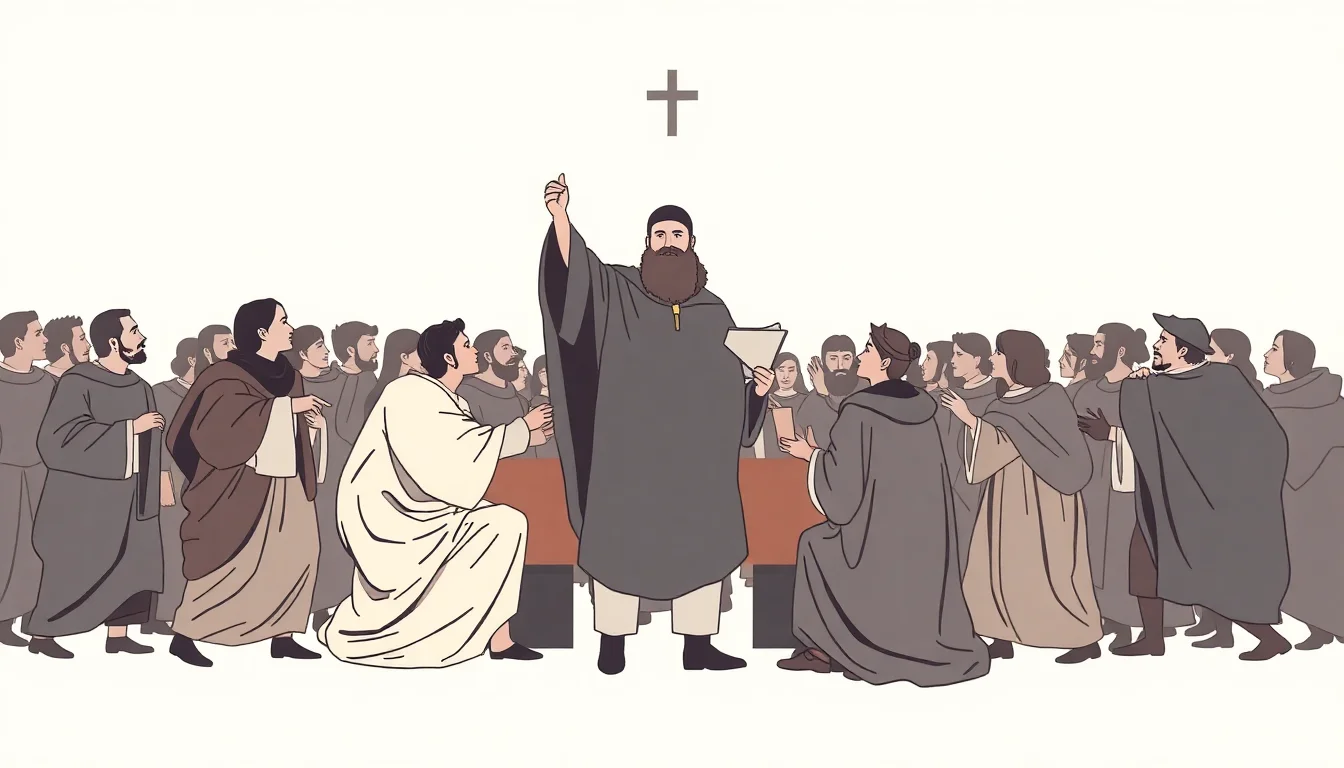
The Protestant Reformation, sparked by Martin Luther's 95 Theses in 1517, was a pivotal event in European history that challenged the authority of the Catholic Church, leading to the emergence of Protestantism. Key figures like John Calvin, Huldrych Zwingli, and Henry VIII played significant roles in shaping the movement. The Reformation's impact was felt across the continent, with the Thirty Years' War (1618-1648) being a devastating consequence. The movement's emphasis on individual interpretation of scripture, faith alone, and the priesthood of all believers helped to democratize Christianity. With a Vibe score of 82, the Protestant Reformation remains a highly influential and debated topic, with its legacy continuing to shape modern Christianity. The Reformation's influence can be seen in the works of later theologians and reformers, such as Jonathan Edwards and Charles Finney, and its impact on Western society extends beyond religion to areas like politics, art, and literature.
🌎 Introduction to the Protestant Reformation
The Protestant Reformation, also known as the European Reformation, was a significant theological movement in Western Christianity that took place in 16th-century Europe. This movement posed a major challenge to the authority of the Catholic Church hierarchy and the papacy. The Reformation marked the beginning of Protestantism and is considered one of the events that signified the end of the Middle Ages and the beginning of the early modern period in Europe. The Reformation was influenced by the Renaissance and the works of Martin Luther. The movement also had a significant impact on the politics and society of Europe. As the Reformation gained momentum, it led to the emergence of new Christian denominations and the Protestant Church.
📚 Historical Context of the Reformation
The historical context of the Reformation is complex and multifaceted. The Catholic Church had become increasingly powerful and corrupt, leading to widespread discontent among the population. The Black Death had also had a profound impact on European society, leading to increased social and economic upheaval. The works of John Wycliffe and Jan Hus had already laid the groundwork for the Reformation, criticizing the Catholic Church and advocating for reform. The Reformation was also influenced by the humanism of the Renaissance, which emphasized the potential of human beings to achieve great things through education and reason. As the Reformation progressed, it led to the development of new theological ideas and the emergence of Protestant theology.
👑 The Role of the Papacy and Catholic Church Hierarchy
The papacy and the Catholic Church hierarchy played a significant role in the Reformation. The Pope was seen as the ultimate authority in the Catholic Church, and the hierarchy was responsible for maintaining the Church's power and influence. However, the Catholic Church had become increasingly corrupt and abusive, leading to widespread criticism and discontent. The Reformation challenged the authority of the Pope and the Catholic Church hierarchy, advocating for a more direct relationship between the individual and God. The Reformation also led to the emergence of new church governance models, such as the Presbyterian Church and the Congregational Church.
📖 The Emergence of Protestantism
The emergence of Protestantism was a significant consequence of the Reformation. Protestantism emphasized the importance of individual faith and the authority of the Bible. The movement also led to the development of new theological ideas, such as justification by faith and the priesthood of all believers. The Reformation also led to the emergence of new Christian denominations, such as the Lutheran Church and the Calvinist Church. As Protestantism spread, it had a significant impact on European society and politics. The movement also influenced the development of education and literature in Europe. The Reformation's emphasis on individual faith and the authority of the Bible also led to the development of new biblical interpretation methods.
👨🏫 Key Figures of the Reformation
Key figures of the Reformation include Martin Luther, John Calvin, and Henry VIII. These individuals played a significant role in shaping the theological and political landscape of Europe during the Reformation. Martin Luther is often credited with sparking the Reformation with his Ninety-Five Theses, which criticized the Catholic Church and advocated for reform. John Calvin developed the Calvinist theology, which emphasized the sovereignty of God and the importance of predestination. Henry VIII played a significant role in the English Reformation, establishing the Church of England and breaking away from the authority of the Pope.
📝 Theological Debates and Conflicts
Theological debates and conflicts were a hallmark of the Reformation. The movement was marked by intense disagreements over issues such as justification by faith, the authority of the Bible, and the role of the Catholic Church in salvation. The Reformation also led to the development of new theological ideas, such as Protestant theology and the priesthood of all believers. The movement also had a significant impact on the politics and society of Europe, leading to the emergence of new Christian denominations and the Protestant Church. As the Reformation progressed, it led to increased tensions between Catholics and Protestants, ultimately leading to the Thirty Years' War.
🌍 The Reformation's Impact on European Society
The Reformation had a significant impact on European society. The movement led to increased social and economic mobility, as well as the emergence of new social classes. The Reformation also had a profound impact on the family and the role of women in society. The movement emphasized the importance of education and literacy, leading to increased access to books and other written materials. The Reformation also influenced the development of art and music in Europe, leading to the emergence of new artistic styles and musical genres. As the Reformation progressed, it led to the development of new cultural norms and social norms.
🕊️ The Legacy of the Reformation
The legacy of the Reformation is complex and multifaceted. The movement had a profound impact on the development of Western civilization, shaping the course of history and influencing the emergence of modern society. The Reformation also led to the development of new theological ideas and the emergence of Protestantism. The movement emphasized the importance of individual faith and the authority of the Bible, leading to increased biblical literacy and a greater emphasis on personal faith. As the Reformation progressed, it led to the development of new church governance models and the emergence of new Christian denominations.
📊 The Reformation's Economic and Political Consequences
The Reformation had significant economic and political consequences. The movement led to the emergence of new nation-states and the development of modern politics. The Reformation also had a profound impact on the economy, leading to increased trade and commerce. The movement emphasized the importance of hard work and frugality, leading to the emergence of new economic classes. The Reformation also influenced the development of education and literature in Europe, leading to increased access to books and other written materials. As the Reformation progressed, it led to the development of new cultural norms and social norms.
🌈 The Reformation's Influence on Art and Culture
The Reformation had a significant influence on art and culture in Europe. The movement led to the emergence of new artistic styles and musical genres. The Reformation also influenced the development of literature in Europe, leading to the emergence of new literary styles and literary genres. The movement emphasized the importance of education and literacy, leading to increased access to books and other written materials. As the Reformation progressed, it led to the development of new cultural norms and social norms. The Reformation's influence on art and culture can still be seen today, with many modern artistic styles and musical genres tracing their roots back to the Reformation.
📚 The Reformation's Impact on Education and Literature
The Reformation had a significant impact on education and literature in Europe. The movement emphasized the importance of education and literacy, leading to increased access to books and other written materials. The Reformation also influenced the development of literature in Europe, leading to the emergence of new literary styles and literary genres. The movement led to the translation of the Bible into vernacular languages, making it more accessible to the general population. As the Reformation progressed, it led to the development of new cultural norms and social norms. The Reformation's influence on education and literature can still be seen today, with many modern literary styles and literary genres tracing their roots back to the Reformation.
Key Facts
- Year
- 1517
- Origin
- Wittenberg, Germany
- Category
- History, Religion
- Type
- Historical Event
Frequently Asked Questions
What was the main cause of the Protestant Reformation?
The main cause of the Protestant Reformation was the corruption and abuse of power within the Catholic Church. The Church had become increasingly powerful and corrupt, leading to widespread discontent among the population. The works of Martin Luther and other reformers criticized the Church and advocated for reform, ultimately leading to the emergence of Protestantism. The Reformation was also influenced by the humanism of the Renaissance, which emphasized the potential of human beings to achieve great things through education and reason.
Who were the key figures of the Reformation?
The key figures of the Reformation include Martin Luther, John Calvin, and Henry VIII. These individuals played a significant role in shaping the theological and political landscape of Europe during the Reformation. Martin Luther is often credited with sparking the Reformation with his Ninety-Five Theses, which criticized the Catholic Church and advocated for reform. John Calvin developed the Calvinist theology, which emphasized the sovereignty of God and the importance of predestination.
What was the impact of the Reformation on European society?
The Reformation had a significant impact on European society. The movement led to increased social and economic mobility, as well as the emergence of new social classes. The Reformation also had a profound impact on the family and the role of women in society. The movement emphasized the importance of education and literacy, leading to increased access to books and other written materials. As the Reformation progressed, it led to the development of new cultural norms and social norms.
What was the legacy of the Reformation?
The legacy of the Reformation is complex and multifaceted. The movement had a profound impact on the development of Western civilization, shaping the course of history and influencing the emergence of modern society. The Reformation also led to the development of new theological ideas and the emergence of Protestantism. The movement emphasized the importance of individual faith and the authority of the Bible, leading to increased biblical literacy and a greater emphasis on personal faith.
How did the Reformation influence art and culture in Europe?
The Reformation had a significant influence on art and culture in Europe. The movement led to the emergence of new artistic styles and musical genres. The Reformation also influenced the development of literature in Europe, leading to the emergence of new literary styles and literary genres. The movement emphasized the importance of education and literacy, leading to increased access to books and other written materials. As the Reformation progressed, it led to the development of new cultural norms and social norms.
What was the impact of the Reformation on education and literature in Europe?
The Reformation had a significant impact on education and literature in Europe. The movement emphasized the importance of education and literacy, leading to increased access to books and other written materials. The Reformation also influenced the development of literature in Europe, leading to the emergence of new literary styles and literary genres. The movement led to the translation of the Bible into vernacular languages, making it more accessible to the general population. As the Reformation progressed, it led to the development of new cultural norms and social norms.
How did the Reformation shape the course of modern history?
The Reformation had a profound impact on the course of modern history. The movement led to the emergence of new nation-states and the development of modern politics. The Reformation also had a significant impact on the economy, leading to increased trade and commerce. The movement emphasized the importance of hard work and frugality, leading to the emergence of new economic classes. As the Reformation progressed, it led to the development of new cultural norms and social norms.