
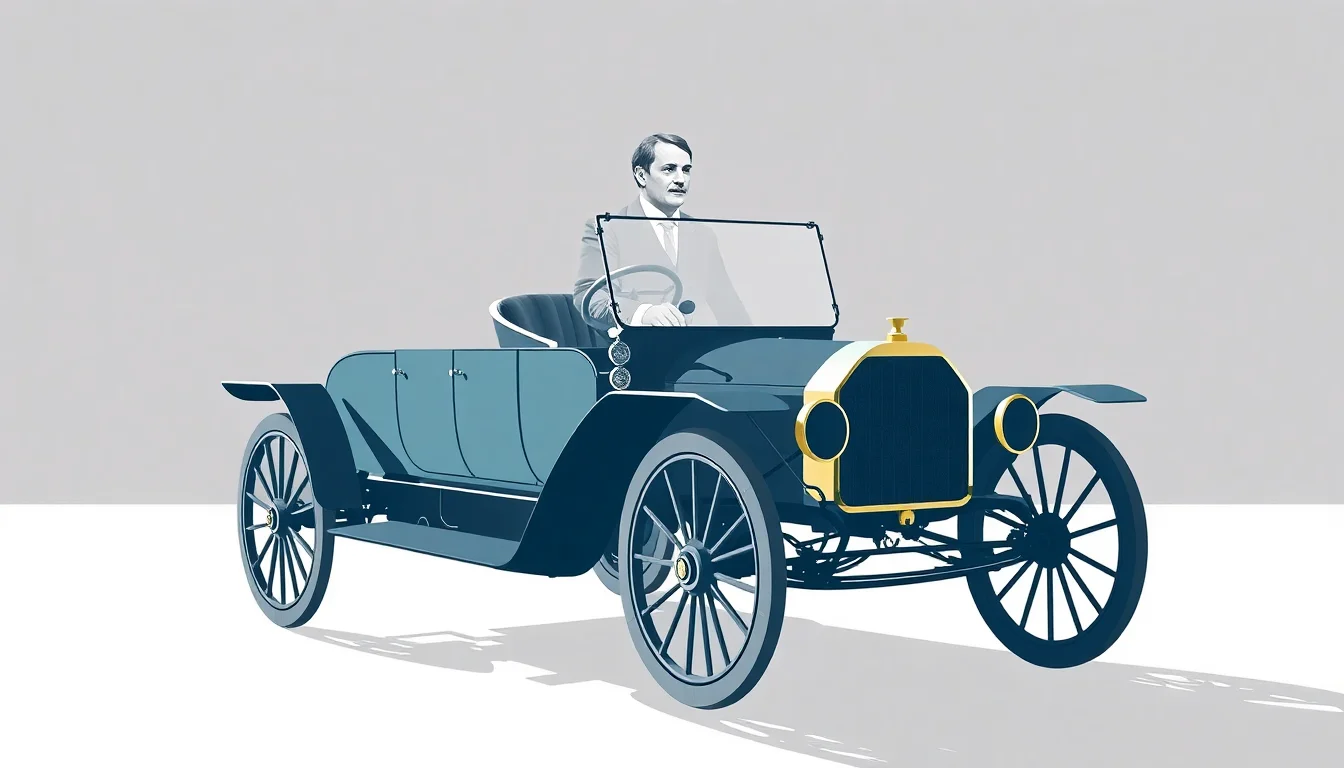
Contents
- 🚗 Introduction to Karl Benz
- 📚 Early Life and Education
- 🔧 The Birth of the Automobile
- 🚫 Challenges and Controversies
- 📈 The First Practical Automobile
- 👥 Collaboration and Competition
- 🚀 The Benz Patent-Motorwagen
- 🌎 Global Impact and Legacy
- 🏆 Awards and Recognition
- 📊 The Business of Automobiles
- 🔮 The Future of Transportation
- Frequently Asked Questions
- Related Topics
Overview
Karl Benz, a German engineer, is widely credited with the invention of the first practical automobile. Born on November 25, 1844, in Karlsruhe, Germany, Benz designed and built the Benz Patent-Motorwagen in 1885, which is considered the first practical automobile. With a top speed of about 10 mph, this three-wheeled, gasoline-powered vehicle revolutionized transportation and paved the way for the modern car industry. Benz's innovative design and perseverance in the face of skepticism and criticism have made him a legendary figure in the history of technology. His company, Benz & Cie., became one of the largest and most successful automobile manufacturers in Germany, and in 1926, it merged with Gottlieb Daimler's company to form Daimler-Benz AG, the precursor to modern-day Mercedes-Benz. Today, Karl Benz is remembered as a pioneer and a visionary who transformed the way people live, work, and travel, with a lasting impact on the world's economy, culture, and environment.
🚗 Introduction to Karl Benz
Karl Benz is widely regarded as the father of the automobile, with his innovative designs and perseverance paving the way for the modern car industry. Born on November 25, 1844, in Karlsruhe, Germany, Benz grew up with a passion for engineering and mechanics, which would eventually lead him to create the first practical automobile. His work was heavily influenced by the Industrial Revolution and the development of steam engines. As a young man, Benz was fascinated by the potential of internal combustion engines and their application in transportation. He began experimenting with these engines, laying the foundation for his future innovations.
📚 Early Life and Education
Benz's early life and education played a significant role in shaping his future as an engineer and inventor. He studied mechanical engineering at the University of Karlsruhe, where he was exposed to the latest advancements in the field. After completing his studies, Benz worked as a mechanical engineer in several companies, gaining valuable experience and knowledge that would later contribute to his success. His interest in mechanical engineering and innovation drove him to continue experimenting and pushing the boundaries of what was possible. Benz's work was also influenced by the history of transportation and the development of railways.
🔧 The Birth of the Automobile
The birth of the automobile is a story of trial and error, with Benz facing numerous challenges and setbacks along the way. In 1885, he designed and built the first practical automobile, the Benz Patent-Motorwagen, which was powered by a single-cylinder, four-stroke internal combustion engine. This innovative vehicle featured three wheels, a manual transmission system, and a top speed of about 10 mph. The development of the automobile was a significant milestone in the history of technology. Benz's design was influenced by the work of Nicolaus August Otto and the development of the Otto cycle.
🚫 Challenges and Controversies
Despite the significance of his invention, Benz faced significant challenges and controversies throughout his career. Many people were skeptical about the practicality and safety of the automobile, and Benz struggled to gain recognition and support for his work. Additionally, he faced competition from other inventors and engineers, including Gottlieb Daimler and Wilhelm Maybach, who were also working on similar projects. The controversy surrounding the patent for the automobile led to a lengthy legal battle between Benz and Daimler. Benz's work was also influenced by the history of patent law and the development of intellectual property.
📈 The First Practical Automobile
The first practical automobile, the Benz Patent-Motorwagen, was a groundbreaking innovation that paved the way for the modern car industry. With its single-cylinder, four-stroke engine and manual transmission system, this vehicle was capable of reaching a top speed of about 10 mph. The design and construction of the Patent-Motorwagen were influenced by the work of Karl Benz and the development of the automobile industry. The automotive engineering that went into the design of the Patent-Motorwagen was a significant milestone in the history of technology. The development of the internal combustion engine was a crucial component of the automobile.
👥 Collaboration and Competition
Benz's collaboration with other engineers and inventors played a significant role in the development of the automobile. In 1890, he founded the Benz & Cie. company, which became one of the first automobile manufacturers in the world. Benz's company collaborated with other manufacturers, including Daimler Motoren Gesellschaft, to produce and market automobiles. The collaboration between Benz and Gottlieb Daimler led to the development of the Mercedes-Benz brand. The automobile industry was shaped by the collaboration and competition between these early manufacturers.
🚀 The Benz Patent-Motorwagen
The Benz Patent-Motorwagen, designed and built by Karl Benz in 1885, is widely regarded as the first practical automobile. This innovative vehicle featured a single-cylinder, four-stroke engine and a manual transmission system, and was capable of reaching a top speed of about 10 mph. The Patent-Motorwagen was a significant milestone in the history of technology and paved the way for the modern car industry. The development of the automobile was influenced by the work of Nicolaus August Otto and the development of the Otto cycle. The internal combustion engine was a crucial component of the automobile.
🌎 Global Impact and Legacy
Karl Benz's invention of the automobile had a profound impact on the world, revolutionizing transportation and transforming the way people lived and worked. The automobile industry, which grew out of Benz's innovation, has become a global phenomenon, with millions of vehicles produced and sold every year. The globalization of the automobile industry has led to the development of new technologies and the creation of new jobs. The environmental impact of the automobile industry has also been significant, with the development of electric vehicles and hybrid vehicles. The automobile industry has been shaped by the work of Karl Benz and the development of the internal combustion engine.
🏆 Awards and Recognition
Throughout his career, Karl Benz received numerous awards and recognition for his contributions to the development of the automobile. In 1925, he was awarded the Grand Cross of the German Eagle for his services to the German nation. Benz was also honored with the Gold Medal of the Royal Automobile Club for his pioneering work in the field of automotive engineering. The awards and recognition received by Benz were a testament to his innovative spirit and his contributions to the history of technology.
📊 The Business of Automobiles
The business of automobiles, which grew out of Karl Benz's innovation, has become a global industry with millions of vehicles produced and sold every year. The automobile industry has been shaped by the collaboration and competition between early manufacturers, including Benz & Cie. and Daimler Motoren Gesellschaft. The development of the internal combustion engine was a crucial component of the automobile. The globalization of the automobile industry has led to the development of new technologies and the creation of new jobs.
🔮 The Future of Transportation
As the world looks to the future of transportation, the legacy of Karl Benz and his invention of the automobile continues to shape the industry. With the development of electric vehicles and autonomous vehicles, the automobile industry is undergoing a significant transformation. The future of transportation will be shaped by the work of Karl Benz and the development of the internal combustion engine. The automobile industry will continue to evolve and adapt to new technologies and innovations.
Key Facts
- Year
- 1885
- Origin
- Karlsruhe, Germany
- Category
- History of Technology
- Type
- Person
Frequently Asked Questions
Who is credited with the invention of the first practical automobile?
Karl Benz is widely regarded as the father of the automobile, with his innovative designs and perseverance paving the way for the modern car industry. He designed and built the first practical automobile, the Benz Patent-Motorwagen, in 1885. The development of the automobile was influenced by the work of Nicolaus August Otto and the development of the Otto cycle.
What was the significance of the Benz Patent-Motorwagen?
The Benz Patent-Motorwagen, designed and built by Karl Benz in 1885, was the first practical automobile. This innovative vehicle featured a single-cylinder, four-stroke engine and a manual transmission system, and was capable of reaching a top speed of about 10 mph. The Patent-Motorwagen was a significant milestone in the history of technology and paved the way for the modern car industry. The development of the internal combustion engine was a crucial component of the automobile.
How did Karl Benz's invention impact the world?
Karl Benz's invention of the automobile had a profound impact on the world, revolutionizing transportation and transforming the way people lived and worked. The automobile industry, which grew out of Benz's innovation, has become a global phenomenon, with millions of vehicles produced and sold every year. The globalization of the automobile industry has led to the development of new technologies and the creation of new jobs. The environmental impact of the automobile industry has also been significant, with the development of electric vehicles and hybrid vehicles.
What awards and recognition did Karl Benz receive?
Throughout his career, Karl Benz received numerous awards and recognition for his contributions to the development of the automobile. In 1925, he was awarded the Grand Cross of the German Eagle for his services to the German nation. Benz was also honored with the Gold Medal of the Royal Automobile Club for his pioneering work in the field of automotive engineering.
What is the future of the automobile industry?
As the world looks to the future of transportation, the legacy of Karl Benz and his invention of the automobile continues to shape the industry. With the development of electric vehicles and autonomous vehicles, the automobile industry is undergoing a significant transformation. The future of transportation will be shaped by the work of Karl Benz and the development of the internal combustion engine.
How did Karl Benz's work influence the development of the automobile industry?
Karl Benz's work on the internal combustion engine and the development of the automobile paved the way for the modern car industry. His innovative designs and perseverance paved the way for the development of new technologies and the creation of new jobs. The automobile industry has been shaped by the collaboration and competition between early manufacturers, including Benz & Cie. and Daimler Motoren Gesellschaft.
What is the significance of the internal combustion engine?
The internal combustion engine was a crucial component of the automobile and played a significant role in the development of the modern car industry. The development of the internal combustion engine was influenced by the work of Nicolaus August Otto and the development of the Otto cycle. The internal combustion engine has been the primary source of power for automobiles for over a century and has undergone significant transformations over the years.