
Contents
- 🌎 Introduction to Karst Processes
- 🔍 The History of Karst Research
- 🌟 Karst Landforms and Features
- 🚧 Karst Processes and Mechanisms
- 💡 Chemical Weathering in Karst Systems
- 🌈 Hydrological Processes in Karst
- 🌊 Coastal Karst Processes and Landforms
- 🏔️ Karst Ecosystems and Biodiversity
- 🚨 Environmental Impacts of Karst Processes
- 🔮 Applications of Karst Research
- 📊 Karst Processes and Climate Change
- Frequently Asked Questions
- Related Topics
Overview
Karst processes refer to the unique set of geological and hydrological phenomena that occur in soluble rocks like limestone and dolomite. These processes, which include dissolution, erosion, and sedimentation, are driven by the interaction of water, rock, and life, and have shaped some of the most spectacular and diverse landscapes on Earth. From the towering stalactites and stalagmites of caves to the sinkholes and underground rivers that crisscross karst terrain, these processes have been shaping our planet for millions of years. With a vibe rating of 8, karst processes have a significant cultural resonance, inspiring scientific study, exploration, and conservation efforts. However, they also pose significant challenges, such as sinkhole hazards and groundwater contamination, which must be addressed through careful management and planning. As we look to the future, understanding karst processes will be crucial for mitigating the impacts of climate change and human activity on these fragile and fascinating ecosystems.
🌎 Introduction to Karst Processes
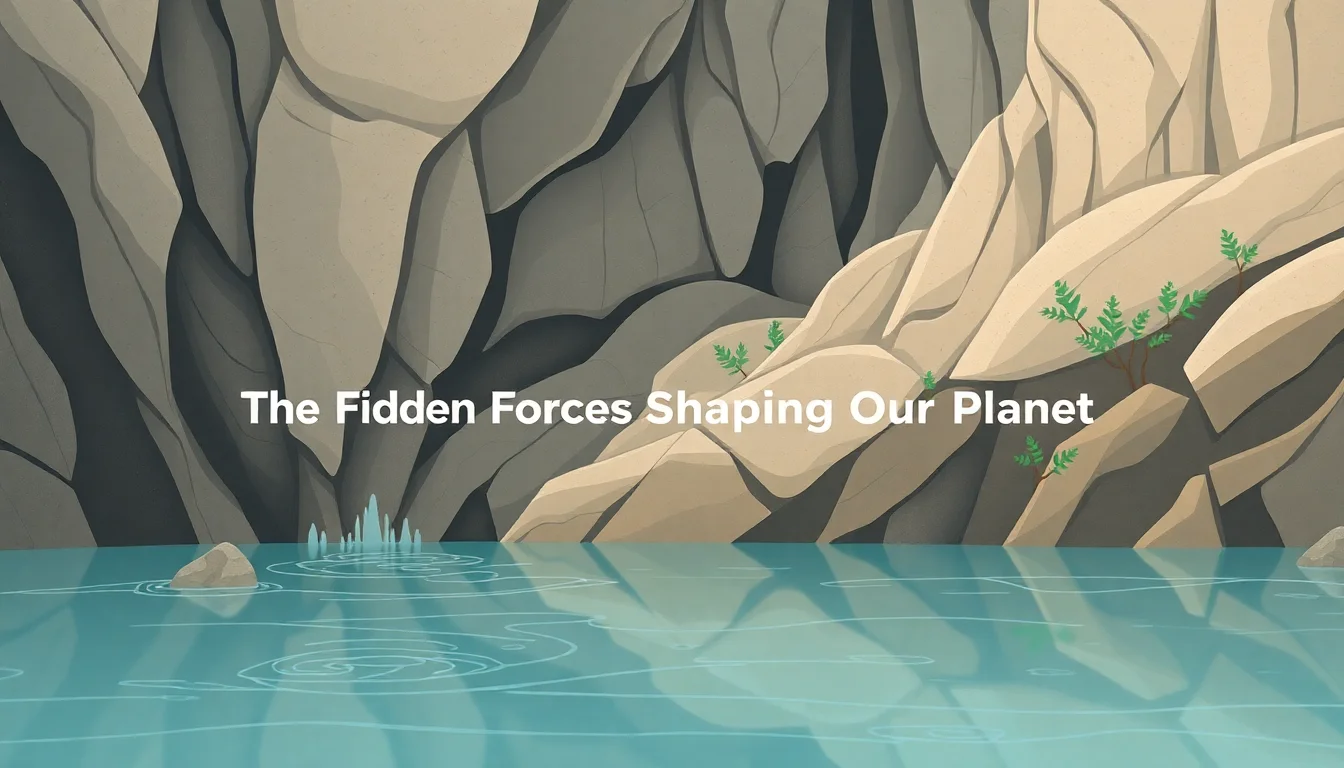
Karst processes are the hidden forces shaping our planet, responsible for creating unique and fascinating landscapes. The study of karst is an interdisciplinary field that draws on Geology, Hydrology, and Ecology to understand the complex interactions between rocks, water, and living organisms. Karst systems are found on every continent, and their distinctive landforms and features are a testament to the power of Chemical Weathering and Erosion. For example, the famous Carlsbad Caverns in New Mexico, USA, are a stunning example of karst landscape. The Dinaric Alps in Europe are another notable example of a karst region, with its unique landforms and features shaped by millions of years of karst processes.
🔍 The History of Karst Research
The history of karst research dates back to the 19th century, when scientists first began to study the unique landscapes and features of karst regions. One of the key figures in the development of karst research was Jovan Cvijić, a Serbian geographer who is considered the father of karst science. Cvijić's work on the Dinaric Alps laid the foundation for modern karst research, which draws on a range of disciplines, including Geology, Hydrology, and Ecology. Today, karst research is a vibrant and interdisciplinary field, with applications in fields such as Environmental Science and Conservation Biology. The International Union of Scientific Study of Karst is a leading organization in the field, promoting research and collaboration among karst scientists.
🌟 Karst Landforms and Features
Karst landforms and features are some of the most distinctive and fascinating in the world. From the towering Škocjan Caves in Slovenia to the intricate Karst Springs of Florida, USA, karst landscapes are a testament to the power of Chemical Weathering and Erosion. Karst landforms can be divided into two main categories: Exokarst and Endokarst. Exokarst refers to the surface features of karst landscapes, such as Sinkholes and Poljes, while endokarst refers to the underground features, such as Caves and Karst Aquifers. The Mammoth Cave system in Kentucky, USA, is a notable example of a karst landscape with both exokarst and endokarst features.
🚧 Karst Processes and Mechanisms
Karst processes and mechanisms are complex and multifaceted, involving the interaction of rocks, water, and living organisms. The key processes involved in karst formation are Chemical Weathering, Erosion, and Dissolution. Chemical weathering occurs when acidic water reacts with the rocks, breaking them down and creating new minerals. Erosion occurs when the broken-down rocks are transported away by water, creating new landforms and features. Dissolution occurs when the rocks are dissolved by the acidic water, creating underground cavities and passages. The Epikarst zone is a critical component of karst systems, as it is the area where the surface and subsurface meet, and where many of the key karst processes occur. The Karst Water Cycle is another important concept in understanding karst processes, as it describes the movement of water through karst systems.
💡 Chemical Weathering in Karst Systems
Chemical weathering is a critical component of karst processes, as it is the primary mechanism by which rocks are broken down and new minerals are formed. The most common type of chemical weathering in karst systems is Carbonic Acid Weathering, which occurs when acidic water reacts with the rocks, releasing Calcium and Magnesium ions. These ions are then carried away by the water, creating new landforms and features. Chemical weathering can also occur through other mechanisms, such as Sulfuric Acid Weathering and Hydrochloric Acid Weathering. The Chemical Weathering Rate is an important factor in determining the rate of karst formation, as it controls the rate at which rocks are broken down and new minerals are formed. The Geochemical Cycle is another important concept in understanding chemical weathering, as it describes the movement of elements through the environment.
🌈 Hydrological Processes in Karst
Hydrological processes play a critical role in karst systems, as they control the movement of water through the rocks and the formation of new landforms and features. The most important hydrological process in karst systems is Groundwater Flow, which occurs when water seeps into the rocks and flows through the underground passages and cavities. Groundwater flow can be influenced by a range of factors, including Precipitation, Evapotranspiration, and Infiltration. The Water Table is an important concept in understanding hydrological processes in karst systems, as it marks the boundary between the saturated and unsaturated zones. The Karst Hydrology is a complex and dynamic system, with many different components and processes interacting to control the movement of water through the rocks.
🌊 Coastal Karst Processes and Landforms
Coastal karst processes and landforms are unique and fascinating, shaped by the interaction of the sea and the karst rocks. The most common type of coastal karst landform is the Sea Cave, which forms when the sea erodes the rocks and creates new cavities and passages. Coastal karst processes can also create other landforms, such as Arches and Stacks. The Coastal Erosion process is an important factor in shaping coastal karst landscapes, as it controls the rate at which the rocks are worn away by the sea. The Sea Level Rise is another important factor, as it can lead to increased erosion and flooding of coastal karst areas. The Coastal Karst Ecosystem is a unique and fragile environment, with many different species and habitats that are adapted to the karst rocks and the sea.
🏔️ Karst Ecosystems and Biodiversity
Karst ecosystems and biodiversity are unique and fascinating, with many different species and habitats that are adapted to the karst rocks and the underground environment. The most common type of karst ecosystem is the Cave Ecosystem, which is found in the underground passages and cavities of karst rocks. Cave ecosystems can be divided into two main categories: Troglobitic and Trogloxenic. Troglobitic species are found only in caves and are adapted to the unique conditions of the underground environment. Trogloxenic species are found in caves, but also in other environments, and are not necessarily adapted to the unique conditions of the underground. The Karst Biodiversity is an important concept in understanding the unique ecosystems and species that are found in karst regions.
🚨 Environmental Impacts of Karst Processes
Environmental impacts of karst processes can be significant, as they can lead to the degradation of water quality, the loss of biodiversity, and the increased risk of natural hazards such as Sinkholes and Flooding. The most common type of environmental impact is the degradation of water quality, which can occur when pollutants enter the karst system and are carried through the rocks and into the groundwater. The Karst Water Quality is an important concept in understanding the environmental impacts of karst processes, as it describes the movement of pollutants through the karst system. The Environmental Impact Assessment is a critical tool in understanding and mitigating the environmental impacts of karst processes.
🔮 Applications of Karst Research
Applications of karst research are diverse and widespread, with applications in fields such as Environmental Science, Conservation Biology, and Geotechnical Engineering. Karst research can inform the development of Sustainable Water Management strategies, which are critical for maintaining the health and integrity of karst ecosystems. Karst research can also inform the development of Conservation Plans, which are critical for protecting the unique and fragile ecosystems that are found in karst regions. The Karst Research Applications are an important concept in understanding the practical uses of karst research, as they describe the ways in which karst research can be applied to real-world problems.
📊 Karst Processes and Climate Change
Karst processes and climate change are closely linked, as changes in climate can lead to changes in the rate and magnitude of karst processes. The most significant impact of climate change on karst processes is the increased risk of Drought and Flooding, which can lead to the degradation of water quality and the loss of biodiversity. The Climate Change Impacts on karst processes are an important concept in understanding the potential consequences of climate change for karst ecosystems and species. The Karst-Climate Interactions are a critical area of research, as they describe the complex and dynamic relationships between karst processes and climate change.
Key Facts
- Year
- 2023
- Origin
- Vibepedia.wiki
- Category
- Geology
- Type
- Geological Process
Frequently Asked Questions
What is karst?
Karst is a type of landscape that is formed from the dissolution of soluble rocks, such as limestone and dolomite. Karst landscapes are characterized by unique features such as caves, sinkholes, and underground passages. The study of karst is an interdisciplinary field that draws on Geology, Hydrology, and Ecology to understand the complex interactions between rocks, water, and living organisms. For example, the Mammoth Cave system in Kentucky, USA, is a notable example of a karst landscape with both exokarst and endokarst features.
What are the main processes involved in karst formation?
The main processes involved in karst formation are Chemical Weathering, Erosion, and Dissolution. Chemical weathering occurs when acidic water reacts with the rocks, breaking them down and creating new minerals. Erosion occurs when the broken-down rocks are transported away by water, creating new landforms and features. Dissolution occurs when the rocks are dissolved by the acidic water, creating underground cavities and passages. The Epikarst zone is a critical component of karst systems, as it is the area where the surface and subsurface meet, and where many of the key karst processes occur.
What are the environmental impacts of karst processes?
The environmental impacts of karst processes can be significant, as they can lead to the degradation of water quality, the loss of biodiversity, and the increased risk of natural hazards such as Sinkholes and Flooding. The most common type of environmental impact is the degradation of water quality, which can occur when pollutants enter the karst system and are carried through the rocks and into the groundwater. The Karst Water Quality is an important concept in understanding the environmental impacts of karst processes, as it describes the movement of pollutants through the karst system.
What are the applications of karst research?
The applications of karst research are diverse and widespread, with applications in fields such as Environmental Science, Conservation Biology, and Geotechnical Engineering. Karst research can inform the development of Sustainable Water Management strategies, which are critical for maintaining the health and integrity of karst ecosystems. Karst research can also inform the development of Conservation Plans, which are critical for protecting the unique and fragile ecosystems that are found in karst regions.
How do karst processes and climate change interact?
Karst processes and climate change are closely linked, as changes in climate can lead to changes in the rate and magnitude of karst processes. The most significant impact of climate change on karst processes is the increased risk of Drought and Flooding, which can lead to the degradation of water quality and the loss of biodiversity. The Climate Change Impacts on karst processes are an important concept in understanding the potential consequences of climate change for karst ecosystems and species.
What is the importance of karst ecosystems and biodiversity?
Karst ecosystems and biodiversity are unique and fascinating, with many different species and habitats that are adapted to the karst rocks and the underground environment. The most common type of karst ecosystem is the Cave Ecosystem, which is found in the underground passages and cavities of karst rocks. Cave ecosystems can be divided into two main categories: Troglobitic and Trogloxenic. Troglobitic species are found only in caves and are adapted to the unique conditions of the underground environment. Trogloxenic species are found in caves, but also in other environments, and are not necessarily adapted to the unique conditions of the underground.
How can we mitigate the environmental impacts of karst processes?
The environmental impacts of karst processes can be mitigated through a range of strategies, including the development of Sustainable Water Management plans, the implementation of Conservation Plans, and the protection of Karst Ecosystems. The Environmental Impact Assessment is a critical tool in understanding and mitigating the environmental impacts of karst processes, as it describes the potential consequences of human activities on the karst system.