
Contents
- 🏥 Introduction to the Kidneys
- 🔍 Anatomy of the Kidneys
- 💉 Blood Supply and Filtration
- 🚽 Urine Formation and Excretion
- 📊 Kidney Function and Regulation
- 🚨 Kidney Diseases and Disorders
- 👨⚕️ Diagnosis and Treatment of Kidney Diseases
- 💻 Advances in Kidney Research and Technology
- 🤝 Kidney Donation and Transplantation
- 📈 Kidney Health and Prevention
- 🌎 Global Kidney Health Initiatives
- Frequently Asked Questions
- Related Topics
Overview
The kidney is a crucial organ responsible for filtering waste and excess fluids from the blood, with over 37 million adults in the US suffering from kidney disease. Despite its importance, the kidney remains vulnerable to various ailments, including diabetes, hypertension, and kidney stones, with a staggering 13% of the global population affected by chronic kidney disease. The kidney's intricate structure and function have fascinated scientists and medical professionals for centuries, with notable researchers like Richard Bright and William Harvey contributing to our understanding of the organ. Recent advancements in kidney transplantation, dialysis, and regenerative medicine have improved treatment options, but challenges persist, including organ shortages and high treatment costs. As the global burden of kidney disease continues to rise, it is essential to address these challenges and promote kidney health through awareness, education, and innovation. With a Vibe score of 82, the kidney is a topic of significant cultural and medical relevance, sparking intense debates and research efforts, particularly in the context of personalized medicine and precision health.
🏥 Introduction to the Kidneys
The kidneys are two vital organs that play a crucial role in maintaining our overall health. Located in the retroperitoneal space, they are responsible for filtering waste and excess fluids from the blood. As discussed in Kidney Anatomy, the kidneys are bean-shaped and receive blood from the paired Renal Arteries. The kidneys are also connected to the Ureters, which carry excreted urine to the Bladder. According to the National Kidney Foundation, kidney disease is a growing health concern worldwide. The kidneys are essential for regulating Blood Pressure and maintaining electrolyte balance. For more information on kidney function, visit the Kidney Function page.
🔍 Anatomy of the Kidneys
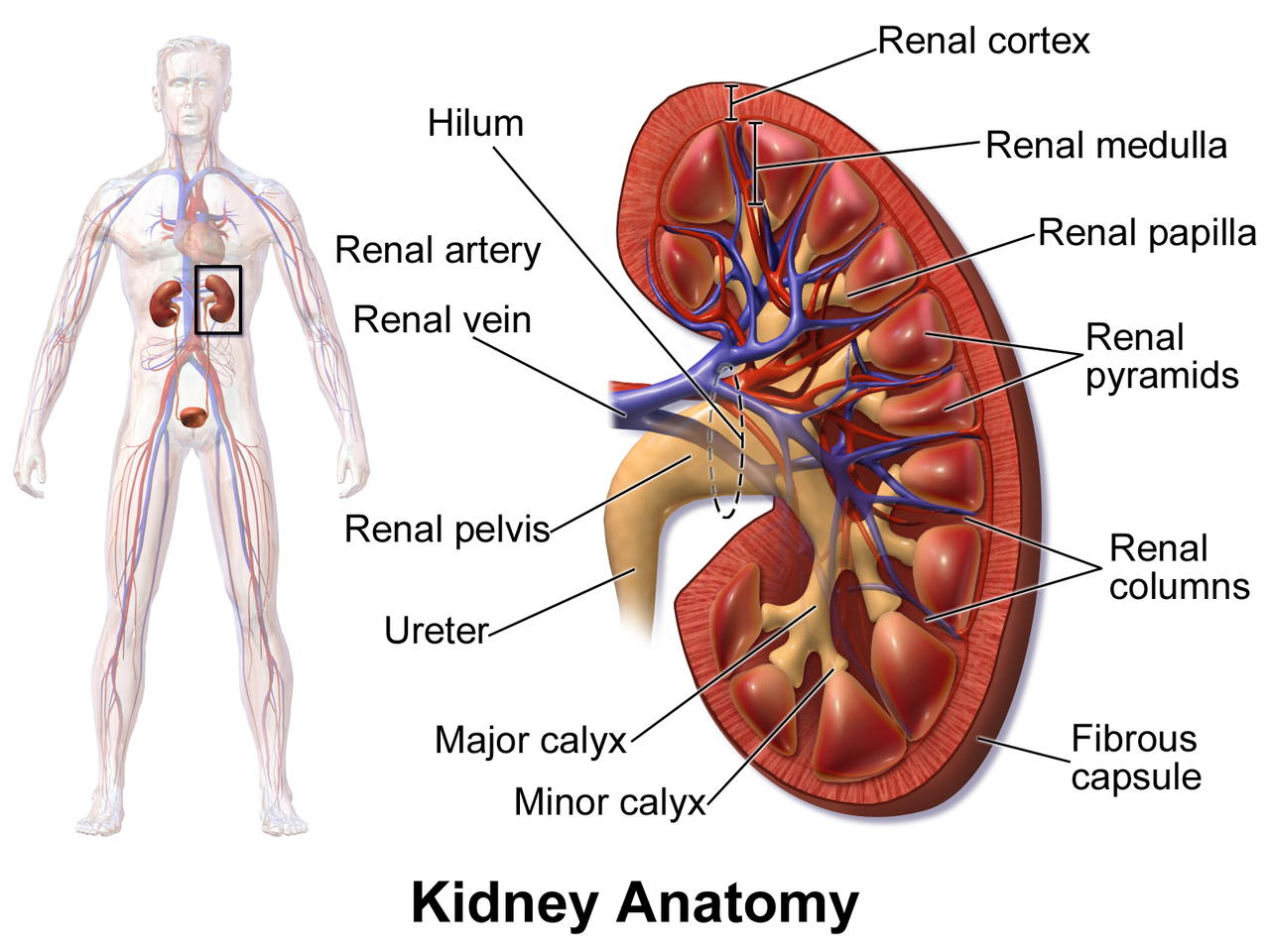
The kidneys are a multilobar, multipapillary form of mammalian kidneys, usually without signs of external lobulation. As explained in Mammalian Kidney, this unique structure allows for efficient blood filtration and waste removal. The kidneys are located on the left and right in the retroperitoneal space, and in adult humans are about 12 centimeters in length. They receive blood from the paired Renal Arteries, which branch off from the Aorta. The kidneys are also supplied with oxygen and nutrients from the Renal Veins. For more information on kidney anatomy, visit the Kidney Anatomy page and explore the Human Body systems.
💉 Blood Supply and Filtration
The kidneys receive blood from the paired Renal Arteries and filter it to remove waste and excess fluids. As discussed in Blood Filtration, this process is essential for maintaining healthy blood chemistry. The kidneys filter approximately 200 liters of blood per day, removing waste products such as Urea and Creatinine. The filtered blood is then returned to the body through the paired Renal Veins. The kidneys also regulate Electrolyte Balance and maintain Acid-Base Balance. For more information on kidney function, visit the Kidney Function page and explore the Nephrology field.
🚽 Urine Formation and Excretion
The kidneys play a crucial role in forming and excreting urine. As explained in Urine Formation, the kidneys filter waste and excess fluids from the blood and regulate electrolyte balance. The resulting urine is then carried to the Bladder through the Ureters. The kidneys also regulate the amount of water in the body and maintain Fluid Balance. For more information on urine formation, visit the Urine Formation page and explore the Urology field. The kidneys are also connected to the Adrenal Glands, which produce hormones that regulate electrolyte balance.
📊 Kidney Function and Regulation
The kidneys are regulated by a complex system of hormones and feedback mechanisms. As discussed in Kidney Regulation, the kidneys receive signals from the Brain and the Nervous System to regulate blood pressure and electrolyte balance. The kidneys also produce hormones such as Erythropoietin, which stimulates the production of red blood cells. For more information on kidney regulation, visit the Kidney Regulation page and explore the Endocrinology field. The kidneys are also influenced by the Renin-Angiotensin-Aldosterone System.
🚨 Kidney Diseases and Disorders
Kidney disease is a growing health concern worldwide. As explained in Kidney Disease, the kidneys are vulnerable to damage from diabetes, high blood pressure, and other conditions. The kidneys can also be affected by Kidney Stones, Kidney Infections, and other disorders. For more information on kidney disease, visit the Kidney Disease page and explore the Nephrology field. The kidneys are also at risk from Toxins and Environmental Pollutants.
👨⚕️ Diagnosis and Treatment of Kidney Diseases
Diagnosing and treating kidney disease requires a comprehensive approach. As discussed in Kidney Disease Diagnosis, doctors use a range of tests, including Blood Tests and Imaging Studies, to diagnose kidney disease. Treatment options include Medications, Dialysis, and Kidney Transplantation. For more information on kidney disease diagnosis and treatment, visit the Kidney Disease Diagnosis page and explore the Nephrology field. The kidneys are also treated with Lifestyle Changes and Alternative Therapies.
💻 Advances in Kidney Research and Technology
Advances in kidney research and technology are improving our understanding of kidney function and disease. As explained in Kidney Research, scientists are using Genomics and Proteomics to study kidney function and identify new targets for treatment. The development of Artificial Kidneys and Kidney Replacement Therapies is also underway. For more information on kidney research, visit the Kidney Research page and explore the Biotechnology field. The kidneys are also being studied using Bioengineering and Nanotechnology.
🤝 Kidney Donation and Transplantation
Kidney donation and transplantation are life-saving options for patients with end-stage kidney disease. As discussed in Kidney Donation, living donors can donate one of their kidneys to a recipient, and deceased donors can donate their kidneys after death. The Kidney Transplantation process involves surgically implanting the donated kidney into the recipient's body. For more information on kidney donation and transplantation, visit the Kidney Donation page and explore the Transplantation field. The kidneys are also being studied for Xenotransplantation and [[regenerative_medicine|Regenerative Medicine].
📈 Kidney Health and Prevention
Maintaining kidney health is essential for overall health and well-being. As explained in Kidney Health, a healthy diet, regular exercise, and stress management can help prevent kidney disease. The National Kidney Foundation recommends regular Health Screenings and Lifestyle Changes to reduce the risk of kidney disease. For more information on kidney health, visit the Kidney Health page and explore the Preventive Medicine field. The kidneys are also influenced by Environmental Factors and [[genetic_predisposition|Genetic Predisposition].
🌎 Global Kidney Health Initiatives
Global kidney health initiatives are working to improve kidney health and reduce the burden of kidney disease worldwide. As discussed in Global Kidney Health, the World Health Organization and other organizations are working to increase awareness of kidney disease and improve access to kidney care. For more information on global kidney health initiatives, visit the Global Kidney Health page and explore the Public Health field. The kidneys are also being studied in the context of Global Health and [[health_equity|Health Equity].
Key Facts
- Year
- 2022
- Origin
- Ancient Greece, with descriptions of kidney disease dating back to the works of Hippocrates
- Category
- Health and Medicine
- Type
- Organ
Frequently Asked Questions
What is the function of the kidneys?
The kidneys are responsible for filtering waste and excess fluids from the blood, regulating electrolyte balance, and maintaining fluid balance. They also produce hormones that stimulate the production of red blood cells and regulate blood pressure. For more information, visit the Kidney Function page and explore the Nephrology field. The kidneys are also connected to the Adrenal Glands, which produce hormones that regulate electrolyte balance.
What are the symptoms of kidney disease?
The symptoms of kidney disease can vary depending on the underlying cause and severity of the disease. Common symptoms include Fatigue, Swelling, and Urine Changes. For more information, visit the Kidney Disease page and explore the Nephrology field. The kidneys are also at risk from Toxins and Environmental Pollutants.
How can I maintain kidney health?
Maintaining kidney health requires a healthy diet, regular exercise, and stress management. The National Kidney Foundation recommends regular Health Screenings and Lifestyle Changes to reduce the risk of kidney disease. For more information, visit the Kidney Health page and explore the Preventive Medicine field. The kidneys are also influenced by Environmental Factors and [[genetic_predisposition|Genetic Predisposition].
What is kidney transplantation?
Kidney transplantation is a surgical procedure that involves implanting a donated kidney into a recipient's body. The donated kidney can come from a living donor or a deceased donor. For more information, visit the Kidney Transplantation page and explore the Transplantation field. The kidneys are also being studied for Xenotransplantation and [[regenerative_medicine|Regenerative Medicine].
What are the risks of kidney disease?
The risks of kidney disease include Diabetes, High Blood Pressure, and other conditions that can damage the kidneys. The kidneys are also at risk from Toxins and Environmental Pollutants. For more information, visit the Kidney Disease page and explore the Nephrology field. The kidneys are also influenced by Environmental Factors and [[genetic_predisposition|Genetic Predisposition].
How can I reduce my risk of kidney disease?
Reducing your risk of kidney disease requires a healthy diet, regular exercise, and stress management. The National Kidney Foundation recommends regular Health Screenings and Lifestyle Changes to reduce the risk of kidney disease. For more information, visit the Kidney Health page and explore the Preventive Medicine field. The kidneys are also influenced by Environmental Factors and [[genetic_predisposition|Genetic Predisposition].
What is the role of the kidneys in maintaining electrolyte balance?
The kidneys play a crucial role in maintaining electrolyte balance by regulating the amount of electrolytes in the body. They filter excess electrolytes from the blood and adjust the amount of electrolytes in the urine to maintain balance. For more information, visit the Electrolyte Balance page and explore the Nephrology field. The kidneys are also connected to the Adrenal Glands, which produce hormones that regulate electrolyte balance.