
Contents
- 🧠 Introduction to the Brain
- 🔍 Structure and Function
- 👀 Sensory Input and Processing
- 🔝 Motor Control and Coordination
- 💡 Cognition and Higher-Order Thinking
- 🔬 Neuroplasticity and Adaptation
- 📊 Brain Development and Maturation
- 👥 Brain Disorders and Diseases
- 💻 Brain-Computer Interfaces and Neurotechnology
- 🔮 The Future of Brain Research
- 📚 Conclusion and Further Reading
- Frequently Asked Questions
- Related Topics
Overview
The human brain is a intricate and dynamic entity, comprising approximately 86 billion neurons and 100 trillion synapses. With a Vibe score of 85, the brain has been a subject of fascination for centuries, with scientists and philosophers alike seeking to understand its inner workings. From the pioneering work of Santiago Ramón y Cajal, who discovered the neuron, to modern-day neuroplasticity research, our understanding of the brain has undergone significant transformations. The brain's ability to reorganize itself in response to new experiences, known as neuroplasticity, has been found to be influenced by factors such as meditation, exercise, and sleep. However, the brain is also susceptible to various disorders, including Alzheimer's disease, Parkinson's disease, and depression, which affect millions of people worldwide. As research continues to advance, we may uncover new ways to harness the brain's potential, such as through the development of brain-computer interfaces, which could revolutionize the way we interact with technology.
🧠 Introduction to the Brain
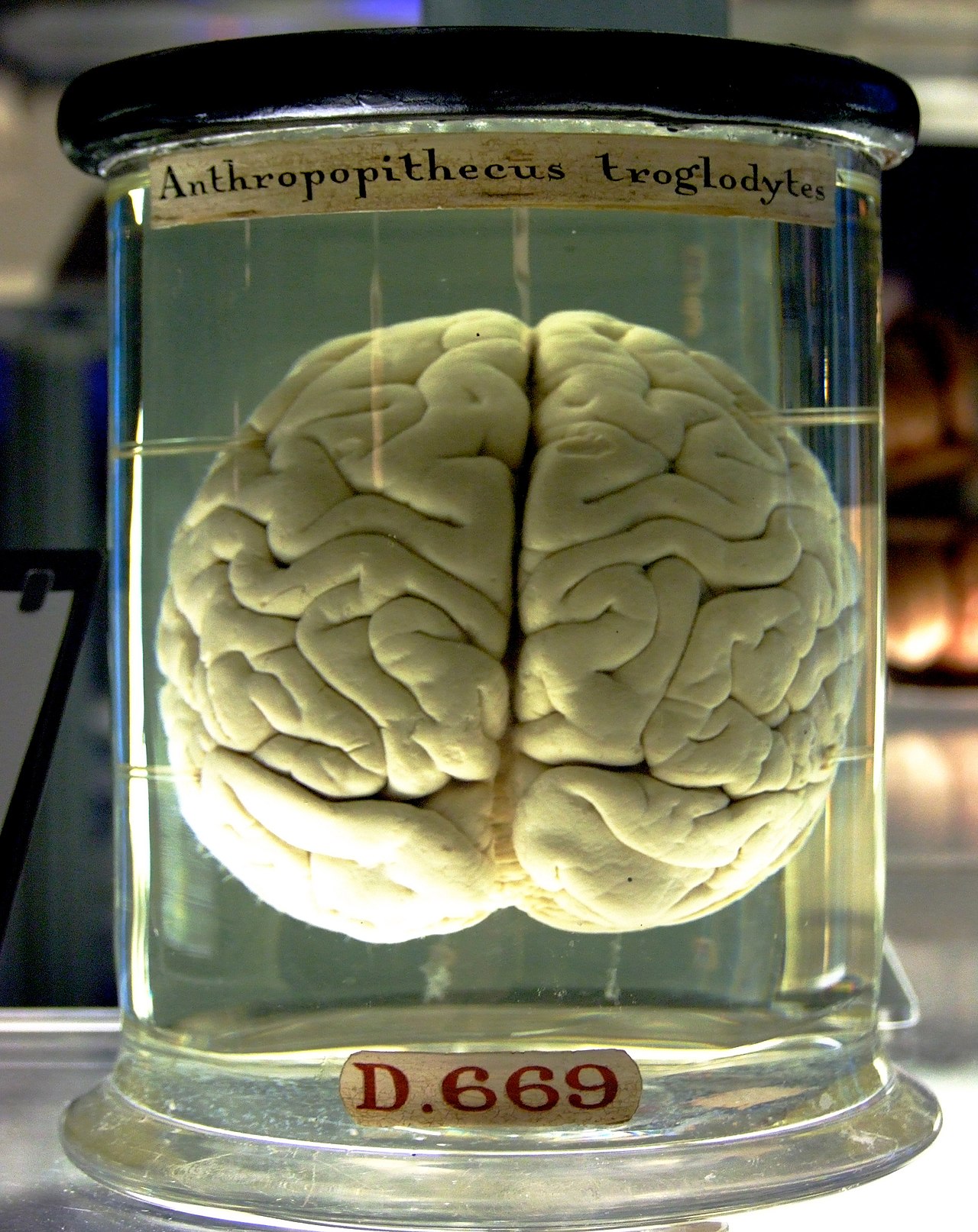
The brain is a complex and dynamic entity that serves as the center of the nervous system in all vertebrate and most invertebrate animals. As discussed in Neuroscience, the brain consists of nervous tissue and is typically located in the head, near organs for special senses such as Vision, Hearing, and Olfaction. The brain is responsible for receiving information from the Sensory Nervous System, processing that information, and coordinating Motor Control. This intricate process is made possible by the brain's unique structure and function, which is explored in Brain Anatomy and Brain Function.
🔍 Structure and Function
The brain's structure and function are closely linked, with different regions specializing in specific tasks. For example, the Cerebrum is responsible for processing sensory information, while the Cerebellum coordinates motor control. The Brain Stem connects the brain to the spinal cord and regulates basic functions such as breathing and heart rate. Understanding the brain's structure and function is essential for appreciating its role in Cognition and Behavior. As discussed in Neuroplasticity, the brain's structure and function can also change in response to experience and learning.
👀 Sensory Input and Processing
Sensory input is a critical component of brain function, with the brain receiving information from a wide range of sources. The Visual System is one of the most complex and highly developed sensory systems, with the brain processing visual information from the eyes and interpreting it as visual perception. Similarly, the Auditory System processes sound waves and interprets them as hearing. The brain also receives sensory input from the Somatosensory System, which provides information about touch, temperature, and pain. As explored in Sensory Perception, the brain's ability to process and interpret sensory information is essential for navigating the world.
🔝 Motor Control and Coordination
Motor control and coordination are also essential functions of the brain, with the brain regulating voluntary movements such as walking, talking, and writing. The Motor Cortex is responsible for sending signals to the muscles and glands, while the Cerebellum coordinates motor control and balance. The brain also regulates involuntary movements such as breathing, heart rate, and digestion, which are controlled by the Autonomic Nervous System. As discussed in Motor Control, the brain's ability to regulate movement is essential for interacting with the world.
💡 Cognition and Higher-Order Thinking
Cognition and higher-order thinking are complex brain functions that enable us to think, learn, and problem-solve. The Prefrontal Cortex is responsible for executive function, which includes decision-making, planning, and working memory. The Parietal Lobe is involved in spatial reasoning and attention, while the Temporal Lobe plays a critical role in memory and language. As explored in Cognitive Psychology, the brain's ability to process and interpret information is essential for learning and memory.
🔬 Neuroplasticity and Adaptation
Neuroplasticity and adaptation are critical components of brain function, with the brain's structure and function changing in response to experience and learning. As discussed in Neuroplasticity, the brain's ability to reorganize itself in response to injury or disease is essential for recovery and rehabilitation. The brain's ability to adapt to new situations and learn new skills is also essential for personal growth and development. As explored in Brain Development, the brain's structure and function continue to develop and mature throughout life.
📊 Brain Development and Maturation
Brain development and maturation are complex processes that involve the growth and differentiation of brain cells, as well as the formation of neural connections. As discussed in Brain Development, the brain develops rapidly during fetal development and early childhood, with significant changes occurring during adolescence and young adulthood. The brain continues to mature and develop throughout life, with some brain regions showing significant changes in old age. As explored in Neuroscience, understanding brain development and maturation is essential for appreciating the brain's role in Cognition and Behavior.
👥 Brain Disorders and Diseases
Brain disorders and diseases are a significant concern, with a wide range of conditions affecting the brain and nervous system. Neurodegenerative Diseases such as Alzheimer's and Parkinson's are characterized by the progressive loss of brain cells and function. Neurodevelopmental Disorders such as autism and ADHD are characterized by abnormalities in brain development and function. As discussed in Brain Disorders, understanding the causes and consequences of brain disorders is essential for developing effective treatments and interventions.
💻 Brain-Computer Interfaces and Neurotechnology
Brain-computer interfaces and neurotechnology are rapidly advancing fields that involve the use of technology to interact with and control the brain. As explored in Brain-Computer Interfaces, these technologies have the potential to revolutionize the treatment of brain disorders and diseases, as well as enhance cognitive function and performance. Neuroprosthetics and Neurostimulation are also being developed to restore or improve brain function in individuals with brain disorders or injuries.
🔮 The Future of Brain Research
The future of brain research is exciting and rapidly evolving, with new technologies and techniques being developed to study the brain and nervous system. As discussed in Neuroscience, advances in Neuroimaging and Neurophysiology are enabling researchers to study the brain in unprecedented detail. The development of new treatments and interventions for brain disorders and diseases is also a major focus of research, with Gene Therapy and Stem Cell Therapy showing significant promise.
📚 Conclusion and Further Reading
In conclusion, the brain is a complex and dynamic entity that plays a critical role in Cognition, Behavior, and overall health. As explored in Brain Anatomy and Brain Function, the brain's structure and function are closely linked, with different regions specializing in specific tasks. Further reading on Neuroscience and Neuroplasticity can provide a deeper understanding of the brain's role in Learning and Memory.
Key Facts
- Year
- 2022
- Origin
- Human Body
- Category
- Neuroscience
- Type
- Biological Entity
Frequently Asked Questions
What is the brain's role in cognition and behavior?
The brain plays a critical role in cognition and behavior, with different regions specializing in specific tasks such as sensory processing, motor control, and higher-order thinking. As discussed in Cognition and Behavior, the brain's ability to process and interpret information is essential for learning and memory. The brain's structure and function are closely linked, with changes in brain function affecting behavior and cognition.
What are some common brain disorders and diseases?
Common brain disorders and diseases include Neurodegenerative Diseases such as Alzheimer's and Parkinson's, as well as Neurodevelopmental Disorders such as autism and ADHD. As discussed in Brain Disorders, understanding the causes and consequences of brain disorders is essential for developing effective treatments and interventions.
How does the brain develop and mature?
The brain develops rapidly during fetal development and early childhood, with significant changes occurring during adolescence and young adulthood. As discussed in Brain Development, the brain continues to mature and develop throughout life, with some brain regions showing significant changes in old age. Understanding brain development and maturation is essential for appreciating the brain's role in Cognition and Behavior.
What are some new technologies and techniques being developed to study the brain?
New technologies and techniques being developed to study the brain include Neuroimaging and Neurophysiology, which are enabling researchers to study the brain in unprecedented detail. The development of new treatments and interventions for brain disorders and diseases is also a major focus of research, with Gene Therapy and Stem Cell Therapy showing significant promise.
How can I learn more about the brain and neuroscience?
To learn more about the brain and neuroscience, you can explore Neuroscience and Neuroplasticity resources, which provide a comprehensive overview of the brain's structure and function. You can also explore Brain Anatomy and Brain Function resources, which provide a detailed understanding of the brain's role in Cognition and Behavior.
What are some potential applications of brain-computer interfaces and neurotechnology?
Potential applications of brain-computer interfaces and neurotechnology include the treatment of brain disorders and diseases, as well as the enhancement of cognitive function and performance. As explored in Brain-Computer Interfaces, these technologies have the potential to revolutionize the treatment of brain disorders and diseases, as well as improve overall health and well-being.
How does the brain's structure and function change in response to experience and learning?
The brain's structure and function change in response to experience and learning through a process called Neuroplasticity. As discussed in Neuroplasticity, the brain's ability to reorganize itself in response to injury or disease is essential for recovery and rehabilitation. The brain's ability to adapt to new situations and learn new skills is also essential for personal growth and development.