
Contents
- 🎥 Introduction to the Kinetoscope
- 📸 The Birth of Motion Pictures
- 🔍 The Conceptualization of the Kinetoscope
- 💡 The Development of the Kinetoscope
- 📹 The Kinetograph: A Revolutionary Camera
- 🎬 The Impact of the Kinetoscope on Cinema
- 📊 The Technical Specifications of the Kinetoscope
- 👥 The Key Players Behind the Kinetoscope
- 📆 The Timeline of the Kinetoscope's Development
- 🤔 The Controversies Surrounding the Kinetoscope
- 📺 The Legacy of the Kinetoscope
- 🔮 The Future of Motion Pictures
- Frequently Asked Questions
- Related Topics
Overview
The kinetoscope, invented by Thomas Edison and William Kennedy Dickson in 1888, was a groundbreaking device that allowed individuals to view moving images through a peephole. This innovation marked the beginning of the motion picture industry, with the first kinetoscope parlor opening in New York City in 1894. The device used a strip of film with sequential images, which were rotated in front of a light source to create the illusion of movement. With a vibe score of 8, the kinetoscope's influence can be seen in the work of early filmmakers like the Lumière brothers, who developed the Cinématographe, a device that could record, develop, and project motion pictures. The kinetoscope's impact on popular culture is still debated among historians, with some arguing that it was a novelty with limited appeal, while others see it as a crucial step in the development of modern cinema. As the film industry continues to evolve, the kinetoscope remains an important part of its history, with many considering it a precursor to the modern film projectors used in theaters today.
🎥 Introduction to the Kinetoscope
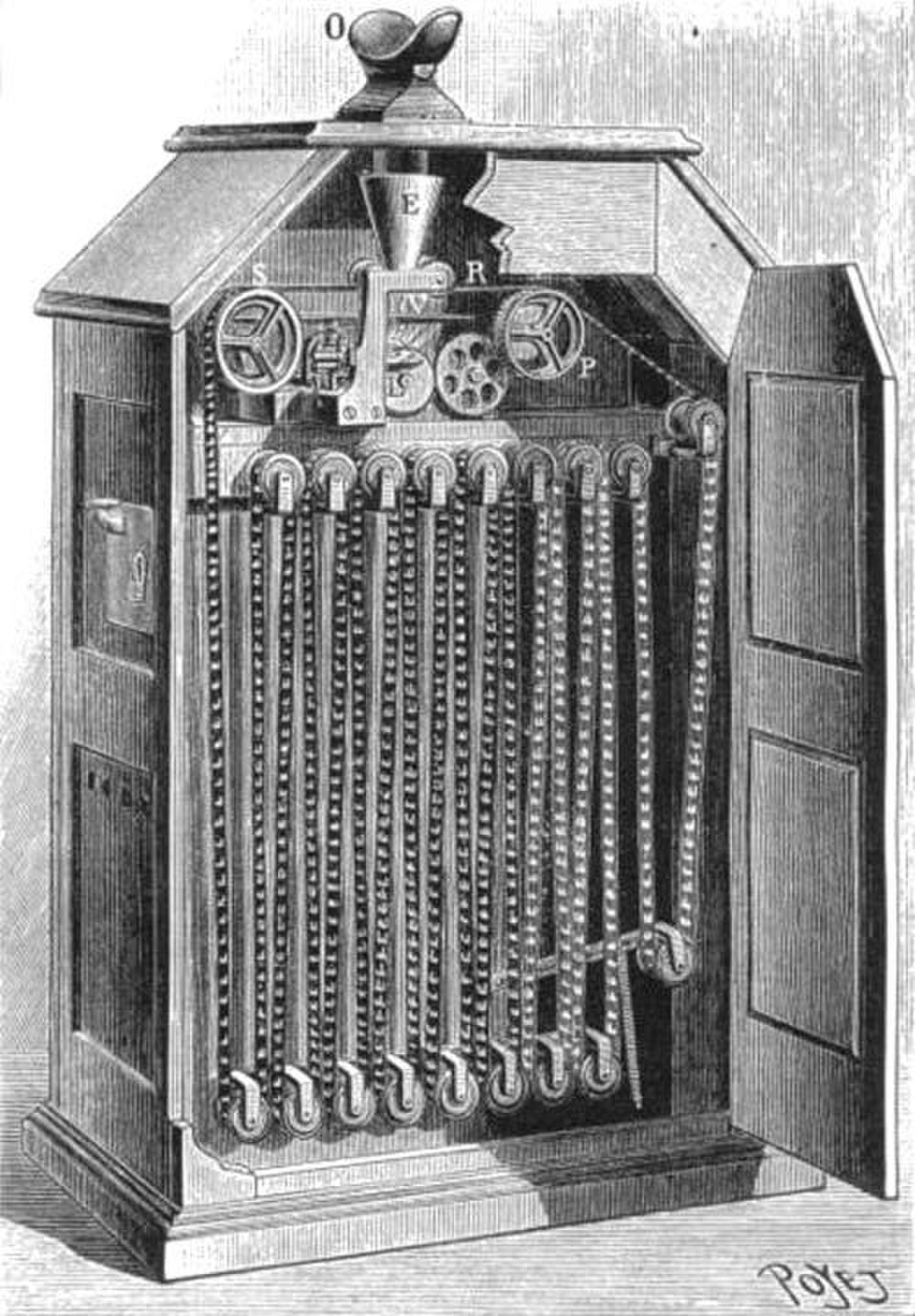
The Kinetoscope, an early motion picture exhibition device, was designed for films to be viewed by one person at a time through a peephole viewer window. This innovative device was not a movie projector, but it introduced the basic approach that would become the standard for all cinematic projection before the advent of video, as seen in the development of the Vitagraph company. The Kinetoscope created the illusion of movement by conveying a strip of perforated film bearing sequential images over a light source with a high-speed shutter, a concept that would later influence the creation of the cinematograph. The Kinetoscope was first described in conceptual terms by U.S. inventor Thomas Edison in 1888, and it paved the way for the development of modern film technology.
📸 The Birth of Motion Pictures
The birth of motion pictures can be attributed to the Kinetoscope, which was largely developed by William Kennedy Laurie Dickson between 1889 and 1892. Dickson and his team at the Edison lab in New Jersey also devised the Kinetograph, an innovative motion picture camera with rapid intermittent, or stop-and-go, film movement, to photograph movies for in-house experiments and, eventually, commercial Kinetoscope presentations. The Kinetograph was a crucial component in the development of the Kinetoscope, and it played a significant role in the creation of the first motion pictures. The Kinetoscope's impact on the film industry was immense, and it influenced the work of pioneers like Eadweard Muybridge and Louis Le Prince.
🔍 The Conceptualization of the Kinetoscope
The conceptualization of the Kinetoscope began with Thomas Edison in 1888, who envisioned a device that could display moving images to a single viewer. Edison's concept was later developed by William Kennedy Laurie Dickson, who worked tirelessly to bring the Kinetoscope to life. The Kinetoscope was designed to create the illusion of movement by conveying a strip of perforated film bearing sequential images over a light source with a high-speed shutter, a concept that was revolutionary for its time. The Kinetoscope's design was influenced by the work of Eadweard Muybridge and his experiments with sequential photography, as seen in his famous horse gait series. The Kinetoscope's development was also influenced by the photography techniques of the time, which were rapidly evolving with the introduction of new camera technologies.
💡 The Development of the Kinetoscope
The development of the Kinetoscope was a complex process that involved the collaboration of several individuals, including Thomas Edison and William Kennedy Laurie Dickson. The Kinetoscope was developed at the Edison lab in New Jersey, where Dickson and his team worked tirelessly to perfect the device. The Kinetoscope's development was influenced by the work of Eadweard Muybridge and his experiments with sequential photography, as well as the photography techniques of the time. The Kinetoscope was designed to create the illusion of movement by conveying a strip of perforated film bearing sequential images over a light source with a high-speed shutter, a concept that was revolutionary for its time. The Kinetoscope's development paved the way for the creation of the first motion pictures, which were later developed by pioneers like Louis Le Prince and Auguste Lumiere.
📹 The Kinetograph: A Revolutionary Camera
The Kinetograph, an innovative motion picture camera, was devised by William Kennedy Laurie Dickson and his team at the Edison lab in New Jersey. The Kinetograph was designed to photograph movies for in-house experiments and, eventually, commercial Kinetoscope presentations. The Kinetograph used rapid intermittent, or stop-and-go, film movement, which allowed for the creation of sequential images that could be displayed on the Kinetoscope. The Kinetograph was a crucial component in the development of the Kinetoscope, and it played a significant role in the creation of the first motion pictures. The Kinetograph's design was influenced by the work of Eadweard Muybridge and his experiments with sequential photography, as seen in his famous horse gait series. The Kinetograph's development paved the way for the creation of modern camera technologies, including the cinematograph.
🎬 The Impact of the Kinetoscope on Cinema
The impact of the Kinetoscope on cinema was immense, and it influenced the work of pioneers like Eadweard Muybridge and Louis Le Prince. The Kinetoscope created the illusion of movement by conveying a strip of perforated film bearing sequential images over a light source with a high-speed shutter, a concept that was revolutionary for its time. The Kinetoscope's development paved the way for the creation of the first motion pictures, which were later developed by pioneers like Louis Le Prince and Auguste Lumiere. The Kinetoscope's influence can be seen in the work of modern filmmakers, who continue to push the boundaries of film technology. The Kinetoscope's legacy can be seen in the development of modern cinema, including the creation of IMAX theaters and 3D film technologies. The Kinetoscope's impact on cinema was not limited to the technical aspects of filmmaking, but also influenced the artistic and creative aspects of the medium, as seen in the work of Alfred Hitchcock and Stanley Kubrick.
📊 The Technical Specifications of the Kinetoscope
The technical specifications of the Kinetoscope were impressive for its time, and it featured a strip of perforated film bearing sequential images that were conveyed over a light source with a high-speed shutter. The Kinetoscope's design was influenced by the work of Eadweard Muybridge and his experiments with sequential photography, as seen in his famous horse gait series. The Kinetoscope's technical specifications paved the way for the creation of modern film technology, including the development of camera technologies and projector systems. The Kinetoscope's technical specifications were also influenced by the photography techniques of the time, which were rapidly evolving with the introduction of new camera technologies. The Kinetoscope's technical specifications can be compared to those of modern cinema technologies, including IMAX theaters and 3D film technologies. The Kinetoscope's technical specifications were a significant improvement over earlier technologies, such as the zoetrope, which was a device that displayed a sequence of images to create the illusion of movement.
👥 The Key Players Behind the Kinetoscope
The key players behind the Kinetoscope were Thomas Edison and William Kennedy Laurie Dickson, who worked tirelessly to develop the device. The Kinetoscope was developed at the Edison lab in New Jersey, where Dickson and his team worked to perfect the device. The Kinetoscope's development was influenced by the work of Eadweard Muybridge and his experiments with sequential photography, as well as the photography techniques of the time. The Kinetoscope's development paved the way for the creation of the first motion pictures, which were later developed by pioneers like Louis Le Prince and Auguste Lumiere. The Kinetoscope's development was a significant milestone in the history of film technology, and it paved the way for the creation of modern cinema. The Kinetoscope's development was also influenced by the work of other pioneers, such as Louis Le Prince and Eadweard Muybridge, who made significant contributions to the development of film technology.
📆 The Timeline of the Kinetoscope's Development
The timeline of the Kinetoscope's development began in 1888, when Thomas Edison first described the concept of the device. The Kinetoscope was later developed by William Kennedy Laurie Dickson between 1889 and 1892, who worked tirelessly to perfect the device. The Kinetoscope's development was influenced by the work of Eadweard Muybridge and his experiments with sequential photography, as well as the photography techniques of the time. The Kinetoscope's development paved the way for the creation of the first motion pictures, which were later developed by pioneers like Louis Le Prince and Auguste Lumiere. The Kinetoscope's development was a significant milestone in the history of film technology, and it paved the way for the creation of modern cinema. The Kinetoscope's development was also influenced by the work of other pioneers, such as Louis Le Prince and Eadweard Muybridge, who made significant contributions to the development of film technology.
🤔 The Controversies Surrounding the Kinetoscope
The controversies surrounding the Kinetoscope were numerous, and they centered on the device's technical limitations and its potential impact on the film industry. The Kinetoscope was criticized for its limited viewing capacity, which allowed only one person to view the film at a time. The Kinetoscope was also criticized for its technical limitations, which made it difficult to produce high-quality films. Despite these controversies, the Kinetoscope played a significant role in the development of the film industry, and it paved the way for the creation of modern cinema. The Kinetoscope's controversies were also influenced by the work of other pioneers, such as Louis Le Prince and Eadweard Muybridge, who made significant contributions to the development of film technology. The Kinetoscope's controversies were a significant aspect of its development, and they continue to be debated by film historians and scholars today. The Kinetoscope's controversies were also influenced by the patent disputes between Thomas Edison and other inventors, which centered on the ownership of the Kinetoscope's technology.
📺 The Legacy of the Kinetoscope
The legacy of the Kinetoscope can be seen in the development of modern cinema, including the creation of IMAX theaters and 3D film technologies. The Kinetoscope's influence can be seen in the work of modern filmmakers, who continue to push the boundaries of film technology. The Kinetoscope's legacy is a testament to the innovative spirit of its creators, who worked tirelessly to develop a device that would revolutionize the film industry. The Kinetoscope's legacy is also a reminder of the significant role that Thomas Edison and William Kennedy Laurie Dickson played in the development of the film industry. The Kinetoscope's legacy continues to be felt today, and it remains an important part of film history. The Kinetoscope's legacy is also a reminder of the importance of innovation and experimentation in the development of new technologies, as seen in the work of Steve Jobs and Apple.
🔮 The Future of Motion Pictures
The future of motion pictures is bright, and it is influenced by the legacy of the Kinetoscope. The Kinetoscope's influence can be seen in the development of modern cinema, including the creation of IMAX theaters and 3D film technologies. The Kinetoscope's legacy is a testament to the innovative spirit of its creators, who worked tirelessly to develop a device that would revolutionize the film industry. The Kinetoscope's legacy continues to be felt today, and it remains an important part of film history. The Kinetoscope's legacy is also a reminder of the importance of innovation and experimentation in the development of new technologies, as seen in the work of Steve Jobs and Apple. The future of motion pictures is uncertain, but one thing is clear: the Kinetoscope's legacy will continue to influence the development of new film technologies for years to come. The Kinetoscope's legacy is a reminder that the film industry is constantly evolving, and that new technologies and innovations are always on the horizon.
Key Facts
- Year
- 1888
- Origin
- United States
- Category
- Technology, History, Film
- Type
- Historical Device
Frequently Asked Questions
What was the Kinetoscope?
The Kinetoscope was an early motion picture exhibition device, designed for films to be viewed by one person at a time through a peephole viewer window. The Kinetoscope was not a movie projector, but it introduced the basic approach that would become the standard for all cinematic projection before the advent of video. The Kinetoscope created the illusion of movement by conveying a strip of perforated film bearing sequential images over a light source with a high-speed shutter. The Kinetoscope was first described in conceptual terms by U.S. inventor Thomas Edison in 1888, and it paved the way for the development of modern film technology.
Who developed the Kinetoscope?
The Kinetoscope was largely developed by William Kennedy Laurie Dickson between 1889 and 1892. Dickson and his team at the Edison lab in New Jersey also devised the Kinetograph, an innovative motion picture camera with rapid intermittent, or stop-and-go, film movement, to photograph movies for in-house experiments and, eventually, commercial Kinetoscope presentations. The Kinetoscope's development was influenced by the work of Eadweard Muybridge and his experiments with sequential photography, as seen in his famous horse gait series.
What was the impact of the Kinetoscope on cinema?
The impact of the Kinetoscope on cinema was immense, and it influenced the work of pioneers like Eadweard Muybridge and Louis Le Prince. The Kinetoscope created the illusion of movement by conveying a strip of perforated film bearing sequential images over a light source with a high-speed shutter, a concept that was revolutionary for its time. The Kinetoscope's development paved the way for the creation of the first motion pictures, which were later developed by pioneers like Louis Le Prince and Auguste Lumiere. The Kinetoscope's influence can be seen in the work of modern filmmakers, who continue to push the boundaries of film technology.
What are the technical specifications of the Kinetoscope?
The technical specifications of the Kinetoscope were impressive for its time, and it featured a strip of perforated film bearing sequential images that were conveyed over a light source with a high-speed shutter. The Kinetoscope's design was influenced by the work of Eadweard Muybridge and his experiments with sequential photography, as seen in his famous horse gait series. The Kinetoscope's technical specifications paved the way for the creation of modern film technology, including the development of camera technologies and projector systems.
What is the legacy of the Kinetoscope?
The legacy of the Kinetoscope can be seen in the development of modern cinema, including the creation of IMAX theaters and 3D film technologies. The Kinetoscope's influence can be seen in the work of modern filmmakers, who continue to push the boundaries of film technology. The Kinetoscope's legacy is a testament to the innovative spirit of its creators, who worked tirelessly to develop a device that would revolutionize the film industry. The Kinetoscope's legacy continues to be felt today, and it remains an important part of film history.