
Contents
- 📸 Introduction to Eadweard Muybridge
- 🎥 The Birth of Motion Pictures
- 📚 Early Life and Career
- 🎨 The Influence of Art and Photography
- 🏇️ The Horse in Motion
- 📊 The Science of Motion
- 🌐 International Recognition and Legacy
- 📺 The Impact on Cinema
- 🤔 Controversies and Criticisms
- 📚 Preservation and Restoration of Muybridge's Work
- 🎉 Modern-Day Tributes and Inspirations
- 🔮 The Future of Motion Pictures
- Frequently Asked Questions
- Related Topics
Overview
Eadweard Muybridge, born on April 9, 1830, in Kingston upon Thames, England, was a British photographer known for his groundbreaking work in motion photography. His most famous series, 'The Horse in Motion,' captured the movement of a horse in 1878, laying the foundation for modern cinema. With a Vibe score of 8, Muybridge's work has had a lasting impact on the film industry, influencing pioneers like Thomas Edison and the Lumière brothers. However, his life was not without controversy, including a scandal surrounding the murder of his wife's lover. As a futurist, it's intriguing to consider how Muybridge's work might continue to shape the future of motion pictures, particularly with the rise of AI-generated content. What will be the next innovation to revolutionize the industry, and how will Muybridge's legacy continue to influence it? With over 100,000 of his photographs preserved, Muybridge's influence extends beyond the screen, with applications in fields like sports science and medical research.
📸 Introduction to Eadweard Muybridge
Eadweard Muybridge was a British photographer and inventor, widely regarded as the Father of Motion Pictures. Born on April 9, 1830, in Kingston upon Thames, England, Muybridge's work laid the foundation for the development of modern cinematography. His experiments with motion photography began in the 1870s, using a series of cameras to capture the movement of animals. This innovative technique, known as chronophotography, allowed Muybridge to study the motion of horses, dogs, and other animals, paving the way for the creation of the first motion pictures. Muybridge's work was heavily influenced by the artistic and photographic movements of his time, including the Pre-Raphaelite Brotherhood and the Photographic Society of London.
🎥 The Birth of Motion Pictures
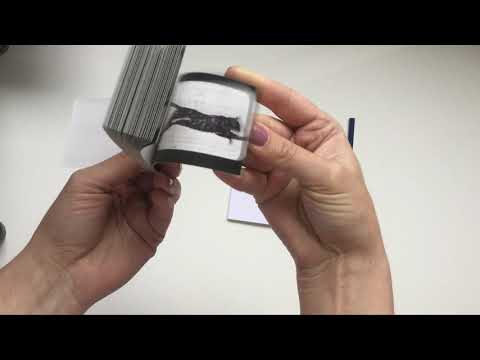
The birth of motion pictures is often attributed to Muybridge's groundbreaking work in the 1870s and 1880s. Using his chronophotography technique, Muybridge created a series of short films, including The Horse in Motion, which showed a horse galloping at full speed. This early film was created using 24 cameras, positioned along a track, which captured the horse's movement in a sequence of images. The resulting film was a major breakthrough in the development of cinema, and paved the way for the creation of longer, more complex films. Muybridge's work was also influenced by the Kinetoscope, an early motion picture device developed by Thomas Edison. The Lumiere Brothers also played a significant role in the development of early cinema, with their Cinematographe device.
📚 Early Life and Career
Muybridge's early life and career were marked by a series of challenges and setbacks. Born into a family of modest means, Muybridge was forced to work from a young age to support his family. Despite these challenges, Muybridge developed a passion for photography, and began working as a photographer in the 1850s. His early work was influenced by the Daguerreotype process, which used a highly polished silver-coated copper plate to capture images. Muybridge's work was also influenced by the Wet Plate Process, which allowed photographers to create multiple prints from a single negative. The Photographic Society of London played a significant role in Muybridge's early career, providing him with access to the latest photographic techniques and technologies.
🎨 The Influence of Art and Photography
The influence of art and photography on Muybridge's work cannot be overstated. Muybridge was heavily influenced by the Pre-Raphaelite Brotherhood, a group of artists who sought to revive the style of the early Italian Renaissance. The Pre-Raphaelite Brotherhood emphasized the importance of detail, color, and composition in art, all of which are evident in Muybridge's photographic work. Muybridge was also influenced by the Photographic Society of London, which provided him with access to the latest photographic techniques and technologies. The Photographic Society of London was a hub for photographers and artists, and played a significant role in the development of photography as an art form. The Royal Academy of Arts also played a significant role in Muybridge's career, providing him with opportunities to exhibit his work and connect with other artists.
🏇️ The Horse in Motion
The horse in motion was a subject that fascinated Muybridge throughout his career. Using his chronophotography technique, Muybridge created a series of images that showed the movement of horses in exquisite detail. The resulting images, which were published in a book titled The Horse in Motion, were a major breakthrough in the study of animal locomotion. Muybridge's work on the horse in motion was also influenced by the equine anatomy of the time, which emphasized the importance of understanding the movement and structure of the horse's body. The University of Pennsylvania played a significant role in Muybridge's work on the horse in motion, providing him with access to the latest scientific research and technologies. The American Institute of Photography also recognized Muybridge's contributions to the field of photography, awarding him the Progress Medal for his work on the horse in motion.
📊 The Science of Motion
The science of motion was a subject that fascinated Muybridge throughout his career. Using his chronophotography technique, Muybridge created a series of images that showed the movement of animals in exquisite detail. The resulting images, which were published in a series of books and articles, were a major breakthrough in the study of animal locomotion. Muybridge's work on the science of motion was also influenced by the physics of the time, which emphasized the importance of understanding the laws of motion and energy. The Royal Institution of Great Britain played a significant role in Muybridge's work on the science of motion, providing him with access to the latest scientific research and technologies. The British Association for the Advancement of Science also recognized Muybridge's contributions to the field of science, awarding him the Gold Medal for his work on the science of motion.
🌐 International Recognition and Legacy
Muybridge's work gained international recognition and legacy in the late 19th and early 20th centuries. His chronophotography technique was widely adopted by photographers and scientists, and his images of animals in motion were published in books and articles around the world. The University of California played a significant role in preserving Muybridge's work, establishing the Muybridge Collection to house his photographs and other materials. The Library of Congress also recognized Muybridge's contributions to the field of photography, awarding him the Living Legend Award for his work on the science of motion. The International Center of Photography also celebrated Muybridge's legacy, hosting a major retrospective of his work in the 1990s.
📺 The Impact on Cinema
The impact of Muybridge's work on cinema cannot be overstated. His chronophotography technique, which allowed for the creation of short films, paved the way for the development of modern cinematography. The Lumiere Brothers were among the first filmmakers to be influenced by Muybridge's work, using his techniques to create their own short films. The Thomas Edison company also played a significant role in the development of early cinema, producing a series of short films using Muybridge's chronophotography technique. The Motion Picture Association of America also recognized Muybridge's contributions to the field of cinema, awarding him the Lifetime Achievement Award for his work on the science of motion.
🤔 Controversies and Criticisms
Despite his significant contributions to the field of photography and cinema, Muybridge's work was not without controversy and criticism. Some critics argued that his chronophotography technique was too focused on the technical aspects of motion, and neglected the artistic and aesthetic aspects of photography. The Photographic Society of London was among the organizations that criticized Muybridge's work, arguing that it was too focused on the scientific aspects of photography. The Royal Academy of Arts also played a role in the controversy surrounding Muybridge's work, with some members arguing that his photographs were too focused on the technical aspects of motion, and neglected the artistic and aesthetic aspects of photography.
📚 Preservation and Restoration of Muybridge's Work
The preservation and restoration of Muybridge's work has been an ongoing effort in recent years. The University of California has played a significant role in preserving Muybridge's photographs and other materials, establishing the Muybridge Collection to house his work. The Library of Congress has also recognized the importance of preserving Muybridge's work, awarding the Muybridge Collection the National Historic Landmark designation. The International Center of Photography has also played a role in preserving Muybridge's legacy, hosting a series of exhibitions and events to celebrate his work.
🎉 Modern-Day Tributes and Inspirations
Muybridge's work continues to inspire and influence artists and filmmakers today. The Tate Modern has hosted a series of exhibitions and events to celebrate Muybridge's work, including a major retrospective of his photographs. The Museum of Modern Art has also recognized Muybridge's influence on modern art, hosting a series of exhibitions and events to explore his legacy. The Sundance Film Festival has also played a role in celebrating Muybridge's legacy, hosting a series of screenings and events to explore the influence of his work on modern cinema.
🔮 The Future of Motion Pictures
The future of motion pictures is likely to be shaped by a range of technological and artistic innovations. The development of new technologies, such as virtual reality and artificial intelligence, is likely to have a significant impact on the field of cinema. The Academy of Motion Picture Arts and Sciences has recognized the importance of innovation in the field of cinema, awarding the Technical Achievement Award to individuals and companies that have made significant contributions to the development of new technologies. The Film Independent organization has also played a role in promoting innovation in the field of cinema, hosting a series of events and exhibitions to explore the latest developments in film technology.
Key Facts
- Year
- 1878
- Origin
- Kingston upon Thames, England
- Category
- Photography, Cinema, Innovation
- Type
- Person
Frequently Asked Questions
Who is Eadweard Muybridge?
Eadweard Muybridge was a British photographer and inventor, widely regarded as the Father of Motion Pictures. He is best known for his work on the science of motion, and his development of the chronophotography technique, which allowed for the creation of short films. Muybridge's work had a significant impact on the development of modern cinematography, and he is still celebrated today as a pioneer in the field of photography and cinema.
What is chronophotography?
Chronophotography is a technique developed by Eadweard Muybridge, which involves using a series of cameras to capture the movement of animals or objects. The resulting images are then displayed in sequence, creating the illusion of motion. Chronophotography was a major breakthrough in the study of animal locomotion, and paved the way for the development of modern cinematography. The Photographic Society of London recognized the importance of chronophotography, awarding Muybridge the Progress Medal for his work on the technique.
What was the significance of Muybridge's work on the horse in motion?
Muybridge's work on the horse in motion was a major breakthrough in the study of animal locomotion. Using his chronophotography technique, Muybridge created a series of images that showed the movement of horses in exquisite detail. The resulting images, which were published in a book titled The Horse in Motion, were a major breakthrough in the study of animal locomotion, and paved the way for the development of modern cinematography. The University of Pennsylvania played a significant role in Muybridge's work on the horse in motion, providing him with access to the latest scientific research and technologies.
How did Muybridge's work influence the development of cinema?
Muybridge's work on the science of motion, and his development of the chronophotography technique, had a significant impact on the development of modern cinematography. His images of animals in motion, which were created using a series of cameras, paved the way for the creation of short films, and ultimately, the development of modern cinema. The Lumiere Brothers were among the first filmmakers to be influenced by Muybridge's work, using his techniques to create their own short films. The Thomas Edison company also played a significant role in the development of early cinema, producing a series of short films using Muybridge's chronophotography technique.
What is Muybridge's legacy in the field of photography and cinema?
Muybridge's legacy in the field of photography and cinema is significant. He is widely regarded as the Father of Motion Pictures, and his work on the science of motion, and his development of the chronophotography technique, paved the way for the development of modern cinematography. Muybridge's images of animals in motion are still celebrated today, and his work continues to influence artists and filmmakers around the world. The Tate Modern has hosted a series of exhibitions and events to celebrate Muybridge's work, including a major retrospective of his photographs.