
Contents
- 🏰 Introduction to La Sagrada Familia
- 📆 History of the Cathedral
- 🏗️ Architectural Style and Design
- 💡 The Role of Antoni Gaudí
- 🌟 Symbolism and Meaning
- 🤝 Controversies and Criticisms
- 📈 Tourism and Economic Impact
- 👥 Community and Cultural Significance
- 📊 Construction and Engineering Challenges
- 🔮 Preservation and Restoration Efforts
- 🌐 Global Influence and Inspiration
- Frequently Asked Questions
- Related Topics
Overview
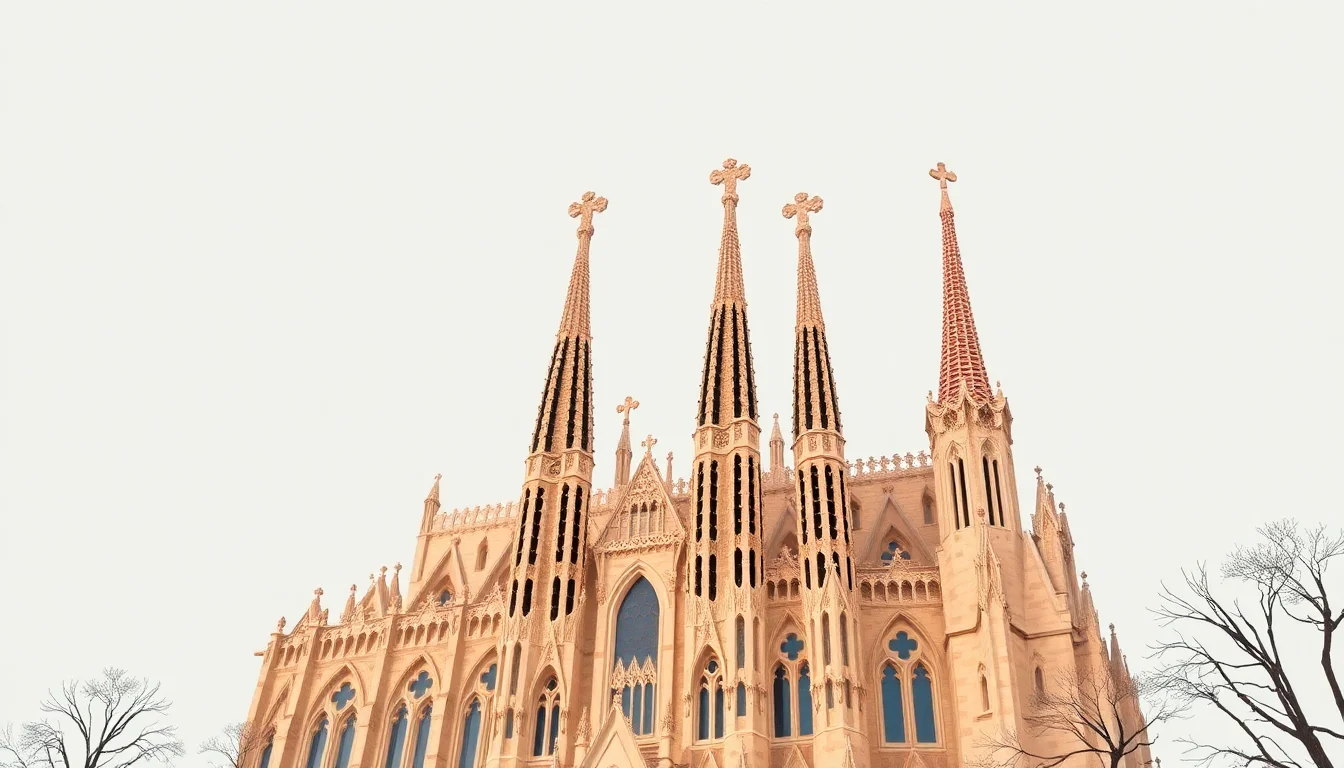
La Sagrada Familia, designed by Antoni Gaudí, is a iconic cathedral in Barcelona, Spain, that has been under construction since 1882. With a vibe score of 8.5, it is a cultural phenomenon that attracts millions of visitors each year. The cathedral's unique blend of Gothic and Art Nouveau styles, combined with its intricate stone carvings and stunning stained-glass windows, has made it a UNESCO World Heritage Site. However, its construction has been marked by controversy, with some critics arguing that it has become a tourist trap, while others see it as a symbol of Catalan nationalism. As of 2022, the cathedral is still under construction, with an estimated completion date of 2026, and a projected cost of over $374 million. The influence of La Sagrada Familia can be seen in the work of architects such as Frank Gehry and Santiago Calatrava, who have cited Gaudí as a major inspiration. With its rich history, cultural significance, and ongoing construction, La Sagrada Familia remains a topic of fascination and debate, with a controversy spectrum rating of 6.5, reflecting the intense discussions surrounding its meaning and impact.
🏰 Introduction to La Sagrada Familia
La Sagrada Familia, located in Barcelona, Spain, is one of the most iconic and awe-inspiring buildings in the world. Designed by the renowned architect Antoni Gaudí, the cathedral is a masterpiece of Gothic architecture and Art Nouveau styles. The construction of La Sagrada Familia began in 1882 and is still ongoing, with an estimated completion date of 2026. The cathedral has become a symbol of Catalan culture and a major tourist attraction, with over 4.5 million visitors per year. For more information on the history of the cathedral, visit the Museum of La Sagrada Familia.
📆 History of the Cathedral
The history of La Sagrada Familia is a long and complex one, spanning over 130 years. The cathedral was originally designed by Francesc de Paula del Villar, but Antoni Gaudí took over the project in 1883 and transformed it into the unique and innovative building we see today. Gaudí's design was influenced by his Roman Catholicism and his love of nature, which is reflected in the cathedral's intricate stone carvings and stunning stained-glass windows. The construction of the cathedral has been slowed down by several factors, including the Spanish Civil War and a lack of funding. Despite these challenges, La Sagrada Familia remains one of the most famous and beloved buildings in the world, attracting visitors from all over the globe, including fans of Modernism and Surrealism.
🏗️ Architectural Style and Design
The architectural style of La Sagrada Familia is a unique blend of Gothic and Art Nouveau elements, with a focus on natural forms and intricate details. The cathedral's facade is adorned with intricate stone carvings, including depictions of Bible stories and Catalan folklore. The building's design is also influenced by Islamic architecture, which is reflected in the use of arches and domes. The cathedral's interior is just as impressive, with stunning stained-glass windows and a soaring ceiling that seems to defy gravity. For more information on the architectural style of La Sagrada Familia, visit the School of Barcelona.
💡 The Role of Antoni Gaudí
Antoni Gaudí was a true visionary and a master of his craft. He is widely regarded as one of the most important and influential architects of the 20th century, and his work on La Sagrada Familia is considered his masterpiece. Gaudí's design for the cathedral was influenced by his deep faith and his love of nature, which is reflected in the building's intricate stone carvings and stunning stained-glass windows. Gaudí's work on La Sagrada Familia was not without controversy, however, and he faced criticism from some of his contemporaries who felt that his design was too radical and unconventional. Despite these challenges, Gaudí remained committed to his vision, and his work on La Sagrada Familia continues to inspire and awe people from all over the world, including fans of Fauvism and Cubism.
🌟 Symbolism and Meaning
La Sagrada Familia is a building that is full of symbolism and meaning. The cathedral's design is meant to evoke the natural world, with intricate stone carvings and stunning stained-glass windows that depict Bible stories and Catalan folklore. The building's facade is also adorned with symbols of the Catholic Church, including the cross and the Alpha and Omega. The cathedral's interior is just as symbolic, with a soaring ceiling that seems to defy gravity and stunning stained-glass windows that filter the light and create a sense of wonder and awe. For more information on the symbolism of La Sagrada Familia, visit the Institute of Catalan Studies.
🤝 Controversies and Criticisms
Despite its beauty and significance, La Sagrada Familia has not been without controversy. Some critics have argued that the cathedral's design is too radical and unconventional, and that it does not fit in with the surrounding architecture of Barcelona. Others have criticized the cathedral's construction, which has been slowed down by several factors, including a lack of funding and the Spanish Civil War. The cathedral has also been the subject of several high-profile disputes, including a controversy over the use of copyright law to protect the building's design. Despite these challenges, La Sagrada Familia remains one of the most beloved and iconic buildings in the world, attracting visitors from all over the globe, including fans of Dadaism and Futurism.
📈 Tourism and Economic Impact
La Sagrada Familia is one of the most popular tourist attractions in Barcelona, with over 4.5 million visitors per year. The cathedral's stunning architecture and rich history make it a must-see destination for anyone interested in architecture, art, or history. The cathedral's tourism industry is also a significant contributor to the local economy, with visitors generating millions of euros in revenue each year. However, the large number of tourists has also put a strain on the local community, with some residents complaining about the noise, crowds, and commercialization of the area. For more information on the tourism industry in Barcelona, visit the Barcelona Tourism Board.
👥 Community and Cultural Significance
La Sagrada Familia is more than just a tourist attraction - it is also a deeply meaningful and symbolic building for the people of Catalonia. The cathedral is a symbol of Catalan culture and identity, and it is a source of pride for the local community. The cathedral's design and construction have also been influenced by the local community, with many residents contributing to the building's construction and decoration. The cathedral's community significance is also reflected in its role as a place of worship and spiritual reflection, with many people visiting the cathedral to pray, reflect, or simply to experience its beauty and tranquility. For more information on the community significance of La Sagrada Familia, visit the Catalan Government.
📊 Construction and Engineering Challenges
The construction of La Sagrada Familia has been a complex and challenging process, with several factors slowing down the building's completion. The cathedral's design is highly innovative and unconventional, with a unique blend of Gothic and Art Nouveau elements. The building's construction has also been slowed down by a lack of funding, as well as the Spanish Civil War, which disrupted the building's construction and led to the loss of many of the cathedral's original plans and documents. Despite these challenges, the construction of La Sagrada Familia continues, with a team of skilled architects, engineers, and craftsmen working to complete the building according to Gaudí's original design. For more information on the construction of La Sagrada Familia, visit the La Sagrada Familia Construction.
🔮 Preservation and Restoration Efforts
The preservation and restoration of La Sagrada Familia is an ongoing process, with a team of skilled conservators and restorers working to protect the building's delicate stone carvings, stunning stained-glass windows, and intricate architectural details. The cathedral's preservation is a complex and challenging process, with several factors threatening the building's integrity, including pollution, weathering, and the large number of tourists who visit the cathedral each year. Despite these challenges, the preservation of La Sagrada Familia is a top priority, with many organizations and individuals working to protect the building's beauty and significance for future generations. For more information on the preservation of La Sagrada Familia, visit the World Heritage Center.
🌐 Global Influence and Inspiration
La Sagrada Familia has had a profound influence on the world of architecture, with many buildings and designers drawing inspiration from its unique and innovative design. The cathedral's influence can be seen in many different styles and genres, from Modernism to Postmodernism. The cathedral's design has also been influential in the development of sustainable architecture, with many architects and designers seeking to create buildings that are not only beautiful and functional but also environmentally sustainable. For more information on the influence of La Sagrada Familia, visit the International Union of Architects.
Key Facts
- Year
- 1882
- Origin
- Barcelona, Spain
- Category
- Architecture
- Type
- Landmark
Frequently Asked Questions
What is the history of La Sagrada Familia?
La Sagrada Familia was designed by Antoni Gaudí and construction began in 1882. The cathedral has been under construction for over 130 years, with several factors slowing down its completion, including the Spanish Civil War and a lack of funding. Despite these challenges, La Sagrada Familia remains one of the most beloved and iconic buildings in the world, attracting visitors from all over the globe, including fans of Modernism and Surrealism. For more information on the history of La Sagrada Familia, visit the Museum of La Sagrada Familia.
What is the architectural style of La Sagrada Familia?
La Sagrada Familia is a unique blend of Gothic and Art Nouveau elements, with a focus on natural forms and intricate details. The cathedral's design is also influenced by Islamic architecture, which is reflected in the use of arches and domes. For more information on the architectural style of La Sagrada Familia, visit the School of Barcelona.
Who was Antoni Gaudí?
Antoni Gaudí was a renowned architect and designer who is widely regarded as one of the most important and influential figures of the 20th century. He is best known for his work on La Sagrada Familia, which is considered his masterpiece. Gaudí's design for the cathedral was influenced by his deep faith and his love of nature, which is reflected in the building's intricate stone carvings and stunning stained-glass windows. For more information on Antoni Gaudí, visit the Museum of Antoni Gaudí.
What is the significance of La Sagrada Familia?
La Sagrada Familia is a deeply meaningful and symbolic building for the people of Catalonia. The cathedral is a symbol of Catalan culture and identity, and it is a source of pride for the local community. The cathedral's design and construction have also been influenced by the local community, with many residents contributing to the building's construction and decoration. For more information on the significance of La Sagrada Familia, visit the Catalan Government.
How is La Sagrada Familia preserved and restored?
The preservation and restoration of La Sagrada Familia is an ongoing process, with a team of skilled conservators and restorers working to protect the building's delicate stone carvings, stunning stained-glass windows, and intricate architectural details. The cathedral's preservation is a complex and challenging process, with several factors threatening the building's integrity, including pollution, weathering, and the large number of tourists who visit the cathedral each year. For more information on the preservation of La Sagrada Familia, visit the World Heritage Center.
What is the influence of La Sagrada Familia on the world of architecture?
La Sagrada Familia has had a profound influence on the world of architecture, with many buildings and designers drawing inspiration from its unique and innovative design. The cathedral's influence can be seen in many different styles and genres, from Modernism to Postmodernism. For more information on the influence of La Sagrada Familia, visit the International Union of Architects.
How many visitors does La Sagrada Familia attract each year?
La Sagrada Familia attracts over 4.5 million visitors each year, making it one of the most popular tourist attractions in Barcelona. The cathedral's stunning architecture and rich history make it a must-see destination for anyone interested in architecture, art, or history. For more information on the tourism industry in Barcelona, visit the Barcelona Tourism Board.