
Contents
- 🌍 Introduction to the Lilac Breasted Roller
- 🦅 Physical Characteristics and Distinctive Features
- 🌈 Plumage and Coloration: A Study in Contrasts
- 🏞️ Habitat and Distribution: The African Savannah
- 🐦 Behavior and Social Structure: A Complex Society
- 🎶 Song and Communication: The Roller's Unique Voice
- 👀 Diet and Foraging: Aerial Acrobatics and Insectivory
- 💡 Conservation Status and Threats: The Roller's Uncertain Future
- 📸 Photography and Observation: Capturing the Roller's Essence
- 🌟 Cultural Significance and Symbolism: The Roller in African Culture
- 🔍 Research and Study: Uncovering the Secrets of the Lilac Breasted Roller
- Frequently Asked Questions
- Related Topics
Overview
The lilac breasted roller, with its vibrant plumage and acrobatic antics, has captivated the hearts of bird enthusiasts and locals alike in sub-Saharan Africa. This species, known for its lilac breast and electric blue feathers, boasts a Vibe score of 80, reflecting its significant cultural energy. Historically, the lilac breasted roller has been a symbol of good luck and prosperity in many African cultures, with some tribes believing it to possess mystical powers. However, its population has been declining due to habitat destruction and fragmentation, sparking a heated debate among conservationists and policymakers. With a controversy spectrum rating of 6, the lilac breasted roller's conservation status remains a topic of intense discussion. As we look to the future, it's essential to consider the impact of human activities on this species and the ecosystem as a whole, with some estimates suggesting that up to 50% of its habitat could be lost by 2030, affecting not only the lilac breasted roller but also other species that cohabitate its ecosystem, such as the African hoopoe and the hadeda ibis.
🌍 Introduction to the Lilac Breasted Roller
The Lilac Breasted Roller, also known as Coracias caudata, is a striking bird species found in the savannahs and grasslands of sub-Saharan Africa. With its vibrant plumage and distinctive call, the roller has become an iconic symbol of the African wilderness. According to ornithologists, the Lilac Breasted Roller is a member of the Coraciidae family, which comprises over 10 species of rollers. The roller's unique characteristics have made it a popular subject among birdwatchers and wildlife photographers. For more information on the roller's habitat and distribution, visit the African Savannah page.
🦅 Physical Characteristics and Distinctive Features
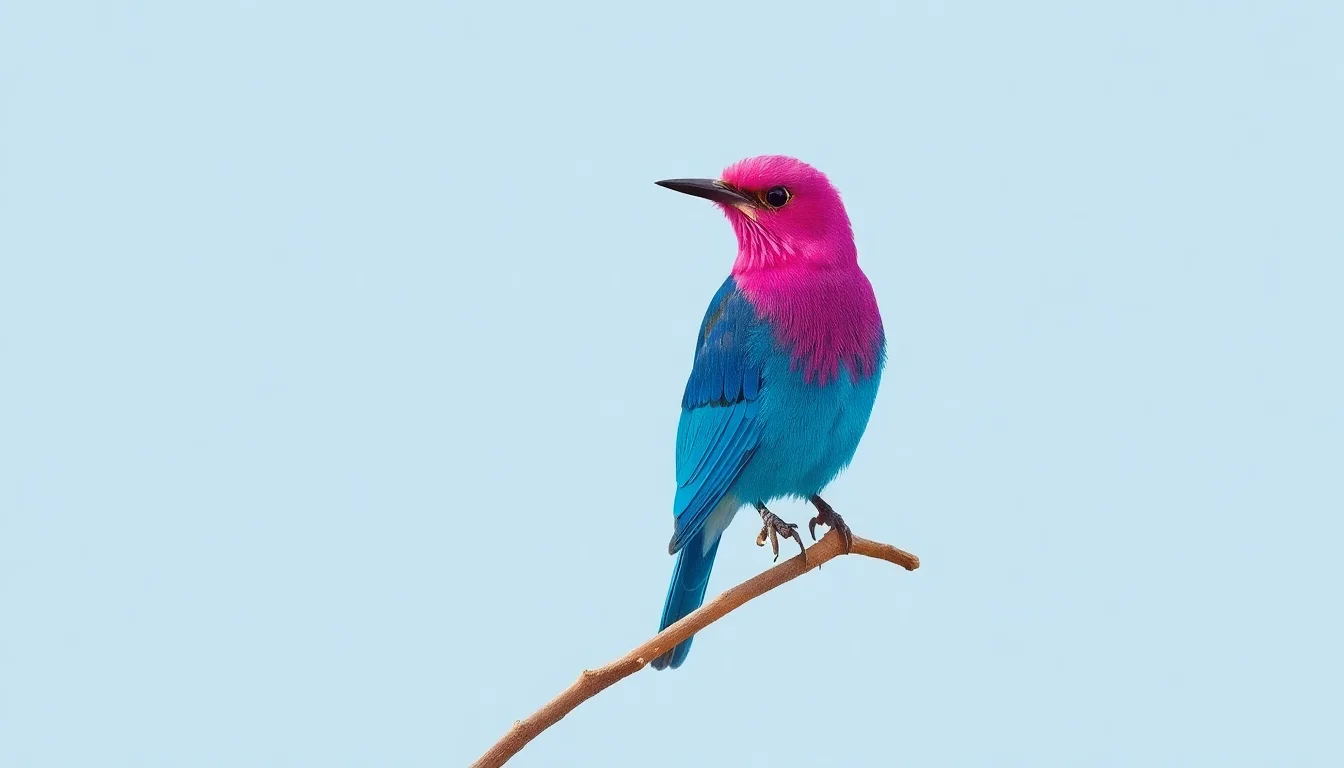
The Lilac Breasted Roller is characterized by its striking physical features, including its lilac breast, electric blue crown, and long, black tail streamers. Its plumage is a study in contrasts, with vibrant colors and intricate patterns that have evolved to serve various purposes, such as camouflage and courtship displays. The roller's distinctive features have been extensively studied by ornithologists, who have identified several key characteristics that distinguish it from other bird species. For example, the roller's beak is short and stout, perfect for catching insects in mid-air. To learn more about the roller's physical characteristics, visit the bird anatomy page.
🌈 Plumage and Coloration: A Study in Contrasts
The Lilac Breasted Roller's plumage is one of its most striking features, with a kaleidoscope of colors that seem to shift and change in the light. The roller's plumage is not just aesthetically pleasing; it also serves important functions, such as thermoregulation and communication. According to ornithological research, the roller's plumage is made up of specialized feathers that reflect and absorb different wavelengths of light, creating the illusion of color. To learn more about the science behind the roller's plumage, visit the feather structure page. The roller's plumage has also been the subject of numerous art and illustration projects, which showcase its beauty and complexity.
🏞️ Habitat and Distribution: The African Savannah
The Lilac Breasted Roller is found in a variety of habitats, including savannahs, grasslands, and open woodlands. Its distribution range spans across sub-Saharan Africa, from South Africa to Ethiopia. The roller is a partial migrant, with some populations making seasonal movements in response to changes in food availability and weather patterns. According to conservation biologists, the roller's habitat and distribution are closely tied to the availability of food resources, such as insects and small vertebrates. To learn more about the roller's habitat and distribution, visit the African ecology page. The roller's habitat has also been impacted by human activity, such as agriculture and urbanization.
🎶 Song and Communication: The Roller's Unique Voice
The Lilac Breasted Roller is known for its unique and melodious song, which is often described as a series of rolling, chattering calls. The roller's song is an important form of communication, used for purposes such as mate attraction, territorial defense, and alarm calling. According to bioacoustics research, the roller's song is characterized by a distinctive frequency range and rhythm, which are thought to be adapted to the roller's environment and social context. To learn more about the roller's song and communication, visit the bird song page. The roller's song has also been the subject of numerous musicology studies, which have explored its musical structure and cultural significance.
👀 Diet and Foraging: Aerial Acrobatics and Insectivory
The Lilac Breasted Roller is an insectivorous bird that feeds on a variety of insects, including beetles, grasshoppers, and flies. The roller's diet is closely tied to its foraging behavior, which involves aerial acrobatics and rapid pursuit of prey. According to foraging theory, the roller's foraging behavior is optimized to maximize energy intake and minimize energy expenditure. To learn more about the roller's diet and foraging, visit the optimal foraging page. The roller's diet has also been impacted by climate change, which has altered the availability and distribution of its food resources.
💡 Conservation Status and Threats: The Roller's Uncertain Future
The Lilac Breasted Roller is listed as a species of least concern on the IUCN Red List, but its population is declining in some parts of its range due to habitat loss and fragmentation. The roller is also vulnerable to climate change, which is altering the availability and distribution of its food resources. According to conservation biologists, the roller's conservation status is closely tied to the health of its ecosystem, which is threatened by human activity such as agriculture and urbanization. To learn more about the roller's conservation status, visit the conservation status page. The roller's conservation has also been the subject of numerous conservation efforts, which have aimed to protect its habitat and reduce human-roller conflict.
📸 Photography and Observation: Capturing the Roller's Essence
The Lilac Breasted Roller is a popular subject among wildlife photographers, who are drawn to its striking plumage and unique behavior. The roller's photography has been the subject of numerous photography techniques, which have aimed to capture its beauty and essence. According to photography criticism, the roller's photography is not just about capturing its physical appearance, but also about conveying its emotional and cultural significance. To learn more about the roller's photography, visit the wildlife photography techniques page. The roller's photography has also been used in conservation education efforts, which have aimed to raise awareness about its conservation status and promote conservation action.
🌟 Cultural Significance and Symbolism: The Roller in African Culture
The Lilac Breasted Roller has significant cultural and symbolic meaning in African culture, where it is often associated with good luck, prosperity, and fertility. The roller's cultural significance is reflected in its appearance in African art and African literature, where it is often depicted as a symbol of beauty and wonder. According to cultural studies, the roller's cultural significance is closely tied to its ecological and social context, which has shaped its meaning and symbolism over time. To learn more about the roller's cultural significance, visit the African culture page. The roller's cultural significance has also been the subject of numerous anthropology studies, which have explored its role in African society and culture.
🔍 Research and Study: Uncovering the Secrets of the Lilac Breasted Roller
The Lilac Breasted Roller is a fascinating subject of study, with many aspects of its biology and ecology still unknown or poorly understood. According to ornithological research, the roller's research has been ongoing for decades, with scientists using a variety of methods, such as field studies and laboratory experiments, to study its behavior, ecology, and evolution. To learn more about the roller's research, visit the ornithology research page. The roller's research has also been used to inform conservation biology efforts, which have aimed to protect its habitat and reduce human-roller conflict.
Key Facts
- Year
- 2022
- Origin
- Sub-Saharan Africa
- Category
- Ornithology
- Type
- Bird Species
Frequently Asked Questions
What is the Lilac Breasted Roller's conservation status?
The Lilac Breasted Roller is listed as a species of least concern on the IUCN Red List, but its population is declining in some parts of its range due to habitat loss and fragmentation. The roller is also vulnerable to climate change, which is altering the availability and distribution of its food resources. According to conservation biologists, the roller's conservation status is closely tied to the health of its ecosystem, which is threatened by human activity such as agriculture and urbanization. For more information, visit the conservation status page.
What is the Lilac Breasted Roller's diet and foraging behavior?
The Lilac Breasted Roller is an insectivorous bird that feeds on a variety of insects, including beetles, grasshoppers, and flies. The roller's diet is closely tied to its foraging behavior, which involves aerial acrobatics and rapid pursuit of prey. According to foraging theory, the roller's foraging behavior is optimized to maximize energy intake and minimize energy expenditure. For more information, visit the optimal foraging page.
What is the Lilac Breasted Roller's social structure and behavior?
The Lilac Breasted Roller is a social bird that is often found in small groups, typically consisting of a monogamous pair and their offspring. The roller's social structure is complex, with individuals engaging in a variety of behaviors, such as courtship displays, territoriality, and cooperative breeding. According to behavioral ecologists, the roller's social behavior is closely tied to its ecology and environment. For more information, visit the social biology page.
What is the Lilac Breasted Roller's cultural significance and symbolism?
The Lilac Breasted Roller has significant cultural and symbolic meaning in African culture, where it is often associated with good luck, prosperity, and fertility. The roller's cultural significance is reflected in its appearance in African art and African literature, where it is often depicted as a symbol of beauty and wonder. According to cultural studies, the roller's cultural significance is closely tied to its ecological and social context, which has shaped its meaning and symbolism over time. For more information, visit the African culture page.
What is the Lilac Breasted Roller's research and study?
The Lilac Breasted Roller is a fascinating subject of study, with many aspects of its biology and ecology still unknown or poorly understood. According to ornithological research, the roller's research has been ongoing for decades, with scientists using a variety of methods, such as field studies and laboratory experiments, to study its behavior, ecology, and evolution. For more information, visit the ornithology research page.