
Contents
- 🏛️ Introduction to LACMA
- 🎨 Art Collections at LACMA
- 🌟 Exhibitions and Programs
- 📚 Education and Community Outreach
- 🏞️ LACMA's Architecture and Gardens
- 👥 LACMA's Leadership and Governance
- 💰 Funding and Support
- 🌐 LACMA's Global Reach and Partnerships
- 📊 Attendance and Economic Impact
- 🤔 Controversies and Criticisms
- 🔮 Future Plans and Developments
- Frequently Asked Questions
- Related Topics
Overview
The Los Angeles County Museum of Art (LACMA) is one of the largest and most visited art museums in the country, with a collection of over 135,000 objects dating from ancient times to the present. Founded in 1965, LACMA has been a driving force in the Los Angeles art scene, with a vibe score of 92, reflecting its significant cultural energy. The museum's permanent collection includes works by artists such as Picasso, Warhol, and Matisse, as well as an extensive collection of Asian, Latin American, and Islamic art. With over 1 million visitors annually, LACMA is a major cultural destination, hosting temporary exhibitions, concerts, and events that attract a diverse audience. As a cultural institution, LACMA has been at the center of controversy, with debates surrounding its role in the community, its collection practices, and its impact on the local art scene. With a budget of over $100 million, LACMA continues to evolve, with plans for a new building designed by Peter Zumthor, set to open in 2024, which is expected to further solidify its position as a leading cultural institution.
🏛️ Introduction to LACMA
The Los Angeles County Museum of Art (LACMA) is one of the largest and most comprehensive art museums in the United States, with a collection of over 135,000 objects spanning 6,000 years of human creativity. Founded in 1961, LACMA has a long history of showcasing diverse artistic expressions, from ancient civilizations to contemporary artists. The museum's collection includes works by renowned artists such as Claude Monet, Pablo Picasso, and Vincent van Gogh. LACMA is also known for its rotating exhibitions, which have featured artists like Andy Warhol and Jean-Michel Basquiat. With a strong commitment to community engagement, LACMA offers a range of educational programs and events, including lectures, workshops, and family activities. For more information, visit the LACMA website.
🎨 Art Collections at LACMA
LACMA's art collections are diverse and extensive, with a focus on Asian, Latin American, and modern and contemporary art. The museum's Asian art collection includes over 10,000 objects, spanning 4,000 years of Chinese, Japanese, and Korean art. The Latin American art collection features works by artists such as Diego Rivera and Frida Kahlo. LACMA's modern and contemporary art collection includes works by artists like Jackson Pollock and Mark Rothko. The museum also has an impressive collection of photography, with works by artists such as Ansel Adams and Dorothea Lange. LACMA's collections are constantly evolving, with new acquisitions and exhibitions added regularly. For example, the museum recently acquired a collection of works by Cy Twombly.
🌟 Exhibitions and Programs
LACMA's exhibitions and programs are designed to engage and inspire visitors of all ages. The museum's exhibition schedule includes a range of shows, from solo exhibitions by contemporary artists like Takashi Murakami to large-scale surveys of art historical movements like Surrealism. LACMA also offers a range of public programs, including lectures, concerts, and film screenings. The museum's education department provides a range of programs and resources for schools and community groups, including guided tours and art-making activities. LACMA also partners with other cultural institutions, such as the Getty Center, to present collaborative exhibitions and programs. For more information on LACMA's exhibitions and programs, visit the LACMA exhibitions page.
📚 Education and Community Outreach
LACMA is committed to education and community outreach, with a range of programs and resources designed to engage and inspire visitors of all ages. The museum's education department provides guided tours, art-making activities, and other programs for schools and community groups. LACMA also offers a range of resources for teachers, including lesson plans and activity guides. The museum's community outreach programs include partnerships with local organizations and businesses, as well as free or reduced-price admission for visitors from underserved communities. LACMA also offers a range of family-friendly activities, including interactive exhibitions and art-making workshops. For more information on LACMA's education and community outreach programs, visit the LACMA education page.
🏞️ LACMA's Architecture and Gardens
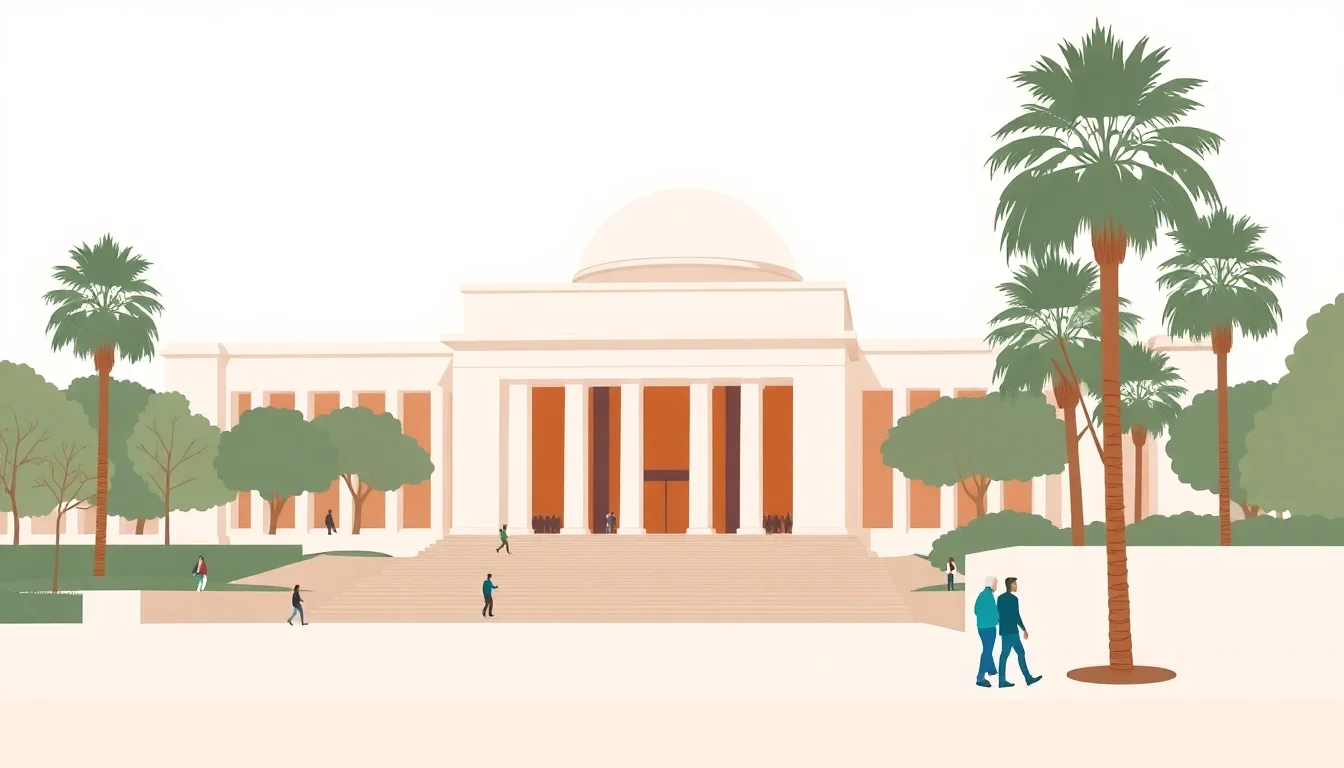
LACMA's architecture and gardens are an integral part of the museum's overall experience. The museum's main building, designed by William Pereira, features a striking design that blends modernism with a nod to ancient cultures. The building's exterior is surrounded by beautifully landscaped gardens, which feature a range of plant species and public art installations. LACMA's gardens are also home to a number of large-scale sculptures, including works by artists like Henry Moore and Barbara Hepworth. The museum's architecture and gardens have been recognized with numerous awards and accolades, including the AIA Award for excellence in architecture. For more information on LACMA's architecture and gardens, visit the LACMA architecture page.
👥 LACMA's Leadership and Governance
LACMA's leadership and governance are overseen by a board of trustees, which includes prominent figures from the art world, business, and philanthropy. The museum's director, Michael Govan, has been instrumental in shaping LACMA's vision and strategy, with a focus on community engagement, artistic innovation, and institutional excellence. LACMA's senior staff includes a range of experienced professionals, with expertise in areas like curatorial practice, education, and marketing. The museum also has a number of advisory committees, which provide guidance and support in areas like acquisitions, exhibitions, and community outreach. For more information on LACMA's leadership and governance, visit the LACMA leadership page.
💰 Funding and Support
LACMA relies on a range of funding sources to support its operations, including government grants, corporate sponsorships, and individual donations. The museum's annual budget is over $100 million, with a significant portion allocated to exhibitions, education, and community outreach programs. LACMA also has a number of endowed funds, which provide support for specific programs and initiatives. The museum's fundraising efforts are overseen by a development department, which works to build relationships with donors and secure support for LACMA's priorities. For more information on LACMA's funding and support, visit the LACMA funding page.
🌐 LACMA's Global Reach and Partnerships
LACMA has a significant global reach, with partnerships and collaborations with museums and cultural institutions around the world. The museum has worked with institutions like the Louvre and the Metropolitan Museum of Art to present international exhibitions and programs. LACMA also has a number of international partnerships, including a collaboration with the Tate Modern in London. The museum's global reach is also reflected in its collection, which includes works by artists from over 50 countries. For more information on LACMA's global reach and partnerships, visit the LACMA global page.
📊 Attendance and Economic Impact
LACMA is one of the most visited art museums in the United States, with over 1 million visitors per year. The museum's attendance has been steadily increasing, with a growth rate of over 10% per year. LACMA's economic impact is also significant, with the museum generating over $100 million in economic activity per year. The museum's visitors come from all over the world, with a significant proportion from the Los Angeles area. LACMA's attendance and economic impact are closely tied to its exhibitions and programs, with popular shows like the Renzo Piano retrospective drawing large crowds. For more information on LACMA's attendance and economic impact, visit the LACMA attendance page.
🤔 Controversies and Criticisms
Despite its many successes, LACMA has faced a number of controversies and criticisms over the years. One of the most significant has been the museum's handling of its collections, with some critics arguing that LACMA has been too focused on acquiring and exhibiting contemporary art at the expense of its historical collections. Others have criticized the museum's leadership and governance, arguing that the board of trustees is too dominated by wealthy collectors and philanthropists. LACMA has also faced criticism for its lack of diversity, with some arguing that the museum's staff and collections do not adequately reflect the diversity of the Los Angeles community. For more information on LACMA's controversies and criticisms, visit the LACMA controversies page.
🔮 Future Plans and Developments
As LACMA looks to the future, the museum is planning a number of exciting developments and initiatives. One of the most significant is the construction of a new building, designed by Peter Zumthor, which will provide additional space for exhibitions, education, and community programs. LACMA is also planning to expand its digital presence, with a range of new online platforms and resources for visitors and scholars. The museum is also committed to increasing its diversity and inclusivity, with a range of initiatives aimed at engaging underserved communities and promoting diversity in the art world. For more information on LACMA's future plans and developments, visit the LACMA future page.
Key Facts
- Year
- 1965
- Origin
- Los Angeles, California
- Category
- Art and Culture
- Type
- Museum
Frequently Asked Questions
What are LACMA's hours of operation?
LACMA is open Monday, Tuesday, and Thursday from 11 am to 5 pm, and Friday from 11 am to 8 pm. The museum is closed on Wednesdays. For more information, visit the LACMA hours page.
How much does it cost to visit LACMA?
Admission to LACMA is free for children under 18, and $25 for adults. The museum also offers free admission on the second Tuesday of every month. For more information, visit the LACMA admission page.
What are some of the highlights of LACMA's collection?
LACMA's collection includes works by renowned artists such as Claude Monet, Pablo Picasso, and Vincent van Gogh. The museum's collection also includes a range of Asian, Latin American, and modern and contemporary art. For more information, visit the LACMA collection page.
Does LACMA offer guided tours?
Yes, LACMA offers a range of guided tours, including tours of the museum's collections and exhibitions. The museum also offers audio guides and self-guided tours. For more information, visit the LACMA tours page.
Can I take photos in the museum?
Yes, non-flash photography is allowed in the museum for personal use. However, tripods, flash, and commercial photography are not permitted without prior permission from the museum. For more information, visit the LACMA photography page.
How do I get to LACMA?
LACMA is located at 5905 Wilshire Boulevard, Los Angeles, CA 90036. The museum is accessible by car, bus, and metro. For more information, visit the LACMA directions page.
Can I eat at LACMA?
Yes, LACMA has a range of dining options, including a cafe, restaurant, and food trucks. The museum also offers picnic areas and outdoor seating. For more information, visit the LACMA dining page.