
Contents
- 🌕 Introduction to Lunar Science
- 🛰️ The Moon's Orbit and Distance from Earth
- 🌊 Tidal Forces and the Moon's Rotation
- 🔍 Uncovering the Moon's Surface Secrets
- 🚀 Exploring the Moon's Composition and Geology
- 🌐 The Moon's Role in the Earth-Moon System
- 🌟 The Moon's Impact on Earth's Tides and Oceans
- 🔭 The Future of Lunar Science and Exploration
- 🤝 International Cooperation in Lunar Research
- 📊 The Economic and Social Benefits of Lunar Science
- 🌟 The Cultural Significance of the Moon in Human History
- Frequently Asked Questions
- Related Topics
Overview
Lunar science encompasses a broad range of disciplines, from geology and astronomy to physics and engineering. The Moon, with its cratered surface and airless environment, has been a subject of human fascination for centuries. NASA's Apollo missions in the late 1960s and early 1970s marked a significant milestone in lunar exploration, with a total of 12 astronauts walking on the Moon's surface. However, despite these achievements, much remains to be discovered about the Moon's composition, internal structure, and potential resources. Recent advances in technology have enabled new missions, such as the Lunar CRater Observation and Sensing Satellite (LCROSS) and the Lunar Reconnaissance Orbiter (LRO), to study the Moon in unprecedented detail. As scientists continue to unravel the Moon's secrets, they are also exploring its potential for future human settlement and resource utilization, with some estimates suggesting that the Moon's south pole may hold significant reserves of water ice, a crucial resource for life support and propulsion.
🌕 Introduction to Lunar Science
The study of the Moon, also known as lunar science, is a fascinating field that has captivated humans for centuries. The Moon is the only natural satellite of Earth, orbiting our planet at an average distance of 384,399 kilometres (238,854 mi), which is roughly 30 times the width of Earth. To learn more about the Moon's orbit, visit the Lunar Orbit page. The Moon's gravitational attraction to Earth is a key aspect of its behavior, and understanding this relationship is crucial for Space Exploration. The Moon's surface is also of great interest, with its unique features and composition, which can be explored in more detail on the Moon Surface page.
🛰️ The Moon's Orbit and Distance from Earth
The Moon's orbit is not a perfect circle, but an ellipse, which means its distance from Earth varies throughout the month. At its closest point (called perigee), the Moon is about 356,400 kilometres (221,500 mi) away from Earth, while at its farthest point (apogee), it is about 405,500 kilometres (252,000 mi) away. This variation in distance affects the Moon's apparent size in the sky, as well as the strength of its gravitational pull on Earth. For more information on the Moon's orbit, see the Lunar Orbit page. The Moon's distance from Earth is also influenced by the gravitational pull of the Sun, which is discussed in more detail on the Solar System page. The study of the Moon's orbit is essential for Astronomy and Space Exploration.
🌊 Tidal Forces and the Moon's Rotation
The tidal forces exerted by the Moon on Earth are a result of the gravitational attraction between the two bodies. These forces cause the oceans to bulge out in two areas: one on the side of Earth facing the Moon and the other on the opposite side. This creates two high tides and two low tides each day, as the Earth rotates relative to the Moon's position. The Moon's rotation is also affected by the tidal forces, causing it to become tidally locked to Earth. This means that the Moon always shows the same face to Earth, with the far side of the Moon never visible from our planet. To learn more about tidal forces, visit the Tidal Forces page. The Moon's rotation is also discussed in more detail on the Moon Rotation page. The study of tidal forces is crucial for understanding Oceanography and Geology.
🔍 Uncovering the Moon's Surface Secrets
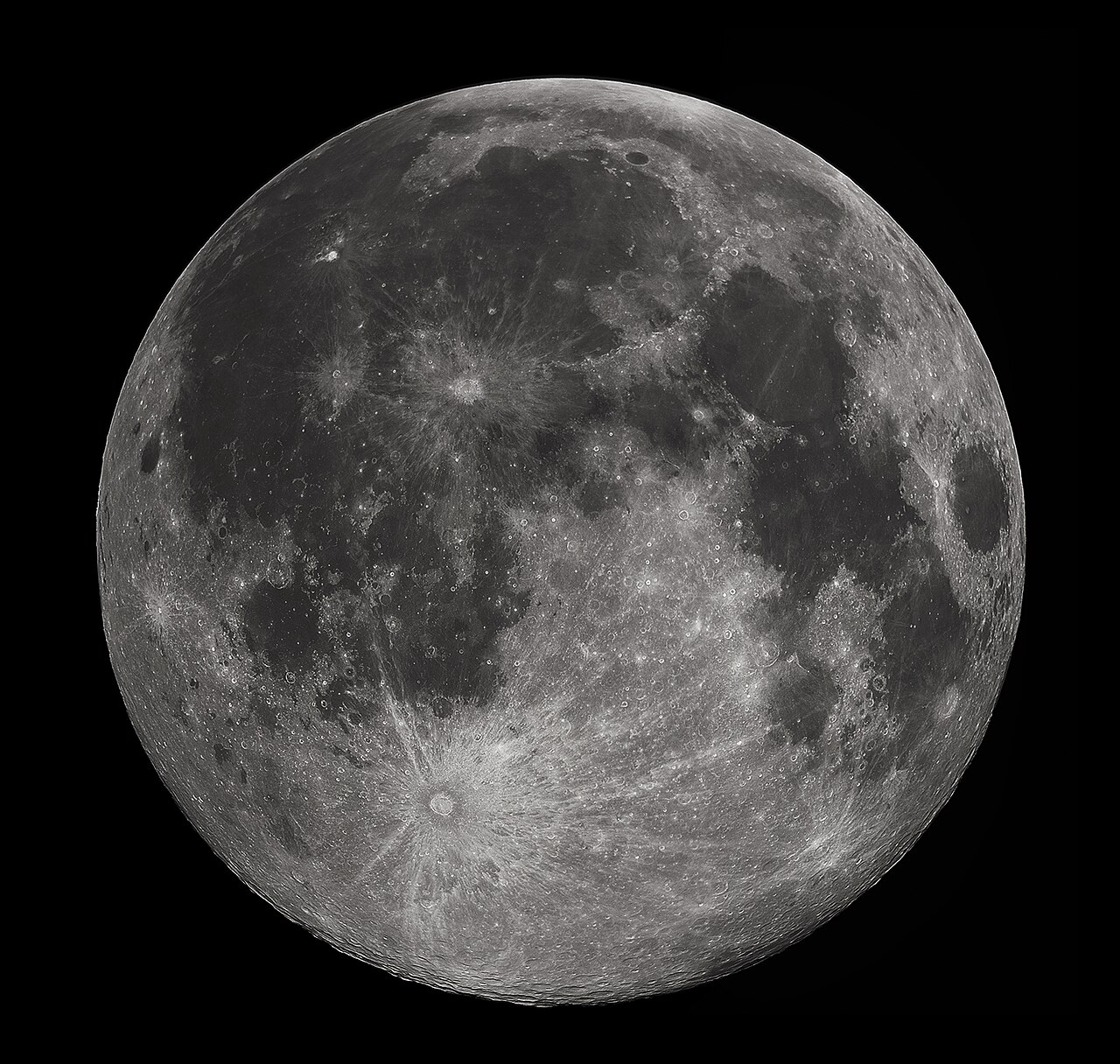
The Moon's surface is a fascinating and complex environment, with a wide range of features and geological processes. The Moon has no atmosphere, which means there is no weather or erosion to wear down its surface. As a result, the Moon's surface is preserved in a state of pristine condition, with craters, mountains, and lava flows still visible from billions of years ago. To explore the Moon's surface in more detail, visit the Moon Surface page. The Moon's composition is also of great interest, with a range of minerals and rocks that provide clues to its origins and evolution. For more information on the Moon's composition, see the Moon Composition page. The study of the Moon's surface is essential for Geology and Astronomy.
🚀 Exploring the Moon's Composition and Geology
The Moon is thought to have formed about 4.5 billion years ago, not long after the formation of Earth. One theory is that the Moon was created when a large object collided with Earth, causing debris to be thrown into orbit and eventually coalesce into the Moon. This theory is supported by the similarities in the composition of the Moon and Earth, as well as the large size of the Moon relative to Earth. To learn more about the Moon's formation, visit the Moon Formation page. The Moon's geology is also of great interest, with a range of processes that have shaped its surface over billions of years. For more information on the Moon's geology, see the Moon Geology page. The study of the Moon's formation and geology is crucial for understanding Astronomy and Space Exploration.
🌐 The Moon's Role in the Earth-Moon System
The Moon plays a crucial role in the Earth-Moon system, with its gravitational pull helping to stabilize Earth's axis and maintain a relatively constant climate. The Moon's orbit also helps to regulate the length of Earth's day, with the tidal forces causing a slight slowing of Earth's rotation. To learn more about the Earth-Moon system, visit the Earth-Moon System page. The Moon's influence on Earth's tides and oceans is also significant, with the gravitational pull causing the oceans to bulge out in two areas. For more information on the Moon's influence on Earth's tides, see the Moon Tides page. The study of the Earth-Moon system is essential for understanding Astronomy and Oceanography.
🌟 The Moon's Impact on Earth's Tides and Oceans
The Moon's impact on Earth's tides and oceans is a complex and fascinating topic. The tidal forces exerted by the Moon cause the oceans to bulge out in two areas, creating two high tides and two low tides each day. This has a significant impact on coastal ecosystems and marine life, as well as human activities such as fishing and navigation. To learn more about the Moon's impact on Earth's tides, visit the Moon Tides page. The Moon's influence on Earth's oceans is also discussed in more detail on the Oceanography page. The study of the Moon's impact on Earth's tides is crucial for understanding Oceanography and Geology.
🔭 The Future of Lunar Science and Exploration
The future of lunar science and exploration is an exciting and rapidly evolving field. With new missions and technologies being developed, scientists and engineers are able to study the Moon in greater detail than ever before. To learn more about the future of lunar science, visit the Future of Lunar Science page. The Moon's surface is also of great interest for potential human settlements and resource utilization, with a range of minerals and resources available for extraction. For more information on the Moon's resources, see the Moon Resources page. The study of the Moon's surface and resources is essential for Space Exploration and Astronomy.
🤝 International Cooperation in Lunar Research
International cooperation is essential for advancing our understanding of the Moon and its role in the Earth-Moon system. Scientists and engineers from around the world are working together to develop new missions and technologies, as well as to share data and results. To learn more about international cooperation in lunar research, visit the International Cooperation in Lunar Research page. The Moon's surface is also of great interest for potential international collaborations, with a range of opportunities for joint missions and research projects. For more information on international cooperation, see the International Cooperation page. The study of international cooperation is crucial for understanding Space Exploration and Astronomy.
🌟 The Cultural Significance of the Moon in Human History
The cultural significance of the Moon in human history is profound and far-reaching. The Moon has been a source of fascination and inspiration for centuries, with a range of myths, legends, and cultural associations. To learn more about the cultural significance of the Moon, visit the Cultural Significance of the Moon page. The Moon's surface is also of great interest for potential human settlements and resource utilization, with a range of opportunities for cultural and artistic expression. For more information on the cultural significance of the Moon, see the Moon in Art and Culture page. The study of the cultural significance of the Moon is crucial for understanding Astronomy and Space Exploration.
Key Facts
- Year
- 1959
- Origin
- Soviet Union's Luna 2 spacecraft, which impacted the Moon's surface on September 14, 1959, marking the first successful lunar mission
- Category
- Space Exploration
- Type
- Scientific Field
Frequently Asked Questions
What is the average distance of the Moon from Earth?
The average distance of the Moon from Earth is 384,399 kilometres (238,854 mi). The Moon's orbit is not a perfect circle, but an ellipse, which means its distance from Earth varies throughout the month. To learn more about the Moon's orbit, visit the Lunar Orbit page. The Moon's distance from Earth is also influenced by the gravitational pull of the Sun, which is discussed in more detail on the Solar System page.
What is the tidal force exerted by the Moon on Earth?
The tidal force exerted by the Moon on Earth is a result of the gravitational attraction between the two bodies. This force causes the oceans to bulge out in two areas, creating two high tides and two low tides each day. To learn more about tidal forces, visit the Tidal Forces page. The Moon's rotation is also affected by the tidal forces, causing it to become tidally locked to Earth.
What is the composition of the Moon's surface?
The Moon's surface is composed of a range of minerals and rocks, including feldspar, pyroxene, and olivine. The Moon's surface is also characterized by a range of geological features, including craters, mountains, and lava flows. To learn more about the Moon's surface, visit the Moon Surface page. The Moon's composition is also of great interest, with a range of minerals and resources available for extraction.
What is the future of lunar science and exploration?
The future of lunar science and exploration is an exciting and rapidly evolving field. With new missions and technologies being developed, scientists and engineers are able to study the Moon in greater detail than ever before. To learn more about the future of lunar science, visit the Future of Lunar Science page. The Moon's surface is also of great interest for potential human settlements and resource utilization, with a range of opportunities for economic development and growth.
What are the economic and social benefits of lunar science?
The economic and social benefits of lunar science are significant and far-reaching. The Moon's resources, such as helium-3 and rare earth minerals, have the potential to support a range of industries and applications. To learn more about the economic benefits of lunar science, visit the Economic Benefits of Lunar Science page. The Moon's surface is also of great interest for potential human settlements and resource utilization, with a range of opportunities for cultural and artistic expression.
What is the cultural significance of the Moon in human history?
The cultural significance of the Moon in human history is profound and far-reaching. The Moon has been a source of fascination and inspiration for centuries, with a range of myths, legends, and cultural associations. To learn more about the cultural significance of the Moon, visit the Cultural Significance of the Moon page. The Moon's surface is also of great interest for potential human settlements and resource utilization, with a range of opportunities for cultural and artistic expression.
How does the Moon's orbit affect Earth's tides and oceans?
The Moon's orbit has a significant impact on Earth's tides and oceans. The tidal forces exerted by the Moon cause the oceans to bulge out in two areas, creating two high tides and two low tides each day. To learn more about the Moon's impact on Earth's tides, visit the Moon Tides page. The Moon's influence on Earth's oceans is also discussed in more detail on the Oceanography page.