
Contents
- 🌊 Introduction to Oceanography
- 🌴 The History of Oceanography
- 🧮 Branches of Oceanography
- 🌊 Physical Oceanography
- 🧬 Biological Oceanography
- 🌴 Chemical Oceanography
- 🌊 Geological Oceanography
- 🚣♀️ Ocean Exploration and Mapping
- 🌊 Ocean Currents and Climate Change
- 🌴 Marine Conservation and Sustainability
- 🌊 The Future of Oceanography
- Frequently Asked Questions
- Related Topics
Overview
Oceanography, the study of the Earth's oceans, has a rich history dating back to the ancient Greeks, with key figures like Matthew Fontaine Maury (1806-1873) and Marie Tharp (1920-2006) contributing significantly to the field. Today, oceanography is a multidisciplinary field that encompasses physics, chemistry, biology, and geology, with applications in climate modeling, fisheries management, and offshore oil exploration. The ocean covers over 70% of the Earth's surface, with the deepest point, the Challenger Deep, reaching a staggering 35,787 feet (10,902 meters). Despite its importance, oceanography is a relatively underfunded field, with the National Oceanic and Atmospheric Administration (NOAA) receiving only 0.5% of the US federal budget. As concerns about climate change, ocean acidification, and marine pollution grow, the need for advanced oceanographic research and technology has never been more pressing. With the development of new technologies like autonomous underwater vehicles (AUVs) and satellite altimetry, scientists are now able to study the ocean in unprecedented detail, revealing new insights into ocean currents, marine ecosystems, and the impacts of human activities on the ocean's health.
🌊 Introduction to Oceanography
Oceanography, also known as Oceanology, is the scientific study of the ocean, including its Physics, Chemistry, Biology, and Geology. The field of oceanography is vast and interdisciplinary, encompassing various branches that work together to understand the complex interactions within the ocean. The study of oceanography is crucial for understanding the Earth's climate, weather patterns, and the impact of human activities on the marine ecosystem. For instance, Climate Change is a significant area of research in oceanography, as it affects ocean currents, sea levels, and the overall health of the ocean. Furthermore, oceanography is closely related to Marine Science, which focuses on the study of the ocean's biological and chemical components.
🌴 The History of Oceanography
The history of oceanography dates back to ancient civilizations, with early explorers and scientists such as Eratosthenes and Pliny the Elder contributing to our understanding of the ocean. However, it wasn't until the 19th century that oceanography began to take shape as a distinct scientific discipline. The Challenger Expedition (1872-1876) is often credited with laying the foundation for modern oceanography. This expedition, led by Charles Wyville Thomson, marked the beginning of a new era in oceanographic research, with a focus on Marine Biology and the study of ocean currents. The expedition's findings paved the way for future research in Ocean Currents and Marine Ecology.
🧮 Branches of Oceanography
Oceanography is divided into several branches, each focusing on a specific aspect of the ocean. These branches include Physical Oceanography, which studies the ocean's physical properties, such as temperature, salinity, and currents. Biological Oceanography examines the ocean's living organisms, from tiny Plankton to massive Blue Whales. Chemical Oceanography investigates the ocean's chemical composition, including the cycling of nutrients and the impact of Pollution. Finally, Geological Oceanography explores the ocean's geological features, such as Mid-Ocean Ridges and Oceanic Crust. Each branch of oceanography is interconnected, and researchers often draw on multiple disciplines to understand the complex interactions within the ocean.
🌊 Physical Oceanography
Physical oceanography is a crucial branch of oceanography, as it helps us understand the ocean's physical properties and processes. This includes the study of Ocean Currents, which play a significant role in shaping our climate and weather patterns. Physical oceanographers use a range of techniques, including Satellite Imagery and Ocean Modeling, to study the ocean's physical properties. For example, researchers use Sea Surface Temperature data to study Climate Change and its impact on ocean currents. Additionally, physical oceanography is closely related to Meteorology, as the ocean and atmosphere are intimately connected.
🧬 Biological Oceanography
Biological oceanography is the study of the ocean's living organisms, from the tiny Microorganisms that inhabit the ocean's depths to the massive Blue Whales that roam the surface. Biological oceanographers use a range of techniques, including Scuba Diving and Remotely Operated Vehicles, to study the ocean's biological components. This branch of oceanography is essential for understanding the ocean's role in the global ecosystem and the impact of human activities on marine life. For instance, researchers study Coral Reefs to understand the impact of Climate Change on these delicate ecosystems. Furthermore, biological oceanography is closely related to Ecology, as it focuses on the interactions between organisms and their environment.
🌴 Chemical Oceanography
Chemical oceanography is the study of the ocean's chemical composition, including the cycling of nutrients and the impact of Pollution. Chemical oceanographers use a range of techniques, including Water Sampling and Laboratory Analysis, to study the ocean's chemical properties. This branch of oceanography is essential for understanding the ocean's role in the global carbon cycle and the impact of human activities on the ocean's chemistry. For example, researchers study Ocean Acidification to understand the impact of Climate Change on the ocean's chemistry. Additionally, chemical oceanography is closely related to Geochemistry, as it focuses on the chemical composition of the Earth's systems.
🌊 Geological Oceanography
Geological oceanography is the study of the ocean's geological features, including Mid-Ocean Ridges and Oceanic Crust. Geological oceanographers use a range of techniques, including Seismic Surveying and Submarine Exploration, to study the ocean's geological properties. This branch of oceanography is essential for understanding the ocean's role in the Earth's geological processes and the impact of human activities on the ocean's geology. For instance, researchers study Plate Tectonics to understand the movement of the Earth's crust and its impact on the ocean's geology. Furthermore, geological oceanography is closely related to Geophysics, as it focuses on the physical properties of the Earth's systems.
🚣♀️ Ocean Exploration and Mapping
Ocean exploration and mapping are crucial for understanding the ocean's properties and processes. Oceanographers use a range of techniques, including Sonar Mapping and Autonomous Underwater Vehicles, to map the ocean's seafloor and study its features. This information is essential for understanding the ocean's role in the global ecosystem and the impact of human activities on the marine environment. For example, researchers use Bathymetry to study the ocean's depth and topography. Additionally, ocean exploration and mapping are closely related to Cartography, as they focus on the creation of maps and charts of the ocean's features.
🌊 Ocean Currents and Climate Change
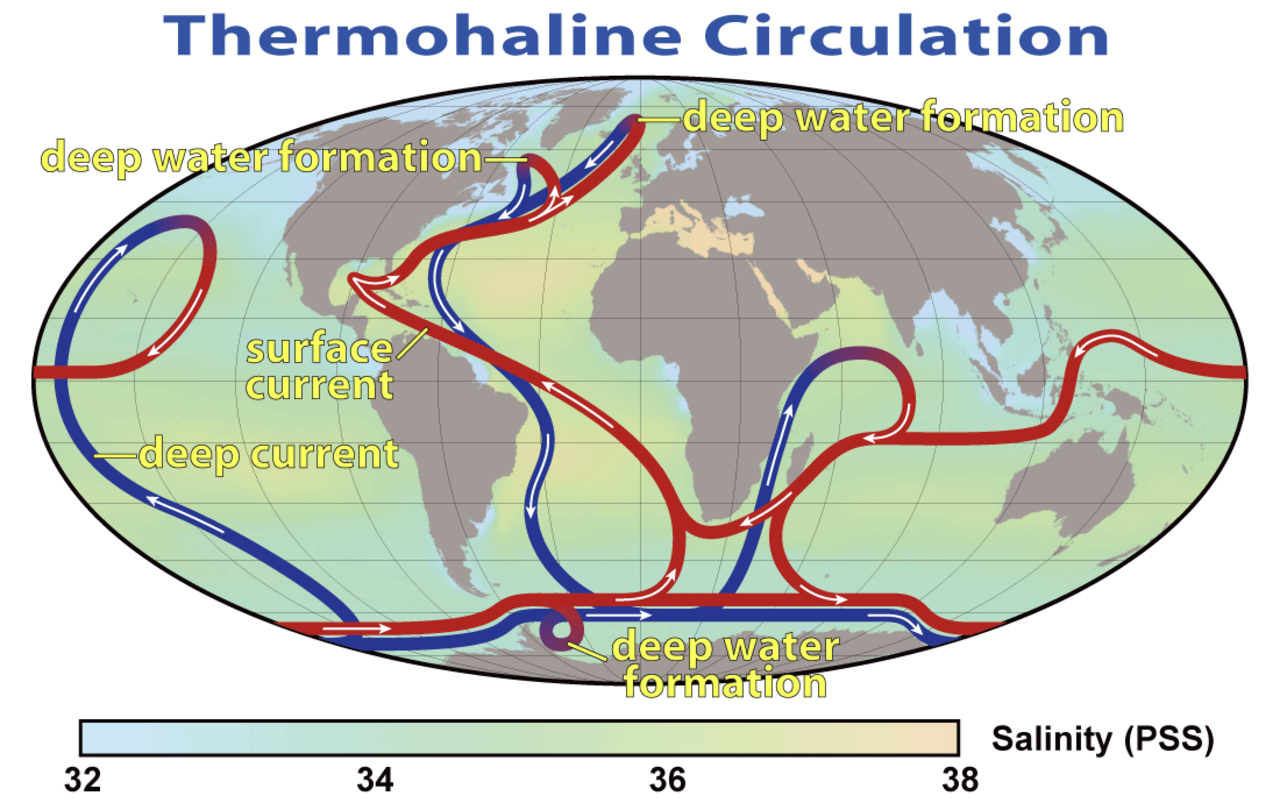
Ocean currents play a significant role in shaping our climate and weather patterns. Oceanographers use a range of techniques, including Satellite Imagery and Ocean Modeling, to study the ocean's currents and their impact on the global climate. This information is essential for understanding the ocean's role in the global ecosystem and the impact of human activities on the marine environment. For instance, researchers study Thermohaline Circulation to understand the ocean's role in regulating the global climate. Furthermore, ocean currents are closely related to Climate Change, as they play a significant role in shaping our climate and weather patterns.
🌴 Marine Conservation and Sustainability
Marine conservation and sustainability are essential for protecting the ocean's delicate ecosystems and ensuring the long-term health of the marine environment. Oceanographers use a range of techniques, including Marine Protected Areas and Sustainable Fishing Practices, to study the impact of human activities on the marine environment and develop strategies for conservation and sustainability. This information is essential for understanding the ocean's role in the global ecosystem and the impact of human activities on the marine environment. For example, researchers study Coral Reef Conservation to understand the impact of Climate Change on these delicate ecosystems. Additionally, marine conservation and sustainability are closely related to Environmental Policy, as they focus on the development of policies and practices that protect the marine environment.
🌊 The Future of Oceanography
The future of oceanography is exciting and rapidly evolving, with new technologies and techniques being developed to study the ocean's properties and processes. Oceanographers are using a range of tools, including Artificial Intelligence and Machine Learning, to analyze large datasets and develop new models of the ocean's behavior. This information is essential for understanding the ocean's role in the global ecosystem and the impact of human activities on the marine environment. For instance, researchers use Ocean Modeling to study the ocean's role in regulating the global climate. Furthermore, the future of oceanography is closely related to Sustainability, as it focuses on the development of practices and policies that protect the marine environment and ensure the long-term health of the ocean.
Key Facts
- Year
- 2023
- Origin
- Ancient Greece, with significant contributions from European and American scientists in the 19th and 20th centuries
- Category
- Earth Sciences
- Type
- Scientific Discipline
Frequently Asked Questions
What is oceanography?
Oceanography is the scientific study of the ocean, including its physics, chemistry, biology, and geology. It is an interdisciplinary field that encompasses various branches, including physical oceanography, biological oceanography, chemical oceanography, and geological oceanography. Oceanography is essential for understanding the ocean's role in the global ecosystem and the impact of human activities on the marine environment.
Why is oceanography important?
Oceanography is important because it helps us understand the ocean's role in the global ecosystem and the impact of human activities on the marine environment. The ocean plays a significant role in regulating the global climate, providing half of the oxygen we breathe, and serving as a source of food and livelihood for millions of people. Oceanography is essential for developing strategies for conservation and sustainability, as well as for understanding the impact of climate change on the ocean and its ecosystems.
What are the branches of oceanography?
The branches of oceanography include physical oceanography, biological oceanography, chemical oceanography, and geological oceanography. Each branch focuses on a specific aspect of the ocean, including its physical properties, living organisms, chemical composition, and geological features. These branches are interconnected, and researchers often draw on multiple disciplines to understand the complex interactions within the ocean.
What is the significance of ocean currents?
Ocean currents play a significant role in shaping our climate and weather patterns. They help distribute heat around the globe, regulate the global climate, and provide a source of food and livelihood for millions of people. Ocean currents are also closely related to climate change, as they play a significant role in shaping our climate and weather patterns.
How can we conserve and sustain the ocean's ecosystems?
Conserving and sustaining the ocean's ecosystems requires a range of strategies, including the establishment of marine protected areas, the development of sustainable fishing practices, and the reduction of pollution and waste. It is also essential to develop policies and practices that protect the marine environment and ensure the long-term health of the ocean. This can be achieved through international cooperation, education, and community engagement.
What is the future of oceanography?
The future of oceanography is exciting and rapidly evolving, with new technologies and techniques being developed to study the ocean's properties and processes. Oceanographers are using a range of tools, including artificial intelligence and machine learning, to analyze large datasets and develop new models of the ocean's behavior. This information is essential for understanding the ocean's role in the global ecosystem and the impact of human activities on the marine environment.
How does oceanography relate to climate change?
Oceanography is closely related to climate change, as the ocean plays a significant role in regulating the global climate. Ocean currents, for example, help distribute heat around the globe, while the ocean's absorption of carbon dioxide helps regulate the global carbon cycle. However, climate change is also having a significant impact on the ocean, including rising sea levels, ocean acidification, and changes in ocean currents and ecosystems.