
Contents
- 🌎 Introduction to Mahbub ul Haq
- 📚 Early Life and Education
- 💼 Career and Contributions
- 📊 Human Development Index (HDI)
- 🌈 Criticisms and Controversies
- 📈 Impact on Development Studies
- 👥 Influence on Global Policy
- 📚 Legacy and Remembrance
- 🌐 Global Reach and Applications
- 📊 Measuring Human Development
- 👀 Future Directions and Challenges
- Frequently Asked Questions
- Related Topics
Overview
Mahbub ul Haq was a Pakistani economist who is best known for developing the Human Development Index (HDI). He is considered one of the most influential economists of the 20th century, and his work has had a significant impact on the field of development studies. Haq's work focused on the importance of investing in human capital, such as education and healthcare, in order to promote economic development. He was a key figure in the development of the United Nations' human development approach, and his ideas have been influential in shaping global development policy. Haq's work has been recognized and praised by many, including Amartya Sen, who has credited Haq with helping to shift the focus of development economics from solely economic growth to human well-being.
📚 Early Life and Education
Mahbub ul Haq was born in 1934 in Punjab, Pakistan. He studied economics at Punjab University and later earned his Ph.D. in economics from Yale University. Haq's early career was marked by his work as a civil servant in the Pakistani government, where he was involved in the development of the country's economic planning and policy. He later worked as a consultant for the World Bank and the International Monetary Fund. Haq's experience working in these organizations helped shape his ideas about the importance of human development and the need for a more nuanced approach to economic development. Haq was also influenced by the work of Mahalanobis, an Indian economist who was a key figure in the development of India's planning commission.
💼 Career and Contributions
Mahbub ul Haq's career was marked by his contributions to the field of development economics. He was a key figure in the development of the Human Development Report, which was first published in 1990. The report introduced the Human Development Index (HDI), which measures a country's development based on factors such as life expectancy, education, and income. Haq's work on the HDI helped to shift the focus of development economics from solely economic growth to human well-being. He also worked on the development of the Human Poverty Index (HPI), which measures the extent of poverty in a country. Haq's work has been influential in shaping global development policy, and his ideas have been recognized and praised by many, including Kofi Annan.
📊 Human Development Index (HDI)
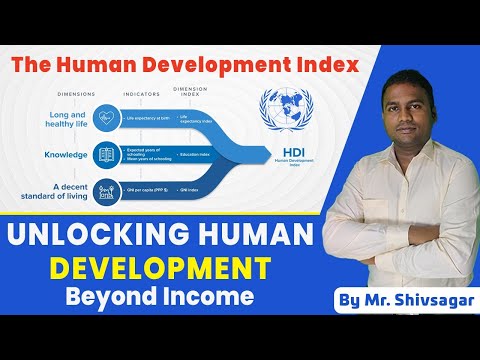
The Human Development Index (HDI) is a measure of a country's development that takes into account factors such as life expectancy, education, and income. The HDI was developed by Mahbub ul Haq and Amartya Sen as a way to measure a country's development beyond just economic growth. The HDI is calculated based on three dimensions: life expectancy at birth, expected years of schooling, and gross national income per capita. The HDI has been widely used as a measure of development, and it has helped to shift the focus of development economics from solely economic growth to human well-being. However, the HDI has also been criticized for its limitations, including its failure to account for factors such as inequality and environmental degradation. Despite these limitations, the HDI remains a widely used and influential measure of development.
🌈 Criticisms and Controversies
Mahbub ul Haq's work has not been without criticism and controversy. Some have argued that the Human Development Index (HDI) is too narrow and fails to account for important factors such as inequality and environmental degradation. Others have argued that the HDI is too focused on individual well-being and fails to account for the importance of collective well-being and social cohesion. Haq's work has also been criticized for its focus on economic growth and its failure to account for the importance of social and cultural factors in development. Despite these criticisms, Haq's work remains widely influential and has helped to shape global development policy. Haq's ideas have been recognized and praised by many, including Joseph Stiglitz, who has credited Haq with helping to shift the focus of development economics from solely economic growth to human well-being.
📈 Impact on Development Studies
Mahbub ul Haq's work has had a significant impact on the field of development studies. His ideas about the importance of investing in human capital, such as education and healthcare, have helped to shape global development policy. Haq's work on the Human Development Index (HDI) has also helped to shift the focus of development economics from solely economic growth to human well-being. Haq's ideas have been influential in shaping the development policies of many countries, including Pakistan, India, and Bangladesh. Haq's work has also been recognized and praised by many international organizations, including the United Nations and the World Bank.
👥 Influence on Global Policy
Mahbub ul Haq's work has had a significant influence on global policy. His ideas about the importance of investing in human capital, such as education and healthcare, have helped to shape global development policy. Haq's work on the Human Development Index (HDI) has also helped to shift the focus of development economics from solely economic growth to human well-being. Haq's ideas have been influential in shaping the development policies of many countries, including China, Brazil, and South Africa. Haq's work has also been recognized and praised by many international organizations, including the International Monetary Fund and the World Trade Organization.
📚 Legacy and Remembrance
Mahbub ul Haq's legacy continues to be felt today. His work on the Human Development Index (HDI) has helped to shift the focus of development economics from solely economic growth to human well-being. Haq's ideas about the importance of investing in human capital, such as education and healthcare, have helped to shape global development policy. Haq's work has also been recognized and praised by many, including Barack Obama, who has credited Haq with helping to shift the focus of development economics from solely economic growth to human well-being. Haq's legacy continues to inspire new generations of development economists and policymakers, and his ideas remain widely influential in shaping global development policy.
🌐 Global Reach and Applications
Mahbub ul Haq's work has had a global reach and has been applied in many different contexts. His ideas about the importance of investing in human capital, such as education and healthcare, have helped to shape global development policy. Haq's work on the Human Development Index (HDI) has also helped to shift the focus of development economics from solely economic growth to human well-being. Haq's ideas have been influential in shaping the development policies of many countries, including Nigeria, Egypt, and Indonesia. Haq's work has also been recognized and praised by many international organizations, including the United Nations and the World Bank.
📊 Measuring Human Development
Measuring human development is a complex task that requires a nuanced approach. Mahbub ul Haq's work on the Human Development Index (HDI) has helped to shift the focus of development economics from solely economic growth to human well-being. However, the HDI has also been criticized for its limitations, including its failure to account for factors such as inequality and environmental degradation. Despite these limitations, the HDI remains a widely used and influential measure of development. Other measures, such as the Multidimensional Poverty Index (MPI), have also been developed to provide a more nuanced understanding of human development. These measures have helped to provide a more complete picture of human development and have helped to inform development policy.
👀 Future Directions and Challenges
The future of human development is uncertain and will depend on many factors, including global economic trends, technological change, and environmental degradation. Mahbub ul Haq's work on the Human Development Index (HDI) has helped to shift the focus of development economics from solely economic growth to human well-being. However, the HDI has also been criticized for its limitations, and new measures, such as the Sustainable Development Goals (SDGs), have been developed to provide a more nuanced understanding of human development. These measures have helped to provide a more complete picture of human development and have helped to inform development policy. As the world continues to evolve and change, it is likely that new challenges and opportunities will arise, and it will be important to continue to develop and refine measures of human development to ensure that they remain relevant and effective.
Key Facts
- Year
- 1934
- Origin
- Punjab, Pakistan
- Category
- Economics, Development Studies
- Type
- Person
Frequently Asked Questions
What is the Human Development Index (HDI)?
The Human Development Index (HDI) is a measure of a country's development that takes into account factors such as life expectancy, education, and income. It was developed by Mahbub ul Haq and Amartya Sen as a way to measure a country's development beyond just economic growth. The HDI is calculated based on three dimensions: life expectancy at birth, expected years of schooling, and gross national income per capita.
What is the significance of Mahbub ul Haq's work?
Mahbub ul Haq's work has had a significant impact on the field of development economics. His ideas about the importance of investing in human capital, such as education and healthcare, have helped to shape global development policy. Haq's work on the Human Development Index (HDI) has also helped to shift the focus of development economics from solely economic growth to human well-being.
What are the limitations of the Human Development Index (HDI)?
The Human Development Index (HDI) has been criticized for its limitations, including its failure to account for factors such as inequality and environmental degradation. Despite these limitations, the HDI remains a widely used and influential measure of development. Other measures, such as the Multidimensional Poverty Index (MPI), have also been developed to provide a more nuanced understanding of human development.
How has Mahbub ul Haq's work influenced global policy?
Mahbub ul Haq's work has had a significant influence on global policy. His ideas about the importance of investing in human capital, such as education and healthcare, have helped to shape global development policy. Haq's work on the Human Development Index (HDI) has also helped to shift the focus of development economics from solely economic growth to human well-being. Haq's ideas have been influential in shaping the development policies of many countries, including Pakistan, India, and Bangladesh.
What is Mahbub ul Haq's legacy?
Mahbub ul Haq's legacy continues to be felt today. His work on the Human Development Index (HDI) has helped to shift the focus of development economics from solely economic growth to human well-being. Haq's ideas about the importance of investing in human capital, such as education and healthcare, have helped to shape global development policy. Haq's legacy continues to inspire new generations of development economists and policymakers, and his ideas remain widely influential in shaping global development policy.
How has Mahbub ul Haq's work been recognized and praised?
Mahbub ul Haq's work has been recognized and praised by many, including Amartya Sen, Joseph Stiglitz, and Barack Obama. Haq's ideas about the importance of investing in human capital, such as education and healthcare, have helped to shape global development policy. Haq's work on the Human Development Index (HDI) has also helped to shift the focus of development economics from solely economic growth to human well-being. Haq's legacy continues to inspire new generations of development economists and policymakers, and his ideas remain widely influential in shaping global development policy.
What are the future directions and challenges for human development?
The future of human development is uncertain and will depend on many factors, including global economic trends, technological change, and environmental degradation. Mahbub ul Haq's work on the Human Development Index (HDI) has helped to shift the focus of development economics from solely economic growth to human well-being. However, the HDI has also been criticized for its limitations, and new measures, such as the Sustainable Development Goals (SDGs), have been developed to provide a more nuanced understanding of human development. These measures have helped to provide a more complete picture of human development and have helped to inform development policy.