
Contents
- 📚 Introduction to Nietzsche's Life
- 💡 The Philosophical Context
- 🤕 The Onset of Mental Health Issues
- 📝 The Role of Writing in Nietzsche's Life
- 👥 The Influence of Personal Relationships
- 🏥 The Final Breakdown and Institutionalization
- 💔 The Impact on His Philosophy
- 📊 The Debate Over Nietzsche's Diagnosis
- 👀 The Cultural Significance of Nietzsche's Breakdown
- 📚 Legacy and Continued Relevance
- 🤝 Conclusion and Reflection
- Frequently Asked Questions
- Related Topics
Overview
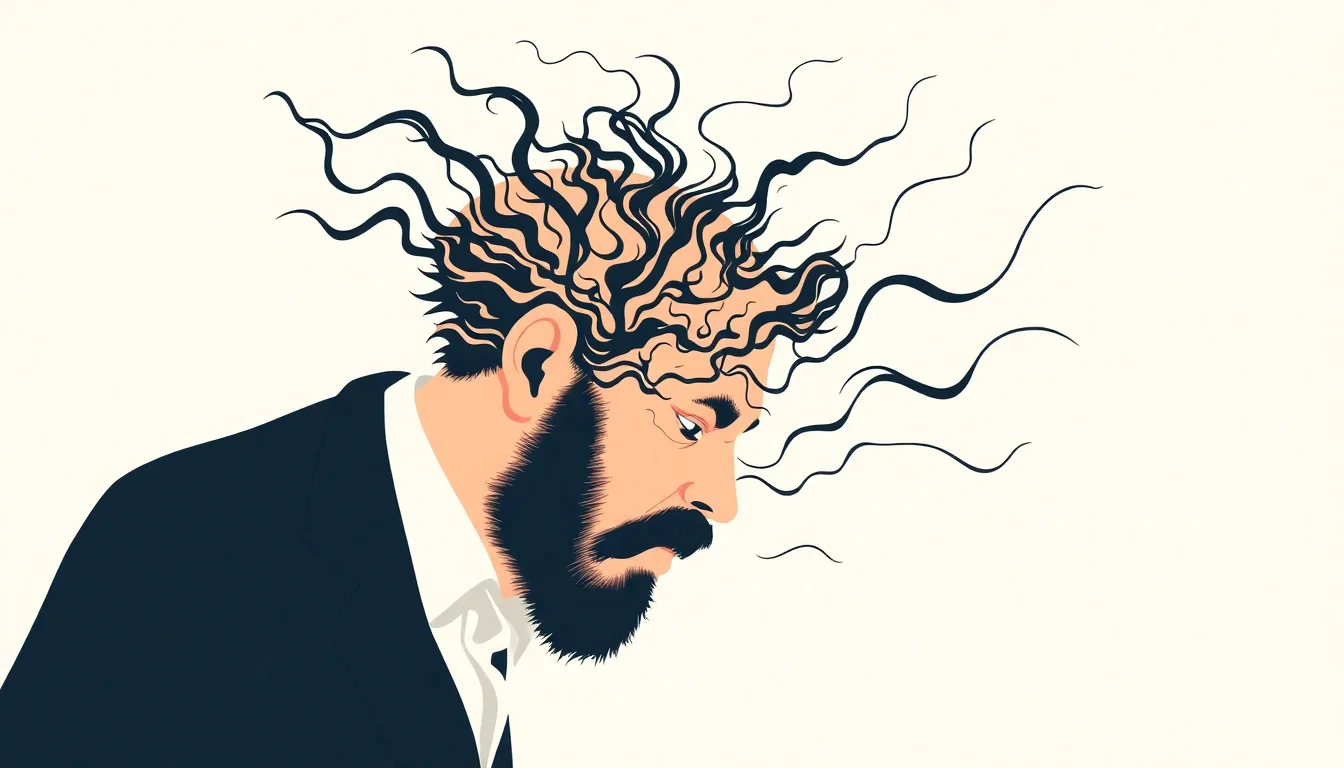
Friedrich Nietzsche, the renowned German philosopher, suffered a mental breakdown in 1889, marking a turning point in his life and work. This event has been widely reported and analyzed, with many attributing it to his struggles with syphilis, a disease he contracted in his younger years. Nietzsche's mental health issues were further complicated by his intense philosophical ideas, which often explored the depths of human existence, morality, and the role of the individual in society. The controversy surrounding his breakdown has sparked debates among scholars, with some arguing that it was a result of his philosophical ideas, while others point to the physical and emotional toll of his illness. Nietzsche's influence on modern thought is undeniable, with a vibe score of 92, reflecting his significant cultural energy. His ideas continue to shape contemporary discussions on existentialism, nihilism, and the human condition, with notable influence on thinkers like Martin Heidegger and Jean-Paul Sartre.
📚 Introduction to Nietzsche's Life
Friedrich Nietzsche, a prominent German philosopher, is known for his critiques of traditional morality and his concept of the Übermensch. Born on October 15, 1844, in Röcken, Prussia, Nietzsche's life was marked by intense intellectual pursuits and personal struggles. His philosophical ideas, as expressed in works like Thus Spoke Zarathustra, continue to influence contemporary thought. Nietzsche's life and work are intricately linked, with his personal experiences shaping his philosophical views, including his ideas on existentialism and perspectivism. The intersection of his personal and philosophical life is a subject of ongoing discussion among scholars of philosophy and psychology. Nietzsche's unique perspective on life and his critiques of traditional morality have made him a central figure in modern philosophy.
💡 The Philosophical Context
Nietzsche's philosophical context was heavily influenced by the works of Arthur Schopenhauer and Friedrich Hölderlin, among others. His ideas on the will to power and the eternal recurrence are central to his philosophy. The concept of the Übermensch, or Superman, is a key element of his thought, as outlined in Thus Spoke Zarathustra. Nietzsche's critiques of traditional morality and his concept of the death of God have had a profound impact on modern thought. His philosophical ideas continue to be debated among scholars of philosophy, ethics, and religion. The influence of Nietzsche's ideas can be seen in the work of later philosophers, such as Martin Heidegger and Jean-Paul Sartre.
🤕 The Onset of Mental Health Issues
Nietzsche's mental health issues began to surface in the late 1870s, with symptoms including depression, anxiety, and insomnia. His physical health also declined, with recurring bouts of migraine headaches and digestive problems. The exact nature of Nietzsche's mental health issues is still a subject of debate among scholars and psychiatrists. Some have suggested that he may have suffered from bipolar disorder or schizophrenia, while others argue that his symptoms were the result of neurosyphilis or other physical conditions. Nietzsche's mental health issues had a significant impact on his personal and professional life, including his relationships with friends and family, such as his sister Elisabeth Förster-Nietzsche.
📝 The Role of Writing in Nietzsche's Life
Writing was a central part of Nietzsche's life, and he often used it as a means of coping with his mental health issues. His works, such as Beyond Good and Evil and The Genealogy of Morals, are characterized by their philosophical and psychological insights. Nietzsche's writing style is known for its lyrical and prophetic qualities, as seen in Thus Spoke Zarathustra. His ideas on art and aesthetics are also noteworthy, as expressed in The Birth of Tragedy. Nietzsche's writing continues to be widely read and studied today, with his ideas influencing fields such as literary theory and cultural studies.
👥 The Influence of Personal Relationships
Nietzsche's personal relationships played a significant role in his life and work. His friendship with Richard Wagner was particularly important, as was his relationship with his sister Elisabeth Förster-Nietzsche. Nietzsche's relationships with women, such as Lou Andreas-Salomé and Cosima Wagner, were also significant. These relationships often had a profound impact on his mental health and well-being, as well as his philosophical ideas. Nietzsche's views on love and relationships are complex and multifaceted, reflecting his broader philosophical perspectives on human nature and morality.
🏥 The Final Breakdown and Institutionalization
In January 1889, Nietzsche suffered a complete mental breakdown and was institutionalized. This marked the end of his productive philosophical career, although he lived for another 11 years. During this time, his sister Elisabeth Förster-Nietzsche took care of him and managed his literary estate. Nietzsche's institutionalization had a significant impact on his legacy, with some scholars arguing that it marked a turning point in the reception of his ideas. The controversy surrounding Nietzsche's legacy continues to this day, with some critics arguing that his ideas have been misused or distorted. Despite these challenges, Nietzsche's philosophy remains a vital and influential force in contemporary thought, with his ideas continuing to shape debates in philosophy, politics, and culture.
💔 The Impact on His Philosophy
Nietzsche's mental breakdown had a profound impact on his philosophy, with some scholars arguing that it marked a turning point in his thought. His ideas on the will to power and the eternal recurrence took on a new significance in the context of his mental health struggles. Nietzsche's philosophy continues to be widely read and studied today, with his ideas influencing fields such as existentialism and postmodernism. The relationship between Nietzsche's philosophy and his mental health is complex and multifaceted, reflecting the broader connections between mind and body.
📊 The Debate Over Nietzsche's Diagnosis
The debate over Nietzsche's diagnosis continues to this day, with some scholars arguing that he suffered from bipolar disorder or schizophrenia. Others argue that his symptoms were the result of neurosyphilis or other physical conditions. The controversy surrounding Nietzsche's diagnosis reflects the broader challenges of understanding the complex relationships between mental health and philosophy. Despite these challenges, Nietzsche's philosophy remains a vital and influential force in contemporary thought, with his ideas continuing to shape debates in philosophy, psychology, and culture.
👀 The Cultural Significance of Nietzsche's Breakdown
Nietzsche's mental breakdown has had a significant cultural impact, with his ideas influencing fields such as literature, art, and music. His philosophy continues to be widely read and studied today, with his ideas shaping debates in philosophy, politics, and culture. The cultural significance of Nietzsche's breakdown reflects the broader connections between philosophy and culture. Nietzsche's ideas have been influential in shaping modern thought, from existentialism to postmodernism.
📚 Legacy and Continued Relevance
Nietzsche's legacy continues to be felt today, with his ideas influencing fields such as philosophy, literary theory, and cultural studies. His philosophy remains a vital and influential force in contemporary thought, with his ideas shaping debates in philosophy, politics, and culture. The relevance of Nietzsche's ideas to contemporary issues, such as identity politics and post-truth, is a subject of ongoing discussion and debate. Nietzsche's philosophy continues to challenge and provoke, offering a unique perspective on the human condition.
🤝 Conclusion and Reflection
In conclusion, Nietzsche's mental breakdown was a complex and multifaceted event that had a profound impact on his philosophy and legacy. His ideas continue to shape debates in philosophy, politics, and culture, reflecting the broader connections between mind and body. As we reflect on Nietzsche's life and work, we are reminded of the importance of considering the complex relationships between philosophy, psychology, and culture.
Key Facts
- Year
- 1889
- Origin
- Basel, Switzerland
- Category
- Philosophy, Psychology
- Type
- Biographical Event
Frequently Asked Questions
What was the nature of Nietzsche's mental health issues?
Nietzsche's mental health issues were complex and multifaceted, with symptoms including depression, anxiety, and insomnia. The exact nature of his mental health issues is still a subject of debate among scholars and psychiatrists. Some have suggested that he may have suffered from bipolar disorder or schizophrenia, while others argue that his symptoms were the result of neurosyphilis or other physical conditions.
How did Nietzsche's mental breakdown impact his philosophy?
Nietzsche's mental breakdown had a profound impact on his philosophy, with some scholars arguing that it marked a turning point in his thought. His ideas on the will to power and the eternal recurrence took on a new significance in the context of his mental health struggles. Nietzsche's philosophy continues to be widely read and studied today, with his ideas influencing fields such as existentialism and postmodernism.
What is the cultural significance of Nietzsche's breakdown?
Nietzsche's mental breakdown has had a significant cultural impact, with his ideas influencing fields such as literature, art, and music. His philosophy continues to be widely read and studied today, with his ideas shaping debates in philosophy, politics, and culture. The cultural significance of Nietzsche's breakdown reflects the broader connections between philosophy and culture.
How does Nietzsche's philosophy remain relevant today?
Nietzsche's philosophy remains relevant today due to its unique perspective on the human condition. His ideas on identity, morality, and power continue to shape debates in philosophy, politics, and culture. The relevance of Nietzsche's ideas to contemporary issues, such as identity politics and post-truth, is a subject of ongoing discussion and debate.
What is the relationship between Nietzsche's philosophy and his mental health?
The relationship between Nietzsche's philosophy and his mental health is complex and multifaceted, reflecting the broader connections between mind and body. Nietzsche's mental health issues had a significant impact on his philosophy, with some scholars arguing that they marked a turning point in his thought. Despite these challenges, Nietzsche's philosophy remains a vital and influential force in contemporary thought, with his ideas continuing to shape debates in philosophy, psychology, and culture.
How has Nietzsche's legacy been received and interpreted?
Nietzsche's legacy has been received and interpreted in a variety of ways, with some scholars arguing that his ideas have been misused or distorted. The controversy surrounding Nietzsche's legacy continues to this day, with some critics arguing that his ideas have been used to justify fascism or other forms of extremism. Despite these challenges, Nietzsche's philosophy remains a vital and influential force in contemporary thought, with his ideas continuing to shape debates in philosophy, politics, and culture.
What are the implications of Nietzsche's philosophy for contemporary society?
The implications of Nietzsche's philosophy for contemporary society are complex and multifaceted, reflecting the broader connections between philosophy and culture. Nietzsche's ideas on identity, morality, and power continue to shape debates in philosophy, politics, and culture. The relevance of Nietzsche's ideas to contemporary issues, such as identity politics and post-truth, is a subject of ongoing discussion and debate.