
Contents
- 🔍 Introduction to Anxiety
- 💡 Understanding Anxiety vs Fear
- 📊 Prevalence of Anxiety Disorders
- 🤝 The Impact of Anxiety on Daily Life
- 🌎 Cultural Perspectives on Anxiety
- 🧠 The Neuroscience of Anxiety
- 📈 Anxiety in the Digital Age
- 👥 Social Support and Anxiety
- 🏥 Treatment Options for Anxiety
- 📊 The Economic Burden of Anxiety
- 🔮 The Future of Anxiety Research
- Frequently Asked Questions
- Related Topics
Overview
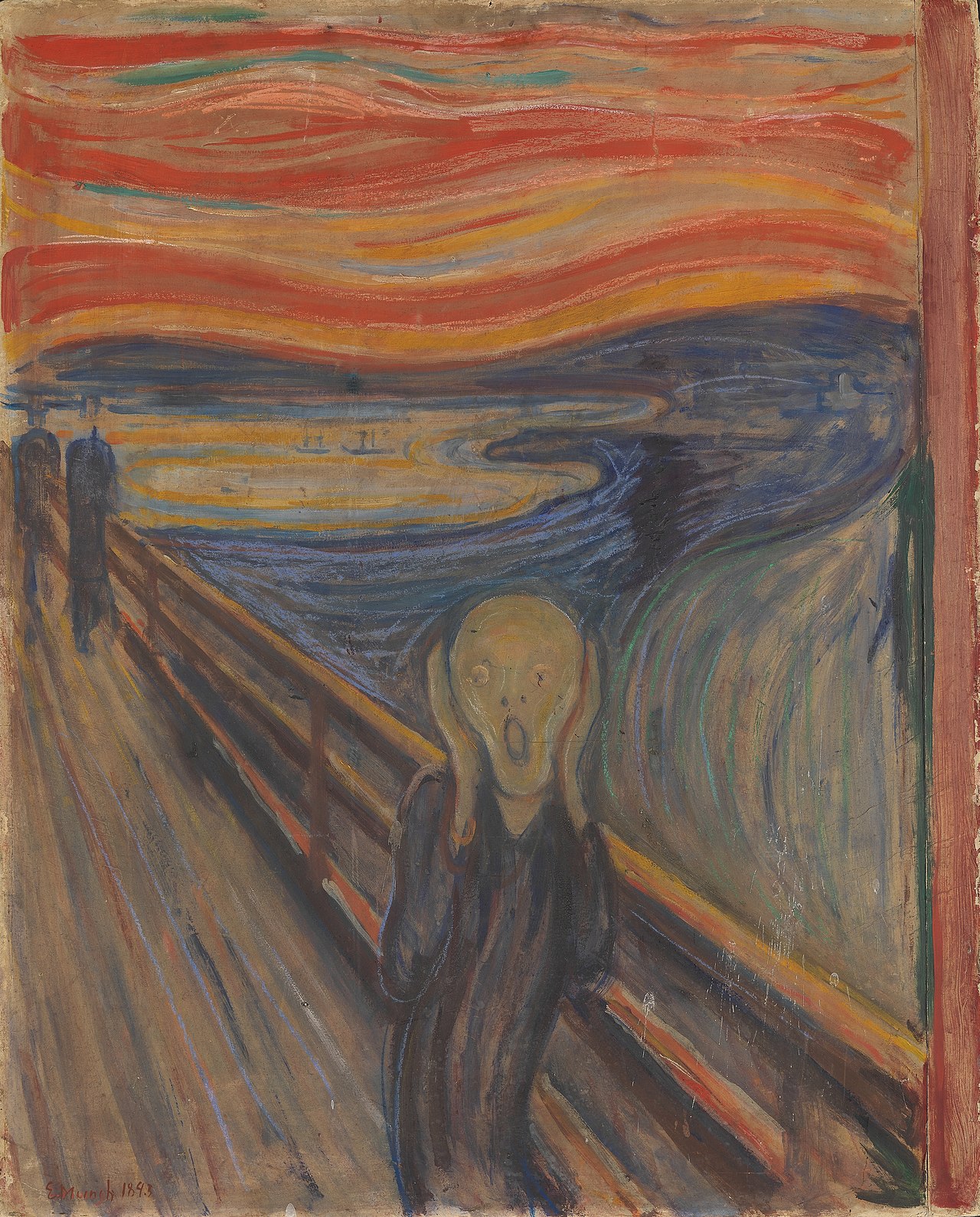
Anxiety, a condition characterized by feelings of worry, nervousness, and fear, affects over 284 million people worldwide, according to the World Health Organization (2019). With a vibe score of 80, anxiety has become a cultural phenomenon, influencing music, art, and literature. The historian's lens reveals that anxiety has been a persistent human experience throughout history, from ancient Greek philosophers like Aristotle (384-322 BCE) to modern-day psychologists like Daniel Kahneman (born 1934). However, the skeptic's perspective questions the over-medicalization of anxiety, citing the work of critics like Allen Frances (born 1942), who argues that the Diagnostic and Statistical Manual of Mental Disorders (DSM-5) has contributed to the pathologization of normal human emotions. The engineer's lens examines the neural mechanisms underlying anxiety, including the role of neurotransmitters like serotonin and dopamine, while the futurist wonders what the long-term consequences of widespread anxiety will be on individuals and society. As anxiety continues to shape our collective psyche, it's essential to consider the interplay between biological, psychological, and environmental factors, as well as the influence of social media, technology, and societal pressures, with some studies suggesting that the average person checks their phone over 50 times per day, contributing to a sense of perpetual connectedness and anxiety.
🔍 Introduction to Anxiety
Anxiety is a complex and multifaceted emotion that affects millions of people worldwide. According to the Anxiety Disorders association, anxiety is characterized by an unpleasant state of inner turmoil and includes feelings of dread over anticipated events. This is different from Fear, which is defined as the emotional response to a present threat. Anxiety is often accompanied by nervous behavior such as pacing back and forth, Somatic Complaints, and Rumination. To understand anxiety, it's essential to explore the Psychology of Anxiety and its various forms, including Generalized Anxiety Disorder and Panic Disorder.
💡 Understanding Anxiety vs Fear
One of the key differences between anxiety and fear is the timing of the threat. Fear is a response to a present threat, whereas anxiety is the anticipation of a future one. This distinction is crucial in understanding the Neuroscience of Anxiety and developing effective Treatment Options for Anxiety. For instance, Cognitive Behavioral Therapy is a common approach used to treat anxiety disorders. Additionally, Mindfulness-Based Stress Reduction techniques have been shown to be effective in reducing anxiety symptoms. The Anxiety and Fear relationship is complex, and understanding this dynamic is essential for developing effective treatments.
📊 Prevalence of Anxiety Disorders
Anxiety disorders are among the most common mental health conditions, affecting an estimated 40 million adults in the United States alone. The Prevalence of Anxiety Disorders varies across different cultures and populations, with some studies suggesting that Anxiety in Different Cultures may be more prevalent in certain societies. The Impact of Anxiety on Daily Life can be significant, affecting relationships, work, and overall well-being. To manage anxiety, it's essential to develop healthy Coping Mechanisms, such as Exercise and Anxiety reduction techniques.
🤝 The Impact of Anxiety on Daily Life
Anxiety can have a profound impact on daily life, affecting relationships, work, and overall well-being. The Social Impact of Anxiety can be significant, with anxious individuals often experiencing Social Isolation and Stigma. To mitigate this, it's essential to develop a strong Social Support Network, comprising friends, family, and mental health professionals. The Importance of Self-Care cannot be overstated, with activities such as Meditation and Anxiety reduction and Yoga for Anxiety relief being particularly beneficial. By prioritizing Mental Health and seeking help when needed, individuals can learn to manage their anxiety and improve their overall quality of life.
🌎 Cultural Perspectives on Anxiety
Cultural perspectives on anxiety vary widely, with some societies viewing anxiety as a sign of weakness, while others see it as a natural response to stress. The Cultural Perspectives on Anxiety can influence the way anxiety is experienced and treated, with some cultures emphasizing the importance of Traditional Healing Practices. For example, Acupuncture for Anxiety is a popular treatment option in some Asian cultures. Additionally, Herbal Remedies for Anxiety such as Kava and Passionflower have been used for centuries in various cultures. By understanding these cultural differences, mental health professionals can develop more effective Culturally Sensitive Treatments for anxiety disorders.
🧠 The Neuroscience of Anxiety
The neuroscience of anxiety is a complex and rapidly evolving field, with research suggesting that anxiety is associated with altered activity in brain regions such as the Amygdala and Prefrontal Cortex. The Neurobiology of Anxiety is influenced by a combination of genetic, environmental, and psychological factors, making it essential to develop personalized Treatment Plans for anxiety disorders. For instance, Neurofeedback Therapy has been shown to be effective in reducing anxiety symptoms by teaching individuals to self-regulate their brain activity. Furthermore, Psychopharmacology plays a crucial role in the treatment of anxiety disorders, with medications such as Selective Serotonin Reuptake Inhibitors being commonly prescribed.
📈 Anxiety in the Digital Age
The digital age has brought about new challenges and opportunities for anxiety management. The Impact of Social Media on Anxiety can be significant, with excessive social media use contributing to increased anxiety symptoms. However, digital technologies such as Mobile Apps for Anxiety and Online Therapy Platforms have also made it easier for individuals to access anxiety treatment and support. The Future of Anxiety Treatment is likely to involve a combination of traditional and digital approaches, with Artificial Intelligence and Machine Learning playing an increasingly important role in anxiety diagnosis and treatment.
🏥 Treatment Options for Anxiety
Treatment options for anxiety disorders are diverse and depend on the individual's specific needs and circumstances. The Treatment Options for Anxiety include Psychotherapy, Medication, and Lifestyle Changes. For example, Cognitive Behavioral Therapy is a common approach used to treat anxiety disorders, while Medications such as Benzodiazepines and Selective Serotonin Reuptake Inhibitors can be effective in reducing anxiety symptoms. Additionally, Alternative Therapies such as Acupuncture and Yoga have been shown to be beneficial in reducing anxiety symptoms.
📊 The Economic Burden of Anxiety
The economic burden of anxiety is significant, with anxiety disorders estimated to cost the global economy billions of dollars each year. The Economic Burden of Anxiety is influenced by a range of factors, including Lost Productivity, Healthcare Costs, and Social Security Benefits. To mitigate this, it's essential to develop effective Anxiety Prevention Strategies and Anxiety Treatment Options. For instance, Workplace Wellness Programs and School-Based Anxiety Programs can help reduce anxiety symptoms and improve overall mental health.
🔮 The Future of Anxiety Research
The future of anxiety research is likely to involve a combination of traditional and innovative approaches, with a focus on developing more effective and personalized treatments. The Future of Anxiety Research will likely involve the use of Artificial Intelligence and Machine Learning to better understand the underlying mechanisms of anxiety and develop more targeted interventions. Additionally, Genetic Research and Epigenetic Research will play a crucial role in understanding the genetic and environmental factors that contribute to anxiety disorders. By prioritizing anxiety research and development, we can improve our understanding of anxiety and develop more effective treatments for this complex and debilitating condition.
Key Facts
- Year
- 2022
- Origin
- Ancient Civilizations
- Category
- Psychology
- Type
- Psychological Condition
Frequently Asked Questions
What is anxiety?
Anxiety is a complex and multifaceted emotion characterized by an unpleasant state of inner turmoil and includes feelings of dread over anticipated events. It is different from fear, which is defined as the emotional response to a present threat. Anxiety is often accompanied by nervous behavior such as pacing back and forth, somatic complaints, and rumination. To understand anxiety, it's essential to explore the Psychology of Anxiety and its various forms, including Generalized Anxiety Disorder and Panic Disorder.
What are the symptoms of anxiety?
The symptoms of anxiety can vary widely, but common symptoms include feelings of dread or fear, rapid heartbeat, sweating, trembling, and difficulty concentrating. Anxiety can also manifest physically, with symptoms such as headaches, stomach problems, and sleep disturbances. The Symptoms of Anxiety can be debilitating and interfere with daily life, making it essential to seek help if symptoms persist. The Diagnosis of Anxiety typically involves a combination of physical and psychological evaluations, as well as a thorough medical history.
How is anxiety treated?
Anxiety is typically treated with a combination of psychotherapy, medication, and lifestyle changes. The Treatment Options for Anxiety include Cognitive Behavioral Therapy, Medication, and Lifestyle Changes. For example, Cognitive Behavioral Therapy is a common approach used to treat anxiety disorders, while Medications such as Benzodiazepines and Selective Serotonin Reuptake Inhibitors can be effective in reducing anxiety symptoms. Additionally, Alternative Therapies such as Acupuncture and Yoga have been shown to be beneficial in reducing anxiety symptoms.
Can anxiety be prevented?
While anxiety cannot be completely prevented, there are steps that can be taken to reduce the risk of developing anxiety disorders. The Prevention of Anxiety involves a combination of lifestyle changes, such as regular exercise, healthy eating, and stress management, as well as seeking help if symptoms persist. The Importance of Self-Care cannot be overstated, with activities such as Meditation and Anxiety reduction and Yoga for Anxiety relief being particularly beneficial. By prioritizing self-care and seeking help when needed, individuals can reduce their risk of developing anxiety disorders and improve their overall mental health.
What is the difference between anxiety and fear?
Anxiety and fear are two distinct emotions that are often confused with one another. The key difference between anxiety and fear is the timing of the threat. Fear is a response to a present threat, whereas anxiety is the anticipation of a future threat. The Anxiety and Fear relationship is complex, and understanding this dynamic is essential for developing effective treatments for anxiety disorders. The Neuroscience of Anxiety and Neuroscience of Fear are also distinct, with anxiety involving altered activity in brain regions such as the Amygdala and Prefrontal Cortex.
How does anxiety affect daily life?
Anxiety can have a profound impact on daily life, affecting relationships, work, and overall well-being. The Impact of Anxiety on Daily Life can be significant, with anxious individuals often experiencing Social Isolation and Stigma. To mitigate this, it's essential to develop a strong Social Support Network, comprising friends, family, and mental health professionals. The Importance of Self-Care cannot be overstated, with activities such as Meditation and Anxiety reduction and Yoga for Anxiety relief being particularly beneficial. By prioritizing self-care and seeking help when needed, individuals can better manage their anxiety and improve their overall quality of life.
What are the different types of anxiety disorders?
There are several different types of anxiety disorders, including Generalized Anxiety Disorder, Panic Disorder, Social Anxiety Disorder, and Phobias. Each type of anxiety disorder has distinct symptoms and treatment options, and it's essential to seek help from a mental health professional for an accurate diagnosis and treatment plan. The Diagnosis of Anxiety typically involves a combination of physical and psychological evaluations, as well as a thorough medical history. The Treatment Options for Anxiety include Psychotherapy, Medication, and Lifestyle Changes.
👥 Social Support and Anxiety
Social support is a critical component of anxiety management, with individuals who have strong social connections tend to experience lower levels of anxiety. The Importance of Social Support cannot be overstated, with activities such as Group Therapy and Support Groups providing a sense of community and connection for anxious individuals. Additionally, Animal-Assisted Therapy and Nature Therapy have been shown to be effective in reducing anxiety symptoms. By prioritizing social support and developing a strong Social Support Network, individuals can better manage their anxiety and improve their overall mental health.