
Contents
- 🔬 Introduction to Microbiologists
- 🧬 The World of Microorganisms
- 🔍 Specializations in Microbiology
- 🏥 Applications of Microbiology in Medicine
- 🌎 Environmental Microbiology
- 🧬 Microbiologists in Biotechnology
- 📚 The History of Microbiology
- 👥 Notable Microbiologists
- 🔬 Microbiology Research and Techniques
- 📊 Career Outlook for Microbiologists
- 🌟 The Future of Microbiology
- 🤝 Conclusion
- Frequently Asked Questions
- Related Topics
Overview
Microbiologists have been instrumental in shaping our understanding of the microbial world, from the discovery of penicillin by Alexander Fleming in 1928 to the current research on the human microbiome. With a Vibe score of 82, microbiologists continue to push the boundaries of knowledge, exploring the complex relationships between microorganisms and their environments. The work of microbiologists like Louis Pasteur, who developed the germ theory of disease, and Rosalind Franklin, whose X-ray crystallography contributed to the discovery of the structure of DNA, has had a profound impact on medicine, agriculture, and environmental science. Despite the many advances in the field, controversy surrounds the use of microbiology in biotechnology, with some arguing that it poses significant risks to human health and the environment. As we move forward, microbiologists will play a crucial role in addressing the challenges of antibiotic resistance, climate change, and food security. With the global microbiology market projected to reach $7.7 billion by 2025, the influence of microbiologists will only continue to grow, raising important questions about the future of this field and its potential to shape the course of human history.
🔬 Introduction to Microbiologists
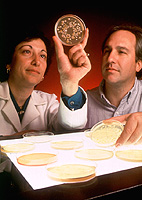
Microbiologists are scientists who study microscopic life forms and processes, including the growth, interactions, and characteristics of microscopic organisms such as Bacteria, Algae, Fungi, and some types of Parasites and their vectors. Most microbiologists work in offices and/or research facilities, both in private Biotechnology companies and in Academia. Microbiologists play a crucial role in understanding the microbial world and its impact on human health and the environment. For example, microbiologists have made significant contributions to the development of Vaccines and Antibiotics. The study of microbiology has also led to a greater understanding of the importance of Microbiome in human health.
🧬 The World of Microorganisms
The world of microorganisms is vast and diverse, with microorganisms found in almost every environment on Earth. Microbiologists study the characteristics and behaviors of microorganisms, including their Metabolism, Genetics, and Ecology. The study of microorganisms has led to a greater understanding of the importance of Symbiotic Relationships and the impact of microorganisms on the environment. For example, microbiologists have discovered that microorganisms play a crucial role in Nitrogen Fixation and Carbon Cycling. The study of microorganisms has also led to the development of new technologies, such as Bioremediation and Biofuels.
🔍 Specializations in Microbiology
Most microbiologists specialize in a given topic within microbiology, such as Bacteriology, Parasitology, Virology, or Immunology. These specializations allow microbiologists to develop a deeper understanding of specific microorganisms and their interactions with the environment and human health. For example, bacteriologists study the characteristics and behaviors of bacteria, including their Pathogenesis and Antibiotic Resistance. Virologists, on the other hand, study the characteristics and behaviors of viruses, including their Transmission and Pathogenesis.
🏥 Applications of Microbiology in Medicine
Microbiologists play a crucial role in the development of new medical treatments and technologies. For example, microbiologists have made significant contributions to the development of Vaccines and Antibiotics. The study of microbiology has also led to a greater understanding of the importance of Microbiome in human health. Microbiologists have discovered that the microbiome plays a crucial role in the development of Diseases, such as Inflammatory Bowel Disease and Obesity. The study of microbiology has also led to the development of new diagnostic tools, such as PCR and Sequencing.
🌎 Environmental Microbiology
Environmental microbiologists study the interactions between microorganisms and the environment. They examine the role of microorganisms in Ecosystems, including their impact on Water Quality and Soil Health. Environmental microbiologists also study the impact of human activities on microorganisms and the environment. For example, they examine the effects of Pollution and Climate Change on microorganisms and ecosystems. The study of environmental microbiology has led to the development of new technologies, such as Bioremediation and Biofuels.
🧬 Microbiologists in Biotechnology
Microbiologists in biotechnology companies develop new products and technologies, such as Biofuels and Bioproducts. They use microorganisms to produce Enzymes, Hormones, and other compounds. Biotechnologists also develop new diagnostic tools, such as PCR and Sequencing. The study of microbiology has led to the development of new therapies, such as Gene Therapy and Immunotherapy.
📚 The History of Microbiology
The history of microbiology dates back to the 17th century, when Antonie van Leeuwenhoek discovered microorganisms using a microscope. Since then, microbiologists have made significant contributions to our understanding of the microbial world. The discovery of Germ Theory by Louis Pasteur and Robert Koch revolutionized the field of microbiology. The development of Antibiotics and Vaccines has saved countless lives and improved human health. The study of microbiology has also led to a greater understanding of the importance of Microbiome in human health.
👥 Notable Microbiologists
There are many notable microbiologists who have made significant contributions to the field. For example, Jane Goodall is a microbiologist who has made significant contributions to our understanding of the Microbiome and its impact on human health. Elizabeth Blackburn is a microbiologist who has made significant contributions to our understanding of Telomeres and their role in Aging. David Baltimore is a microbiologist who has made significant contributions to our understanding of Virology and the development of Vaccines.
🔬 Microbiology Research and Techniques
Microbiologists use a variety of research techniques, including Microscopy, Culturing, and Molecular Biology. They also use computational tools, such as Bioinformatics, to analyze large datasets and understand complex biological systems. The study of microbiology has led to the development of new technologies, such as PCR and Sequencing. Microbiologists also use Animal Models to study the behavior of microorganisms in a controlled environment.
📊 Career Outlook for Microbiologists
The career outlook for microbiologists is strong, with a growing demand for microbiologists in industries such as Biotechnology and Healthcare. Microbiologists can work in a variety of settings, including research institutions, hospitals, and private companies. The median salary for microbiologists is around $60,000 per year, although salaries can vary depending on factors such as location and level of experience. Microbiologists can also pursue advanced degrees, such as a PhD in microbiology, to advance their careers.
🌟 The Future of Microbiology
The future of microbiology is exciting, with new technologies and discoveries being made every day. For example, the development of CRISPR technology has revolutionized the field of microbiology, allowing for precise editing of genes and the development of new therapies. The study of microbiology has also led to a greater understanding of the importance of Microbiome in human health, and the development of new diagnostic tools and therapies. Microbiologists will continue to play a crucial role in understanding the microbial world and its impact on human health and the environment.
🤝 Conclusion
In conclusion, microbiologists are the unseen heroes of science, working behind the scenes to understand the microbial world and its impact on human health and the environment. Their discoveries and contributions have led to significant advances in medicine, biotechnology, and environmental science. As we continue to face new challenges and opportunities in the field of microbiology, it is clear that microbiologists will play a crucial role in shaping the future of science and society.
Key Facts
- Year
- 2023
- Origin
- Ancient Greece, with the work of Aristotle and his observations on microorganisms
- Category
- Biological Sciences
- Type
- Occupation
Frequently Asked Questions
What is microbiology?
Microbiology is the study of microscopic life forms and processes, including the growth, interactions, and characteristics of microscopic organisms such as bacteria, algae, fungi, and some types of parasites and their vectors. Microbiologists study the characteristics and behaviors of microorganisms, including their metabolism, genetics, and ecology. The study of microbiology has led to a greater understanding of the importance of microbiome in human health and the environment.
What do microbiologists do?
Microbiologists work in a variety of settings, including research institutions, hospitals, and private companies. They use a variety of research techniques, including microscopy, culturing, and molecular biology, to study microorganisms and understand their behavior. Microbiologists also develop new products and technologies, such as biofuels and bioproducts, and work to understand the impact of microorganisms on human health and the environment.
What are the different specializations in microbiology?
There are several specializations in microbiology, including bacteriology, parasitology, virology, and immunology. Bacteriologists study the characteristics and behaviors of bacteria, while parasitologists study the characteristics and behaviors of parasites. Virologists study the characteristics and behaviors of viruses, while immunologists study the characteristics and behaviors of the immune system.
What are the applications of microbiology in medicine?
Microbiologists have made significant contributions to the development of new medical treatments and technologies, including vaccines and antibiotics. The study of microbiology has also led to a greater understanding of the importance of microbiome in human health, and the development of new diagnostic tools and therapies.
What is the career outlook for microbiologists?
The career outlook for microbiologists is strong, with a growing demand for microbiologists in industries such as biotechnology and healthcare. Microbiologists can work in a variety of settings, including research institutions, hospitals, and private companies. The median salary for microbiologists is around $60,000 per year, although salaries can vary depending on factors such as location and level of experience.
What are the future directions of microbiology?
The future of microbiology is exciting, with new technologies and discoveries being made every day. The development of CRISPR technology has revolutionized the field of microbiology, allowing for precise editing of genes and the development of new therapies. The study of microbiology has also led to a greater understanding of the importance of microbiome in human health, and the development of new diagnostic tools and therapies.
How do microbiologists contribute to environmental science?
Microbiologists contribute to environmental science by studying the interactions between microorganisms and the environment. They examine the role of microorganisms in ecosystems, including their impact on water quality and soil health. Environmental microbiologists also study the impact of human activities on microorganisms and the environment, and develop new technologies, such as bioremediation and biofuels, to mitigate the effects of pollution and climate change.