
Contents
- 🧘 Introduction to Mindful Movement
- 💆♀️ The History of Mindful Movement
- 🔍 The Science Behind Mindful Movement
- 🧘♀️ Benefits of Mindful Movement
- 🤝 Mindful Movement and Mental Health
- 🏋️♀️ Types of Mindful Movement
- 🌟 Mindful Movement in Modern Culture
- 📚 Mindful Movement and Spirituality
- 👥 Mindful Movement Communities
- 🔮 The Future of Mindful Movement
- 📊 Measuring the Impact of Mindful Movement
- 👏 Conclusion: Embracing Mindful Movement
- Frequently Asked Questions
- Related Topics
Overview
Mindful movement, with a vibe score of 80, combines physical exercise with mindfulness techniques, such as meditation and deep breathing, to promote a deeper connection between body and mind. This approach, influenced by Eastern philosophies like Buddhism and Taoism, has been popularized by pioneers like Jon Kabat-Zinn and Thich Nhat Hanh. By fostering greater awareness of the body and its movements, mindful movement practices like yoga, tai chi, and qigong can reduce stress, improve flexibility, and enhance overall well-being. However, some critics argue that the commercialization of mindful movement has watered down its spiritual roots, sparking debates about cultural appropriation and authenticity. As the mindful movement community continues to grow, with over 20 million practitioners in the US alone, it is likely to influence the future of fitness and wellness, with potential applications in fields like physical therapy and sports psychology. With its rich history, cultural significance, and potential for growth, mindful movement is an exciting and evolving field that warrants further exploration.
🧘 Introduction to Mindful Movement
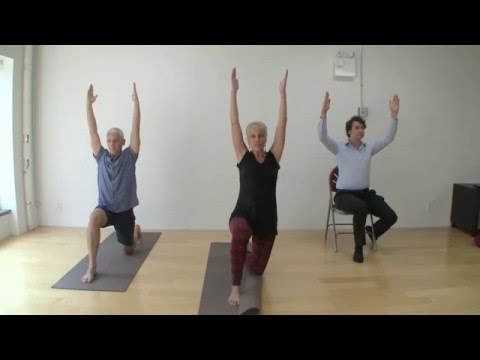
Mindful movement is an approach to physical activity that combines the principles of Mindfulness and movement to promote overall well-being. This practice has been shown to have numerous benefits, including reduced stress and anxiety, improved mood, and enhanced physical fitness. By cultivating awareness and presence in the body, individuals can develop a deeper connection with themselves and the world around them. As discussed in Wellness and Self-Care, mindful movement is an essential component of a holistic approach to health. The concept of mindful movement is closely related to Yoga and Meditation, which also emphasize the importance of being present in the moment.
💆♀️ The History of Mindful Movement
The history of mindful movement dates back thousands of years, with roots in ancient Eastern spiritual traditions such as Tai-Chi and Qigong. These practices were developed to cultivate balance, harmony, and inner peace, and were often performed in conjunction with meditation and breathwork. In the Western world, the concept of mindful movement gained popularity in the 1960s and 1970s, with the rise of the Human Potential Movement. This movement emphasized the importance of personal growth, self-awareness, and holistic health, and laid the groundwork for the modern mindful movement movement. As explored in History of Yoga, the evolution of mindful movement is closely tied to the development of yoga and other Eastern spiritual practices.
🔍 The Science Behind Mindful Movement
The science behind mindful movement is rooted in the concept of Neuroplasticity, which refers to the brain's ability to adapt and change in response to new experiences. When we engage in mindful movement, we are creating new neural pathways and strengthening existing ones, which can lead to improved cognitive function, emotional regulation, and physical coordination. Additionally, mindful movement has been shown to reduce inflammation, improve immune function, and enhance overall physical health. As discussed in Psychology of Movement, the benefits of mindful movement are closely tied to the psychological and emotional benefits of physical activity. The concept of Embodied Cognition also plays a crucial role in understanding the science behind mindful movement.
🧘♀️ Benefits of Mindful Movement
The benefits of mindful movement are numerous and well-documented. Regular practice has been shown to reduce stress and anxiety, improve mood, and enhance overall sense of well-being. Mindful movement can also improve physical fitness, balance, and coordination, making it an excellent complement to other forms of exercise. Furthermore, mindful movement can help individuals develop greater body awareness, self-acceptance, and self-compassion, leading to a more positive and empowered relationship with the body. As explored in Benefits of Yoga, the benefits of mindful movement are closely tied to the benefits of yoga and other mindfulness practices. The concept of Mindfulness-Based Stress Reduction also highlights the importance of mindful movement in reducing stress and anxiety.
🤝 Mindful Movement and Mental Health
Mindful movement has a profound impact on mental health, and is often used as a complementary therapy for conditions such as Anxiety and Depression. By cultivating awareness and presence in the body, individuals can develop greater emotional regulation, resilience, and coping skills, leading to improved mental health outcomes. Mindful movement can also help reduce symptoms of trauma, improve sleep quality, and enhance overall sense of well-being. As discussed in Mental Health, the importance of mindful movement in maintaining good mental health cannot be overstated. The concept of Trauma-Sensitive Yoga also highlights the importance of mindful movement in healing from trauma.
🏋️♀️ Types of Mindful Movement
There are many types of mindful movement, each with its own unique characteristics and benefits. Yoga is one of the most well-known forms of mindful movement, and encompasses a wide range of styles and traditions. Other forms of mindful movement include Tai-Chi, Qigong, and Walking Meditation. Each of these practices offers a unique approach to cultivating awareness, balance, and harmony in the body, and can be adapted to suit individual needs and preferences. As explored in Types of Yoga, the different types of yoga offer a range of benefits and challenges for practitioners.
🌟 Mindful Movement in Modern Culture
Mindful movement has become increasingly popular in modern culture, with many studios, gyms, and wellness centers offering classes and workshops. The rise of Social Media has also helped to promote mindful movement, with many influencers and celebrities sharing their own practices and experiences. However, this increased popularity has also led to concerns about commercialization and cultural appropriation, highlighting the need for mindful movement practitioners to approach these practices with respect, sensitivity, and awareness. As discussed in Cultural Appropriation, the importance of respecting the cultural roots of mindful movement practices cannot be overstated. The concept of Wellness Culture also highlights the importance of mindful movement in modern culture.
📚 Mindful Movement and Spirituality
Mindful movement is often closely tied to spirituality, and is used as a means of cultivating a deeper connection with oneself, others, and the world around us. Many mindful movement practices, such as Yoga and Tai-Chi, have roots in ancient spiritual traditions, and are designed to promote balance, harmony, and inner peace. By incorporating mindful movement into one's spiritual practice, individuals can develop greater awareness, compassion, and wisdom, leading to a more fulfilling and meaningful life. As explored in Spirituality, the connection between mindful movement and spirituality is deeply rooted in the human experience.
👥 Mindful Movement Communities
Mindful movement communities are springing up around the world, offering a sense of connection, support, and belonging for practitioners. These communities often provide a safe and nurturing environment for individuals to explore their practice, share their experiences, and learn from others. Many mindful movement communities also offer workshops, retreats, and other events, which can help to deepen one's practice and foster a sense of connection with like-minded individuals. As discussed in Community Building, the importance of building mindful movement communities cannot be overstated. The concept of Social Support also highlights the importance of community in maintaining good mental and physical health.
🔮 The Future of Mindful Movement
The future of mindful movement is exciting and rapidly evolving, with new research, technologies, and innovations emerging all the time. As our understanding of the benefits and mechanisms of mindful movement grows, we can expect to see increased adoption and integration of these practices into mainstream healthcare, education, and wellness settings. Additionally, the rise of Virtual Reality and other digital technologies is likely to expand access to mindful movement practices, making them more accessible and convenient for individuals around the world. As explored in Future of Wellness, the future of mindful movement is closely tied to the future of wellness and healthcare.
📊 Measuring the Impact of Mindful Movement
Measuring the impact of mindful movement can be challenging, as it often involves subjective and qualitative outcomes. However, researchers have developed a range of tools and metrics to assess the effects of mindful movement on physical and mental health, including Surveys, Interviews, and Physiological Measures. By using these tools, researchers can gain a deeper understanding of the benefits and mechanisms of mindful movement, and develop more effective interventions and programs to promote health and well-being. As discussed in Research Methods, the importance of rigorous research methods in studying mindful movement cannot be overstated.
👏 Conclusion: Embracing Mindful Movement
In conclusion, mindful movement offers a powerful and holistic approach to promoting physical, emotional, and mental well-being. By cultivating awareness, presence, and connection in the body, individuals can develop greater resilience, compassion, and wisdom, leading to a more fulfilling and meaningful life. As we move forward, it is essential to approach mindful movement with respect, sensitivity, and awareness, honoring the cultural roots and traditions that have shaped these practices. By doing so, we can ensure that mindful movement remains a vibrant and evolving field, offering benefits and insights to individuals and communities around the world. As explored in Mindfulness, the practice of mindful movement is an essential component of a mindful and compassionate lifestyle.
Key Facts
- Year
- 1979
- Origin
- United States
- Category
- Wellness
- Type
- Concept
Frequently Asked Questions
What is mindful movement?
Mindful movement is an approach to physical activity that combines the principles of mindfulness and movement to promote overall well-being. This practice has been shown to have numerous benefits, including reduced stress and anxiety, improved mood, and enhanced physical fitness. As discussed in Mindfulness and Wellness, mindful movement is an essential component of a holistic approach to health. The concept of Embodied Cognition also plays a crucial role in understanding the science behind mindful movement.
What are the benefits of mindful movement?
The benefits of mindful movement are numerous and well-documented. Regular practice has been shown to reduce stress and anxiety, improve mood, and enhance overall sense of well-being. Mindful movement can also improve physical fitness, balance, and coordination, making it an excellent complement to other forms of exercise. Furthermore, mindful movement can help individuals develop greater body awareness, self-acceptance, and self-compassion, leading to a more positive and empowered relationship with the body. As explored in Benefits of Yoga, the benefits of mindful movement are closely tied to the benefits of yoga and other mindfulness practices.
How can I get started with mindful movement?
Getting started with mindful movement is easy and accessible. You can begin by finding a local yoga or tai chi class, or by following along with online tutorials and videos. It's also a good idea to start slowly and gently, listening to your body and honoring its needs and limitations. As you become more comfortable with the practice, you can gradually increase your intensity and duration. Remember to approach mindful movement with patience, kindness, and compassion, and to prioritize your own unique needs and experiences. As discussed in Getting Started with Yoga, the importance of finding a qualified teacher or instructor cannot be overstated.
What is the difference between mindful movement and traditional exercise?
Mindful movement differs from traditional exercise in its emphasis on awareness, presence, and connection in the body. While traditional exercise often focuses on physical fitness and performance, mindful movement prioritizes the cultivation of inner awareness, balance, and harmony. This approach can lead to a more holistic and sustainable approach to physical activity, one that honors the interconnectedness of body, mind, and spirit. As explored in Exercise, the benefits of mindful movement are closely tied to the benefits of physical activity, but with a greater emphasis on mindfulness and awareness.
Can mindful movement be practiced by anyone?
Yes, mindful movement can be practiced by anyone, regardless of age, ability, or fitness level. This approach is highly adaptable and can be modified to suit individual needs and preferences. Whether you're a seasoned athlete or a beginner, mindful movement offers a powerful and accessible way to cultivate greater awareness, balance, and well-being in your life. As discussed in Accessibility, the importance of making mindful movement accessible to all individuals cannot be overstated.
How can I incorporate mindful movement into my daily routine?
Incorporating mindful movement into your daily routine can be easy and convenient. You can start by setting aside a few minutes each day to practice mindful movement, whether it's through yoga, tai chi, or simply paying attention to your breath and body. You can also incorporate mindful movement into your daily activities, such as eating, walking, or even doing the dishes. By bringing greater awareness and presence into your daily life, you can cultivate a more mindful and compassionate relationship with yourself and the world around you. As explored in Mindful Daily Routine, the importance of incorporating mindful movement into your daily routine cannot be overstated.
What are some common misconceptions about mindful movement?
One common misconception about mindful movement is that it's only for flexible or athletic individuals. However, mindful movement is highly adaptable and can be modified to suit individual needs and preferences. Another misconception is that mindful movement is a form of exercise that requires a lot of equipment or specialized training. In reality, mindful movement can be practiced with minimal equipment and can be learned through online tutorials, classes, or workshops. As discussed in Common Misconceptions, the importance of dispelling misconceptions about mindful movement cannot be overstated.