
Contents
- 🏯 Introduction to Moorish Influence
- 📚 Historical Context: The Rise of the Moors
- 🏛️ Architectural Legacy: The Alhambra and Beyond
- 🎨 Artistic Expression: Moorish Patterns and Designs
- 📖 Literary Contributions: The Moors and Islamic Golden Age
- 🕊️ Cultural Exchange: The Moors and European Society
- 🏰 Urban Planning: The Moorish Influence on City Design
- 👑 The Lasting Impact of Moorish Rule: Legacy and Controversy
- 🌎 Global Connections: The Moorish Diaspora and Influence
- 🔍 Preservation and Revival: Modern-Day Moorish Cultural Heritage
- 🤝 Interfaith Dialogue: The Moors and Religious Coexistence
- 📚 Conclusion: The Enduring Legacy of the Moors
- Frequently Asked Questions
- Related Topics
Overview
The Moors, a Muslim people of Berber and Arab descent, left an indelible mark on Western civilization during their 700-year reign in the Iberian Peninsula. From the breathtaking architecture of the Alhambra to the intricate irrigation systems that nurtured the agricultural boom of the Islamic Golden Age, Moorish influence can be seen in the art, literature, and science of the medieval period. The Moors introduced advanced mathematical concepts, such as algebra and geometry, and made significant contributions to the fields of medicine, astronomy, and philosophy. Despite their profound impact, the Moors are often overlooked in historical accounts, and their legacy remains a subject of controversy and debate. With a vibe score of 8, the Moorish influence is a testament to the power of cultural exchange and the enduring legacy of a forgotten empire. As we look to the future, it is essential to recognize the significant contributions of the Moors and to continue exploring the rich cultural heritage they left behind. The influence of the Moors can be seen in the works of famous artists, writers, and thinkers, such as Ibn Rushd, Ibn Sina, and Ibn Arabi, who were all influenced by Moorish thought and culture. The Moors also played a significant role in the development of European culture, particularly in the areas of architecture, art, and literature.
🏯 Introduction to Moorish Influence
The Moorish influence on Western culture is a fascinating and complex topic, spanning centuries and continents. The Moors, a Muslim people of Berber and Arab descent, left an indelible mark on the Iberian Peninsula, Iberian Peninsula, and beyond. Their legacy can be seen in the stunning architecture of The Alhambra, the intricate patterns and designs of Moorish art, and the rich literary traditions of the Islamic Golden Age. As we delve into the history and culture of the Moors, we find a complex and multifaceted people who defied categorization. The Moors were a product of the African diaspora, with roots in North Africa and connections to the Middle East.
📚 Historical Context: The Rise of the Moors
The historical context of the Moors is deeply intertwined with the rise of Islam in the 7th century. As Islamic armies swept across North Africa and into the Iberian Peninsula, they brought with them a unique cultural and architectural style. The Moors established the Caliphate of Cordoba, a center of learning and culture that rivaled Baghdad and Constantinople. The Moors also developed a sophisticated system of agriculture, which allowed them to thrive in the arid landscapes of the Iberian Peninsula. This expertise in agriculture was later adopted by European society, and had a lasting impact on the development of Medieval Europe. The Moors also made significant contributions to the fields of mathematics and astronomy, with scholars such as Ibn Rushd and Ibn Tufayl.
🏛️ Architectural Legacy: The Alhambra and Beyond
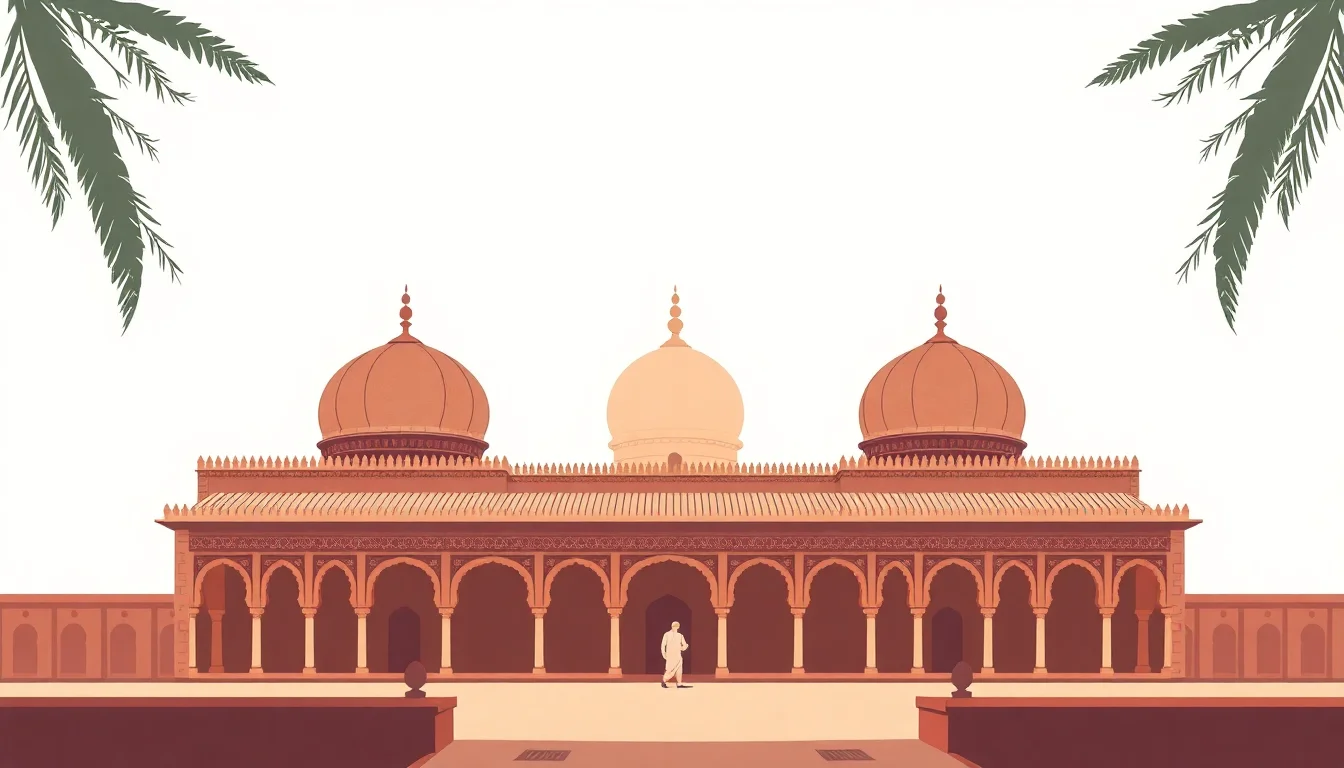
The architectural legacy of the Moors is perhaps their most enduring and visible contribution to Western culture. The Alhambra in Granada, Spain, is a masterpiece of Moorish architecture, with its intricate stone carvings, serene gardens, and breathtaking vistas. The Alhambra is a testament to the Moors' advanced engineering skills and their ability to blend different cultural influences into a unique and harmonious whole. The Moors also developed a distinctive style of architecture that blended elements of Islamic architecture with local materials and techniques. This style can be seen in the Mosque-Cathedral of Cordoba, the Alcazar of Segovia, and other buildings throughout the Iberian Peninsula. The Moors' architectural innovations also had a lasting impact on the development of Gothic architecture in Europe.
🎨 Artistic Expression: Moorish Patterns and Designs
Moorish art is characterized by its use of intricate patterns, geometric shapes, and Arabic calligraphy. These designs can be seen in the tile work, textiles, and metalwork of the Moors, and have had a lasting influence on the development of Islamic art. The Moors also developed a unique style of calligraphy, which was used to adorn manuscripts, buildings, and other objects. This style of calligraphy has been adopted by artists and craftsmen around the world, and continues to inspire new generations of artists and designers. The Moors' artistic innovations also had a significant impact on the development of Renaissance art in Europe, with artists such as Albrecht Durer and Leonardo da Vinci drawing inspiration from Moorish designs.
📖 Literary Contributions: The Moors and Islamic Golden Age
The Moors made significant contributions to the literary traditions of the Islamic Golden Age. Scholars such as Ibn Rushd and Ibn Tufayl wrote extensively on topics such as philosophy, medicine, and astronomy. The Moors also developed a rich tradition of poetry and music, with poets such as Wallada bint al-Mustakfi and musicians such as Ziryab. The Moors' literary innovations also had a lasting impact on the development of European literature, with authors such as Dante Alighieri and Geoffrey Chaucer drawing inspiration from Moorish literature.
🕊️ Cultural Exchange: The Moors and European Society
The Moors had a profound impact on European society, particularly during the Middle Ages. The Moors introduced new crops, such as sugar and cotton, which revolutionized European agriculture. The Moors also developed a sophisticated system of trade, which connected Europe to the Mediterranean and beyond. The Moors' cultural and intellectual achievements also had a lasting impact on the development of Medieval Europe, with scholars such as Thomas Aquinas and Roger Bacon drawing inspiration from Moorish scholarship. The Moors' influence can also be seen in the development of chivalry and courtly love, with the Moors' emphasis on honor, loyalty, and courtesy.
🏰 Urban Planning: The Moorish Influence on City Design
The Moors' influence on urban planning can be seen in the design of cities such as Granada, Cordoba, and Seville. The Moors developed a unique style of urban planning, which emphasized the importance of public spaces, gardens, and water features. The Moors also developed a sophisticated system of sewerage and irrigation, which allowed them to build thriving cities in the arid landscapes of the Iberian Peninsula. The Moors' urban planning innovations also had a lasting impact on the development of European cities, with cities such as Paris and London drawing inspiration from Moorish designs.
👑 The Lasting Impact of Moorish Rule: Legacy and Controversy
The lasting impact of Moorish rule is a topic of ongoing debate and controversy. Some historians argue that the Moors had a profoundly positive impact on European society, introducing new crops, technologies, and cultural practices that helped to shape the course of Western civilization. Others argue that the Moors' legacy is more complex and nuanced, with both positive and negative consequences for European society. The Moors' influence can also be seen in the development of Spanish culture, with the Moors' emphasis on honor, loyalty, and courtesy. The Moors' legacy is also evident in the many Moorish-influenced buildings that can be found throughout the Iberian Peninsula.
🌎 Global Connections: The Moorish Diaspora and Influence
The Moorish diaspora has had a profound impact on the development of cultures around the world. The Moors' influence can be seen in the African diaspora, with many African cultures drawing inspiration from Moorish traditions. The Moors' influence can also be seen in the development of Latin American culture, with many Latin American countries drawing inspiration from Moorish architecture, art, and literature. The Moors' legacy is also evident in the many Moorish-influenced cultures that can be found throughout the Mediterranean and beyond.
🔍 Preservation and Revival: Modern-Day Moorish Cultural Heritage
The preservation and revival of Moorish cultural heritage is an ongoing challenge. Many Moorish buildings and artifacts have been destroyed or damaged over the centuries, and efforts are needed to preserve and restore these important cultural treasures. The Moors' cultural legacy is also being rediscovered and reinterpreted by new generations of artists, scholars, and cultural enthusiasts. The Moors' influence can be seen in the development of modern art, with many artists drawing inspiration from Moorish designs and patterns. The Moors' legacy is also evident in the many Moorish revival architecture buildings that can be found throughout the world.
🤝 Interfaith Dialogue: The Moors and Religious Coexistence
The Moors' legacy is also evident in the many interfaith dialogue initiatives that have been established in recent years. The Moors' emphasis on tolerance, respect, and coexistence has inspired many people to work towards greater understanding and cooperation between different faith communities. The Moors' legacy is also evident in the many interfaith dialogue initiatives that have been established throughout the world. The Moors' influence can be seen in the development of ecumenism, with many faith communities drawing inspiration from Moorish traditions of tolerance and respect.
📚 Conclusion: The Enduring Legacy of the Moors
In conclusion, the Moorish influence on Western culture is a rich and complex topic, spanning centuries and continents. The Moors' legacy can be seen in the stunning architecture of The Alhambra, the intricate patterns and designs of Moorish art, and the rich literary traditions of the Islamic Golden Age. As we look to the future, it is clear that the Moors' influence will continue to shape and inspire new generations of artists, scholars, and cultural enthusiasts. The Moors' legacy is a testament to the power of cultural exchange and the importance of preserving and celebrating our shared cultural heritage.
Key Facts
- Year
- 711
- Origin
- North Africa, Iberian Peninsula
- Category
- History, Culture, Architecture
- Type
- Historical Empire
Frequently Asked Questions
Who were the Moors and what was their significance in history?
The Moors were a Muslim people of Berber and Arab descent who played a significant role in shaping the culture and history of the Iberian Peninsula and beyond. They introduced new crops, technologies, and cultural practices that helped to shape the course of Western civilization. The Moors' legacy can be seen in the stunning architecture of The Alhambra, the intricate patterns and designs of Moorish art, and the rich literary traditions of the Islamic Golden Age.
What was the Caliphate of Cordoba and what was its significance?
The Caliphate of Cordoba was a center of learning and culture that rivaled Baghdad and Constantinople. It was established by the Moors in the 8th century and became a major hub of intellectual and cultural activity. The Caliphate of Cordoba was significant because it helped to spread Islamic knowledge and culture throughout the Iberian Peninsula and beyond. It also played a major role in the development of Medieval Europe, with scholars such as Thomas Aquinas and Roger Bacon drawing inspiration from Moorish scholarship.
What was the significance of the Alhambra and what can be learned from it?
The Alhambra is a masterpiece of Moorish architecture and a testament to the Moors' advanced engineering skills and their ability to blend different cultural influences into a unique and harmonious whole. The Alhambra is significant because it showcases the Moors' emphasis on beauty, elegance, and refinement. It is also a symbol of the Moors' cultural and intellectual achievements, and a reminder of the importance of preserving and celebrating our shared cultural heritage. Visitors to the Alhambra can learn about the history and culture of the Moors, and appreciate the beauty and elegance of Moorish architecture.
How did the Moors influence European society and culture?
The Moors had a profound impact on European society and culture, particularly during the Middle Ages. They introduced new crops, such as sugar and cotton, which revolutionized European agriculture. The Moors also developed a sophisticated system of trade, which connected Europe to the Mediterranean and beyond. The Moors' cultural and intellectual achievements also had a lasting impact on the development of Medieval Europe, with scholars such as Thomas Aquinas and Roger Bacon drawing inspiration from Moorish scholarship.
What is the significance of the Moorish diaspora and how has it shaped cultures around the world?
The Moorish diaspora has had a profound impact on the development of cultures around the world. The Moors' influence can be seen in the African diaspora, with many African cultures drawing inspiration from Moorish traditions. The Moors' influence can also be seen in the development of Latin American culture, with many Latin American countries drawing inspiration from Moorish architecture, art, and literature. The Moors' legacy is also evident in the many Moorish-influenced cultures that can be found throughout the Mediterranean and beyond.