
Contents
- 🌊 Introduction to the Mediterranean
- 🌍 Geography and Climate
- 🏛️ Historical Significance
- 🌟 Cultural Heritage
- 🌿 Environmental Concerns
- 🚣♀️ Maritime Trade and Economy
- 🌈 Diversity and Multiculturalism
- 📚 Education and Research
- 👥 Tourism and Travel
- 🤝 International Cooperation
- 🚨 Challenges and Opportunities
- Frequently Asked Questions
- Related Topics
Overview
The Mediterranean region, spanning across southern Europe, North Africa, and western Asia, is a melting pot of cultures, histories, and landscapes. With a vibe score of 8, it's a place where the past and present converge, from the ancient ruins of Greece and Rome to the vibrant cities of Barcelona and Istanbul. The Mediterranean diet, characterized by its emphasis on olive oil, fresh vegetables, and whole grains, has been widely adopted for its health benefits, with a 30% reduction in heart disease risk. However, the region is also plagued by issues such as over-tourism, with 200 million visitors annually, and environmental degradation, including a 50% decline in marine biodiversity. As the region looks to the future, it must balance its economic and cultural development with the need to preserve its unique heritage and natural resources. With its complex history, diverse cultures, and breathtaking landscapes, the Mediterranean remains a fascinating and dynamic region, influencing global trends and inspiring new generations of artists, thinkers, and leaders.
🌊 Introduction to the Mediterranean
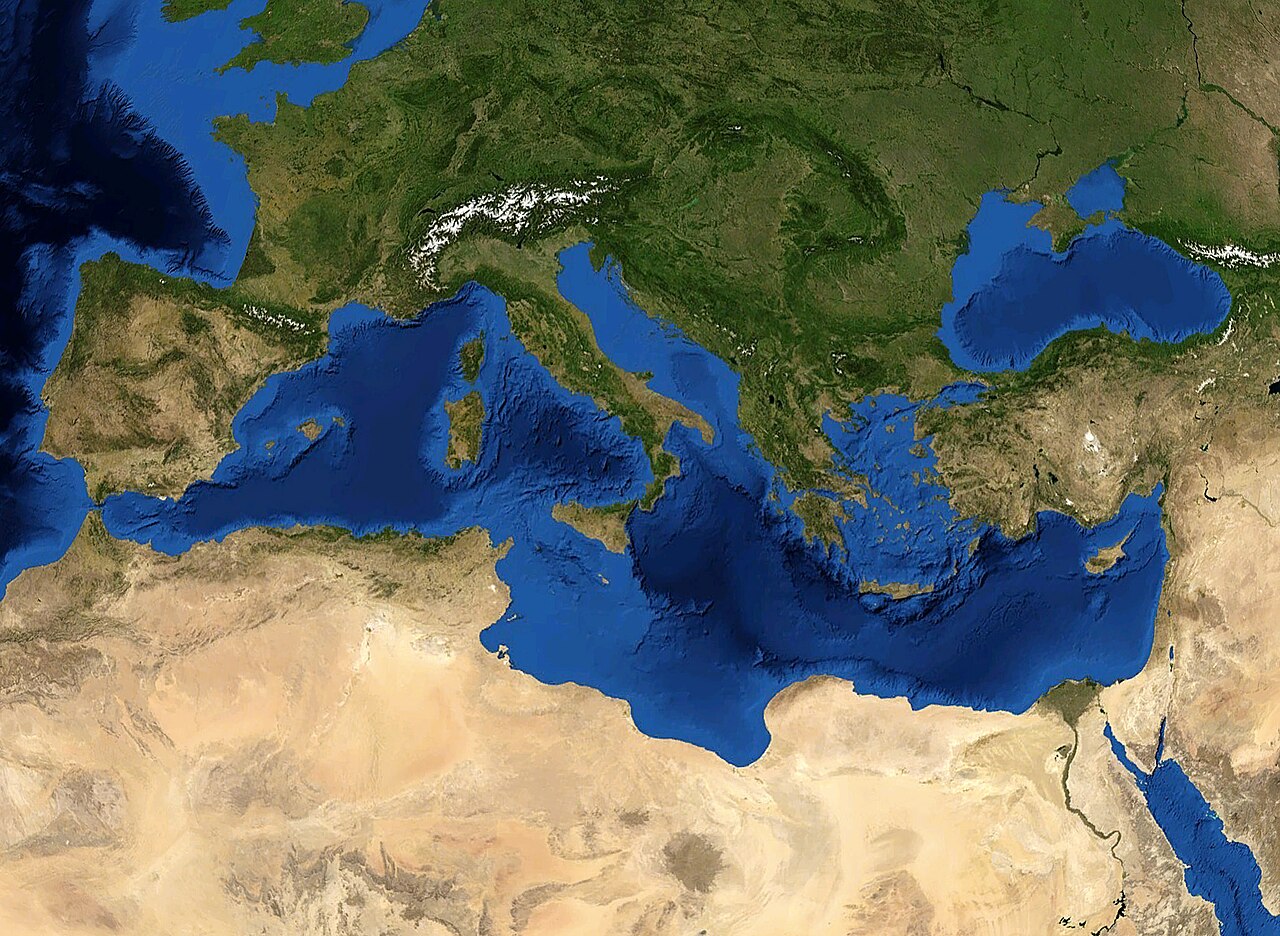
The Mediterranean Sea, situated between Europe, Asia, and Africa, is an intercontinental sea that has played a significant role in shaping the course of human history. With a rich cultural heritage and a unique geography, the Mediterranean has been a cradle of Western civilization, influencing the development of philosophy, art, and science. The Mediterranean basin is almost completely enclosed by land, with the Levant in West Asia to the east, Anatolia in West Asia and Southern Europe to the north, and North Africa to the south. The Mediterranean is connected to the Atlantic Ocean via the Strait of Gibraltar, which separates the Iberian Peninsula in Europe from Morocco in Africa by only 14 km.
🌍 Geography and Climate
The Mediterranean's geography and climate have had a profound impact on the region's history and culture. The sea's unique shape and location have made it an important hub for maritime trade and commerce, with the Bosporus strait connecting it to the Black Sea and the Suez Canal linking it to the Red Sea. The Mediterranean's climate is characterized by warm summers and mild winters, making it an ideal location for agriculture and tourism. The region is also home to a diverse range of flora and fauna, with many species found nowhere else in the world. The Mediterranean's geography has also played a significant role in shaping the region's politics and economy, with many countries relying heavily on the sea for their economic survival.
🏛️ Historical Significance
The Mediterranean has a rich and storied history, with many ancient civilizations having risen and fallen on its shores. The Ancient Greeks and Ancient Romans were two of the most influential civilizations to have emerged in the region, leaving behind a legacy of architecture, art, and literature. The Mediterranean has also been a crossroads of cultures, with many different religions and ethnic groups having interacted and influenced one another over the centuries. The region has been a major center of trade and commerce, with many important trade routes passing through it. The Mediterranean's historical significance is still evident today, with many of its ancient cities and landmarks remaining popular tourist destinations.
🌟 Cultural Heritage
The Mediterranean is home to a diverse range of cultures, each with its own unique traditions and customs. The region is known for its rich cuisine, with many delicious dishes and drinks having originated in the Mediterranean. The region is also home to many important festivals and celebrations, such as the Tomatina festival in Spain and the Carnival in Italy. The Mediterranean's cultural heritage is not limited to its food and festivals, however, with the region being home to many important museums, galleries, and theaters. The Mediterranean has also been a major center of education and research, with many important universities and institutes located in the region.
🌿 Environmental Concerns
Despite its many cultural and historical attractions, the Mediterranean is also facing a number of environmental challenges. The region is particularly vulnerable to climate change, with rising temperatures and sea levels posing a significant threat to its coastal ecosystems and biodiversity. The Mediterranean is also home to many important marine ecosystems, including coral reefs and seagrass beds, which are under threat from pollution and overfishing. The region's environmental concerns are not limited to its natural ecosystems, however, with many of its cities and towns struggling with issues such as air pollution and waste management.
🚣♀️ Maritime Trade and Economy
The Mediterranean has long been an important hub for maritime trade and commerce, with many important ports and shipping lanes located in the region. The Mediterranean is connected to the Atlantic Ocean via the Strait of Gibraltar, which makes it an important gateway for trade between Europe and the rest of the world. The region is also home to many important trade agreements, including the European Union's Single Market and the Mediterranean Diet. The Mediterranean's maritime trade has played a significant role in shaping the region's economy and politics, with many countries relying heavily on the sea for their economic survival.
🌈 Diversity and Multiculturalism
The Mediterranean is a region of great diversity and multiculturalism, with many different cultures and ethnic groups living and interacting together. The region is home to many important immigrant communities, with people from all over the world having come to the Mediterranean in search of work, education, and a better life. The Mediterranean's diversity is not limited to its human population, however, with the region being home to a wide range of flora and fauna. The region's multiculturalism has played a significant role in shaping its cuisine, music, and art, with many different influences and traditions coming together to create a unique and vibrant cultural landscape.
📚 Education and Research
The Mediterranean is home to many important universities and institutes, making it a major center of education and research. The region is particularly known for its science and technology programs, with many important breakthroughs and discoveries having been made in the Mediterranean. The region is also home to many important libraries and archives, with many rare and valuable books and manuscripts being housed in the Mediterranean. The Mediterranean's education and research institutions have played a significant role in shaping the region's economy and politics, with many important innovations and entrepreneurship initiatives having emerged in the region.
👥 Tourism and Travel
The Mediterranean is a popular tourist destination, with many people drawn to its beautiful beaches, rich history, and vibrant culture. The region is home to many important landmarks and monuments, including the Acropolis in Greece and the Colosseum in Italy. The Mediterranean is also known for its delicious cuisine, with many popular dishes and drinks having originated in the region. The Mediterranean's tourism industry has played a significant role in shaping the region's economy and politics, with many countries relying heavily on tourism for their economic survival.
🤝 International Cooperation
The Mediterranean is a region of great international cooperation, with many countries working together to address common challenges and promote shared interests. The region is home to many important international organizations, including the United Nations and the European Union. The Mediterranean is also a major center of diplomacy, with many important treaties and agreements having been signed in the region. The Mediterranean's international cooperation has played a significant role in shaping the region's politics and economy, with many countries relying on international cooperation to address common challenges and promote shared interests.
🚨 Challenges and Opportunities
The Mediterranean is a region of great challenges and opportunities, with many countries facing significant economic, environmental, and social challenges. The region is particularly vulnerable to climate change, with rising temperatures and sea levels posing a significant threat to its coastal ecosystems and biodiversity. The Mediterranean is also home to many important conflicts, including the Israeli-Palestinian conflict and the Libyan civil war. Despite these challenges, the Mediterranean is also a region of great opportunity, with many countries having made significant progress in recent years in terms of economic development and democratization.
Key Facts
- Year
- 2023
- Origin
- Southern Europe, North Africa, and Western Asia
- Category
- Geography and Culture
- Type
- Geographic Region
Frequently Asked Questions
What is the Mediterranean Sea?
The Mediterranean Sea is an intercontinental sea situated between Europe, Asia, and Africa. It is surrounded by the Mediterranean basin and almost completely enclosed by land. The Mediterranean is connected to the Atlantic Ocean via the Strait of Gibraltar and to the Black Sea via the Bosporus strait.
What is the cultural significance of the Mediterranean?
The Mediterranean has a rich and diverse cultural heritage, with many important civilizations having risen and fallen on its shores. The region is known for its delicious cuisine, vibrant festivals, and important historical landmarks. The Mediterranean has also been a major center of education and research, with many important universities and institutes located in the region.
What are the environmental challenges facing the Mediterranean?
The Mediterranean is facing a number of environmental challenges, including climate change, pollution, and overfishing. The region is particularly vulnerable to rising temperatures and sea levels, which pose a significant threat to its coastal ecosystems and biodiversity. The Mediterranean is also home to many important marine ecosystems, including coral reefs and seagrass beds, which are under threat from pollution and overfishing.
What is the economic significance of the Mediterranean?
The Mediterranean is an important hub for maritime trade and commerce, with many important ports and shipping lanes located in the region. The Mediterranean is connected to the Atlantic Ocean via the Strait of Gibraltar, which makes it an important gateway for trade between Europe and the rest of the world. The region is also home to many important trade agreements, including the European Union's Single Market and the Mediterranean Diet.
What are the opportunities and challenges facing the Mediterranean?
The Mediterranean is a region of great challenges and opportunities, with many countries facing significant economic, environmental, and social challenges. The region is particularly vulnerable to climate change, with rising temperatures and sea levels posing a significant threat to its coastal ecosystems and biodiversity. Despite these challenges, the Mediterranean is also a region of great opportunity, with many countries having made significant progress in recent years in terms of economic development and democratization.
How does the Mediterranean contribute to global culture?
The Mediterranean has made significant contributions to global culture, with many important civilizations having risen and fallen on its shores. The region is known for its delicious cuisine, vibrant festivals, and important historical landmarks. The Mediterranean has also been a major center of education and research, with many important universities and institutes located in the region. The region's cultural heritage is still evident today, with many of its ancient cities and landmarks remaining popular tourist destinations.
What is the role of international cooperation in the Mediterranean?
The Mediterranean is a region of great international cooperation, with many countries working together to address common challenges and promote shared interests. The region is home to many important international organizations, including the United Nations and the European Union. The Mediterranean is also a major center of diplomacy, with many important treaties and agreements having been signed in the region. The region's international cooperation has played a significant role in shaping its politics and economy, with many countries relying on international cooperation to address common challenges and promote shared interests.