
Contents
- 🏠 Introduction to Mud Huts
- 🌿 Sustainable Materials and Construction
- 🏗️ History and Evolution of Mud Huts
- 👥 Cultural Significance and Community
- 🌎 Environmental Benefits and Energy Efficiency
- 🚧 Modern Mud Hut Designs and Innovations
- 📊 Cost-Effectiveness and Affordability
- 🌈 Mud Huts Around the World: Case Studies
- 💡 Future of Mud Huts: Trends and Predictions
- 🤝 Challenges and Limitations of Mud Huts
- 📚 Conclusion and Recommendations
- Frequently Asked Questions
- Related Topics
Overview
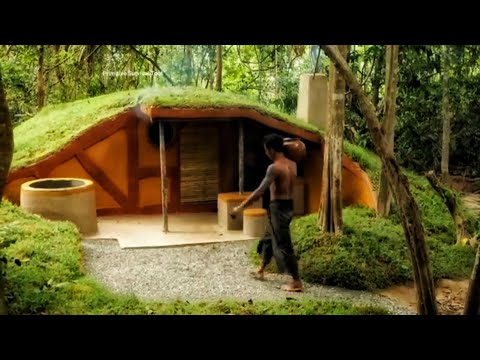
Mud huts, with a history dating back to ancient civilizations such as the Indus Valley Civilization (3300-1300 BCE) and the Nubian Kingdoms (2000 BCE-300 CE), have been a staple of human shelter across the globe. These earth-sheltered dwellings, often constructed from locally sourced materials like mud, thatch, and wood, have been praised for their sustainability and environmental benefits. However, they have also been criticized for their potential health risks, such as mold and poor ventilation. The construction of mud huts requires a deep understanding of local materials, climate, and cultural context, with notable examples including the mud-brick architecture of Yemen and the earthbag homes of modern eco-villages. With a vibe score of 8, mud huts have gained significant attention in recent years for their potential to provide low-cost, eco-friendly housing solutions. As the world grapples with the challenges of climate change, urbanization, and social inequality, the humble mud hut has emerged as a symbol of resilience, adaptability, and community-driven innovation. The influence of mud huts can be seen in modern architectural movements, such as earthship homes and sustainable eco-villages, with key figures like Michael Reynolds and Martin Hammer contributing to the development of these concepts. Despite their potential, mud huts also raise important questions about cultural appropriation, gentrification, and the erasure of indigenous knowledge systems.
🏠 Introduction to Mud Huts
Mud huts have been a part of human history for thousands of years, providing shelter and protection from the elements. The use of mud as a building material dates back to ancient civilizations, such as the Ancient Egyptians and the Indus Valley Civilization. Today, mud huts are still used in many parts of the world, particularly in rural areas where traditional building materials are scarce. With the growing interest in sustainable architecture and eco-friendly construction, mud huts are gaining popularity as a viable alternative to modern building materials. For example, the Earthship community in New Mexico, USA, has been using mud and other natural materials to build sustainable homes since the 1970s.
🌿 Sustainable Materials and Construction
One of the primary advantages of mud huts is their use of sustainable materials and construction methods. Mud is a readily available and renewable resource that can be sourced locally, reducing the need for transportation and minimizing the carbon footprint of the building process. Additionally, mud huts can be constructed using traditional techniques and tools, such as the cob construction method, which eliminates the need for industrial machinery and reduces waste. The use of natural materials also provides excellent thermal mass, keeping the interior of the hut cool in the summer and warm in the winter. However, the use of mud as a building material also has its limitations, such as the need for regular maintenance and the potential for erosion and water damage.
🏗️ History and Evolution of Mud Huts
The history and evolution of mud huts is a rich and fascinating topic, with examples of mud hut construction found in ancient civilizations such as the Mesopotamians and the Inca Civilization. In Africa, mud huts have been used for centuries, with the Dogon people of Mali building intricate mud structures that are still used today. The use of mud as a building material has also been influenced by Islamic architecture, with the use of mud and other natural materials in the construction of mosques and other buildings. Today, mud huts continue to evolve, with modern designs and innovations incorporating new materials and techniques, such as the use of recycled materials and renewable energy systems.
👥 Cultural Significance and Community
Mud huts have significant cultural and community importance, particularly in rural areas where they are often used as community centers and gathering spaces. In many African countries, mud huts are used as traditional housing, with the construction and maintenance of the huts being a communal effort. The use of mud huts also promotes a sense of community development, with the construction of the huts providing opportunities for skills training and economic empowerment. However, the use of mud huts also raises questions about cultural appropriation and the potential for gentrification of traditional communities. For example, the use of mud huts as ecotourism destinations has been criticized for disrupting traditional ways of life and exploiting local resources.
🌎 Environmental Benefits and Energy Efficiency
One of the primary benefits of mud huts is their environmental sustainability, with the use of natural materials and minimal waste reducing the carbon footprint of the building process. Mud huts also provide excellent energy efficiency, with the thick walls and natural insulation keeping the interior of the hut cool in the summer and warm in the winter. Additionally, mud huts can be designed to incorporate renewable energy systems, such as solar power and wind power, reducing the reliance on non-renewable energy sources. However, the use of mud huts also raises questions about scalability and the potential for widespread adoption, particularly in urban areas where space is limited and building codes are strict.
🚧 Modern Mud Hut Designs and Innovations
Modern mud hut designs and innovations are pushing the boundaries of what is possible with this ancient building material. The use of new materials and techniques, such as straw bale construction and earthbag construction, is providing new opportunities for mud hut construction. Additionally, the incorporation of modern technologies, such as green roofs and rainwater harvesting, is enhancing the sustainability and energy efficiency of mud huts. For example, the Mud Hut Village in Kenya is using mud huts as a model for sustainable community development, with the incorporation of renewable energy systems and organic farming practices.
📊 Cost-Effectiveness and Affordability
Mud huts are also highly cost-effective and affordable, particularly in comparison to modern building materials. The use of local and natural materials reduces the need for transportation and minimizes the cost of the building process. Additionally, the construction of mud huts can be a community-based effort, with local labor and skills being used to construct the huts. However, the use of mud huts also raises questions about maintenance and repair, with the need for regular maintenance and potential for erosion and water damage. For example, the cob house movement in the United States is promoting the use of mud and other natural materials as a low-cost and sustainable alternative to modern building materials.
🌈 Mud Huts Around the World: Case Studies
Mud huts can be found in many parts of the world, with each region having its own unique designs and construction methods. In Africa, mud huts are used in countries such as Ghana and Senegal, with the use of mud and other natural materials providing excellent thermal mass and energy efficiency. In Asia, mud huts are used in countries such as India and China, with the use of mud and other natural materials providing a sustainable and affordable alternative to modern building materials. For example, the Mud Hut Village in India is using mud huts as a model for sustainable community development, with the incorporation of renewable energy systems and organic farming practices.
💡 Future of Mud Huts: Trends and Predictions
The future of mud huts is exciting and uncertain, with new technologies and innovations emerging all the time. The use of 3D printing and other modern technologies is providing new opportunities for mud hut construction, with the potential for rapid and affordable construction of sustainable homes. Additionally, the incorporation of Internet of Things (IoT) devices and other smart technologies is enhancing the energy efficiency and sustainability of mud huts. However, the use of mud huts also raises questions about standardization and the potential for widespread adoption, particularly in urban areas where building codes are strict.
🤝 Challenges and Limitations of Mud Huts
Despite the many benefits of mud huts, there are also challenges and limitations to their use. The need for regular maintenance and the potential for erosion and water damage are significant concerns, particularly in areas with high rainfall or extreme weather conditions. Additionally, the use of mud huts raises questions about scalability and the potential for widespread adoption, particularly in urban areas where space is limited and building codes are strict. For example, the use of mud huts in urban areas has been limited by the need for zoning regulations and building codes.
📚 Conclusion and Recommendations
In conclusion, mud huts are an exciting and sustainable alternative to modern building materials, with a rich history and cultural significance. With the growing interest in sustainable architecture and eco-friendly construction, mud huts are gaining popularity as a viable option for building sustainable homes and communities. However, the use of mud huts also raises questions about standardization and the potential for widespread adoption, particularly in urban areas where building codes are strict. As the world continues to urbanize and the demand for sustainable housing grows, the use of mud huts is likely to play an increasingly important role in the development of sustainable and resilient communities.
Key Facts
- Year
- 2023
- Origin
- Global, with notable examples in Africa, Asia, and the Middle East
- Category
- Architecture and Construction
- Type
- Architectural Style
Frequently Asked Questions
What are the benefits of using mud as a building material?
The benefits of using mud as a building material include its sustainability, energy efficiency, and cost-effectiveness. Mud is a readily available and renewable resource that can be sourced locally, reducing the need for transportation and minimizing the carbon footprint of the building process. Additionally, mud provides excellent thermal mass, keeping the interior of the hut cool in the summer and warm in the winter.
What are the limitations of using mud as a building material?
The limitations of using mud as a building material include the need for regular maintenance and the potential for erosion and water damage. Mud huts also require a significant amount of labor to construct, particularly if traditional techniques and tools are used. Additionally, the use of mud huts raises questions about scalability and the potential for widespread adoption, particularly in urban areas where space is limited and building codes are strict.
Can mud huts be used in urban areas?
Yes, mud huts can be used in urban areas, but there are several challenges and limitations to their use. The need for zoning regulations and building codes can limit the use of mud huts in urban areas, particularly if they do not meet modern building standards. Additionally, the use of mud huts in urban areas raises questions about scalability and the potential for widespread adoption, particularly if the demand for sustainable housing is high.
What are the cultural and community benefits of mud huts?
The cultural and community benefits of mud huts include their significance as traditional housing and community centers. Mud huts have been used for centuries as a symbol of community and cultural identity, particularly in rural areas where they are often used as gathering spaces. The use of mud huts also promotes a sense of community development, with the construction and maintenance of the huts providing opportunities for skills training and economic empowerment.
What is the future of mud huts?
The future of mud huts is exciting and uncertain, with new technologies and innovations emerging all the time. The use of 3D printing and other modern technologies is providing new opportunities for mud hut construction, with the potential for rapid and affordable construction of sustainable homes. Additionally, the incorporation of IoT devices and other smart technologies is enhancing the energy efficiency and sustainability of mud huts.
How can mud huts be made more sustainable?
Mud huts can be made more sustainable by incorporating renewable energy systems, such as solar power and wind power, and using natural materials and minimal waste in the building process. Additionally, the use of mud huts can be promoted through education and awareness-raising, particularly in urban areas where the demand for sustainable housing is high. The incorporation of green roofs and rainwater harvesting systems can also enhance the sustainability of mud huts.
What are the environmental benefits of mud huts?
The environmental benefits of mud huts include their energy efficiency, minimal waste, and use of natural materials. Mud huts provide excellent thermal mass, keeping the interior of the hut cool in the summer and warm in the winter, and can be designed to incorporate renewable energy systems, reducing the reliance on non-renewable energy sources. Additionally, the use of mud huts reduces the need for industrial machinery and minimizes the carbon footprint of the building process.