
Contents
- 🌎 Introduction to NGOs
- 📊 NGO Funding and Governance
- 🌈 Types of NGOs
- 🤝 NGOs and Government Interaction
- 🌐 International NGOs
- 📣 NGOs as Lobby Groups
- 🚫 Controversies and Criticisms
- 🌟 Success Stories and Impact
- 📊 Measuring NGO Effectiveness
- 🔮 Future of NGOs
- 🌎 Global NGO Networks
- Frequently Asked Questions
- Related Topics
Overview
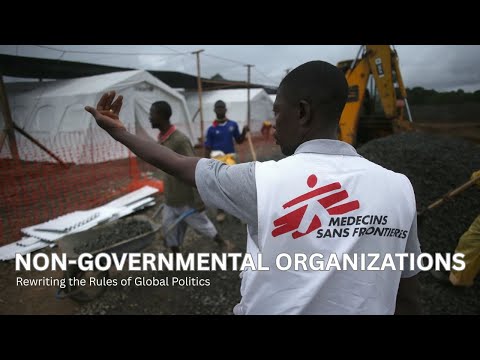
Non-governmental organizations (NGOs) have evolved from humble beginnings to become pivotal players in international relations, influencing policy on issues such as climate change, human rights, and economic development. With over 10 million NGOs worldwide, their collective impact is undeniable, yet their lack of formal authority and varied agendas often spark controversy. The rise of NGOs like Greenpeace (founded in 1971) and Médecins Sans Frontières (founded in 1971) has demonstrated their capacity to challenge state and corporate interests. However, criticisms regarding their accountability, funding transparency, and potential for politicization also abound. As the world grapples with complex, interconnected challenges, the role of NGOs will continue to grow, posing questions about their legitimacy, effectiveness, and the future of global governance. With a vibe score of 8, indicating significant cultural energy, NGOs are at the forefront of redefining how we address global problems, often pushing the boundaries of what is considered possible. The influence of NGOs can be seen in global events such as the 1992 Earth Summit in Rio, where NGOs played a crucial role in shaping the agenda on sustainable development.
🌎 Introduction to NGOs
The concept of non-governmental organizations (NGOs) has been around for centuries, with early examples including the Red Cross and the Salvation Army. Today, NGOs play a crucial role in shaping global policy, with many organizations focusing on humanitarian and social issues. According to the United Nations, there are over 10,000 NGOs worldwide, ranging from small community-based organizations to large international entities like the World Wildlife Fund. NGOs often work in conjunction with governments and intergovernmental organizations to address global challenges, but they also maintain a level of independence that allows them to criticize and hold these entities accountable.
📊 NGO Funding and Governance
NGOs can receive funding from a variety of sources, including governments, foundations, and private donors. In some cases, NGOs may receive a significant percentage of their funding from government sources, which can raise questions about their independence and autonomy. For example, the Bill and Melinda Gates Foundation is a major funder of global health initiatives, but it also has close ties to the pharmaceutical industry. NGOs must balance their need for funding with the need to maintain their independence and avoid conflicts of interest, as seen in the case of the World Economic Forum.
🌈 Types of NGOs
There are many different types of NGOs, ranging from small community-based organizations to large international entities. Some NGOs, like the Sierra Club, focus on environmental issues, while others, like the Doctors Without Borders, focus on humanitarian aid. NGOs can also be categorized based on their level of interaction with governments and other stakeholders, with some organizations taking a more collaborative approach and others adopting a more confrontational stance, as seen in the case of the Greenpeace organization.
🤝 NGOs and Government Interaction
NGOs often interact with governments and other stakeholders in complex and multifaceted ways. In some cases, NGOs may work closely with governments to develop and implement policies, as seen in the case of the United Nations Development Programme. In other cases, NGOs may criticize and challenge government policies, as seen in the case of the Amnesty International organization. NGOs may also interact with other stakeholders, including corporations and civil society organizations, to advance their goals and objectives.
🌐 International NGOs
International NGOs play a critical role in addressing global challenges, from climate change to human rights. These organizations often have a global reach and can mobilize significant resources and expertise to address complex problems. For example, the International Red Cross has a presence in over 190 countries and provides humanitarian aid to millions of people each year. International NGOs may also work closely with governments and other stakeholders to develop and implement global policies, as seen in the case of the World Health Organization.
📣 NGOs as Lobby Groups
Some NGOs, like the World Economic Forum, act as lobby groups for corporations and other stakeholders. These organizations often have close ties to the business community and may advocate for policies that benefit their members. However, this can raise questions about their independence and accountability, as seen in the case of the Chamber of Commerce. NGOs must balance their need to represent the interests of their members with the need to maintain their independence and avoid conflicts of interest.
🚫 Controversies and Criticisms
NGOs are not without controversy, and some organizations have faced criticism for their actions and policies. For example, the Catholic Church has faced criticism for its handling of sexual abuse allegations, while the Red Cross has faced criticism for its response to natural disasters. NGOs must be transparent and accountable in their actions and policies, and they must also be willing to adapt and change in response to criticism and feedback, as seen in the case of the Salvation Army.
🌟 Success Stories and Impact
Despite the challenges and controversies, NGOs have achieved many successes and have had a significant impact on global policy. For example, the anti-apartheid movement was led in part by NGOs, which helped to raise awareness and mobilize opposition to the apartheid regime in South Africa. NGOs have also played a critical role in addressing global health challenges, such as HIV/AIDS and malaria, as seen in the case of the Global Fund.
📊 Measuring NGO Effectiveness
Measuring the effectiveness of NGOs can be challenging, as it depends on a variety of factors, including their goals and objectives, their level of funding, and their level of interaction with governments and other stakeholders. Some NGOs, like the Bill and Melinda Gates Foundation, have developed sophisticated metrics and evaluation systems to measure their impact. However, other NGOs may lack the resources and capacity to conduct rigorous evaluations, as seen in the case of small community-based organizations.
🔮 Future of NGOs
The future of NGOs is uncertain, as they face a range of challenges and opportunities. On the one hand, NGOs are well-positioned to address many of the complex global challenges that we face, from climate change to human rights. On the other hand, NGOs must navigate a rapidly changing global landscape, including shifts in government policies and priorities, as seen in the case of the Trump administration. NGOs must be adaptable and resilient in order to thrive in this environment, and they must also be willing to innovate and experiment with new approaches and strategies.
🌎 Global NGO Networks
Global NGO networks play a critical role in addressing global challenges and promoting social change. These networks often bring together NGOs from around the world to share knowledge, resources, and expertise. For example, the Global Civil Society network includes thousands of NGOs from over 100 countries, and provides a platform for these organizations to collaborate and coordinate their efforts. Global NGO networks can also help to amplify the voices and perspectives of marginalized communities, and can provide a powerful counterweight to the influence of governments and corporations.
Key Facts
- Year
- 1945
- Origin
- Post-WWII International Order
- Category
- Global Affairs
- Type
- Organization
Frequently Asked Questions
What is an NGO?
A non-governmental organization (NGO) is an entity that is not part of the government. This can include non-profit and for-profit entities. NGOs often focus on humanitarian or social issues, but can also include clubs and associations offering services to members. For example, the Red Cross and the Salvation Army are both NGOs.
How are NGOs funded?
NGOs can receive funding from a variety of sources, including governments, foundations, and private donors. In some cases, NGOs may receive a significant percentage of their funding from government sources, which can raise questions about their independence and autonomy. For example, the Bill and Melinda Gates Foundation is a major funder of global health initiatives.
What is the role of NGOs in global policy?
NGOs play a critical role in shaping global policy, particularly in areas such as humanitarian aid, human rights, and environmental protection. They often work in conjunction with governments and intergovernmental organizations to address global challenges, but they also maintain a level of independence that allows them to criticize and hold these entities accountable. For example, the World Wildlife Fund has been a key player in international efforts to protect endangered species and preserve ecosystems.
How do NGOs interact with governments?
NGOs often interact with governments in complex and multifaceted ways. In some cases, NGOs may work closely with governments to develop and implement policies, as seen in the case of the United Nations Development Programme. In other cases, NGOs may criticize and challenge government policies, as seen in the case of the Amnesty International organization. NGOs may also interact with other stakeholders, including corporations and civil society organizations, to advance their goals and objectives.
What are some examples of successful NGOs?
There are many examples of successful NGOs, including the Red Cross, the Salvation Army, and the World Wildlife Fund. These organizations have achieved significant impact in their respective areas of focus, and have helped to address some of the world's most pressing challenges. For example, the Global Fund has played a critical role in the fight against HIV/AIDS, malaria, and tuberculosis.
How can I get involved with NGOs?
There are many ways to get involved with NGOs, including volunteering, donating, and spreading the word about their work. Many NGOs also offer internship and job opportunities for those who are interested in pursuing a career in the non-profit sector. For example, the United Nations offers a range of volunteer and internship opportunities for young people. You can also search for NGOs that align with your interests and values, and reach out to them directly to learn more about their work and how you can get involved.
What are some challenges faced by NGOs?
NGOs face a range of challenges, including funding constraints, limited capacity, and complex regulatory environments. They must also navigate a rapidly changing global landscape, including shifts in government policies and priorities. Additionally, NGOs may face criticism and backlash from governments, corporations, and other stakeholders who disagree with their goals and objectives. For example, the Greenpeace organization has faced criticism and legal challenges from corporations and governments who oppose their environmental activism.