
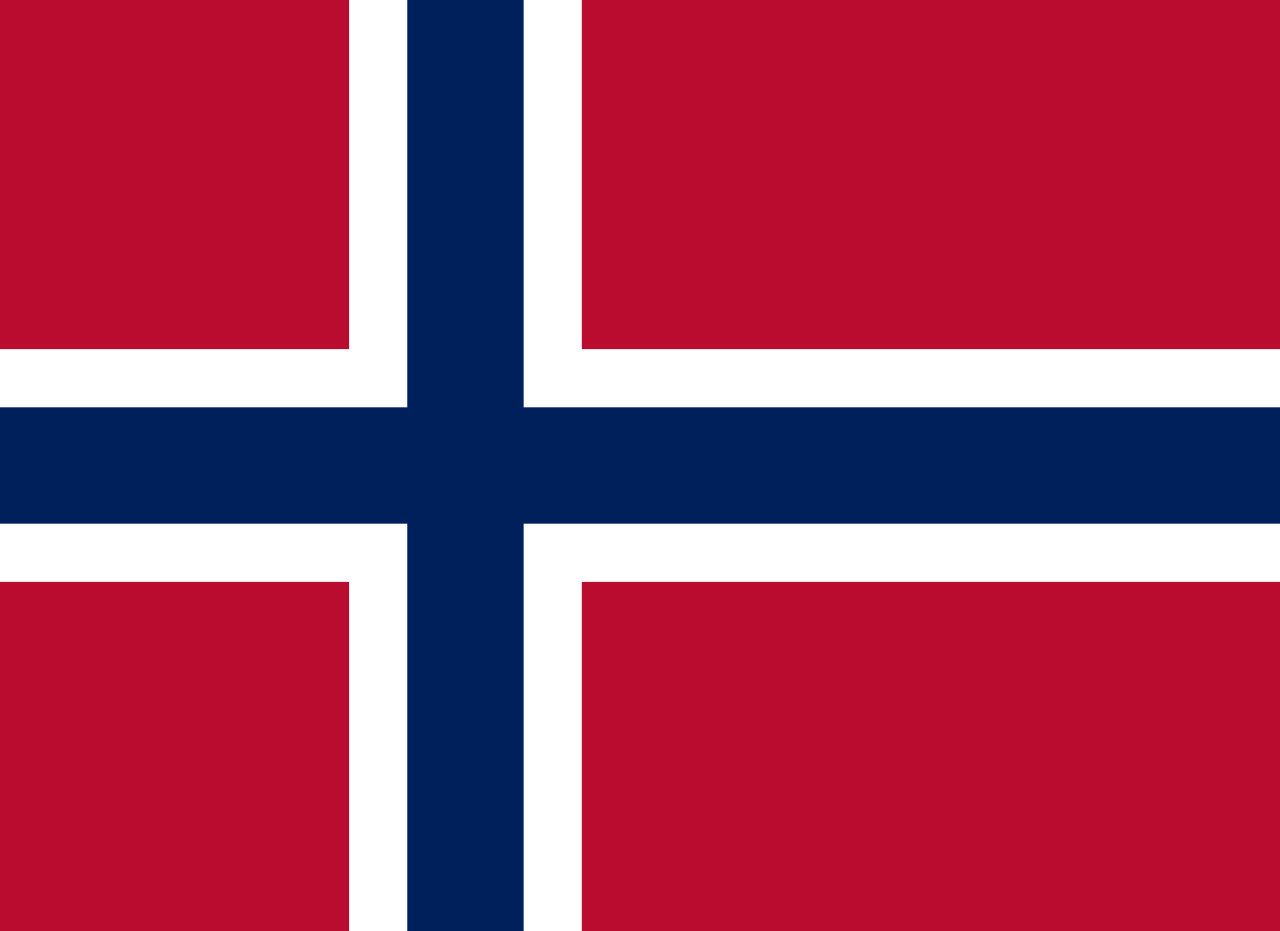
Contents
- 🏔️ Introduction to Norway
- 🌍 Geography and Climate
- 🏙️ Cities and Urbanization
- 📊 Economy and Industry
- 🌟 Culture and Heritage
- 🏞️ Tourism and Outdoor Activities
- 📚 Education and Innovation
- 👥 Demographics and Population
- 💡 Energy and Environmental Policy
- 🚣♀️ Transportation and Infrastructure
- 🤝 International Relations and Diplomacy
- Frequently Asked Questions
- Related Topics
Overview
Norway, with its Vibe score of 82, is a country of striking contrasts, where a strong socialist tradition coexists with a thriving capitalist economy, and where the stunning natural beauty of the fjords meets the cutting-edge innovation of its cities. The country's history is marked by the Viking era, the Hanseatic League, and its complex relationship with the European Union. Today, Norway is a major player in the global energy market, with its state-owned oil company, Equinor, being a key driver of the economy. However, the country is also at the forefront of the transition to renewable energy, with a goal of becoming carbon neutral by 2030. The Norwegian culture is characterized by a strong sense of community and social cohesion, with a high level of civic engagement and a vibrant cultural scene. As the country looks to the future, it must navigate the challenges of climate change, economic inequality, and its position within the global community, all while maintaining its unique cultural identity and high standard of living.
🏔️ Introduction to Norway
Norway, officially the Kingdom of Norway, is a Nordic country located in Northern Europe, comprising the western and northernmost parts of the Scandinavian Peninsula. The country has a population of approximately 5.6 million, and a total area of 385,207 square kilometres (148,729 sq mi). Its capital and largest city is Oslo, which is known for its vibrant cultural scene and historic landmarks like the Akershus Fortress and the Viking Ship Museum. Norway shares a long eastern border with Sweden, and is bordered by Finland and Russia to the northeast. The country's unique geography and strategic location have made it an important player in European politics and economy, with a strong focus on sustainable development and environmental protection.
🌍 Geography and Climate
Norway's geography is characterized by its extensive coastline, which faces the Skagerrak strait, the North Sea, the Norwegian Sea, and the Barents Sea. The country's terrain is mostly mountainous, with a mix of forests, lakes, and fjords. The climate varies from temperate in the south to subarctic in the north, with cold winters and mild summers. Norway's unique geography has also made it a popular destination for outdoor activities like hiking, skiing, and fishing, with many tourists visiting the country to experience its stunning natural beauty and Norwegian Fjords. The country's geography has also played a significant role in shaping its culture and economy, with a strong focus on fishing industry and hydroelectric power.
🏙️ Cities and Urbanization
Norway's cities are known for their high standard of living, with a strong focus on education, healthcare, and social welfare. The capital city Oslo is a hub for culture, entertainment, and business, with many museums, galleries, and theaters. Other major cities in Norway include Bergen, Trondheim, and Stavanger, which are known for their historic landmarks, cultural events, and outdoor activities. Norway's cities are also home to many universities and research institutions, with a strong focus on innovation and technological advancements. The country's urbanization has also led to the development of many startup companies, with a strong focus on sustainable technology and renewable energy.
📊 Economy and Industry
Norway's economy is driven by its natural resources, including oil, gas, and fish. The country is one of the world's largest oil and gas exporters, with a strong focus on sustainable energy and environmental protection. Norway's economy is also driven by its manufacturing sector, with a strong focus on shipbuilding and aerospace industry. The country's economy has also been influenced by its membership in the European Economic Area (EEA), which has provided access to the European market and facilitated trade with other European countries. Norway's economy has also been shaped by its unique cultural and historical context, with a strong focus on social welfare and economic equality.
🌟 Culture and Heritage
Norway's culture is known for its rich heritage and traditions, with a strong focus on folk music, traditional dance, and cuisine. The country has a vibrant cultural scene, with many museums, galleries, and festivals throughout the year. Norway's culture has also been influenced by its history, with a strong focus on Viking history and medieval art. The country's culture has also been shaped by its unique geography and climate, with a strong focus on outdoor activities and nature conservation. Norway's culture has also been influenced by its indigenous people, the Sami people, who have a rich cultural heritage and traditions. The country's cultural diversity has also been shaped by its immigration policies, with a strong focus on multiculturalism and social inclusion.
🏞️ Tourism and Outdoor Activities
Norway is a popular destination for tourists, with its stunning natural beauty, rich cultural heritage, and vibrant cities. The country offers a wide range of outdoor activities, including hiking, skiing, and fishing, as well as cultural events and festivals throughout the year. Norway's tourism industry has also been influenced by its unique geography and climate, with a strong focus on eco-tourism and sustainable tourism. The country's tourism industry has also been shaped by its cultural and historical context, with a strong focus on cultural heritage and historic landmarks. Norway's tourism industry has also been influenced by its membership in the European Economic Area (EEA), which has provided access to the European market and facilitated trade with other European countries.
📚 Education and Innovation
Norway's education system is known for its high standard, with a strong focus on science education, technology education, and mathematics education. The country has a vibrant research community, with many universities and research institutions. Norway's education system has also been influenced by its cultural and historical context, with a strong focus on social science and humanities. The country's education system has also been shaped by its unique geography and climate, with a strong focus on environmental education and sustainability education. Norway's education system has also been influenced by its membership in the European Economic Area (EEA), which has provided access to the European market and facilitated trade with other European countries.
👥 Demographics and Population
Norway's demographics are characterized by a relatively small population, with a total of approximately 5.6 million people. The country has a high standard of living, with a strong focus on social welfare and economic equality. Norway's population is also characterized by a high level of education, with a strong focus on higher education and vocational training. The country's population has also been influenced by its immigration policies, with a strong focus on multiculturalism and social inclusion. Norway's demographics have also been shaped by its unique geography and climate, with a strong focus on rural development and regional policy.
💡 Energy and Environmental Policy
Norway's energy policy is focused on sustainable energy and renewable energy, with a strong emphasis on hydroelectric power and wind power. The country has also been investing in electric vehicles and green technology. Norway's energy policy has also been influenced by its membership in the European Economic Area (EEA), which has provided access to the European market and facilitated trade with other European countries. The country's energy policy has also been shaped by its unique geography and climate, with a strong focus on energy efficiency and climate change mitigation.
🚣♀️ Transportation and Infrastructure
Norway's transportation system is known for its high standard, with a strong focus on public transportation and sustainable transportation. The country has a well-developed road network, as well as a comprehensive public transportation system, including buses, trains, and ferries. Norway's transportation system has also been influenced by its unique geography and climate, with a strong focus on winter road maintenance and maritime transportation. The country's transportation system has also been shaped by its membership in the European Economic Area (EEA), which has provided access to the European market and facilitated trade with other European countries.
🤝 International Relations and Diplomacy
Norway's international relations are characterized by its membership in the European Economic Area (EEA) and its participation in the United Nations and other international organizations. The country has a strong focus on diplomacy and international cooperation, with a strong emphasis on human rights and sustainable development. Norway's international relations have also been influenced by its unique geography and climate, with a strong focus on arctic policy and climate change diplomacy. The country's international relations have also been shaped by its cultural and historical context, with a strong focus on cultural diplomacy and public diplomacy.
Key Facts
- Year
- 2022
- Origin
- Scandinavian Peninsula, Northern Europe
- Category
- Geography, Culture, Economy
- Type
- Country
Frequently Asked Questions
What is the capital of Norway?
The capital of Norway is Oslo, which is known for its vibrant cultural scene and historic landmarks like the Akershus Fortress and the Viking Ship Museum.
What is the population of Norway?
The population of Norway is approximately 5.6 million people, with a high standard of living and a strong focus on social welfare and economic equality.
What is the main industry in Norway?
The main industry in Norway is the oil and gas industry, with a strong focus on sustainable energy and environmental protection.
What is the unique geography of Norway?
Norway's geography is characterized by its extensive coastline, which faces the Skagerrak strait, the North Sea, the Norwegian Sea, and the Barents Sea. The country's terrain is mostly mountainous, with a mix of forests, lakes, and fjords.
What is the culture of Norway like?
Norway's culture is known for its rich heritage and traditions, with a strong focus on folk music, traditional dance, and cuisine. The country has a vibrant cultural scene, with many museums, galleries, and festivals throughout the year.
What is the education system like in Norway?
Norway's education system is known for its high standard, with a strong focus on science education, technology education, and mathematics education. The country has a vibrant research community, with many universities and research institutions.
What is the energy policy of Norway?
Norway's energy policy is focused on sustainable energy and renewable energy, with a strong emphasis on hydroelectric power and wind power. The country has also been investing in electric vehicles and green technology.