
Contents
- 🌐 Introduction to Online Forums
- 📚 History of Online Forums
- 📊 Evolution of Forum Software
- 👥 The Rise of Social Media and Forums
- 💻 The Impact of Technology on Forums
- 📈 The Future of Online Forums
- 🤝 Community Building and Forums
- 🚫 Challenges and Controversies in Online Forums
- 📊 Forum Analytics and Metrics
- 📚 Case Studies of Successful Forums
- 🤔 The Psychology of Online Forum Engagement
- Frequently Asked Questions
- Related Topics
Overview
Online forums have been a cornerstone of the internet since the early days of Bulletin Board Systems (BBS) in the 1980s. As the web evolved, so did the forums, with the likes of Prodigy and AOL dominating the 1990s. The 2000s saw the rise of dedicated forum software like vBulletin and phpBB, with sites like Reddit and 4chan becoming cultural phenomena. However, with the advent of social media, many traditional forums have struggled to stay relevant, leading to a decline in user engagement and a shift towards more specialized platforms. Despite this, online forums continue to play a vital role in facilitating discussion and community-building, with many modern platforms incorporating forum-like features. As we look to the future, it's clear that online forums will continue to adapt and evolve, incorporating new technologies like AI and VR to create more immersive and interactive experiences.
🌐 Introduction to Online Forums
The concept of online forums has been around for decades, with the first forums emerging in the early days of the internet. These early forums were often simple Bulletin Board Systems (BBS) that allowed users to connect via a dial-up modem and engage in discussions. As the internet evolved, so did the technology behind online forums, with the introduction of web-based forums and the development of specialized forum software. Today, online forums are an integral part of the internet landscape, with millions of users worldwide participating in discussions on various topics, from gaming communities to health and wellness forums.
📚 History of Online Forums
The history of online forums dates back to the 1970s, when the first computer networks were established. These early networks allowed users to communicate with each other via email and FTP. The first online forums emerged in the 1980s, with the launch of Prodigy, a consumer-oriented online service that offered a range of features, including online forums. The 1990s saw the rise of Internet Service Providers (ISPs), which provided users with access to the internet and online forums. Today, online forums are an essential part of the internet, with millions of users participating in discussions on various topics, including technology forums and entertainment forums.
📊 Evolution of Forum Software
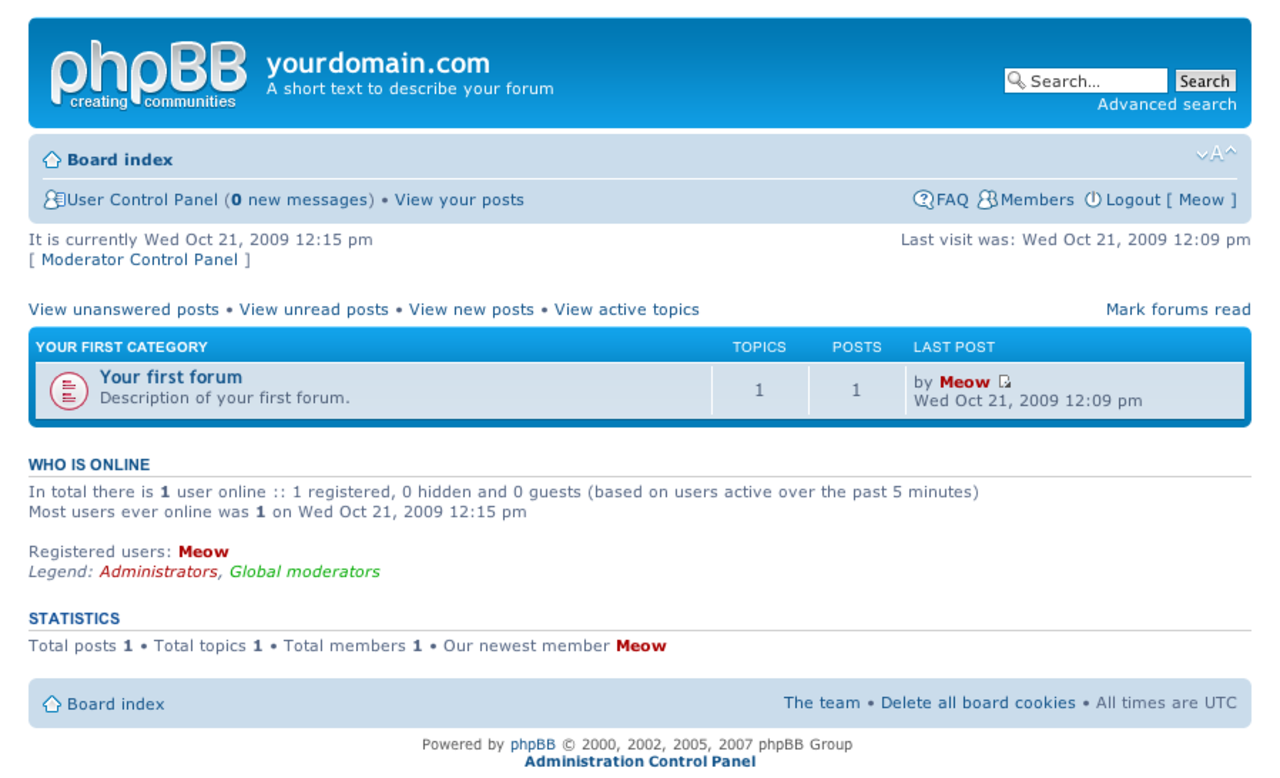
The evolution of forum software has played a significant role in the development of online forums. Early forum software was often simple and limited in its features, but as the technology improved, so did the functionality of online forums. The introduction of phpBB and vBulletin in the late 1990s and early 2000s revolutionized the online forum landscape, providing users with a range of features, including user profiles, private messaging, and forum moderation. Today, there are numerous forum software options available, including Discord and Slack, which offer a range of features and functionalities. The development of mobile apps has also had a significant impact on online forums, allowing users to access and participate in discussions on-the-go.
💻 The Impact of Technology on Forums
Technology has had a profound impact on online forums, with advances in cloud computing and artificial intelligence enabling the development of more sophisticated and feature-rich forum software. The introduction of machine learning algorithms has also improved the functionality of online forums, allowing for more effective spam detection and forum moderation. The development of virtual reality and augmented reality technologies is also expected to have a significant impact on online forums, enabling users to engage in more immersive and interactive discussions.
📈 The Future of Online Forums
The future of online forums is likely to be shaped by advances in technology and changes in user behavior. As the internet continues to evolve, online forums will need to adapt to meet the changing needs of users. The development of more sophisticated and feature-rich forum software will be critical to the success of online forums, as will the incorporation of new technologies, such as blockchain and Internet of Things (IoT). The rise of gaming communities and esports is also expected to have a significant impact on online forums, with users increasingly seeking out online communities that offer a range of features and functionalities.
🤝 Community Building and Forums
Community building is a critical aspect of online forums, with users seeking out online communities that offer a sense of belonging and connection. Online forums provide a range of features and functionalities that enable community building, including user profiles, private messaging, and forum moderation. The development of community management tools has also improved the functionality of online forums, allowing administrators to more effectively manage and moderate online communities. The incorporation of gamification elements, such as rewards and leaderboards, has also been shown to improve user engagement and community building.
🚫 Challenges and Controversies in Online Forums
Despite their many benefits, online forums are not without their challenges and controversies. Cyberbullying and online harassment are significant concerns, with many users experiencing abuse and harassment online. The spread of misinformation and disinformation is also a major concern, with online forums often being used to disseminate false or misleading information. The development of more effective moderation tools and content moderation strategies will be critical to addressing these challenges and ensuring the continued success of online forums.
📊 Forum Analytics and Metrics
Forum analytics and metrics are critical to understanding the effectiveness of online forums and identifying areas for improvement. Forum software often provides a range of analytics and metrics, including user engagement and content creation metrics. The development of more sophisticated analytics tools, such as machine learning algorithms, has also improved the functionality of online forums, allowing administrators to more effectively track and analyze user behavior. The incorporation of SEO optimization techniques has also been shown to improve the visibility and reach of online forums.
📚 Case Studies of Successful Forums
There are many examples of successful online forums, including Reddit and Quora. These forums have been successful in building large and engaged communities, with users participating in discussions on a wide range of topics. The development of niche forums has also been shown to be effective, with users seeking out online communities that cater to their specific interests and needs. The incorporation of monetization strategies, such as advertising and sponsorship, has also been critical to the success of online forums.
🤔 The Psychology of Online Forum Engagement
The psychology of online forum engagement is a complex and multifaceted topic, with users motivated by a range of factors, including social connection and information seeking. The development of user experience design principles has improved the functionality of online forums, allowing users to more easily navigate and engage with online communities. The incorporation of gamification elements, such as rewards and leaderboards, has also been shown to improve user engagement and motivation.
Key Facts
- Year
- 1980
- Origin
- United States
- Category
- Technology
- Type
- Digital Platform
Frequently Asked Questions
What is an online forum?
An online forum is a discussion platform where users can engage in conversations and share information on various topics. Online forums differ from chat rooms in that messages are often longer than one line of text and are at least temporarily archived. The name comes from the forums of Ancient Rome, where citizens would gather to discuss and debate various topics.
What are the benefits of online forums?
Online forums offer a range of benefits, including the ability to connect with others who share similar interests, access to information and resources, and the opportunity to engage in discussions and debates. Online forums also provide a sense of community and belonging, which can be particularly important for users who may be isolated or marginalized.
What are the challenges of online forums?
Online forums face a range of challenges, including the spread of misinformation and disinformation, cyberbullying and online harassment, and the need for effective moderation tools and content moderation strategies. Online forums must also balance the need for free speech and open discussion with the need to protect users from harm and abuse.
How do online forums differ from social media?
Online forums differ from social media in that they are often more focused on discussion and debate, rather than simply sharing information or connecting with others. Online forums also tend to be more niche, with users seeking out online communities that cater to their specific interests and needs. While social media platforms often incorporate forum-like features, online forums offer a level of depth and engagement that social media platforms often lack.
What is the future of online forums?
The future of online forums is likely to be shaped by advances in technology and changes in user behavior. As the internet continues to evolve, online forums will need to adapt to meet the changing needs of users. The development of more sophisticated and feature-rich forum software will be critical to the success of online forums, as will the incorporation of new technologies, such as blockchain and Internet of Things (IoT).
How can online forums be used for community building?
Online forums can be used for community building by providing a range of features and functionalities that enable users to connect and engage with each other. The development of community management tools has improved the functionality of online forums, allowing administrators to more effectively manage and moderate online communities. The incorporation of gamification elements, such as rewards and leaderboards, has also been shown to improve user engagement and community building.
What are the key features of online forums?
The key features of online forums include user profiles, private messaging, and forum moderation. Online forums also often incorporate features such as search functions, categories, and tags, which enable users to more easily navigate and engage with online communities.