
Contents
- 🏞️ Introduction to Park Güell
- 🏛️ Architectural Significance
- 🌳 The Park's Design and Layout
- 🏃♀️ Tourism and Visitor Experience
- 🎨 Cultural Impact and Symbolism
- 📸 Photography and Social Media
- 🚫 Controversies and Criticisms
- 👥 Influence and Legacy
- 💡 Restoration and Preservation Efforts
- 📊 Economic Impact and Management
- 👀 Future Developments and Plans
- 🤝 Conclusion and Final Thoughts
- Frequently Asked Questions
- Related Topics
Overview
Park Güell, located in the heart of Barcelona, is one of the most iconic landmarks in the world, attracting millions of visitors each year. Designed by the renowned architect Antoni Gaudí, the park is a testament to his unique and innovative style, which blends Catalan Modernism with Art Nouveau elements. The park's construction began in 1900 and was completed in 1914, with the intention of creating a garden city for the wealthy. Today, Park Güell is a UNESCO World Heritage Site and a must-visit destination for anyone interested in architecture, art, and culture. As a cultural icon, Park Güell has been featured in numerous films, including Vicky Cristina Barcelona, and has inspired countless artists, including Salvador Dalí.
🏛️ Architectural Significance
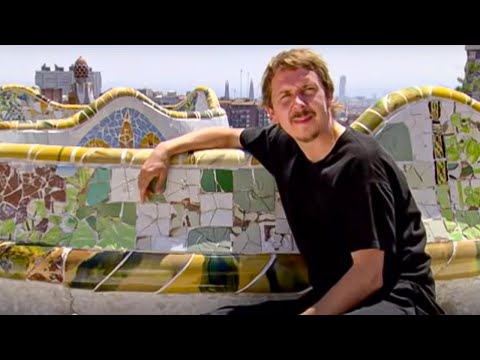
The architectural significance of Park Güell lies in its innovative and experimental design, which showcases Gaudí's unique approach to architecture. The park features a range of distinctive elements, including the famous bench, which is covered in trencadís (a type of mosaic made from broken tiles). The park's design is characterized by its use of hyperboloid structures, parabolic arches, and catenary curves, which create a sense of fluidity and movement. As a pioneering work of modernism, Park Güell has influenced generations of architects, including Le Corbusier and Frank Lloyd Wright. The park's design has also been studied by landscape architects and urban planners around the world, who seek to create more sustainable and livable cities.
🌳 The Park's Design and Layout
The park's design and layout are carefully planned to create a sense of harmony and balance between nature and architecture. The park features a range of different areas, including the Hypostyle Room, the Portico of the Lauger, and the Greek Theatre. The park is also home to a wide range of plant species, including palm trees, cypress trees, and olive trees. Visitors can explore the park's many winding paths and take in the stunning views of the city from the park's highest points. As a public park, Park Güell is a popular destination for both locals and tourists, who come to enjoy the park's beauty and tranquility. The park has also been the subject of numerous photography exhibitions and competitions, which showcase its unique and breathtaking scenery.
🏃♀️ Tourism and Visitor Experience
As one of Barcelona's most popular tourist attractions, Park Güell attracts millions of visitors each year. The park offers a range of activities and amenities, including guided tours, audio guides, and souvenir shops. Visitors can also enjoy the park's many food and drink options, including cafes, restaurants, and snack bars. However, the park's popularity has also created some challenges, including over-tourism and crowding. To address these issues, the park's management has implemented a range of measures, including ticketing systems and crowd control measures. As a sustainable tourism destination, Park Güell is committed to reducing its environmental impact and promoting responsible tourism practices.
🎨 Cultural Impact and Symbolism
Park Güell has had a significant cultural impact and has become a symbol of Barcelona and Catalan culture. The park has been featured in numerous films, literature, and music works, and has inspired countless artists and creatives. The park's unique architecture and design have also made it a popular destination for fashion photography and advertising. As a cultural icon, Park Güell has been the subject of numerous art exhibitions and cultural events, which celebrate its beauty and significance. The park has also been recognized as a national landmark and a cultural heritage site, which reflects its importance to Spanish and Catalan culture.
🚫 Controversies and Criticisms
Despite its popularity and cultural significance, Park Güell has not been without controversy. The park has faced criticism for its over-tourism and crowding, which have put a strain on the park's infrastructure and environment. The park has also been the subject of debates about its management and conservation, with some arguing that the park is not being properly protected and preserved. Additionally, the park's ticket prices have been criticized for being too high, which has made it difficult for some visitors to access the park. As a public park, Park Güell is committed to being accessible and inclusive, and its management is working to address these issues and create a more sustainable and equitable visitor experience.
👥 Influence and Legacy
Park Güell has had a significant influence on architecture and design, and its unique style has inspired countless architects, designers, and artists. The park's innovative use of materials, such as trencadís, and its experimental approach to design have made it a landmark of modernism and Catalan Modernism. The park has also influenced the development of landscape architecture and urban planning, and has been studied by architects and designers around the world. As a cultural icon, Park Güell continues to inspire and influence new generations of creatives, and its legacy can be seen in many modern buildings and designs. The park's influence can also be seen in the work of other famous architects, such as Frank Gehry and Zaha Hadid.
💡 Restoration and Preservation Efforts
Park Güell has undergone several restoration and preservation efforts over the years, which have helped to protect and conserve the park's unique architecture and design. The park's management has worked to restore the park's original features, including its mosaics and fountains, and has implemented measures to reduce the park's environmental impact. The park has also been the subject of numerous conservation projects, which have helped to protect the park's natural habitats and ecosystems. As a sustainable tourism destination, Park Güell is committed to reducing its environmental impact and promoting responsible tourism practices. The park's management has also launched a range of education and outreach programs, which aim to raise awareness about the park's importance and promote its conservation.
📊 Economic Impact and Management
Park Güell has a significant economic impact on the city of Barcelona, and is one of the city's most important tourist attractions. The park attracts millions of visitors each year, and generates significant revenue for the local economy. The park's management has implemented a range of measures to manage the park's tourism, including ticketing systems and crowd control measures. The park has also been the subject of numerous economic studies, which have helped to understand the park's economic impact and identify areas for improvement. As a public park, Park Güell is committed to being accessible and inclusive, and its management is working to create a more sustainable and equitable visitor experience. The park's economic impact can also be seen in the local hospitality industry, which has grown significantly in recent years to accommodate the park's visitors.
👀 Future Developments and Plans
As Park Güell looks to the future, there are several developments and plans in the works, which aim to improve the park's visitor experience and reduce its environmental impact. The park's management is working to implement new sustainable tourism practices, including renewable energy systems and waste reduction programs. The park is also planning to expand its education and outreach programs, which aim to raise awareness about the park's importance and promote its conservation. Additionally, the park is working to improve its accessibility and inclusivity, with new measures to make the park more accessible to visitors with disabilities. As a cultural icon, Park Güell continues to evolve and adapt to the needs of its visitors, while remaining true to its unique history and cultural significance.
🤝 Conclusion and Final Thoughts
In conclusion, Park Güell is a unique and fascinating landmark that offers something for everyone. From its stunning architecture and design to its rich cultural heritage and natural beauty, the park is a must-visit destination for anyone interested in architecture, art, and culture. As a sustainable tourism destination, Park Güell is committed to reducing its environmental impact and promoting responsible tourism practices. Whether you are a photography enthusiast, a history buff, or simply looking for a unique and unforgettable experience, Park Güell is a destination that is sure to inspire and delight. As a public park, Park Güell is a place where people can come together to enjoy the beauty of nature and the richness of culture.
Key Facts
- Year
- 1914
- Origin
- Barcelona, Spain
- Category
- Architecture, Tourism, Culture
- Type
- Tourist Attraction
Frequently Asked Questions
What is the history of Park Güell?
Park Güell was designed by Antoni Gaudí and constructed between 1900 and 1914. The park was originally intended as a garden city for the wealthy, but it was never completed. Today, the park is a UNESCO World Heritage Site and one of Barcelona's most popular tourist attractions. The park's history is closely tied to the development of Catalan Modernism, a cultural and artistic movement that emerged in Catalonia in the late 19th and early 20th centuries. As a cultural icon, Park Güell continues to inspire and influence new generations of artists, architects, and designers.
What are the park's opening hours and ticket prices?
The park's opening hours vary depending on the time of year, but it is generally open from 8am to 9pm. Ticket prices also vary, but a standard ticket costs around 10 euros. Visitors can purchase tickets online or at the park's entrance. The park's management has implemented a range of measures to manage the park's tourism, including ticketing systems and crowd control measures. As a sustainable tourism destination, Park Güell is committed to reducing its environmental impact and promoting responsible tourism practices.
What are the park's most popular attractions?
The park's most popular attractions include the bench, the Hypostyle Room, and the Greek Theatre. Visitors can also explore the park's many winding paths and take in the stunning views of the city from the park's highest points. The park is also home to a wide range of plant species, including palm trees, cypress trees, and olive trees. As a public park, Park Güell is a popular destination for both locals and tourists, who come to enjoy the park's beauty and tranquility.
Is the park accessible for visitors with disabilities?
Yes, the park is accessible for visitors with disabilities. The park has implemented a range of measures to improve its accessibility, including wheelchair ramps and accessible restrooms. Visitors with disabilities can also request special assistance or accommodations by contacting the park's management in advance. As a sustainable tourism destination, Park Güell is committed to reducing its environmental impact and promoting responsible tourism practices.
Can I take photos in the park?
Yes, photography is allowed in the park, but visitors are asked to respect the park's rules and regulations. The park has implemented a range of measures to protect its intellectual property and prevent commercial photography without permission. Visitors can take photos for personal use, but must obtain permission from the park's management for any commercial or professional photography. As a social media sensation, Park Güell has been featured in countless Instagram posts and Facebook updates, which have helped to promote the park and attract new visitors.
Can I bring food and drink into the park?
Yes, visitors can bring food and drink into the park, but are asked to respect the park's rules and regulations. The park has implemented a range of measures to reduce waste and promote sustainability, including recycling programs and composting initiatives. Visitors can bring their own food and drink, or purchase from the park's cafes and restaurants. As a sustainable tourism destination, Park Güell is committed to reducing its environmental impact and promoting responsible tourism practices.
Is the park open all year round?
Yes, the park is open all year round, but the opening hours may vary depending on the time of year. Visitors can check the park's website or contact the park's management for more information. The park's management has implemented a range of measures to manage the park's tourism, including ticketing systems and crowd control measures. As a public park, Park Güell is a popular destination for both locals and tourists, who come to enjoy the park's beauty and tranquility.