
Contents
- 📊 Introduction to PCI DSS
- 🔒 History of PCI DSS
- 📝 Requirements and Compliance
- 🚫 Security Risks and Threats
- 🛡️ Implementing PCI DSS
- 📊 Benefits of PCI DSS Compliance
- 🤝 Roles and Responsibilities
- 📈 Future of PCI DSS
- 📊 Case Studies and Examples
- 📝 Best Practices for Compliance
- 🚨 Common Mistakes and Challenges
- 📊 Conclusion and Recommendations
- Frequently Asked Questions
- Related Topics
Overview
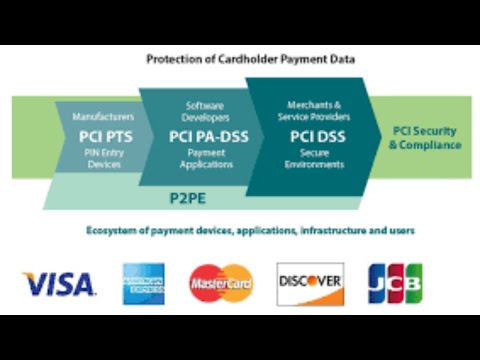
The Payment Card Industry Data Security Standard (PCI DSS) is a set of security standards designed to ensure that companies that handle credit card information maintain a secure environment for the protection of cardholder data. Developed by the major payment card brands, including Visa, Mastercard, and American Express, the standard aims to prevent data breaches and protect sensitive information. The PCI DSS comprises 12 requirements that cover areas such as network security, data storage, and access controls. As of 2022, the standard is in its version 3.2.1, with regular updates to address emerging threats and technologies. With a vibe rating of 8, the PCI DSS is widely adopted across the payment industry, with over 3 million merchants worldwide complying with the standard. However, the standard has faced criticism for its complexity and the challenges of implementation, particularly for small and medium-sized businesses.
📊 Introduction to PCI DSS
The Payment Card Industry Data Security Standard (PCI DSS) is a set of security standards designed to ensure that companies that handle credit card information maintain a secure environment for the protection of cardholder data. The standard was created by the major payment card brands, including PCI Security Standards Council, Visa, Mastercard, and American Express. The goal of PCI DSS is to prevent data breaches and protect sensitive cardholder information. Companies that handle credit card information must comply with PCI DSS requirements, which include network security, access control, and encryption. For more information on PCI DSS, visit the PCI Security Standards Council website.
🔒 History of PCI DSS
The history of PCI DSS dates back to 2004, when the major payment card brands came together to create a set of security standards for the payment card industry. The first version of PCI DSS was released in 2004, and since then, the standard has undergone several updates, including PCI DSS version 3.2. The updates have included new requirements for multi-factor authentication, incident response, and penetration testing. The PCI Security Standards Council is responsible for maintaining and updating the PCI DSS standard. For more information on the history of PCI DSS, visit the PCI Security Standards Council website.
📝 Requirements and Compliance
The requirements and compliance for PCI DSS are outlined in the PCI DSS requirements document. The requirements include firewall configuration, access control, encryption, and regular security audits. Companies that handle credit card information must comply with these requirements to ensure the security of cardholder data. The PCI Security Standards Council provides guidance and resources for companies to achieve compliance. For more information on PCI DSS requirements and compliance, visit the PCI Security Standards Council website.
🚫 Security Risks and Threats
The security risks and threats associated with PCI DSS are significant, and companies that handle credit card information must take steps to mitigate these risks. Some of the most common security risks include data breaches, hacking, and malware. Companies must implement security measures such as firewall configuration, access control, and encryption to protect against these risks. The PCI Security Standards Council provides guidance and resources for companies to mitigate these risks. For more information on security risks and threats, visit the PCI Security Standards Council website.
🛡️ Implementing PCI DSS
Implementing PCI DSS requires a comprehensive approach to security, including network security, access control, and encryption. Companies must also implement incident response and disaster recovery plans to ensure business continuity in the event of a security breach. The PCI Security Standards Council provides guidance and resources for companies to implement PCI DSS. For more information on implementing PCI DSS, visit the PCI Security Standards Council website.
📊 Benefits of PCI DSS Compliance
The benefits of PCI DSS compliance are numerous, and companies that comply with the standard can expect to see a significant reduction in security risks and threats. Some of the benefits of PCI DSS compliance include improved security, reduced risk, and increased customer trust. Companies that comply with PCI DSS can also expect to see a reduction in compliance costs and an increase in business efficiency. For more information on the benefits of PCI DSS compliance, visit the PCI Security Standards Council website.
🤝 Roles and Responsibilities
The roles and responsibilities for PCI DSS compliance are clearly defined, and companies that handle credit card information must ensure that all employees understand their roles and responsibilities. The PCI Security Standards Council provides guidance and resources for companies to ensure that all employees understand their roles and responsibilities. For more information on roles and responsibilities, visit the PCI Security Standards Council website.
📈 Future of PCI DSS
The future of PCI DSS is likely to include new requirements and updates to the standard, including artificial intelligence and machine learning. The PCI Security Standards Council is constantly reviewing and updating the standard to ensure that it remains effective in protecting cardholder data. For more information on the future of PCI DSS, visit the PCI Security Standards Council website.
📊 Case Studies and Examples
There are many case studies and examples of companies that have implemented PCI DSS and seen significant benefits, including Target and Home Depot. These companies have implemented PCI DSS compliance programs and seen a significant reduction in security risks and threats. For more information on case studies and examples, visit the PCI Security Standards Council website.
📝 Best Practices for Compliance
The best practices for PCI DSS compliance include regular security audits, penetration testing, and incident response. Companies must also ensure that all employees understand their roles and responsibilities and that the company has a comprehensive security program in place. For more information on best practices, visit the PCI Security Standards Council website.
🚨 Common Mistakes and Challenges
There are many common mistakes and challenges associated with PCI DSS compliance, including lack of resources and insufficient training. Companies must ensure that they have the necessary resources and training to implement PCI DSS effectively. For more information on common mistakes and challenges, visit the PCI Security Standards Council website.
📊 Conclusion and Recommendations
In conclusion, PCI DSS is a critical standard for companies that handle credit card information, and compliance with the standard is essential for protecting cardholder data. Companies must ensure that they understand the requirements and compliance for PCI DSS and implement the standard effectively. For more information on PCI DSS, visit the PCI Security Standards Council website.
Key Facts
- Year
- 2004
- Origin
- Major payment card brands, including Visa, Mastercard, and American Express
- Category
- Cybersecurity
- Type
- Standard
Frequently Asked Questions
What is PCI DSS?
PCI DSS is a set of security standards designed to ensure that companies that handle credit card information maintain a secure environment for the protection of cardholder data. The standard was created by the major payment card brands, including PCI Security Standards Council, Visa, Mastercard, and American Express. For more information on PCI DSS, visit the PCI Security Standards Council website.
What are the benefits of PCI DSS compliance?
The benefits of PCI DSS compliance include improved security, reduced risk, and increased customer trust. Companies that comply with PCI DSS can also expect to see a reduction in compliance costs and an increase in business efficiency. For more information on the benefits of PCI DSS compliance, visit the PCI Security Standards Council website.
What are the requirements for PCI DSS compliance?
The requirements for PCI DSS compliance are outlined in the PCI DSS requirements document. The requirements include firewall configuration, access control, encryption, and regular security audits. Companies that handle credit card information must comply with these requirements to ensure the security of cardholder data. For more information on PCI DSS requirements and compliance, visit the PCI Security Standards Council website.
How can companies implement PCI DSS effectively?
Companies can implement PCI DSS effectively by ensuring that they understand the requirements and compliance for PCI DSS and implementing the standard comprehensively. This includes network security, access control, and encryption. Companies must also ensure that all employees understand their roles and responsibilities and that the company has a comprehensive security program in place. For more information on implementing PCI DSS, visit the PCI Security Standards Council website.
What are the common mistakes and challenges associated with PCI DSS compliance?
There are many common mistakes and challenges associated with PCI DSS compliance, including lack of resources and insufficient training. Companies must ensure that they have the necessary resources and training to implement PCI DSS effectively. For more information on common mistakes and challenges, visit the PCI Security Standards Council website.