
Contents
Overview
A physic garden is a type of herb garden that specializes in the cultivation of medicinal plants. These gardens are the predecessors of modern botanical gardens and have played a significant role in the development of herbal medicine. The gardens are designed to provide a peaceful and serene environment, conducive to spiritual practices and community building. The National Trust, the Royal Horticultural Society, and the Herb Society are key organizations involved in the promotion and preservation of physic gardens. Notable herbalists and botanists, such as John Gerard and Nicholas Culpeper, have made significant contributions to the field.
🌿 Origins & History
The gardens were initially created by monasteries and convents to cultivate medicinal plants for the treatment of various ailments. Over time, the concept of physic gardens evolved, and they became an integral part of the development of botanical gardens.
🌸 How It Works
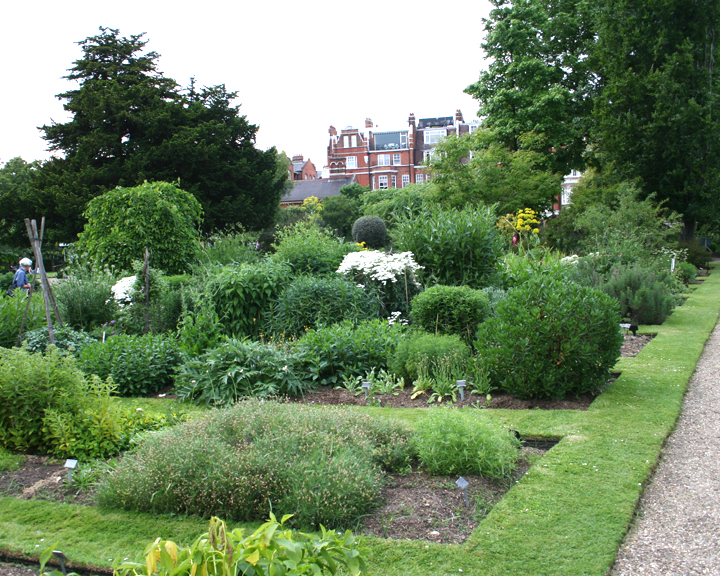
A physic garden is a carefully curated space that brings together a wide variety of medicinal plants, each with its unique properties and uses. The gardens are designed to provide a peaceful and serene environment, conducive to spiritual practices and community building. Visitors to a physic garden can expect to find a diverse range of plants, from traditional herbs like lavender and chamomile to more exotic species like turmeric and ginger.
📊 Key Facts & Numbers
The National Trust, the Royal Horticultural Society, and the Herb Society are key organizations involved in the promotion and preservation of physic gardens. These organizations work tirelessly to protect and promote the heritage of physic gardens, and they offer a range of resources and support for those interested in creating their own physic garden.
👥 Key People & Organizations
Notable herbalists and botanists, such as John Gerard and Nicholas Culpeper, have made significant contributions to the field of herbal medicine. Their work has helped to shape our understanding of the medicinal properties of plants and has paved the way for the development of modern herbal medicine.
🌍 Cultural Impact & Influence
Physic gardens have had a profound cultural impact and influence on the development of herbal medicine and holistic health practices. They have been a source of inspiration for many artists, writers, and musicians, and they continue to be a popular destination for those seeking a peaceful and serene environment.
⚡ Current State & Latest Developments
The National Trust has announced plans to create a new physic garden in the United States, which will feature a range of medicinal plants and offer workshops and classes on herbal medicine.
🤔 Controversies & Debates
Despite their many benefits, physic gardens are not without controversy. Some critics argue that the gardens are too focused on traditional herbal medicine and do not adequately address modern health concerns. Others argue that the gardens are too commercialized and have lost their original purpose as peaceful oases for spiritual practices and community building.
🔮 Future Outlook & Predictions
The future outlook for physic gardens is uncertain, and reportedly, some people believe they will continue to play a significant role in the promotion of holistic health and wellness practices.
💡 Practical Applications
Physic gardens have many practical applications, from providing a peaceful and serene environment for spiritual practices and community building to serving as a source of medicinal plants for herbal medicine.
Key Facts
- Origin
- Europe
- Category
- health
- Type
- concept