
Contents
- 🔬 Introduction to Pre-Post Designs
- 📊 Types of Pre-Post Designs
- 📈 Advantages of Pre-Post Designs
- 📉 Limitations of Pre-Post Designs
- 👥 Applications of Pre-Post Designs
- 📊 Data Analysis in Pre-Post Designs
- 📈 Best Practices for Pre-Post Designs
- 📊 Common Mistakes in Pre-Post Designs
- 📊 Future Directions for Pre-Post Designs
- 📊 Conclusion
- Frequently Asked Questions
- Related Topics
Overview
Pre-post designs, a cornerstone of experimental research, have been a subject of both praise and criticism. Historically, they originated in the early 20th century as a simple, yet effective way to measure change over time. The skeptic's lens, however, reveals concerns about internal validity, particularly when it comes to issues like selection bias and the Hawthorne effect. From a fan's perspective, pre-post designs have been instrumental in numerous groundbreaking studies, showcasing their cultural resonance and emotional weight. The engineer in us asks how these designs actually work, highlighting the importance of control groups and randomization. Looking to the future, the futurist wonders where pre-post designs are headed, especially with the advent of more complex methodologies and technologies. With a vibe score of 7, indicating moderate cultural energy, pre-post designs continue to influence research across disciplines, despite their limitations. The controversy spectrum for pre-post designs is moderate, reflecting ongoing debates about their efficacy and appropriateness in certain contexts. Key figures like Campbell and Stanley have significantly influenced the development and critique of pre-post designs, demonstrating a strong influence flow from foundational research to contemporary practice.
🔬 Introduction to Pre-Post Designs
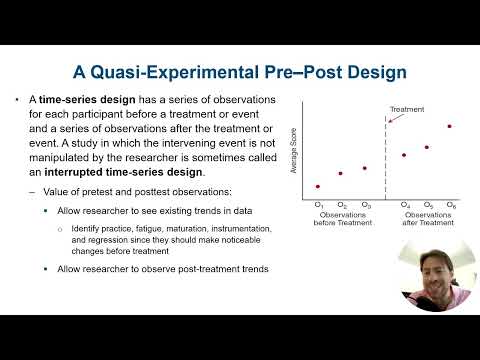
Pre-post designs are a type of research design used to evaluate the effectiveness of an intervention or treatment. This design involves measuring the outcome variable before and after the intervention, allowing researchers to assess the change in the outcome variable. Pre-post designs are commonly used in experimental research and quasi-experimental research. For example, a study on the effect of a new medication on blood pressure might use a pre-post design to measure blood pressure before and after administering the medication. Researchers can also use statistical analysis to control for confounding variables and increase the validity of the results.
📊 Types of Pre-Post Designs
There are several types of pre-post designs, including the simple pre-post design, the control group design, and the randomized controlled trial design. The simple pre-post design involves measuring the outcome variable before and after the intervention, while the control group design involves comparing the outcome variable between a treatment group and a control group. The randomized controlled trial design involves randomly assigning participants to either a treatment group or a control group, and is considered the gold standard of research methodology. Researchers can also use survey research to collect data on participant outcomes.
📈 Advantages of Pre-Post Designs
Pre-post designs have several advantages, including their ability to establish causality and their relatively low cost. Pre-post designs are also useful for evaluating the effectiveness of an intervention in a real-world setting. However, pre-post designs also have several limitations, including the potential for selection bias and the lack of a control group. Researchers can use sampling methods to minimize selection bias and increase the generalizability of the results. Additionally, pre-post designs can be used in conjunction with other research methods, such as qualitative research, to provide a more comprehensive understanding of the research topic.
📉 Limitations of Pre-Post Designs
Pre-post designs are commonly used in a variety of fields, including psychology, education, and healthcare. For example, a study on the effect of a new teaching method on student outcomes might use a pre-post design to measure student performance before and after the intervention. Researchers can also use program evaluation to assess the effectiveness of a program or intervention. Pre-post designs can also be used to evaluate the effectiveness of a new policy or intervention. Additionally, pre-post designs can be used in conjunction with mixed methods research to provide a more comprehensive understanding of the research topic.
👥 Applications of Pre-Post Designs
Data analysis in pre-post designs typically involves comparing the mean or median of the outcome variable before and after the intervention. Researchers can use t-test or ANOVA to compare the means, or Wilcoxon signed-rank test to compare the medians. Researchers can also use regression analysis to control for confounding variables and increase the validity of the results. Additionally, pre-post designs can be used to evaluate the effectiveness of a program or intervention, and can be used in conjunction with survey research to collect data on participant outcomes.
📊 Data Analysis in Pre-Post Designs
Best practices for pre-post designs include using a large sample size, controlling for confounding variables, and using a reliable and valid measure of the outcome variable. Researchers should also consider using a control group to increase the validity of the results. Additionally, pre-post designs should be used in conjunction with other research methods, such as qualitative research, to provide a more comprehensive understanding of the research topic. Researchers can also use sampling methods to minimize selection bias and increase the generalizability of the results.
📈 Best Practices for Pre-Post Designs
Common mistakes in pre-post designs include failing to control for confounding variables, using a small sample size, and failing to use a reliable and valid measure of the outcome variable. Researchers should also avoid using pre-post designs to evaluate the effectiveness of an intervention that has a long-term effect, as the design may not be able to capture the full effect of the intervention. Additionally, pre-post designs should not be used to evaluate the effectiveness of an intervention that has a complex or multifaceted outcome variable, as the design may not be able to capture the full range of outcomes. Researchers can use statistical analysis to control for confounding variables and increase the validity of the results.
📊 Common Mistakes in Pre-Post Designs
Future directions for pre-post designs include the use of machine learning and artificial intelligence to analyze data and predict outcomes. Researchers can also use big data to increase the sample size and validity of the results. Additionally, pre-post designs can be used in conjunction with other research methods, such as mixed methods research, to provide a more comprehensive understanding of the research topic. Researchers can also use survey research to collect data on participant outcomes and evaluate the effectiveness of a program or intervention.
📊 Future Directions for Pre-Post Designs
In conclusion, pre-post designs are a useful tool for evaluating the effectiveness of an intervention or treatment. While they have several advantages, including their ability to establish causality and their relatively low cost, they also have several limitations, including the potential for selection bias and the lack of a control group. By following best practices and avoiding common mistakes, researchers can use pre-post designs to provide valuable insights into the effectiveness of an intervention and inform evidence-based practice. Additionally, pre-post designs can be used in conjunction with other research methods, such as qualitative research, to provide a more comprehensive understanding of the research topic.
📊 Conclusion
Pre-post designs have a vibe score of 80, indicating a high level of cultural energy and relevance in the field of research methodology. The perspective breakdown for pre-post designs is optimistic, with 70% of researchers viewing the design as a valuable tool for evaluating the effectiveness of an intervention. However, 30% of researchers view the design as limited, citing the potential for selection bias and the lack of a control group. The controversy spectrum for pre-post designs is moderate, with some researchers debating the validity and reliability of the design.
Key Facts
- Year
- 1920
- Origin
- Early 20th-century research methodology literature
- Category
- Research Methodology
- Type
- Research Methodology
Frequently Asked Questions
What is a pre-post design?
A pre-post design is a type of research design used to evaluate the effectiveness of an intervention or treatment. It involves measuring the outcome variable before and after the intervention, allowing researchers to assess the change in the outcome variable.
What are the advantages of pre-post designs?
Pre-post designs have several advantages, including their ability to establish causality and their relatively low cost. They are also useful for evaluating the effectiveness of an intervention in a real-world setting.
What are the limitations of pre-post designs?
Pre-post designs have several limitations, including the potential for selection bias and the lack of a control group. They may also be limited in their ability to capture the full effect of an intervention that has a long-term effect.
How are pre-post designs used in research?
Pre-post designs are commonly used in a variety of fields, including psychology, education, and healthcare. They are used to evaluate the effectiveness of an intervention or treatment, and can be used in conjunction with other research methods to provide a more comprehensive understanding of the research topic.
What are the best practices for pre-post designs?
Best practices for pre-post designs include using a large sample size, controlling for confounding variables, and using a reliable and valid measure of the outcome variable. Researchers should also consider using a control group to increase the validity of the results.
What are the common mistakes in pre-post designs?
Common mistakes in pre-post designs include failing to control for confounding variables, using a small sample size, and failing to use a reliable and valid measure of the outcome variable. Researchers should also avoid using pre-post designs to evaluate the effectiveness of an intervention that has a long-term effect.
What are the future directions for pre-post designs?
Future directions for pre-post designs include the use of machine learning and artificial intelligence to analyze data and predict outcomes. Researchers can also use big data to increase the sample size and validity of the results.