
Contents
- 📚 Introduction to Predatory Journals
- 🚨 The Rise of Predatory Publishing
- 👮 The Characteristics of Predatory Journals
- 📊 The Consequences of Predatory Publishing
- 🚫 The Impact on Academic Integrity
- 👥 The Role of Researchers in Combating Predatory Journals
- 📈 The Economic Factors Driving Predatory Publishing
- 🔍 Strategies for Identifying Predatory Journals
- 📝 The Importance of Transparency in Academic Publishing
- 👊 Combating Predatory Journals: A Call to Action
- 📊 The Future of Academic Publishing: Trends and Challenges
- 👀 Conclusion: The Dark Side of Academic Publishing
- Frequently Asked Questions
- Related Topics
Overview
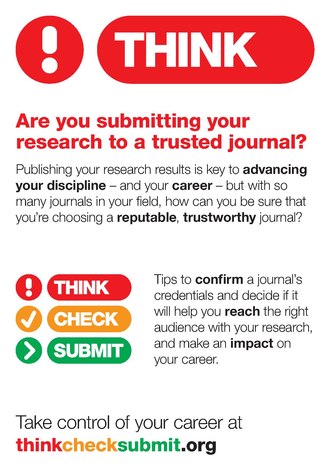
Predatory journals, a phenomenon that has been growing since the early 2010s, pose a significant threat to the integrity of academic research. These journals, often with fake or misleading titles, prey on unsuspecting authors, charging exorbitant fees for publication while providing little to no editorial review or quality control. According to a 2019 report by Nature, over 8,000 predatory journals are in operation, accounting for an estimated 20% of all open-access articles published. The consequences are far-reaching, from wasted research funding to the dissemination of false or misleading information. Notable cases, such as the infamous 'Who's Afraid of Peer Review?' sting operation by John Bohannon in 2013, have highlighted the severity of the issue. As the academic community grapples with this problem, it is essential to develop effective strategies for identifying and mitigating the impact of predatory journals, such as the use of tools like Beall's List and the Think. Check. Submit. initiative. With the rise of open-access publishing, the need for vigilance and reform has never been more pressing.
📚 Introduction to Predatory Journals
The academic publishing landscape has undergone significant changes in recent years, with the rise of Open Access Publishing and Digital Scholarship. However, this shift has also led to the proliferation of Predatory Journals, which prioritize financial gain over the advancement of scholarship. According to Jeffrey Beall, a leading expert on predatory publishing, these journals often engage in deceptive practices, such as Fake Peer Review and Author Fee scams. The consequences of predatory publishing are far-reaching, undermining the Integrity of Scholarly Communication and damaging the credibility of Academic Research.
🚨 The Rise of Predatory Publishing
The rise of predatory publishing can be attributed to the pressures on researchers to publish in High Impact Journals. This has created a lucrative market for predatory publishers, who exploit the desperation of researchers to publish their work. According to a study published in Nature, the number of predatory journals has increased exponentially in recent years, with over 10,000 Predatory Journals currently in operation. The Committee on Publication Ethics (COPE) has warned about the dangers of predatory publishing, highlighting the need for researchers to be vigilant when selecting journals for publication.
👮 The Characteristics of Predatory Journals
Predatory journals often exhibit certain characteristics, such as Lack of Transparency and Deviation from Standard Peer Review Procedures. They may also engage in Aggressive or Coercive Solicitation Tactics to attract authors. According to Wikipedia, predatory publishers may use fake or misleading information about their editorial practices, such as claiming to have a High Impact Factor or International Editorial Board. Researchers must be aware of these tactics and take steps to Evaluate Journal Credibility before submitting their work.
📊 The Consequences of Predatory Publishing
The consequences of predatory publishing are severe, undermining the Credibility of Scholarly Research and damaging the Reputation of Academic Institutions. According to a study published in Science, predatory publishing can also lead to the dissemination of False or Misleading Information, which can have serious consequences for Public Health and Environmental Policy. The World Health Organization (WHO) has warned about the dangers of predatory publishing, highlighting the need for researchers to be aware of the risks and take steps to mitigate them.
🚫 The Impact on Academic Integrity
The impact of predatory publishing on academic integrity is significant, undermining the Trust and Credibility of Scholarly Research. According to Stanford University, predatory publishing can lead to the erosion of Academic Standards and the devaluation of Academic Degrees. Researchers must be aware of the risks of predatory publishing and take steps to Protect Academic Integrity, such as Evaluating Journal Credibility and Avoiding Predatory Journals.
👥 The Role of Researchers in Combating Predatory Journals
Researchers play a critical role in combating predatory journals, and must be aware of the risks and take steps to mitigate them. According to Harvard University, researchers can Evaluate Journal Credibility by checking for Transparency and Accountability. They can also Avoid Predatory Journals by being cautious of journals that engage in Aggressive or Coercive Solicitation Tactics. By taking these steps, researchers can help to Protect Academic Integrity and maintain the Credibility of Scholarly Research.
📈 The Economic Factors Driving Predatory Publishing
The economic factors driving predatory publishing are complex, and involve the Pressure to Publish and the Lucrative Market for Predatory Publishers. According to Oxford University, the Open Access Movement has created new opportunities for predatory publishers, who can exploit the desperation of researchers to publish their work. The European University Institute has warned about the dangers of predatory publishing, highlighting the need for researchers to be aware of the risks and take steps to mitigate them.
🔍 Strategies for Identifying Predatory Journals
Identifying predatory journals can be challenging, but there are several strategies that researchers can use. According to University of California, researchers can Evaluate Journal Credibility by checking for Transparency and Accountability. They can also Check for Red Flags, such as Aggressive or Coercive Solicitation Tactics or Lack of Transparency. By taking these steps, researchers can help to Protect Academic Integrity and maintain the Credibility of Scholarly Research.
📝 The Importance of Transparency in Academic Publishing
Transparency is essential in academic publishing, and researchers must be aware of the risks of predatory publishing. According to MIT Press, Transparency can help to Build Trust and Credibility in academic publishing. Researchers can Evaluate Journal Credibility by checking for Transparency and Accountability. They can also Support Transparency Initiatives, such as the Directory of Open Access Journals.
👊 Combating Predatory Journals: A Call to Action
Combating predatory journals requires a collective effort, and researchers must be aware of the risks and take steps to mitigate them. According to University of Oxford, researchers can Evaluate Journal Credibility and Avoid Predatory Journals by being cautious of journals that engage in Aggressive or Coercive Solicitation Tactics. They can also Support Academic Integrity Initiatives, such as the Committee on Publication Ethics. By taking these steps, researchers can help to Protect Academic Integrity and maintain the Credibility of Scholarly Research.
📊 The Future of Academic Publishing: Trends and Challenges
The future of academic publishing is uncertain, and researchers must be aware of the trends and challenges. According to Stanford University, the Open Access Movement is likely to continue, creating new opportunities for predatory publishers. However, researchers can Evaluate Journal Credibility and Avoid Predatory Journals by being cautious of journals that engage in Aggressive or Coercive Solicitation Tactics. By taking these steps, researchers can help to Protect Academic Integrity and maintain the Credibility of Scholarly Research.
👀 Conclusion: The Dark Side of Academic Publishing
In conclusion, the dark side of academic publishing is a significant concern, and researchers must be aware of the risks of predatory publishing. According to Harvard University, researchers can Evaluate Journal Credibility and Avoid Predatory Journals by being cautious of journals that engage in Aggressive or Coercive Solicitation Tactics. By taking these steps, researchers can help to Protect Academic Integrity and maintain the Credibility of Scholarly Research. The future of academic publishing depends on the ability of researchers to navigate the complex landscape of academic publishing and avoid the pitfalls of predatory publishing.
Key Facts
- Year
- 2010
- Origin
- Jeffrey Beall's List of Predatory Journals
- Category
- Academic Ethics
- Type
- Concept
Frequently Asked Questions
What is predatory publishing?
Predatory publishing, also known as write-only publishing or deceptive publishing, is an exploitative and fraudulent academic publishing model in which journals or publishers prioritize their own financial or reputational gain over the advancement of scholarship. According to Jeffrey Beall, predatory publishing can lead to the dissemination of False or Misleading Information, which can have serious consequences for Public Health and Environmental Policy. Researchers must be aware of the risks of predatory publishing and take steps to Protect Academic Integrity.
How can researchers evaluate journal credibility?
Researchers can evaluate journal credibility by checking for Transparency and Accountability. According to University of California, researchers can also Check for Red Flags, such as Aggressive or Coercive Solicitation Tactics or Lack of Transparency. By taking these steps, researchers can help to Protect Academic Integrity and maintain the Credibility of Scholarly Research.
What are the consequences of predatory publishing?
The consequences of predatory publishing are severe, undermining the Credibility of Scholarly Research and damaging the Reputation of Academic Institutions. According to Science, predatory publishing can also lead to the dissemination of False or Misleading Information, which can have serious consequences for Public Health and Environmental Policy. Researchers must be aware of the risks of predatory publishing and take steps to Protect Academic Integrity.
How can researchers avoid predatory journals?
Researchers can avoid predatory journals by being cautious of journals that engage in Aggressive or Coercive Solicitation Tactics. According to Oxford University, researchers can also Evaluate Journal Credibility by checking for Transparency and Accountability. By taking these steps, researchers can help to Protect Academic Integrity and maintain the Credibility of Scholarly Research.
What is the role of transparency in academic publishing?
Transparency is essential in academic publishing, and researchers must be aware of the risks of predatory publishing. According to MIT Press, Transparency can help to Build Trust and Credibility in academic publishing. Researchers can Evaluate Journal Credibility by checking for Transparency and Accountability. By taking these steps, researchers can help to Protect Academic Integrity and maintain the Credibility of Scholarly Research.
How can researchers support academic integrity initiatives?
Researchers can support academic integrity initiatives by being aware of the risks of predatory publishing and taking steps to mitigate them. According to University of Oxford, researchers can Evaluate Journal Credibility and Avoid Predatory Journals by being cautious of journals that engage in Aggressive or Coercive Solicitation Tactics. By taking these steps, researchers can help to Protect Academic Integrity and maintain the Credibility of Scholarly Research.
What is the future of academic publishing?
The future of academic publishing is uncertain, and researchers must be aware of the trends and challenges. According to Stanford University, the Open Access Movement is likely to continue, creating new opportunities for predatory publishers. However, researchers can Evaluate Journal Credibility and Avoid Predatory Journals by being cautious of journals that engage in Aggressive or Coercive Solicitation Tactics. By taking these steps, researchers can help to Protect Academic Integrity and maintain the Credibility of Scholarly Research.