
Contents
- 🌎 Introduction to Preventive Care
- 🧬 The Science of Disease Prevention
- 🏥 Types of Preventive Care
- 💉 Vaccines and Immunizations
- 🦷 Dental Care and Preventive Measures
- 📊 The Economics of Preventive Care
- 👥 Community-Based Initiatives
- 📈 The Future of Preventive Care
- 🤝 Global Health Initiatives
- 📊 Measuring the Impact of Preventive Care
- 📝 Policy and Legislation
- 👀 Conclusion and Next Steps
- Frequently Asked Questions
- Related Topics
Overview
Preventive care, a proactive approach to medicine, has been gaining momentum since the 1980s when the US Preventive Services Task Force (USPSTF) was established. This movement, led by pioneers like Dr. David Katz, has been driven by the alarming rise in chronic diseases, with over 40% of US adults suffering from at least one condition, resulting in estimated annual costs of $3.7 trillion. The Centers for Disease Control and Prevention (CDC) reports that 80% of heart disease, stroke, and type 2 diabetes cases can be prevented through lifestyle modifications and early interventions. Despite its benefits, preventive care remains a topic of debate, with some arguing that it is too costly or ineffective, while others, like the World Health Organization (WHO), emphasize its potential to reduce healthcare expenditures by up to 30%. As technology advances, preventive care is becoming increasingly personalized, with companies like 23andMe and Fitbit offering genetic testing and wearable devices to track health metrics. With a projected global market size of $2.5 billion by 2025, preventive care is poised to revolutionize the healthcare industry, but its success will depend on addressing issues like accessibility and equity, with only 10% of healthcare spending currently allocated to prevention, according to a report by the National Academy of Medicine.
🌎 Introduction to Preventive Care
The preventive care revolution is transforming the way we approach healthcare, shifting the focus from treatment to prevention and early intervention. By addressing the root causes of diseases, we can reduce the burden on healthcare systems and improve overall wellness. Preventive care encompasses a range of services, including screening tests, vaccines, and health education. As we move forward, it's essential to understand the importance of primary prevention, secondary prevention, and tertiary prevention in preventing diseases and promoting public health.
🧬 The Science of Disease Prevention
The science of disease prevention is complex and multifaceted, involving the interplay of genetic predisposition, environmental factors, disease agents, and lifestyle choices. By understanding these factors, we can develop effective strategies for disease prevention and health promotion. For example, epidemiology plays a crucial role in identifying risk factors and developing targeted interventions. Additionally, health behavior theories, such as the health belief model, can inform the design of health education programs.
🏥 Types of Preventive Care
Preventive care can be categorized into several types, including primary prevention, secondary prevention, and tertiary prevention. Primary prevention focuses on preventing diseases before they occur, through measures such as vaccination and health education. Secondary prevention involves detecting and treating diseases early, through screening tests and early intervention. Tertiary prevention aims to reduce the impact of diseases that have already occurred, through rehabilitation and disease management.
💉 Vaccines and Immunizations
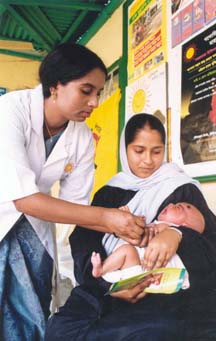
Vaccines and immunizations are a crucial component of preventive care, providing protection against infectious diseases such as influenza and measles. The development of new vaccines and immunization strategies is an active area of research, with a focus on improving vaccine efficacy and vaccine safety. Additionally, vaccine distribution and vaccine access are critical issues, particularly in low-income countries.
🦷 Dental Care and Preventive Measures
Dental care is an essential aspect of preventive care, involving regular dental cleanings and oral health education. By promoting good oral hygiene practices, we can prevent dental caries and periodontal disease. Furthermore, dental health is closely linked to systemic health, with research suggesting a connection between periodontal disease and cardiovascular disease.
📊 The Economics of Preventive Care
The economics of preventive care are complex, involving a balance between cost-effectiveness and health outcomes. While preventive care can be costly in the short term, it can also lead to significant cost savings in the long term, by reducing the need for medical treatment and hospitalization. Additionally, health economics plays a critical role in evaluating the cost-effectiveness of preventive care interventions, using techniques such as cost-benefit analysis.
👥 Community-Based Initiatives
Community-based initiatives are essential for promoting preventive care, involving partnerships between healthcare providers, community organizations, and local government. These initiatives can include health fairs, screening events, and health education programs. By engaging with local communities, we can promote health literacy and empower individuals to take control of their health.
📈 The Future of Preventive Care
The future of preventive care is exciting, with advances in technology and data analysis enabling more targeted and effective interventions. For example, artificial intelligence can be used to analyze electronic health records and identify high-risk patients, while mHealth interventions can promote health behavior change. Additionally, personalized medicine is becoming increasingly important, with a focus on tailoring preventive care to individual genetic profiles and health status.
🤝 Global Health Initiatives
Global health initiatives are critical for promoting preventive care, involving international partnerships and collaborations. For example, the World Health Organization plays a key role in promoting global health, through initiatives such as the global health security agenda. Additionally, non-governmental organizations such as the Red Cross and Doctors Without Borders provide essential humanitarian aid and health services in low-income countries.
📊 Measuring the Impact of Preventive Care
Measuring the impact of preventive care is essential, involving the use of health outcomes and performance metrics. For example, mortality rates and morbidity rates can be used to evaluate the effectiveness of preventive care interventions, while patient satisfaction and health-related quality of life can be used to assess the impact on individuals. Additionally, cost-effectiveness analysis can be used to evaluate the cost-effectiveness of preventive care interventions.
📝 Policy and Legislation
Policy and legislation play a critical role in promoting preventive care, involving the development of health policies and laws that support preventive care. For example, the Affordable Care Act in the United States has expanded access to preventive services, including screening tests and vaccines. Additionally, global health governance is essential for promoting preventive care, involving international agreements and collaborations.
👀 Conclusion and Next Steps
In conclusion, the preventive care revolution is transforming the way we approach healthcare, shifting the focus from treatment to prevention and early intervention. As we move forward, it's essential to continue promoting preventive care, through a combination of health education, screening tests, and vaccines. By working together, we can create a healthier, more equitable world, where everyone has access to quality healthcare and preventive services.
Key Facts
- Year
- 2022
- Origin
- US Preventive Services Task Force (USPSTF)
- Category
- Health and Wellness
- Type
- Medical Concept
Frequently Asked Questions
What is preventive care?
Preventive care refers to the application of healthcare measures to prevent diseases, including services such as screening tests, vaccines, and health education. The goal of preventive care is to prevent diseases before they occur, or to detect and treat them early, reducing the risk of complications and improving health outcomes.
Why is preventive care important?
Preventive care is important because it can help reduce the burden of diseases on individuals, families, and society as a whole. By preventing diseases, we can reduce the need for medical treatment, hospitalization, and other healthcare services, leading to cost savings and improved health outcomes.
What are some examples of preventive care services?
Examples of preventive care services include screening tests, such as mammograms and colonoscopies, vaccines, such as flu shots and HPV vaccines, and health education, such as nutrition counseling and stress management. Additionally, preventive care may involve regular health check-ups, dental cleanings, and other services aimed at promoting health and preventing disease.
How can I get involved in preventive care?
You can get involved in preventive care by taking an active role in your health, including getting regular check-ups, following a healthy diet, and engaging in regular physical activity. You can also support preventive care initiatives in your community, such as health fairs and screening events, and advocate for policies that promote preventive care.
What is the future of preventive care?
The future of preventive care is exciting, with advances in technology and data analysis enabling more targeted and effective interventions. Additionally, there is a growing focus on personalized medicine, tailoring preventive care to individual genetic profiles and health status. As we move forward, it's essential to continue promoting preventive care, through a combination of health education, screening tests, and vaccines.