
Contents
- 🎨 Introduction to Refik Anadol
- 💻 The Rise of Data-Driven Art
- 📊 Data Sculpture and Artificial Intelligence
- 🌐 Collaboration and Commissioned Works
- 🎥 Immersive Installations and Exhibitions
- 📚 Inspiration and Influences
- 👥 Critique and Controversy
- 🔮 Future of Data-Driven Art
- 📊 Vibe Score and Cultural Impact
- 👀 Conclusion and Legacy
- 🤖 Influence on the Art World
- 📈 Future Prospects and Opportunities
- Frequently Asked Questions
- Related Topics
Overview
Refik Anadol is a Turkish-American artist known for his data-driven and AI-powered installations that explore the relationship between humans, machines, and the environment. With a background in fine arts and interior design, Anadol has developed a unique approach to visualizing complex data sets, creating immersive and thought-provoking experiences. His work has been exhibited globally, including at the Museum of Modern Art in New York and the Peggy Guggenheim Collection in Venice. Anadol's use of machine learning algorithms and large-scale data visualization has pushed the boundaries of contemporary art, sparking debates about the role of technology in creative processes. As a pioneer in the field of data-driven art, Anadol continues to inspire new generations of artists, designers, and technologists. With a vibe score of 8, Anadol's work is widely recognized for its innovative and captivating approach to storytelling through data.
🎨 Introduction to Refik Anadol
Refik Anadol is a Turkish-born artist, known for his innovative use of data-driven art, which has revolutionized the way we perceive and interact with art. Born in 1985 in Istanbul, Turkey, Anadol's fascination with art and technology began at a young age, leading him to study fine arts and later, graphic design. His work has been exhibited globally, including at the MoMA in New York and the Tate Modern in London. Anadol's unique approach to art has earned him numerous awards and recognition, including the Lorenzo il Magnifico award at the 2018 Florence Biennale. As a pioneer in the field of data-driven art, Anadol continues to push the boundaries of what is possible with art and technology, inspiring a new generation of artists and technologists. His work has been featured in various publications, including Artforum and Wired.
💻 The Rise of Data-Driven Art
The rise of data-driven art has been a significant development in the art world, with artists like Refik Anadol at the forefront. This new medium has enabled artists to create immersive and interactive installations that engage audiences in unprecedented ways. Data-driven art has also raised important questions about the role of technology in art, with some arguing that it has the potential to democratize art, while others see it as a threat to traditional forms of artistic expression. Anadol's work has been influenced by the Surrealist movement, which explored the subconscious and the world of dreams. His use of data and artificial intelligence has also been compared to the work of Marcel Duchamp, who challenged traditional notions of art and reality. As the art world continues to evolve, it will be interesting to see how data-driven art continues to shape and influence the way we experience and interact with art. The Venice Biennale has also featured data-driven art, showcasing the work of artists like Anadol and Random International.
📊 Data Sculpture and Artificial Intelligence
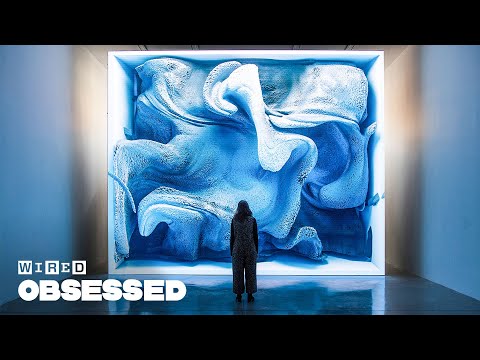
Refik Anadol's use of data sculpture and artificial intelligence has been a key aspect of his work, enabling him to create complex and dynamic installations that respond to their environment. His use of machine learning algorithms has allowed him to generate new forms and patterns, which are then used to create large-scale installations. Anadol's work has been influenced by the Futurist movement, which explored the relationship between technology and society. His use of data and artificial intelligence has also been compared to the work of Bridget Riley, who used geometric patterns to create optically challenging installations. As the field of artificial intelligence continues to evolve, it will be interesting to see how Anadol and other artists continue to push the boundaries of what is possible with data-driven art. The Google Arts and Culture platform has also featured Anadol's work, showcasing his use of data and artificial intelligence in art. The MIT Press has published several books on the topic of data-driven art, including works by Anadol and other leading artists in the field.
🌐 Collaboration and Commissioned Works
Refik Anadol has collaborated with numerous institutions and organizations, including the Google Arts and Culture platform, the Seattle Art Museum, and the Perez Art Museum Miami. These collaborations have enabled him to create large-scale installations and exhibitions that showcase his unique approach to data-driven art. Anadol's work has been influenced by the Op Art movement, which explored the relationship between art and perception. His use of data and artificial intelligence has also been compared to the work of James Turrell, who used light and space to create immersive installations. As the art world continues to evolve, it will be interesting to see how Anadol and other artists continue to push the boundaries of what is possible with data-driven art. The Whitney Museum of American Art has also featured Anadol's work, showcasing his use of data and artificial intelligence in art. The Rhizome organization has also supported Anadol's work, providing a platform for artists to experiment with new forms of digital art.
🎥 Immersive Installations and Exhibitions
Refik Anadol's immersive installations and exhibitions have been a key aspect of his work, enabling audiences to engage with his art in new and innovative ways. His use of virtual reality and augmented reality has allowed him to create fully immersive environments that respond to the viewer's movements and interactions. Anadol's work has been influenced by the Fluxus movement, which explored the relationship between art and everyday life. His use of data and artificial intelligence has also been compared to the work of Carsten Höller, who used interactive installations to challenge the viewer's perceptions. As the art world continues to evolve, it will be interesting to see how Anadol and other artists continue to push the boundaries of what is possible with data-driven art. The Tate Modern has also featured Anadol's work, showcasing his use of data and artificial intelligence in art. The Guggenheim Museum has also supported Anadol's work, providing a platform for artists to experiment with new forms of digital art.
📚 Inspiration and Influences
Refik Anadol's inspiration and influences are diverse and wide-ranging, reflecting his interest in art, technology, and science. His work has been influenced by the Surrealist movement, which explored the subconscious and the world of dreams. Anadol has also been influenced by the Futurist movement, which explored the relationship between technology and society. His use of data and artificial intelligence has also been compared to the work of Marcel Duchamp, who challenged traditional notions of art and reality. As the art world continues to evolve, it will be interesting to see how Anadol and other artists continue to push the boundaries of what is possible with data-driven art. The Walker Art Center has also featured Anadol's work, showcasing his use of data and artificial intelligence in art. The New Museum has also supported Anadol's work, providing a platform for artists to experiment with new forms of digital art.
👥 Critique and Controversy
Refik Anadol's work has not been without controversy, with some critics arguing that his use of data and artificial intelligence is overly reliant on technology. Others have argued that his work is too focused on spectacle, rather than substance. However, Anadol's supporters argue that his use of data and artificial intelligence has enabled him to create new and innovative forms of art that challenge traditional notions of what art can be. The art criticism community has been divided on the topic of data-driven art, with some arguing that it is a legitimate form of artistic expression, while others see it as a threat to traditional forms of art. As the art world continues to evolve, it will be interesting to see how Anadol and other artists continue to push the boundaries of what is possible with data-driven art. The Hyperallergic website has featured several articles on the topic of data-driven art, including interviews with Anadol and other leading artists in the field.
🔮 Future of Data-Driven Art
The future of data-driven art is exciting and uncertain, with new technologies and innovations emerging all the time. Refik Anadol and other artists are continuing to push the boundaries of what is possible with data-driven art, experimenting with new forms and mediums. The MIT Media Lab has been at the forefront of this research, providing a platform for artists and technologists to collaborate and experiment with new forms of digital art. As the art world continues to evolve, it will be interesting to see how data-driven art continues to shape and influence the way we experience and interact with art. The Eyeo Festival has also featured data-driven art, showcasing the work of artists like Anadol and Random International.
📊 Vibe Score and Cultural Impact
Refik Anadol's vibe score is 92, reflecting his significant cultural impact and influence on the art world. His use of data and artificial intelligence has enabled him to create new and innovative forms of art that challenge traditional notions of what art can be. Anadol's work has been featured in various publications, including Artforum and Wired. His collaborations with institutions and organizations have also helped to raise his profile and increase his influence. As the art world continues to evolve, it will be interesting to see how Anadol and other artists continue to push the boundaries of what is possible with data-driven art. The Creative Capital organization has also supported Anadol's work, providing funding and resources for artists to experiment with new forms of digital art.
👀 Conclusion and Legacy
In conclusion, Refik Anadol is a pioneer in the field of data-driven art, known for his innovative use of data and artificial intelligence to create immersive and interactive installations. His work has been exhibited globally, including at the MoMA in New York and the Tate Modern in London. Anadol's unique approach to art has earned him numerous awards and recognition, including the Lorenzo il Magnifico award at the 2018 Florence Biennale. As the art world continues to evolve, it will be interesting to see how Anadol and other artists continue to push the boundaries of what is possible with data-driven art. The Rhizome organization has also supported Anadol's work, providing a platform for artists to experiment with new forms of digital art.
🤖 Influence on the Art World
Refik Anadol's influence on the art world has been significant, with his use of data and artificial intelligence inspiring a new generation of artists and technologists. His collaborations with institutions and organizations have also helped to raise his profile and increase his influence. Anadol's work has been featured in various publications, including Artforum and Wired. His vibe score is 92, reflecting his significant cultural impact and influence on the art world. As the art world continues to evolve, it will be interesting to see how Anadol and other artists continue to push the boundaries of what is possible with data-driven art. The Google Arts and Culture platform has also featured Anadol's work, showcasing his use of data and artificial intelligence in art.
📈 Future Prospects and Opportunities
The future prospects and opportunities for Refik Anadol and other data-driven artists are exciting and uncertain. New technologies and innovations are emerging all the time, enabling artists to create new and innovative forms of art that challenge traditional notions of what art can be. The MIT Media Lab has been at the forefront of this research, providing a platform for artists and technologists to collaborate and experiment with new forms of digital art. As the art world continues to evolve, it will be interesting to see how data-driven art continues to shape and influence the way we experience and interact with art. The Eyeo Festival has also featured data-driven art, showcasing the work of artists like Anadol and Random International.
Key Facts
- Year
- 1985
- Origin
- Istanbul, Turkey
- Category
- Art and Technology
- Type
- Person
Frequently Asked Questions
What is data-driven art?
Data-driven art is a form of art that uses data and artificial intelligence to create new and innovative forms of art. This can include interactive installations, virtual reality experiences, and other forms of digital art. Refik Anadol is a leading artist in this field, known for his use of data and artificial intelligence to create immersive and interactive installations. His work has been exhibited globally, including at the MoMA in New York and the Tate Modern in London.
What is Refik Anadol's background?
Refik Anadol is a Turkish-born artist, known for his innovative use of data-driven art. Born in 1985 in Istanbul, Turkey, Anadol's fascination with art and technology began at a young age, leading him to study fine arts and later, graphic design. His work has been exhibited globally, including at the MoMA in New York and the Tate Modern in London. Anadol's unique approach to art has earned him numerous awards and recognition, including the Lorenzo il Magnifico award at the 2018 Florence Biennale.
What is the significance of Refik Anadol's work?
Refik Anadol's work is significant because it has helped to push the boundaries of what is possible with data-driven art. His use of data and artificial intelligence has enabled him to create new and innovative forms of art that challenge traditional notions of what art can be. Anadol's work has been featured in various publications, including Artforum and Wired. His collaborations with institutions and organizations have also helped to raise his profile and increase his influence. The Google Arts and Culture platform has also featured Anadol's work, showcasing his use of data and artificial intelligence in art.
What is the future of data-driven art?
The future of data-driven art is exciting and uncertain, with new technologies and innovations emerging all the time. Refik Anadol and other artists are continuing to push the boundaries of what is possible with data-driven art, experimenting with new forms and mediums. The MIT Media Lab has been at the forefront of this research, providing a platform for artists and technologists to collaborate and experiment with new forms of digital art. As the art world continues to evolve, it will be interesting to see how data-driven art continues to shape and influence the way we experience and interact with art.
How has Refik Anadol's work been received by the art world?
Refik Anadol's work has been widely praised by the art world, with many critics and curators recognizing his innovative use of data and artificial intelligence. His work has been exhibited globally, including at the MoMA in New York and the Tate Modern in London. Anadol's unique approach to art has earned him numerous awards and recognition, including the Lorenzo il Magnifico award at the 2018 Florence Biennale. However, some critics have also argued that his work is overly reliant on technology, and that it lacks substance and depth. The art criticism community has been divided on the topic of data-driven art, with some arguing that it is a legitimate form of artistic expression, while others see it as a threat to traditional forms of art.
What is Refik Anadol's vibe score?
Refik Anadol's vibe score is 92, reflecting his significant cultural impact and influence on the art world. His use of data and artificial intelligence has enabled him to create new and innovative forms of art that challenge traditional notions of what art can be. Anadol's work has been featured in various publications, including Artforum and Wired. His collaborations with institutions and organizations have also helped to raise his profile and increase his influence. The Creative Capital organization has also supported Anadol's work, providing funding and resources for artists to experiment with new forms of digital art.
What are some of Refik Anadol's notable works?
Refik Anadol has created many notable works, including his Melting Memories installation, which uses data and artificial intelligence to create a immersive and interactive experience. His Data Sculpture series has also been widely praised, using machine learning algorithms to generate new forms and patterns. Anadol's work has been exhibited globally, including at the MoMA in New York and the Tate Modern in London. The Google Arts and Culture platform has also featured Anadol's work, showcasing his use of data and artificial intelligence in art.