
Contents
- 💖 The Genesis of Connection: Early Models
- 🗣️ The Communication Crucible: From Conflict to Clarity
- 🧠 The Cognitive-Behavioral Turn in Couple Dynamics
- 👨👩👧👦 Attachment Theory: The Blueprint for Intimacy
- 💡 Emotionally Focused Therapy: Unlocking Vulnerability
- ⚖️ The Gottman Method: Science-Backed Relationship Repair
- 🌱 Systemic Approaches: Beyond the Dyad
- 🚀 The Future of Relational Healing: Integration and Innovation
- Frequently Asked Questions
- Related Topics
Overview
The roots of what we now recognize as couples therapy can be traced back to the mid-20th century, emerging from psychoanalytic traditions and early family systems thinking. Pioneers like Nathan Ackerman and the early work on family diagnosis laid the groundwork, viewing the couple not just as two individuals but as an interconnected system. These early approaches often focused on uncovering unconscious conflicts and historical patterns that sabotaged the relationship. The initial goal was less about immediate conflict resolution and more about understanding the deep-seated psychological forces at play, often drawing from the broader field of psychotherapy to address individual neuroses manifesting within the marital unit.
🗣️ The Communication Crucible: From Conflict to Clarity
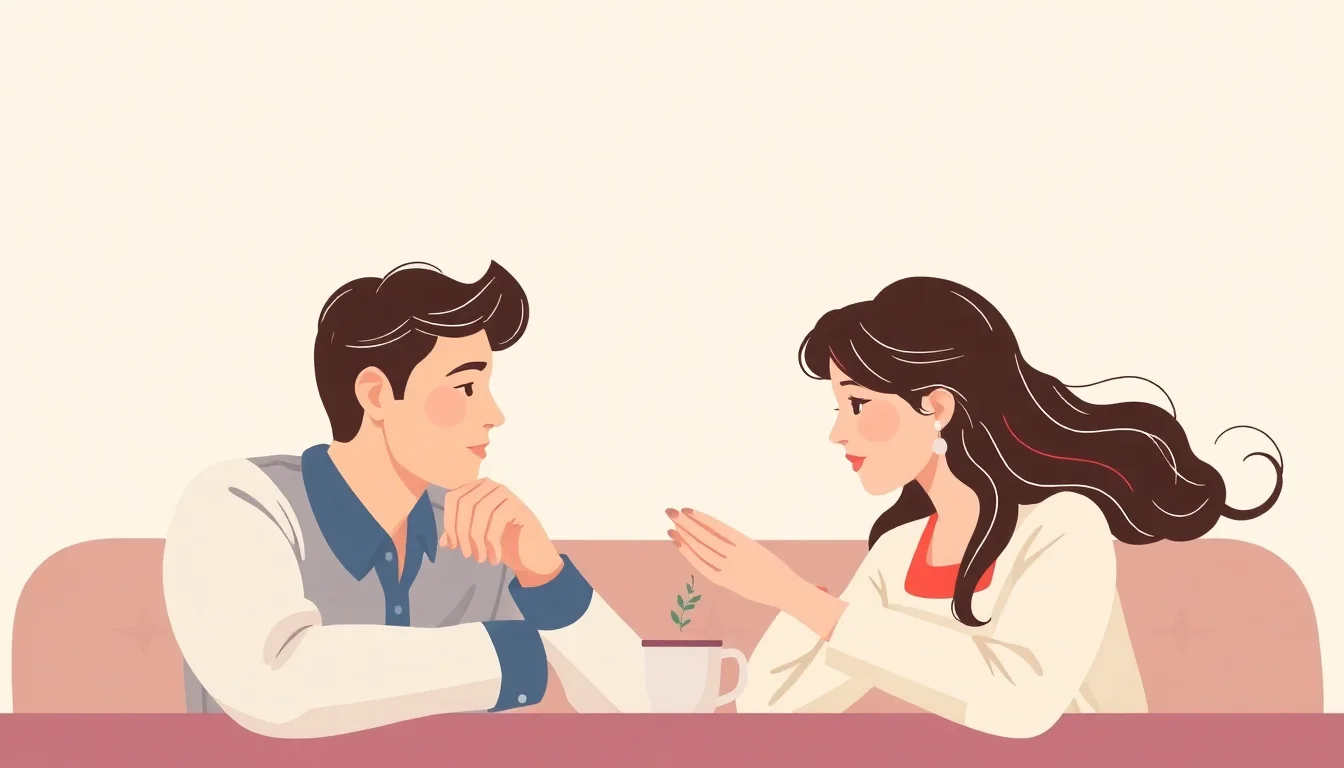
Central to nearly every modality of relationship counseling is the focus on communication skills. Early methods often identified poor communication as a primary symptom of relational distress, but modern approaches offer concrete tools to transform it. Techniques like active listening, 'I' statements, and structured conflict resolution dialogues are taught to help partners express needs and feelings without triggering defensiveness. The aim is to move from a cycle of attack-counter-attack to one of mutual understanding and empathy, where partners feel truly heard and validated, even during disagreements.
🧠 The Cognitive-Behavioral Turn in Couple Dynamics
The integration of CBT principles has profoundly shaped modern relationship counseling. This perspective posits that relationship problems often stem from maladaptive thought patterns and behaviors. Therapists help couples identify cognitive distortions – such as mind-reading or catastrophizing – that fuel conflict. By challenging these negative thought loops and replacing them with more balanced perspectives, and by modifying destructive behavioral patterns, couples can learn to respond to each other more constructively. This pragmatic approach often yields tangible improvements in daily interactions.
👨👩👧👦 Attachment Theory: The Blueprint for Intimacy
Attachment theory, originally developed by John Bowlby and later expanded by Sue Johnson and others in the context of couples work, provides a powerful lens for understanding relational dynamics. It suggests that our early experiences with caregivers shape our 'attachment style' – secure, anxious, or avoidant – which then influences how we seek and maintain intimacy in adult relationships. Relationship counseling often involves helping partners understand their own and their partner's attachment needs, fostering a sense of safety and secure connection that allows for greater emotional vulnerability and trust.
💡 Emotionally Focused Therapy: Unlocking Vulnerability
Emotionally Focused Therapy (EFT), developed by Sue Johnson and Les Greenberg, has become a cornerstone of modern couples work, particularly for its focus on emotional connection. EFT views relationship distress as a disruption in the attachment bond, leading to negative interactional cycles. The therapy aims to de-escalate conflict by helping partners access and express their deeper, underlying emotions and attachment needs. By creating new, positive emotional experiences together, couples can restructure their bond, fostering a sense of safety, closeness, and responsiveness that strengthens their love.
⚖️ The Gottman Method: Science-Backed Relationship Repair
The Gottman Method, pioneered by John and Julie Gottman, stands out for its extensive empirical research and specific, actionable interventions. Based on decades of observing couples in their 'Love Lab,' the Gottman's have identified key factors that predict relationship success or failure. Their approach focuses on building 'bids for connection,' managing conflict constructively, and fostering fondness and admiration. They provide tools like the 'Sound Relationship House' model to help couples build a strong foundation of friendship, trust, and shared meaning.
🌱 Systemic Approaches: Beyond the Dyad
Beyond focusing solely on the dyad, systemic approaches to relationship counseling view the couple within a broader context. This can include family of origin issues, extended family dynamics, cultural influences, and even societal pressures. Therapists trained in systemic thinking help couples understand how these external factors impact their internal relationship. For instance, differing cultural expectations around roles or communication styles can be a significant source of conflict that requires a systemic understanding to navigate effectively.
🚀 The Future of Relational Healing: Integration and Innovation
The future of relationship counseling points towards greater integration of various therapeutic modalities and a deeper understanding of neurobiology and well-being. As research continues to illuminate the intricate interplay between individual psychology, relational dynamics, and physiological states, therapies will likely become even more personalized. Innovations in telehealth and digital tools are also expanding access, while a growing emphasis on support networks and preventative relational education suggests a proactive shift towards fostering resilient, thriving partnerships.
Key Facts
- Year
- 2023
- Origin
- Golden Age
- Category
- Communication & Relating
- Type
- Practice
Frequently Asked Questions
What is the main goal of relationship counseling?
The primary goal is to improve the quality of intimate relationships by helping partners understand each other better, resolve conflicts constructively, and strengthen their emotional bond. It aims to repair broken connections and build a more resilient and fulfilling partnership.
When should a couple consider relationship counseling?
Couples might consider counseling when they experience persistent conflict, communication breakdowns, issues with intimacy, infidelity, or significant life transitions. It's beneficial not only for crisis intervention but also for proactive relationship enhancement.
How long does relationship counseling typically last?
The duration varies greatly depending on the couple's issues and goals. Some may find relief in a few sessions, while others might engage in therapy for several months or even longer to address deep-seated patterns.
What's the difference between individual therapy and couples therapy?
Individual therapy focuses on one person's psychological well-being, while couples therapy addresses the dynamics and interactions within the relationship itself. The therapist works with both partners as a unit, focusing on their relational patterns rather than solely on individual issues.
Can relationship counseling help if one partner is unwilling to attend?
While couples counseling is most effective when both partners are committed, significant progress can sometimes be made even if only one partner initially attends. The attending partner can gain insights and develop new coping strategies that may positively influence the relationship dynamics.