
Contents
- 🦎 Introduction to Reptilia
- 🔍 The Definition of Reptiles
- 🐢 Testudines: The Turtle Order
- 🐊 Crocodilia: The Crocodile Order
- 🦎 Squamata: The Scaly Order
- 🦎 Rhynchocephalia: The Tuatara Order
- 🔬 Herpetology: The Study of Reptiles and Amphibians
- 📊 Reptile Diversity and Conservation
- 🌎 Reptile Distribution and Habitat
- 👥 Reptile Behavior and Social Structure
- 🔮 Reptile Evolution and Phylogeny
- 🚨 Reptile Threats and Conservation Efforts
- Frequently Asked Questions
- Related Topics
Overview
Reptilia, a class of cold-blooded animals, has been a subject of human fascination for centuries. With over 10,000 species, ranging from snakes and lizards to crocodiles and turtles, reptiles can be found in almost every corner of the globe. The earliest known reptiles date back to the Carboniferous period, around 320 million years ago, with the likes of Hylonomus lyelli, a small, lizard-like creature. Reptiles have played a crucial role in shaping our planet's ecosystem, with some species, like the saltwater crocodile, reaching lengths of up to 23 feet and weighing over 1,000 pounds. Despite their often-misunderstood reputation, reptiles have also been a source of inspiration in human culture, from ancient mythologies to modern-day conservation efforts. As we continue to learn more about these incredible creatures, we are reminded of the importance of preserving their habitats and protecting their populations, with the International Union for Conservation of Nature (IUCN) reporting that over 20% of reptile species are threatened or endangered, including the critically endangered Hawksbill sea turtle, which has been listed on the IUCN Red List since 1996.
🦎 Introduction to Reptilia
Reptilia, a group of tetrapod vertebrate animals, has been a subject of fascination for many. The term 'reptile' is often associated with scaly skin and cold-blooded metabolism. However, the definition of reptiles is more complex, encompassing an amniotic development and a specific set of characteristics. The study of reptiles, along with amphibians, is known as herpetology. Reptiles have been on the planet for over 300 million years, with fossil records showing a diverse range of species. Today, there are approximately 12,000 known species of reptiles, ranging from the tiny geckos to the massive saltwater crocodiles.
🔍 The Definition of Reptiles
The definition of reptiles is based on their tetrapod vertebrate characteristics, ectothermic metabolism, and amniotic development. Reptiles are also characterized by their scaly skin, which helps to prevent water loss and regulate their body temperature. The traditional reptile orders include Testudines (turtles), Crocodilia (crocodiles and alligators), Squamata (lizards and snakes), and Rhynchocephalia (tuatara). Each of these orders has unique characteristics and adaptations that have enabled them to thrive in a wide range of environments. For example, turtles have a shell that protects them from predators, while snakes have a slender body that allows them to fit into tight spaces.
🐢 Testudines: The Turtle Order
The order Testudines comprises approximately 360 species of turtles, ranging from the tiny speckled padloper to the massive leatherback sea turtle. Turtles are found in a wide range of habitats, including oceans, rivers, and deserts. They are characterized by their shell, which is made up of bony plates called scutes. Turtles are also known for their slow metabolism, which allows them to survive for long periods without food or water. Some species of turtles, such as the Galapagos giant tortoise, can live up to 100 years or more in the wild. Tortoises are a type of turtle that lives on land and has a dome-shaped shell.
🐊 Crocodilia: The Crocodile Order
The order Crocodilia includes 24 species of crocodiles, alligators, and caimans. These large reptiles are found in tropical and subtropical regions around the world, and are known for their powerful jaws and strong tails. Crocodiles are carnivores and feed on a wide range of prey, from fish to large ungulates. They are also known for their complex social behavior, with some species forming large groups and communicating with each other using a variety of vocalizations and body language. Alligators are similar to crocodiles but have a wider, rounder snout.
🦎 Squamata: The Scaly Order
The order Squamata is the largest group of reptiles, with over 10,000 species of lizards and snakes. This order includes a wide range of species, from the tiny geckos to the massive anacondas. lizards are found in almost every habitat on Earth, from deserts to rainforests. They are characterized by their scaly skin, which helps to prevent water loss and regulate their body temperature. Snakes are also part of this order and are known for their slender bodies and ability to fit into tight spaces. Some species of snakes, such as the boa constrictor, are known for their powerful constricting abilities.
🦎 Rhynchocephalia: The Tuatara Order
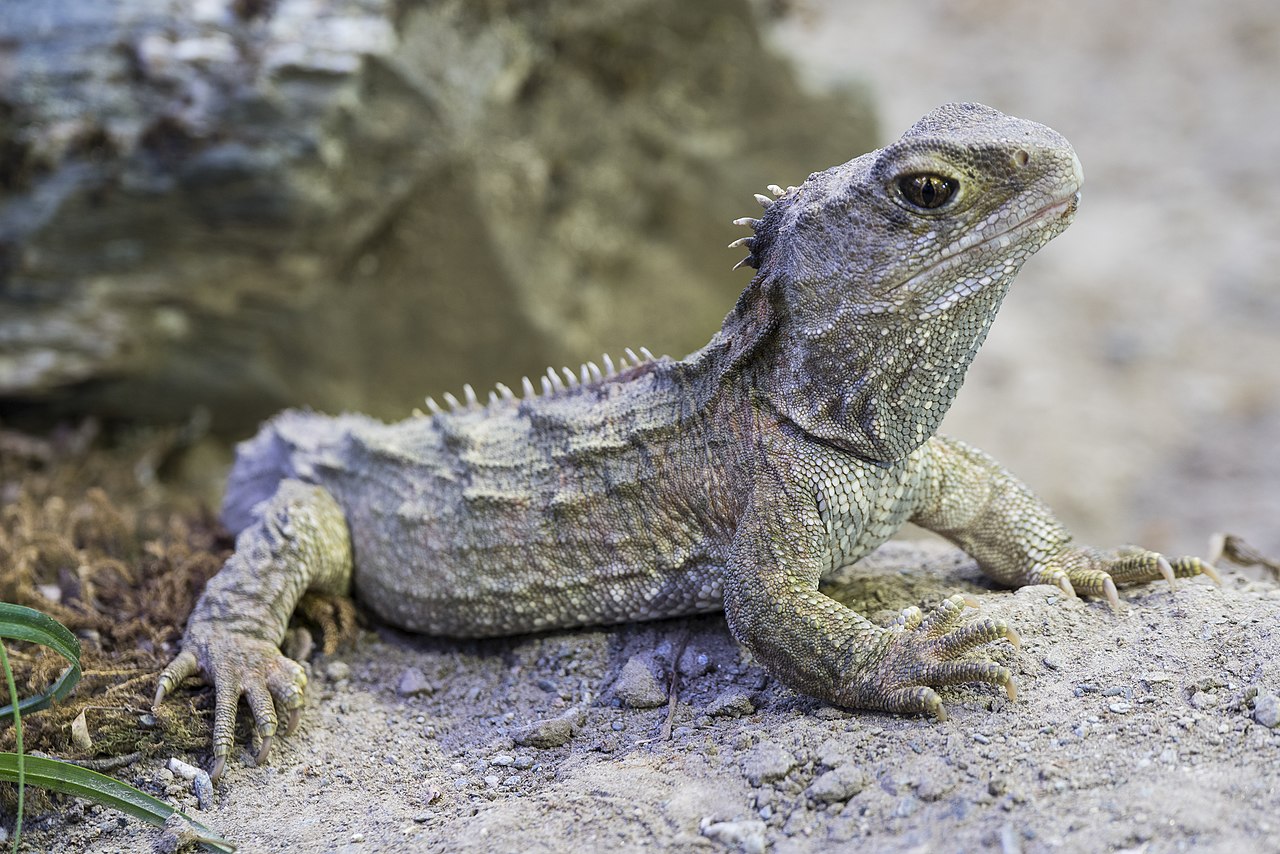
The order Rhynchocephalia includes only one living species, the tuatara. The tuatara is a reptile that is native to New Zealand and is often referred to as a 'living fossil' due to its unique characteristics and ancient lineage. The tuatara has a distinctive crest on its back, which is made up of spines that are thought to be used for display purposes. It is also known for its ability to live for up to 200 years in the wild, making it one of the longest-living reptiles on Earth. The tuatara is a nocturnal animal and is found in forests and grasslands.
🔬 Herpetology: The Study of Reptiles and Amphibians
The study of reptiles and amphibians is known as herpetology. Herpetologists study the behavior, physiology, and ecology of reptiles and amphibians, and work to conserve and manage populations of these animals. Herpetology is a diverse field that encompasses a wide range of topics, from the study of reptile and amphibian behavior to the conservation of habitats and ecosystems. Herpetologists use a variety of techniques, including field studies and laboratory experiments, to study reptiles and amphibians. They also work with government agencies and conservation organizations to develop and implement conservation plans.
📊 Reptile Diversity and Conservation
There are approximately 12,000 known species of reptiles, ranging from the tiny geckos to the massive saltwater crocodiles. Reptiles can be found in almost every habitat on Earth, from deserts to rainforests. However, many species of reptiles are threatened or endangered due to habitat destruction, climate change, and other human activities. The iucn has listed many species of reptiles as threatened or endangered, and conservation efforts are underway to protect these animals and their habitats. For example, the Galapagos giant tortoise is listed as vulnerable due to habitat destruction and introduced species.
🌎 Reptile Distribution and Habitat
Reptiles are found in almost every habitat on Earth, from deserts to rainforests. They are most diverse in the tropics, where the warm and humid climate allows them to thrive. However, reptiles can also be found in temperate and arctic regions, where they have adapted to the cooler and drier conditions. Some species of reptiles, such as the box turtle, are found in freshwater habitats, while others, such as the sea turtle, are found in marine habitats. Reptiles play an important role in their ecosystems, serving as both predators and prey for other animals.
🔮 Reptile Evolution and Phylogeny
The evolution of reptiles is a complex and still somewhat mysterious topic. Reptiles are thought to have evolved from a group of amphibian-like animals during the Carboniferous period, around 300 million years ago. Over time, reptiles diversified and evolved into a wide range of different groups, including the Testudines, Crocodilia, Squamata, and Rhynchocephalia. The fossil record provides important clues about the evolution of reptiles, with many well-preserved fossils found in rock formations around the world. For example, the fossil of the archeosaurus provides evidence of the early evolution of reptiles.
🚨 Reptile Threats and Conservation Efforts
Many species of reptiles are threatened or endangered due to habitat destruction, climate change, and other human activities. The iucn has listed many species of reptiles as threatened or endangered, and conservation efforts are underway to protect these animals and their habitats. For example, the Galapagos giant tortoise is listed as vulnerable due to habitat destruction and introduced species. Conservation efforts, such as the creation of protected areas and the implementation of sustainable livestock practices, can help to protect reptiles and their habitats. Additionally, education and outreach programs can help to raise awareness about the importance of reptile conservation.
Key Facts
- Year
- 2022
- Origin
- Carboniferous period, approximately 320 million years ago, with key figures such as Charles Darwin and Henry Walter Bates contributing to our understanding of reptile evolution and diversity.
- Category
- Biology
- Type
- Biological Class
Frequently Asked Questions
What is the definition of a reptile?
A reptile is a tetrapod vertebrate animal with an ectothermic metabolism and amniotic development. Reptiles are characterized by their scaly skin, which helps to prevent water loss and regulate their body temperature. They are also known for their ability to lay eggs with shells, and for their diverse range of habitats and behaviors.
What are the different orders of reptiles?
The four main orders of reptiles are Testudines (turtles), Crocodilia (crocodiles and alligators), Squamata (lizards and snakes), and Rhynchocephalia (tuatara). Each of these orders has unique characteristics and adaptations that have enabled them to thrive in a wide range of environments.
What is herpetology?
Herpetology is the study of reptiles and amphibians. Herpetologists study the behavior, physiology, and ecology of reptiles and amphibians, and work to conserve and manage populations of these animals. Herpetology is a diverse field that encompasses a wide range of topics, from the study of reptile and amphibian behavior to the conservation of habitats and ecosystems.
How many species of reptiles are there?
There are approximately 12,000 known species of reptiles, ranging from the tiny geckos to the massive saltwater crocodiles. Reptiles can be found in almost every habitat on Earth, from deserts to rainforests. However, many species of reptiles are threatened or endangered due to habitat destruction, climate change, and other human activities.
What is the largest reptile?
The largest reptile is the saltwater crocodile, which can grow up to 7 meters (23 feet) in length and weigh over 1,000 kilograms (2,200 pounds). Saltwater crocodiles are found in tropical and subtropical regions around the world, and are known for their powerful jaws and strong tails.
What is the smallest reptile?
The smallest reptile is the gecko, which can be as small as 1.6 centimeters (0.6 inches) in length and weigh as little as 0.15 grams (0.005 ounces). Geckos are found in almost every habitat on Earth, from deserts to rainforests, and are known for their ability to climb walls and ceilings using their specialized feet.
What is the longest-living reptile?
The longest-living reptile is the tuatara, which can live up to 200 years in the wild. The tuatara is a reptile that is native to New Zealand and is often referred to as a 'living fossil' due to its unique characteristics and ancient lineage.