
Contents
- 🌴 Introduction to the Tropics
- 🌟 Understanding the Tropical Zone
- 🌎 Geography of the Tropics
- 🌊 Climate and Weather Patterns
- 🏖️ Ecosystems and Biodiversity
- 🌴 Cultural Significance of the Tropics
- 🌟 Economic Importance of the Tropics
- 🌎 Challenges and Opportunities in the Tropics
- 🌈 Tourism and Travel in the Tropics
- 🌊 Environmental Concerns in the Tropics
- 🌴 Conclusion: The Tropical Realm
- Frequently Asked Questions
- Related Topics
Overview
The term 'tropical' conjures images of lush rainforests, exotic islands, and vibrant cultures, but its significance extends far beyond the realm of tourism and fantasy. With a history dating back to ancient civilizations, the tropics have been a hub of trade, cultural exchange, and environmental diversity, spanning across the equatorial regions of the Americas, Africa, and Asia. The tropics are home to over 50% of the world's biodiversity, with the Amazon rainforest alone accounting for 10% of all known plant and animal species. However, the region is also plagued by deforestation, climate change, and social inequality, with many indigenous communities fighting to preserve their lands and way of life. As the world grapples with the challenges of sustainability and environmental conservation, the tropics have become a critical frontier in the quest for a more equitable and resilient future. With a vibe score of 8, the tropics embody a unique blend of natural beauty, cultural richness, and environmental urgency, making them a fascinating and complex topic of study and exploration.
🌴 Introduction to the Tropics
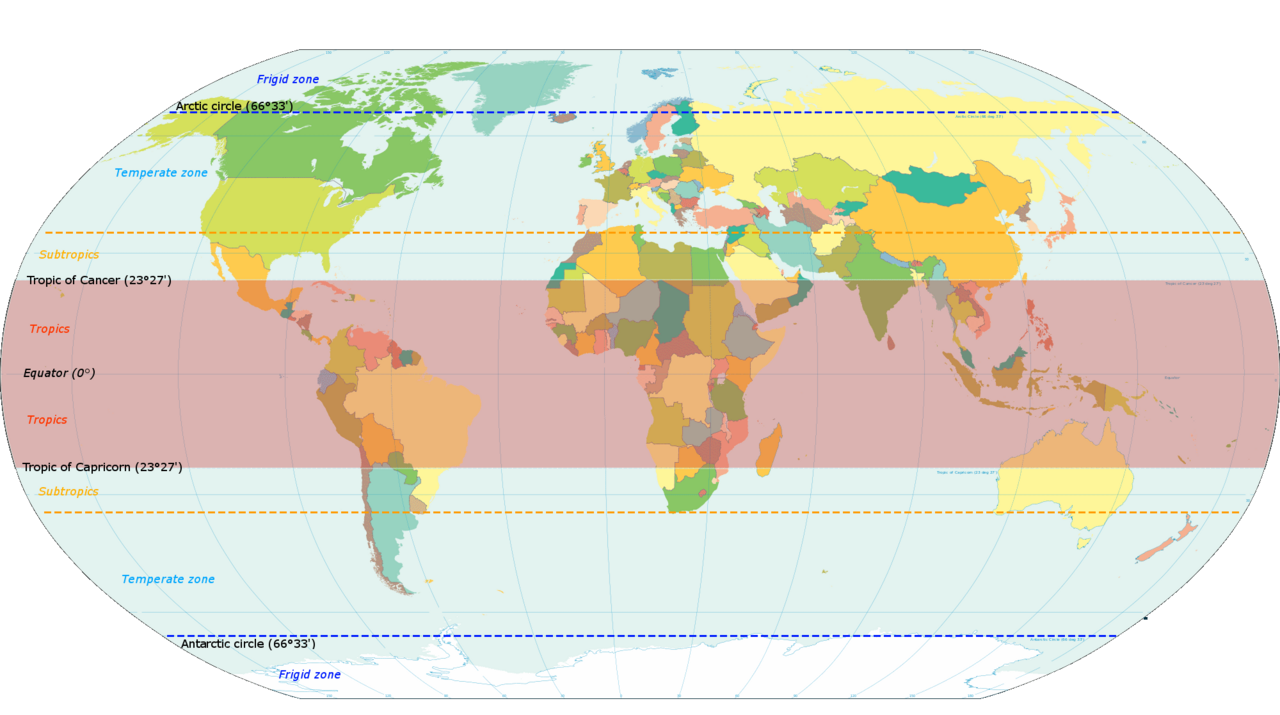
The tropics, also known as the tropical zone or the torrid zone, are a region of Earth surrounding the equator, where the Sun may shine directly overhead. This unique characteristic sets the tropics apart from the temperate zone and the polar regions. The tropics are home to a diverse range of cultures, including the indigenous cultures of the Amazon rainforest and the Pacific Islands. The tropical region is also home to many tropical cities, such as Singapore and Miami, which are known for their vibrant cultures and economies. The tropics are also a popular destination for ecotourism and adventure travel.
🌟 Understanding the Tropical Zone
The tropical zone is defined by the Earth's axial tilt, which determines the width of the tropics. The tilt of the Earth's axis is approximately 23.5 degrees, which means that the tropics span a region of about 47 degrees of latitude on either side of the equator. This region includes the equatorial region, where the Sun is directly overhead at noon, and the tropical regions, where the Sun is never directly overhead. The tropical zone is also home to many tropical islands, such as Hawaii and Bali, which are known for their beautiful beaches and lush landscapes. The tropics are also a major source of renewable energy, including solar energy and wind energy.
🌎 Geography of the Tropics
The geography of the tropics is characterized by a diverse range of landscapes, including rainforests, coral reefs, and mountain ranges. The tropics are home to some of the most biodiverse ecosystems on the planet, including the Amazon rainforest and the Congo Basin. The tropical region is also home to many volcanic islands, such as Iceland and Hawaii, which are known for their unique landscapes and geological features. The tropics are also a major source of mineral resources, including copper and gold. The tropics are also home to many tropical lakes, such as Lake Tanganyika and Lake Malawi.
🌊 Climate and Weather Patterns
The climate and weather patterns of the tropics are characterized by high temperatures and high levels of humidity. The tropics receive direct sunlight throughout the year, which results in a relatively constant temperature range. The tropical region is also home to many tropical storms, including hurricanes and typhoons, which can have a significant impact on the environment and human populations. The tropics are also a major source of global precipitation, with many tropical rivers flowing through the region. The tropics are also home to many tropical wetlands, such as mangroves and salt marshes.
🏖️ Ecosystems and Biodiversity
The ecosystems and biodiversity of the tropics are some of the most diverse and complex on the planet. The tropical region is home to a wide range of tropical plants, including palm trees and bamboo, as well as many tropical animals, such as monkeys and parrots. The tropics are also home to many coral reefs, which are some of the most biodiverse ecosystems on the planet. The tropical region is also home to many tropical fish, including clownfish and angelfish. The tropics are also a major source of medicinal plants, including quinine and cinchona.
🌴 Cultural Significance of the Tropics
The cultural significance of the tropics is profound, with many indigenous cultures and traditional practices still thriving in the region. The tropics are home to many tropical festivals, such as the Rio Carnival and the Thai New Year, which are known for their vibrant music and dance. The tropical region is also home to many tropical cuisines, including Thai cuisine and Indian cuisine, which are known for their spicy flavors and exotic ingredients. The tropics are also a major source of cultural inspiration, with many artists and writers drawing inspiration from the region's beauty and diversity.
🌟 Economic Importance of the Tropics
The economic importance of the tropics is significant, with many tropical countries playing a major role in the global economy. The tropics are a major source of agricultural products, including coffee and bananas, as well as many mineral resources, including copper and gold. The tropical region is also home to many tourist destinations, such as Bali and Phuket, which are known for their beautiful beaches and vibrant cultures. The tropics are also a major source of renewable energy, including solar energy and wind energy.
🌎 Challenges and Opportunities in the Tropics
The challenges and opportunities in the tropics are many, with the region facing many environmental challenges, including deforestation and climate change. The tropics are also home to many socioeconomic challenges, including poverty and inequality. However, the tropics also offer many opportunities for sustainable development, including the development of renewable energy and ecotourism. The tropical region is also home to many innovative initiatives, such as the Green Belt Movement, which aim to promote sustainable development and environmental conservation.
🌈 Tourism and Travel in the Tropics
Tourism and travel in the tropics are major industries, with many tourist destinations attracting millions of visitors each year. The tropics are home to many beautiful beaches, such as Waikiki Beach and Kuta Beach, as well as many cultural landmarks, such as the Angkor Wat and the Borobudur. The tropical region is also home to many adventure activities, such as surfing and scuba diving. The tropics are also a major source of cultural inspiration, with many artists and writers drawing inspiration from the region's beauty and diversity.
🌊 Environmental Concerns in the Tropics
The environmental concerns in the tropics are many, with the region facing many environmental challenges, including deforestation and climate change. The tropics are home to many endangered species, including the orangutan and the Sumatran tiger. The tropical region is also home to many protected areas, such as the Amazon rainforest and the Congo Basin, which aim to conserve the region's biodiversity and ecosystems. The tropics are also a major source of renewable energy, including solar energy and wind energy.
🌴 Conclusion: The Tropical Realm
In conclusion, the tropics are a realm of exoticism and diversity, with a rich cultural heritage and a unique natural environment. The tropics are home to many tropical countries, each with their own unique culture and history. The tropical region is also home to many tropical islands, such as Hawaii and Bali, which are known for their beautiful beaches and lush landscapes. The tropics are also a major source of cultural inspiration, with many artists and writers drawing inspiration from the region's beauty and diversity. As we look to the future, it is essential that we work to conserve the tropics' biodiversity and ecosystems, while also promoting sustainable development and environmental conservation.
Key Facts
- Year
- 2023
- Origin
- Equatorial Regions of the Americas, Africa, and Asia
- Category
- Geography and Culture
- Type
- Geographic Region
Frequently Asked Questions
What is the definition of the tropics?
The tropics are the region of Earth surrounding the equator, where the Sun may shine directly overhead. The tropics are defined by the Earth's axial tilt, which determines the width of the tropics. The tropics span a region of about 47 degrees of latitude on either side of the equator.
What are the characteristics of the tropical climate?
The tropical climate is characterized by high temperatures and high levels of humidity. The tropics receive direct sunlight throughout the year, which results in a relatively constant temperature range. The tropical region is also home to many tropical storms, including hurricanes and typhoons.
What are the most biodiverse ecosystems in the tropics?
The most biodiverse ecosystems in the tropics include the Amazon rainforest and the Congo Basin. These ecosystems are home to a wide range of plant and animal species, including many endangered species. The tropics are also home to many coral reefs, which are some of the most biodiverse ecosystems on the planet.
What are the economic importance of the tropics?
The tropics are a major source of agricultural products, including coffee and bananas, as well as many mineral resources, including copper and gold. The tropical region is also home to many tourist destinations, such as Bali and Phuket, which are known for their beautiful beaches and vibrant cultures.
What are the environmental concerns in the tropics?
The environmental concerns in the tropics include deforestation, climate change, and the loss of biodiversity. The tropics are home to many endangered species, including the orangutan and the Sumatran tiger. The tropical region is also home to many protected areas, such as the Amazon rainforest and the Congo Basin, which aim to conserve the region's biodiversity and ecosystems.
What are the opportunities for sustainable development in the tropics?
The opportunities for sustainable development in the tropics include the development of renewable energy, such as solar energy and wind energy, as well as ecotourism and sustainable agriculture. The tropics are also home to many innovative initiatives, such as the Green Belt Movement, which aim to promote sustainable development and environmental conservation.
What are the cultural significance of the tropics?
The cultural significance of the tropics is profound, with many indigenous cultures and traditional practices still thriving in the region. The tropics are home to many tropical festivals, such as the Rio Carnival and the Thai New Year, which are known for their vibrant music and dance. The tropical region is also home to many tropical cuisines, including Thai cuisine and Indian cuisine, which are known for their spicy flavors and exotic ingredients.