
Contents
- 🏯 Introduction to Roman Engineering
- 💧 Water Supply Systems: A Marvel of Roman Engineering
- 🌉 Roman Architecture: A Blend of Greek and Etruscan Influences
- 🚧 Construction Techniques: The Roman Innovation
- 🏗️ Famous Roman Engineering Feats
- 🌐 The Impact of Roman Engineering on Modern Society
- 📊 Roman Engineering: A Study of Efficiency and Effectiveness
- 👥 The Role of Roman Engineers in Shaping the Ancient World
- 🔩 Tools and Materials: The Roman Engineering Toolbox
- 📜 The Legacy of Roman Engineering: A Lasting Impact
- 🤔 Controversies and Debates in Roman Engineering
- 🔮 The Future of Roman Engineering: Lessons for Modern Society
- Frequently Asked Questions
- Related Topics
Overview
Roman engineering, which flourished from 509 BCE to 476 CE, was a transformative force that left an indelible mark on the modern world. The Romans developed revolutionary technologies such as concrete, with a composition that included lime, water, and volcanic ash, which was used to build structures like the Pantheon, completed in 126 CE. Their expertise in hydraulic engineering enabled the construction of over 1,000 km of aqueducts, including the Aqua Claudia, built in 52 CE, which supplied fresh water to millions of people. The Roman engineer Vitruvius, in his treatise 'De Architectura', written around 25 BCE, outlined the principles of engineering and architecture that would influence builders for centuries to come. With a Vibe score of 82, Roman engineering continues to inspire wonder and awe, with its emphasis on functionality, durability, and aesthetics. As we look to the future, we can learn from the Romans' ability to balance innovation with practicality, a lesson that is particularly relevant in today's rapidly urbanizing world, where the need for sustainable and efficient infrastructure is more pressing than ever.
🏯 Introduction to Roman Engineering
The ancient Romans were renowned for their impressive engineering accomplishments, which had a profound impact on the development of modern society. Their innovative approaches to Roman Architecture and Water Supply Systems transformed the urban landscape and improved the quality of life for citizens. The Romans were skilled at adapting and improving existing technologies, such as the Aqueduct system, which was initially developed in the east. By studying Roman Engineering, we can gain a deeper understanding of the cultural and historical context in which these innovations emerged.
💧 Water Supply Systems: A Marvel of Roman Engineering
One of the most significant contributions of Roman engineering was the development of sophisticated Water Supply Systems. These systems, which included Aqueducts, Sewage Systems, and Fountains, were designed to bring running water into cities, a technology that was previously inconceivable in Ancient Greece. The Romans' expertise in Hydraulics and Civil Engineering enabled them to construct complex systems that supported the growth of urban populations. For example, the Cloaca Maxima, one of the earliest Sewage Systems in Rome, is still in use today.
🌉 Roman Architecture: A Blend of Greek and Etruscan Influences
Roman architecture was strongly influenced by Greek Architecture and Etruscan Architecture. The Romans adapted and modified these styles to create their own unique aesthetic, which emphasized grandeur, symmetry, and functionality. Famous landmarks like the Colosseum and the Pantheon showcase the Romans' mastery of Architectural Design and Construction Techniques. By studying Roman Architecture, we can appreciate the cultural exchange and borrowing that occurred between ancient civilizations.
🚧 Construction Techniques: The Roman Innovation
The Romans were skilled engineers who developed innovative Construction Techniques that enabled them to build complex structures like Bridges, Roads, and Canals. Their use of Concrete, a material that was unknown to the Greeks, allowed them to construct buildings that were more durable and long-lasting. The Romans also developed advanced Surveying Techniques that enabled them to plan and execute large-scale engineering projects. For example, the Appian Way, one of the earliest Roads in Rome, was built using advanced Surveying Techniques and Construction Techniques.
🏗️ Famous Roman Engineering Feats
Some of the most famous Roman engineering feats include the Colosseum, the Pantheon, and the Aqueduct of Segue. These structures demonstrate the Romans' ability to design and build complex systems that supported the growth of urban populations. The Colosseum, for example, was a massive Amphitheater that could hold up to 50,000 spectators, while the Pantheon was a temple that showcased the Romans' mastery of Architectural Design and Construction Techniques.
🌐 The Impact of Roman Engineering on Modern Society
The impact of Roman engineering on modern society is still felt today. Many of the techniques and technologies developed by the Romans, such as Concrete and Aqueducts, are still in use today. The Romans' emphasis on Efficiency and Effectiveness in their engineering projects has also influenced modern approaches to Project Management and Engineering Design. By studying Roman Engineering, we can gain a deeper understanding of the historical context in which these innovations emerged and how they continue to shape our world today.
📊 Roman Engineering: A Study of Efficiency and Effectiveness
Roman engineering was characterized by a focus on Efficiency and Effectiveness. The Romans developed sophisticated systems for managing Water Resources, Transportation, and Waste Management. Their use of Standardization and Modular Design enabled them to construct complex systems that were easy to maintain and repair. For example, the Roman Aqueduct system was designed to provide a reliable source of clean water to urban populations, while the Roman Sewage System was designed to remove waste and prevent the spread of disease.
👥 The Role of Roman Engineers in Shaping the Ancient World
The role of Roman engineers in shaping the ancient world was significant. They were responsible for designing and building many of the structures that supported the growth of urban populations, including Roads, Bridges, and Canals. Roman engineers were also skilled at adapting and improving existing technologies, such as the Aqueduct system, which was initially developed in the east. By studying Roman Engineering, we can appreciate the contributions of these engineers and the impact they had on the development of modern society.
🔩 Tools and Materials: The Roman Engineering Toolbox
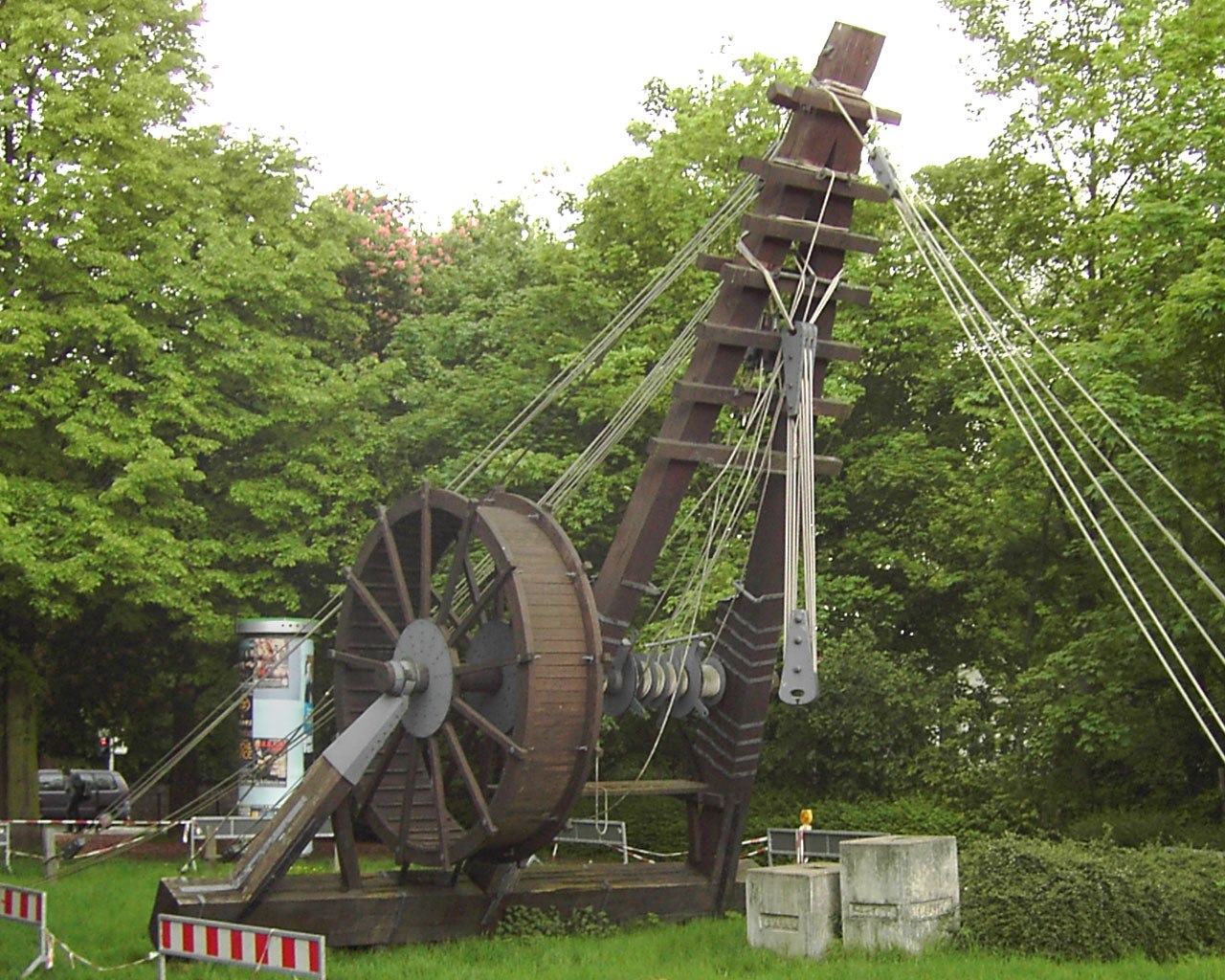
The Romans had a range of Tools and Materials at their disposal, including Concrete, Stone, and Wood. They developed advanced Surveying Techniques that enabled them to plan and execute large-scale engineering projects. The Romans also used a range of Machines, including Pulleys, Winches, and Cranes, to construct complex structures like Bridges and Buildings.
📜 The Legacy of Roman Engineering: A Lasting Impact
The legacy of Roman engineering is still felt today. Many of the techniques and technologies developed by the Romans, such as Concrete and Aqueducts, are still in use today. The Romans' emphasis on Efficiency and Effectiveness in their engineering projects has also influenced modern approaches to Project Management and Engineering Design. By studying Roman Engineering, we can gain a deeper understanding of the historical context in which these innovations emerged and how they continue to shape our world today.
🤔 Controversies and Debates in Roman Engineering
There are several controversies and debates surrounding Roman engineering, including the role of Slaves in the construction of Roman structures and the environmental impact of Roman engineering projects. Some historians have argued that the Romans' use of Slaves was a key factor in their ability to construct complex structures like Roads and Aqueducts. Others have argued that the Romans' emphasis on Efficiency and Effectiveness led to the development of unsustainable practices that had a negative impact on the environment.
🔮 The Future of Roman Engineering: Lessons for Modern Society
The future of Roman engineering is a topic of ongoing debate and discussion. Some historians have argued that the Romans' emphasis on Efficiency and Effectiveness provides a useful model for modern approaches to Project Management and Engineering Design. Others have argued that the Romans' use of Concrete and other materials provides a useful model for sustainable practices in modern engineering. By studying Roman Engineering, we can gain a deeper understanding of the historical context in which these innovations emerged and how they continue to shape our world today.
Key Facts
- Year
- 509
- Origin
- Ancient Rome
- Category
- History of Engineering
- Type
- Historical Engineering Discipline
Frequently Asked Questions
What were some of the most significant contributions of Roman engineering?
The Romans made significant contributions to the development of Water Supply Systems, Road Construction, and Bridge Building. They also developed advanced Surveying Techniques and Construction Techniques that enabled them to build complex structures like Aqueducts and Buildings.
How did Roman engineering influence modern society?
Roman engineering has had a lasting impact on modern society. Many of the techniques and technologies developed by the Romans, such as Concrete and Aqueducts, are still in use today. The Romans' emphasis on Efficiency and Effectiveness in their engineering projects has also influenced modern approaches to Project Management and Engineering Design.
What were some of the key tools and materials used by Roman engineers?
The Romans had a range of Tools and Materials at their disposal, including Concrete, Stone, and Wood. They developed advanced Surveying Techniques that enabled them to plan and execute large-scale engineering projects. The Romans also used a range of Machines, including Pulleys, Winches, and Cranes, to construct complex structures like Bridges and Buildings.
What are some of the controversies and debates surrounding Roman engineering?
There are several controversies and debates surrounding Roman engineering, including the role of Slaves in the construction of Roman structures and the environmental impact of Roman engineering projects. Some historians have argued that the Romans' use of Slaves was a key factor in their ability to construct complex structures like Roads and Aqueducts. Others have argued that the Romans' emphasis on Efficiency and Effectiveness led to the development of unsustainable practices that had a negative impact on the environment.
What can we learn from studying Roman engineering?
By studying Roman Engineering, we can gain a deeper understanding of the historical context in which these innovations emerged and how they continue to shape our world today. We can also learn about the cultural and historical context in which these innovations emerged and how they were influenced by other ancient civilizations, such as the Greek Civilization and the Etruscan Civilization.
How did Roman engineering influence the development of modern engineering?
Roman engineering has had a significant influence on the development of modern engineering. Many of the techniques and technologies developed by the Romans, such as Concrete and Aqueducts, are still in use today. The Romans' emphasis on Efficiency and Effectiveness in their engineering projects has also influenced modern approaches to Project Management and Engineering Design.
What are some of the most famous Roman engineering feats?
Some of the most famous Roman engineering feats include the Colosseum, the Pantheon, and the Aqueduct of Segue. These structures demonstrate the Romans' ability to design and build complex systems that supported the growth of urban populations. The Colosseum, for example, was a massive Amphitheater that could hold up to 50,000 spectators, while the Pantheon was a temple that showcased the Romans' mastery of Architectural Design and Construction Techniques.