
Contents
- 🌍 Introduction to Sangoma
- 🏥 Role of Traditional Healers in Southern Africa
- 💫 Divination and Healing Practices
- 🌈 Cultural Significance of Sangoma
- 📚 History and Cosmology of Traditional African Medicine
- 👥 Social and Political Roles of Sangoma
- 💔 Emotional and Spiritual Healing
- 🐮 Protecting Livestock and Counteracting Witchcraft
- 🏋️♀️ Training and Initiation of Sangoma
- 🌟 Modern Relevance and Challenges
- 🤝 Collaboration with Western Medicine
- Frequently Asked Questions
- Related Topics
Overview
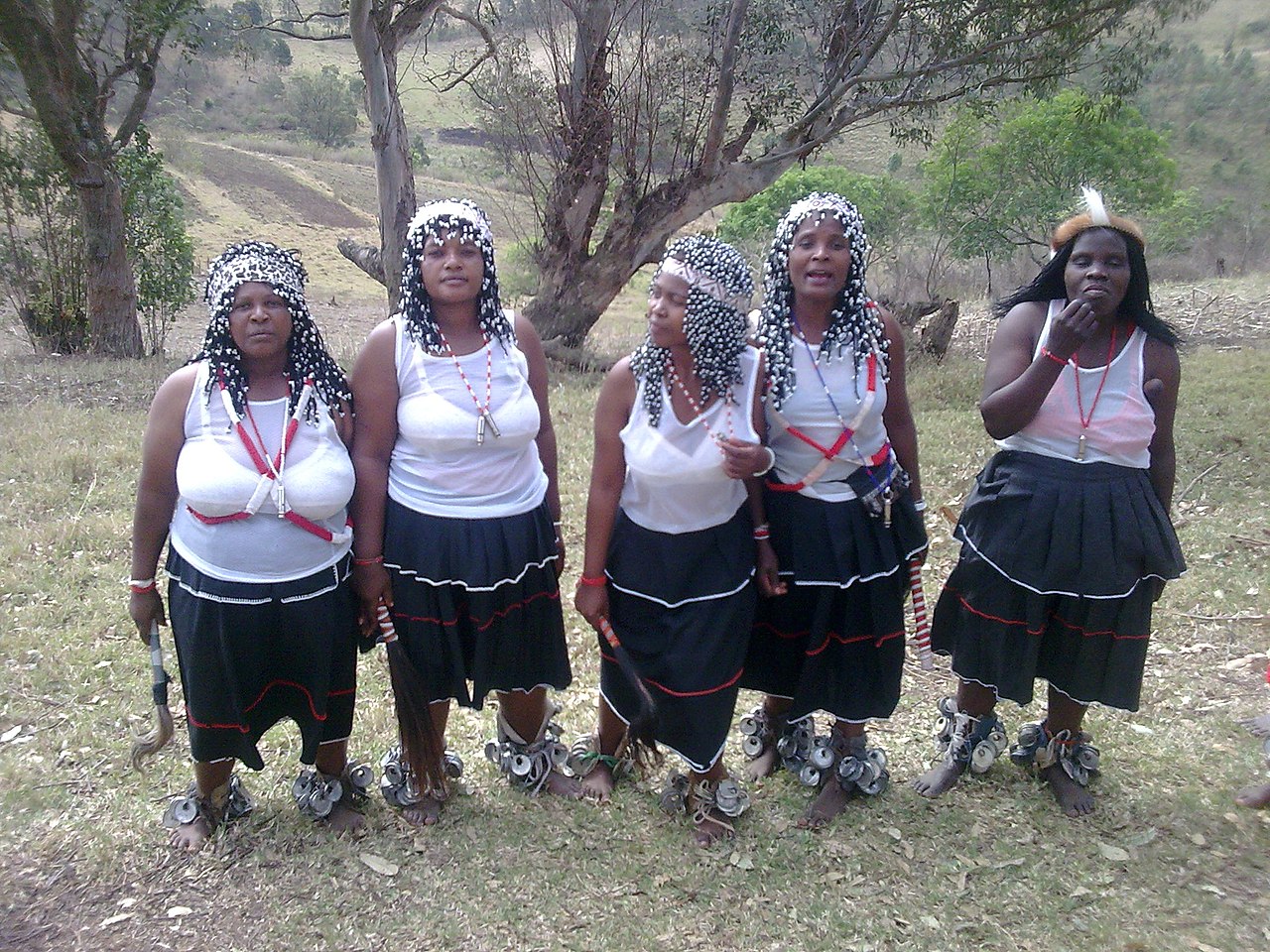
A sangoma is a traditional healer in Southern African cultures, particularly among the Zulu, Xhosa, and Sotho people. With a rich history dating back to the 16th century, sangomas have played a vital role in the spiritual and physical well-being of their communities. These healers are believed to possess supernatural powers, allowing them to communicate with ancestors and diagnose illnesses. According to a 2019 survey, over 80% of South Africans consult with traditional healers like sangomas, highlighting their enduring influence. However, the practice has also faced criticism and controversy, with some accusing sangomas of perpetuating harmful practices and charlatanism. As the world becomes increasingly interconnected, the role of sangomas in modern society remains a topic of debate, with some arguing that their traditional knowledge and practices can inform and improve contemporary healthcare systems. With a vibe score of 8, the cultural significance of sangoma is undeniable, but its future remains uncertain, leaving many to wonder how this ancient practice will evolve in the face of modernization and globalization.
🌍 Introduction to Sangoma
The traditional healers of Southern Africa, known as Sangoma, have been an integral part of the region's cultural and spiritual landscape for centuries. With a rich history and a deep understanding of the natural world, these practitioners have developed a unique system of traditional African medicine that encompasses physical, emotional, and spiritual healing. As a vital part of their community, Sangoma fulfil various social and political roles, including divination, healing, and narrating the history and cosmology of their tradition. For example, the Zulu people of South Africa have a long tradition of consulting Sangoma for guidance and healing.
🏥 Role of Traditional Healers in Southern Africa
In Southern Africa, traditional healers play a crucial role in maintaining the health and well-being of their communities. They are often the first point of contact for individuals seeking medical attention, and their services are highly valued and respected. Sangoma are trained to diagnose and treat a wide range of ailments, from physical injuries to emotional and spiritual imbalances. By combining their knowledge of traditional medicine with spiritual practices, such as ancestor worship, they are able to provide holistic care that addresses the individual's entire being. This approach is reflected in the traditional African medicine practiced by the Xhosa people of South Africa.
💫 Divination and Healing Practices
One of the key practices of Sangoma is divination, which involves communicating with the spirit world to gain insight and guidance. This can be done through various methods, including dream incubation, scrying, and throwing the bones. By tapping into the spiritual realm, Sangoma are able to access information that is not available to them in the physical world, allowing them to make informed decisions and provide effective healing. For instance, the Sotho people of Lesotho use divination to identify the causes of illness and to determine the best course of treatment.
🌈 Cultural Significance of Sangoma
Sangoma are deeply embedded in the cultural fabric of Southern Africa, and their practices are often closely tied to the region's rich cultural heritage. The cosmology of traditional African medicine is rooted in a deep understanding of the natural world and the interconnectedness of all living things. By honoring the ancestors and the land, Sangoma are able to maintain balance and harmony within their communities. This is reflected in the initiation rituals of the Tsonga people of South Africa, which involve the use of traditional medicine and spiritual practices to mark important life transitions.
📚 History and Cosmology of Traditional African Medicine
The history of traditional African medicine in Southern Africa is long and complex, with roots dating back thousands of years. The history of traditional African medicine is closely tied to the region's cultural and spiritual development, with Sangoma playing a key role in shaping the beliefs and practices of their communities. By studying the cosmology and mythology of traditional African medicine, we can gain a deeper understanding of the values and principles that underlie this unique system of healing. For example, the Ndebele people of South Africa have a rich tradition of storytelling and narration that reflects their history and cultural heritage.
💔 Emotional and Spiritual Healing
Emotional and spiritual healing are essential components of traditional African medicine, and Sangoma are trained to address a wide range of emotional and spiritual imbalances. By using techniques such as meditation, prayer, and ritual, they are able to help individuals restore balance and harmony to their lives. This approach is reflected in the emotional healing practices of the Tswana people of South Africa, who use traditional medicine and spiritual practices to address emotional and spiritual imbalances.
🐮 Protecting Livestock and Counteracting Witchcraft
In addition to their work as healers, Sangoma are often called upon to protect livestock and counteract witchcraft. By using their knowledge of traditional medicine and spiritual practices, they are able to safeguard the health and well-being of their communities' animals, and to defend against negative spiritual forces. This is reflected in the protection rituals of the Venda people of South Africa, who use traditional medicine and spiritual practices to protect their livestock and communities from harm.
🏋️♀️ Training and Initiation of Sangoma
The training and initiation of Sangoma are rigorous and demanding, requiring a deep commitment to the principles and practices of traditional African medicine. Through a process of apprenticeship and initiation, individuals are able to develop the skills and knowledge necessary to become effective healers. This is reflected in the training programs of the Zulu people of South Africa, who use a combination of traditional medicine and spiritual practices to train and initiate new Sangoma.
🌟 Modern Relevance and Challenges
Despite the many challenges facing traditional African medicine in the modern era, Sangoma remain a vital and vibrant part of Southern Africa's cultural and spiritual landscape. As the region continues to evolve and grow, it is likely that the role of Sangoma will also change, with new opportunities and challenges emerging. By embracing collaboration and innovation, Sangoma are able to ensure the continued relevance and effectiveness of traditional African medicine, while also honoring the principles and practices that have been passed down through generations. For example, the South African Traditional Healers Organization is working to promote the use of traditional medicine and spiritual practices in modern healthcare settings.
🤝 Collaboration with Western Medicine
In recent years, there has been a growing recognition of the importance of collaboration between traditional and Western medicine. By working together, Sangoma and Western medical practitioners are able to provide more comprehensive and effective care, drawing on the strengths of both systems. This approach is reflected in the integration of traditional medicine and Western medicine in South Africa, where Sangoma are working with Western medical practitioners to develop new treatments and therapies that combine the best of both worlds.
Key Facts
- Year
- 1600
- Origin
- Southern Africa
- Category
- Anthropology, Traditional Medicine
- Type
- Traditional Healer
Frequently Asked Questions
What is the role of Sangoma in Southern African culture?
Sangoma are traditional healers who play a vital role in maintaining the health and well-being of their communities. They are responsible for diagnosing and treating a wide range of ailments, from physical injuries to emotional and spiritual imbalances. By combining their knowledge of traditional medicine with spiritual practices, such as ancestor worship, they are able to provide holistic care that addresses the individual's entire being. For example, the Zulu people of South Africa have a long tradition of consulting Sangoma for guidance and healing. Sangoma are also involved in various social and political roles, including directing birth and death rituals, and may also be involved in conflict resolution and community development initiatives.
What is the history of traditional African medicine in Southern Africa?
The history of traditional African medicine in Southern Africa is long and complex, with roots dating back thousands of years. The history of traditional African medicine is closely tied to the region's cultural and spiritual development, with Sangoma playing a key role in shaping the beliefs and practices of their communities. By studying the cosmology and mythology of traditional African medicine, we can gain a deeper understanding of the values and principles that underlie this unique system of healing. For example, the Ndebele people of South Africa have a rich tradition of storytelling and narration that reflects their history and cultural heritage.
How do Sangoma diagnose and treat illnesses?
Sangoma use a variety of techniques to diagnose and treat illnesses, including divination, meditation, and ritual. They may also use traditional medicines, such as herbs and plant extracts, to treat physical ailments. By combining their knowledge of traditional medicine with spiritual practices, such as ancestor worship, they are able to provide holistic care that addresses the individual's entire being. For instance, the Sotho people of Lesotho use divination to identify the causes of illness and to determine the best course of treatment.
What is the significance of ancestor worship in traditional African medicine?
Ancestor worship is a central component of traditional African medicine, and is believed to play a crucial role in maintaining the health and well-being of individuals and communities. By honoring the ancestors and the land, Sangoma are able to maintain balance and harmony within their communities. This is reflected in the initiation rituals of the Tsonga people of South Africa, which involve the use of traditional medicine and spiritual practices to mark important life transitions.
How are Sangoma trained and initiated?
The training and initiation of Sangoma are rigorous and demanding, requiring a deep commitment to the principles and practices of traditional African medicine. Through a process of apprenticeship and initiation, individuals are able to develop the skills and knowledge necessary to become effective healers. This is reflected in the training programs of the Zulu people of South Africa, who use a combination of traditional medicine and spiritual practices to train and initiate new Sangoma.
What is the future of traditional African medicine in Southern Africa?
Despite the many challenges facing traditional African medicine in the modern era, Sangoma remain a vital and vibrant part of Southern Africa's cultural and spiritual landscape. As the region continues to evolve and grow, it is likely that the role of Sangoma will also change, with new opportunities and challenges emerging. By embracing collaboration and innovation, Sangoma are able to ensure the continued relevance and effectiveness of traditional African medicine, while also honoring the principles and practices that have been passed down through generations.
How can traditional African medicine be integrated with Western medicine?
The integration of traditional African medicine and Western medicine is a complex and multifaceted process, requiring a deep understanding of the principles and practices of both systems. By working together, Sangoma and Western medical practitioners are able to provide more comprehensive and effective care, drawing on the strengths of both systems. This approach is reflected in the integration of traditional medicine and Western medicine in South Africa, where Sangoma are working with Western medical practitioners to develop new treatments and therapies that combine the best of both worlds.
👥 Social and Political Roles of Sangoma
As respected members of their communities, Sangoma fulfil a range of social and political roles that extend far beyond their work as healers. They are often called upon to direct birth rituals and death rituals, and may also be involved in conflict resolution and community development initiatives. By combining their spiritual authority with their knowledge of traditional medicine, Sangoma are able to provide leadership and guidance that is deeply rooted in the values and traditions of their communities. This is reflected in the community leadership roles of the Pedi people of South Africa, who often consult Sangoma for guidance on matters of community importance.